Pasiuna: Ang panulundon sa serye sa Galaxy S Series
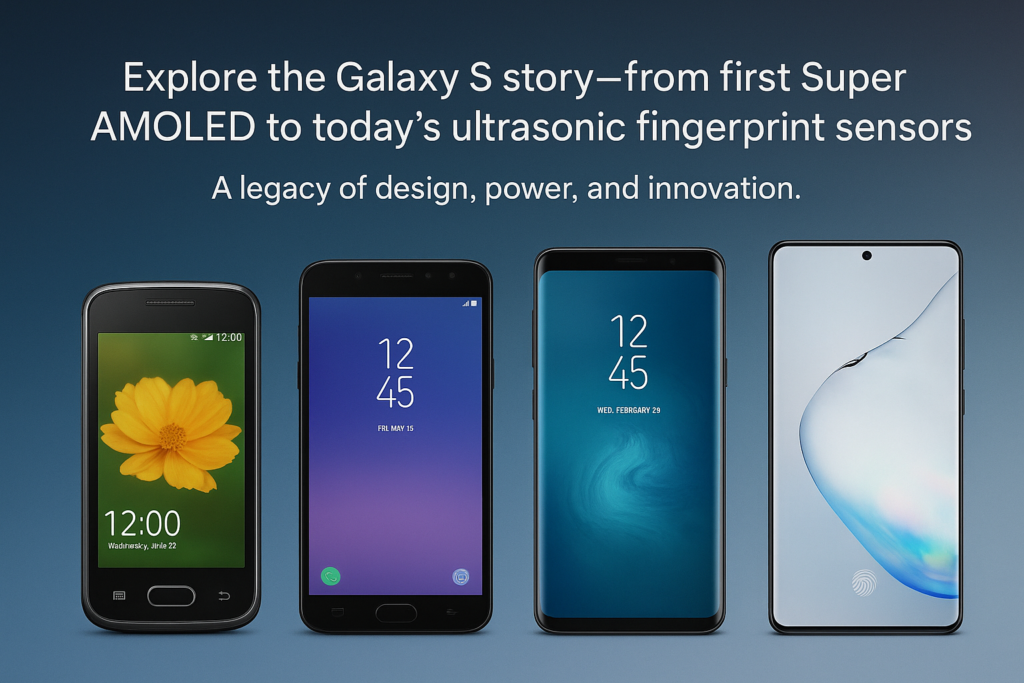
Sukad sa kini nga dramatiko nga debut sa 2010, Ang Serye sa Samsung Galaxy S nagtindog ingon usa ka benchmark sa kalibutan sa mga Smartphone sa Android. Labaw pa sa linya sa produkto, Ang seryeng Galaxy S. Dili lang kini bahin sa katulin o specs - kini bahin sa paghimo sa usa ka symphony diin ang hardware, software, ug ang kasinatian sa tiggamit nahiuyon sa hapsay.
Ang kaadlawon sa usa ka bag-ong panahon (2010-2014)
Galaxy s (2010): Ang Pioneer
Ang orihinal Samsung galaxy s (i9000) gimarkahan ang usa ka maisugon nga lakang sa arena sa smartphone. Uban ang 4-inch Super nga Amoled Screen, Gipangunahan sa Hummingbird Processor, Kini usab nagpahiuli kung unsa ang android. Alang sa panahon niini, ang display kay groundbreaking—tin-aw nga mga kolor, lawom nga itom, ug pagkaepisyente sa enerhiya nga nakapawala sa mga kaatbang sa LCD.
Pag-ila sa fingerprint? Dili pa. Niini nga yugto, Ang biometrics wala makasulod sa mobile mainstream. Apan ang Galaxy S nagpahimutang sa pundasyon alang sa umaabot.
Galaxy S5 (2014): Pagpaila sa Fingerprint Security
Human 2014, Andam na ang Samsung nga himuon ang biometrics nga bahin sa adlaw-adlaw nga kinabuhi. Ang Galaxy S5 gipaila pag-scan sa fingerprint nga nakabase sa swipe sa Home key niini. Makabag-o kadto, apan layo sa kahingpitan—ang katukma ug katulin daghan kaayong gitinguha. Sa gihapon, kini mao ang aligato nga nagdilaab sa panaw sa Samsung ngadto sa fingerprint tech. Kauban niana, ang S5 nga gidala IP67 nga resistensya sa tubig ug a sensor sa rate sa kasingkasing, nagsenyas sa panan-awon sa Samsung sa mga smartphone isip mga kauban sa kahimsog, dili lang mga gamit sa komunikasyon.
Ebolusyon sa Disenyo ug Mga Pag-uswag sa Fingerprint (2015-2017)
Galaxy S6 & S6 Edge: Salamin, Metal, ug Edge Innovation
2015 mao ang tuig sa pagbag-o. Ang Galaxy S6 serye nga gibiyaan nga plastik para sa bildo-ug-metal nga mga lawas, paghimo og bag-ong premium nga sumbanan. Mas importante, ang S6 Edge gipadayag ang dual curved nga display, usa ka aesthetic revolution nga nagpaila usab sa bag-ong interactive nga mga gimbuhaton.
Ang pag-scan sa fingerprint milambo, usab. Gisalikway sa S6 ang clumsy swipe nga pamaagi ug gisagop press-based nga capacitive sensors. Sa kataposan, ang pag-unlock sa imong telepono nahimong hapsay, paspas, ug kasaligan.
Galaxy S8 & S8+: Ang Pagkatawo sa Infinity Display
2017mga Galaxy S8 naghatag ug disenyo nga pinulongan nga naghubit sa umaabot: ang Infinity Display. Halos wala’y bezel nga adunay mga curved nga sulab, nakab-ot niini ang talagsaong pagpaunlod. Apan kini nga katahum miabut uban sa usa ka pagkompromiso-ang yawe sa Panimalay nawala, ug ang pag-ila sa fingerprint awkwardly mibalhin sa likod, duol sa camera. Daghang tiggamit ang nagreklamo bahin sa pag-smudging sa lens, Apan ang kabag-ohan sa disenyo nga hingpit nga screen naghimo niini nga usa ka kinahanglan nga lakang.
Ang bug-os nga screen sa pagbag-o ug sa unahan (2019-2022)
GALAXY S10: Ang ultrasonic nga rebolusyon sa fingerprint
Ang GALAXY S10 (2019) gimarkahan ang usa ka pagbag-o sa una sa kalibutan ultrasonic in-display fingerprint sensor. Dili sama sa mga optical sensor nga nagsalig sa kahayag, Ang Tech sa Ultrasonic gigamit ang tunog nga mga balud aron mapa ang mga tagaytay sa imong fingerprint sa 3D. Ang resulta? Mas paster, mas luwas, ug resistensya sa hugaw o umog. Kini usa ka pagtan-aw sa kahingpitan sa biometric.
Galaxy S22 Ultra: Paghiusa sa legasiya sa nota
Human 2022, ang S22 Ultra labi pa sa usa ka smartphone - kini usa ka powerhouse nga produktibo. Gisagol niini ang Sen Gikan sa nahunong nga sulat nga serye, makapaikag sa mga gamhan sa kuryente ug mga tiglalang managsama. Niini Dynamikong Amoled 2x Display nga adunay rate sa refresh refresh hangtod sa 120hz nagrepresentar sa pinnacle sa teknolohiya sa screen. Ang fingerprint sensor? Usa ka labi ka na-optimize nga bersyon sa solusyon sa ultrasonic sa Qualcomm, mas paspas ug mas tukma kaysa kaniadto.
Ngadto sa Umaabot: Minimalism ug Integration (2023-Present)
Galaxy S23 Ultra: Pino nga Gahom ug Kalig-on
Ang Galaxy S23 Ultra (2023) gisemento ang dominasyon niini sa usa ka naandan nga Snapdragon 8 Gen 2 "Para sa Galaxy." Dili lang gamhanan—episyente kini, bugnaw, ug stable, bisan sa ilawom sa bug-at nga mga karga sa dula. Ang display gipanalipdan sa Gorilla Glass Victus 2, naghimo niini nga ingon ka lig-on ingon nga kini matahum.
Ang kasinatian sa fingerprint? Nagdoble ang Samsung Ang 3D Sonic Sensor sa Qualcomm nga Gen 2, pagpalapad sa lugar sa pag-ila ug pagpadali sa pag-authenticate. Niini nga punto, Ang pag-abli gibati nga halos dili makita—usa ka buhat nga hapsay nga gisagol sa natural nga interaksyon.
Ang Ebolusyon sa Display Technology
Gikan Super AMOLED sa 2010 ngadto Dynamic AMOLED 2X karon, Ang Samsung kanunay nga nagtakda sa mga sumbanan sa industriya. HDR10+, mas taas nga kahayag, adaptive refresh rates, ug ang pagkunhod sa asul nga kahayag tanan nakatampo sa paghimo sa Galaxy nga nagpakita sa bulawan nga sumbanan sa mga screen sa smartphone.
Ang Fingerprint nga Panaw
- Pag-swipe sa mga Scanner (S5): Innovative pero clunky.
- Press-to-Unlock (S6/S7): Praktikal ug gipasinaw.
- Gi-mount sa likod (S8/S9): Kontrobersyal, apan transisyonal.
- Ultrasonic In-Display (S10 ug labaw pa): Seguridad, maanyag, ug futuristic.
Gihimo sa Samsung ang mga fingerprint gikan sa usa ka gimik ngadto sa dili makita, seamless layer sa pagsalig.
Performance Sulod sa mga Tuig
Gikan sa Ang processor sa hummingbird sa 2010 ngadto sa Snapdragon 8 Gen 2 (alang sa Galaxy) sa 2023, nitaas ang performance. Ang matag henerasyon dalisay nga tulin, Multitasking, ug pagkaayo sa enerhiya, paghimo sa mga galamiton sa Galaxy S nga makahimo sa pag-ilis sa mga PC alang sa daghang tiggamit.
Ang Papel sa Galaxy S sa Paghulma sa Disenyo sa Smartphone
Ang Galaxy S wala lang nagsunod sa mga uso-kini nagtakda niini. Ang Edge Display, ang Infinity Screen, ug ang paglihok sa lihok nabigasyon dinhi nagsugod ang tanan. Nagsunod ang mga kakompetensya, apan ang Samsung kanunay nga nanguna.
Paghiusa sa Estilo sa Pagkinabuhi ug Pagkaproduktibo
Mga bahin sama sa Samsung DeX giusab ang mga smartphone ngadto sa desktop-like machines, samtang ang S Pen sa S22 Ultra taas nga produktibidad ug pagkamamugnaon. Ang Galaxy S nahimong labaw pa sa usa ka telepono; nahimong a digital hub para sa trabaho, pagdula, ug ekspresyon.
Global nga Epekto sa Galaxy S Series
Sulod sa katuigan, ang serye sa Galaxy S wala lang nakigkompetensya sa iPhone sa Apple apan naghulma sa tibuok Android ekosistema. Ang matag kabag-ohan—gikan sa mga pasundayag hangtod sa biometrics—nagpalanog sa tibuok industriya, makapadasig nga mga kaatbang ug nagpataas sa mga gilauman sa mga konsumidor.
Talaan sa Recap sa Key Milestones
(Gihatag na sa detalye sa orihinal nga lamesa sa ibabaw—pagsumaryo sa mga tipo sa screen, pagbutang sa fingerprint, ug ebolusyon sa nabigasyon.)
Gipasabot ang Terminolohiya
- Super Amoled: Mas slim, mas hayag, ug mas tin-aw kay sa AMOLED.
- Dinamikong AMOLED: Gipauswag sa suporta sa HDR10+, mas taas nga kahayag, ug dili kaayo asul nga kahayag.
- Ebolusyon sa Nabigasyon: Gikan pisikal nga mga buton ngadto capacitive yawe, unya sa virtual nga pressure-sensitive zones, ug sa katapusan mga sistema lamang sa lihok.
Ang Pilosopiya Luyo sa Galaxy S Series
Kung ang serye sa Galaxy S usa ka symphony, ang mga instrumento mahimong mga processor, mga screen, ug mga sensor. Ang matag henerasyon nagdalisay sa melodiya, pagbalanse sa aesthetics ug teknolohiya sa hingpit nga ritmo. Ang pilosopiya sa Samsung yano ra: iduso ang mga utlanan, unya himoa ang kabag-ohan nga dili makita.
Kataposan
Ang serye sa Samsung Galaxy S dili lang usa ka linya sa produkto-kini usa ka chronicle sa mobile evolution. Gikan sa una nga mga eksperimento nga adunay mga fingerprint nga nakabase sa swipe hangtod karon nga hapit dayon nga pag-unlock sa ultrasonic, gikan sa Super AMOLED breakthroughs ngadto sa adaptive Dynamic AMOLED 2X display, ang serye sa S nagpakita kung unsa ka layo ang mga smartphone.
Dili lang kini teknolohiya—kini usa ka kasinatian, usa ka istorya kon sa unsang paagi ang katahum ug pag-obra mahimong mag-uban sa hingpit nga panag-uyon. tinuod, ang Galaxy S kay a symphony sa teknolohiya ug aesthetics.
5 Talagsaon nga mga FAQ
Q1: Unsa ang una nga Galaxy S nga telepono nga adunay sensor sa fingerprint?
A1: Ang Galaxy S5 sa 2014 gipaila ang swipe-based fingerprint scanning.
Q2: Hain nga Galaxy S nga telepono ang unang migamit og ultrasonic fingerprint sensor?
A2: Ang Galaxy S10 (2019) mao ang una nga adunay bahin sa teknolohiya sa fingerprint sa ultrasonic nga in-display.
Q3: Ngano nga gisaway ang pagbutang sa fingerprint sa Galaxy S8?
A3: Kini nahimutang duol sa likod nga kamera, nga mosangpot sa kanunay nga mga lama ug dili maayo nga pag-access.
Q4: Giunsa ang pag-uswag sa display sa Galaxy S sa paglabay sa panahon?
A4: Gikan sa Super AMOLED hangtod sa Dynamic AMOLED 2X nga adunay HDR10+ ug adaptive refresh rate, Ang Samsung kanunay nga nanguna sa kabag-ohan sa pagpakita.
Q5: Unsa ang nakapahimo sa Galaxy S22 Ultra nga espesyal kung itandi sa mga naunang modelo?
A5: Gihiusa niini ang serye sa Note nga DNA sa usa ka integrated S Pen, paghimo sa katapusang pagsagol sa produktibidad ug pasundayag.