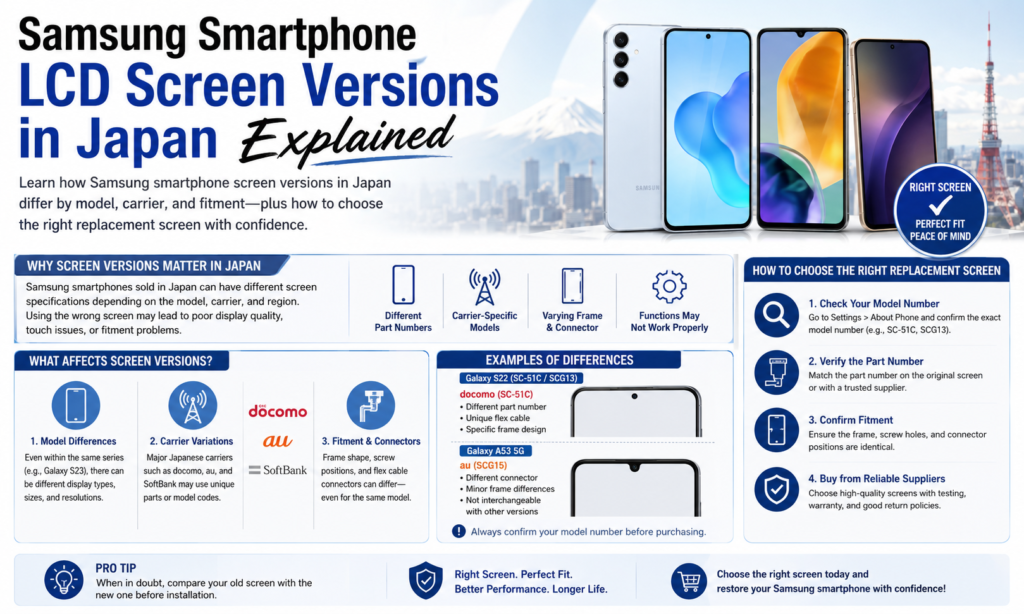
Γιατί οι εκδόσεις οθόνης Samsung στην Ιαπωνία είναι διαφορετικές
Εάν εργάζεστε σε επισκευή κινητών, ανακαίνιση τηλεφώνου, ή οθόνη χονδρικής, Ιαπωνία-αγορά Οθόνες smartphone Samsung μπορεί να αισθάνεται σαν κουτί παζλ. Με την πρώτη ματιά, ένα Galaxy S23 που πωλείται στην Ιαπωνία μοιάζει σχεδόν πανομοιότυπο με αυτό που πωλείται στην Κορέα, Ευρώπη, ή των Η.Π.Α. Ίδια όμορφη οθόνη. Ίδιο μέγεθος. Ίδια premium αίσθηση στο χέρι. Αλλά μόλις ανοίξετε το τηλέφωνο—ή αρχίσετε να προμηθεύεστε ανταλλακτικά—οι διαφορές αρχίζουν να εμφανίζονται γρήγορα.
Εκεί γίνονται ενδιαφέροντα τα πράγματα.
Η Ιαπωνία είχε πάντα ένα μοναδικό οικοσύστημα smartphone. Οι μεταφορείς όπως NTT Docomo, au (KDDI), και περιστασιακά η SoftBank έχει προσαρμόσει ιστορικά τις συσκευές Samsung Galaxy ειδικά για την τοπική αγορά. Αυτό σημαίνει αριθμούς μοντέλων, υλικολογισμικό, επωνυμία φορέα, και μερικές φορές τα εσωτερικά στοιχεία διαφέρουν από τις καθολικές εκδόσεις. Για επιχειρήσεις επισκευής, ειδικά προμηθευτές οθόνης, αυτό έχει μεγαλύτερη σημασία από ό,τι συνειδητοποιούν οι περισσότεροι.
Οι επίσημες σελίδες υποστήριξης της Samsung για την Ιαπωνία συνεχίζουν να καταγράφουν τις τιμές επισκευής με βάση το ακριβές μοντέλο της ιαπωνικής αγοράς, με ξεχωριστό χειρισμό ανάλογα με το αν το τηλέφωνο είναι έκδοση κινητής τηλεφωνίας ή έκδοση χωρίς SIM κατασκευαστή. Αυτό και μόνο σου λέει κάτι σημαντικό: Η Samsung αντιμετωπίζει πολλές παραλλαγές ιαπωνικών Galaxy ανεξάρτητα μέσα στο οικοσύστημα υπηρεσιών.
Έτσι, εάν παραγγέλνετε οθόνες που βασίζονται μόνο στην "οθόνη Galaxy S23,«Μπορεί ήδη να παίζετε τυχερά παιχνίδια.
Και σε κανέναν δεν αρέσει ο τζόγος με απόθεμα.
Η αγορά smartphone της Ιαπωνίας με γνώμονα τους μεταφορείς
Σε αντίθεση με πολλές περιοχές όπου κυριαρχούν τα ξεκλείδωτα τηλέφωνα, Η Ιαπωνία αναπτύχθηκε γύρω από το υλικό για συγκεκριμένο φορέα. Για χρόνια, Η αγορά ενός τηλεφώνου Galaxy συχνά σήμαινε απευθείας αγορά Docomo ή au.
Αυτή η σχέση κινητής τηλεφωνίας δημιούργησε τοπικές εκδόσεις συσκευών όπως π.χ:
- SC-51D
- SCG19
- SC-53B
- SCV42
Σε έναν καταναλωτή, αυτά μοιάζουν με τυχαία γράμματα.
Σε τεχνικό επισκευής, αυτά τα γράμματα αποφασίζουν αν θα χωρέσει η οθόνη — ή αν θα γίνει ακριβό νεκρό απόθεμα.
Οι εκδόσεις ιαπωνικού φορέα συχνά περιλαμβάνουν:
- μοναδικό υλικολογισμικό
- οθόνες εκκίνησης φορέα
- συγκεκριμένος συντονισμός δικτύου
- περιφερειακές σημάνσεις πιστοποίησης
- ελαφρώς διαφορετικά συγκροτήματα πλαισίου
Μερικές φορές το ίδιο το πάνελ της οθόνης είναι πανομοιότυπο.
Μερικές φορές μόνο η OLED είναι πανομοιότυπη αλλά το πλαίσιο διαφέρει.
Μερικές φορές η διάταξη του εύκαμπτου καλωδίου αλλάζει αρκετά ώστε να προκαλέσει προβλήματα εγκατάστασης.
Αυτή η μικροσκοπική λεπτομέρεια μπορεί να μετατρέψει μια επισκευή 30 λεπτών σε πονοκέφαλο τριών ωρών.
Τοπικοί αριθμοί μοντέλων και παραλλαγές υλικού
Το σύστημα ονομασίας της Samsung γίνεται πολύ πιο εύκολο μόλις μάθετε πώς να το διαβάσετε.
Παραδείγματα:
| Συσκευή | Παγκόσμιο μοντέλο | Docomo Japan | στην Ιαπωνία |
|---|---|---|---|
| Galaxy S23 | SM-S911B | SC-51D | SCG19 |
| Galaxy S24 | SM-S921B | SC-51E | SCG25 |
| Galaxy Z Fold5 | SM-F946B | SC-55D | SCG22 |
| Galaxy S10 | SM-G973F | SC-03μεγάλο | SCV41 |
Ίδια οικογένεια τηλεφώνων.
Διαφορετική εσωτερική αναφορά.
Διαφορετικό απόθεμα υπηρεσιών.
Αυτό έχει μεγαλύτερη σημασία κατά την προμήθεια:
- συγκροτήματα οθόνης
- προσαρτημένες οθόνες στο μεσαίο πλαίσιο
- ψηφιοποιητές αφής
- ευέλικτες υποδοχές οθόνης
Η αγορά μόνο με το όνομα της σειράς Galaxy δεν αρκεί.
Ο κωδικός μοντέλου έχει σημασία.
Πάντοτε.
Κατανόηση της τεχνολογίας οθόνης Samsung
Οι άνθρωποι συχνά αναζητούν «Αντικατάσταση οθόνης LCD της Samsung,"αλλά εδώ είναι το αστείο μέρος:
Τα περισσότερα σύγχρονα τηλέφωνα Samsung —ειδικά στην Ιαπωνία— δεν χρησιμοποιούν στην πραγματικότητα την παραδοσιακή οθόνη LCD.
Χρησιμοποιούν AMOLED.
Και ναι, ότι η διάκριση έχει μεγάλη σημασία.
AMOLED vs OLED vs LCD Επεξήγηση
Ας το κρατήσουμε απλό.
Σκεφτείτε την τεχνολογία οθόνης όπως ο φωτισμός ενός δωματίου.
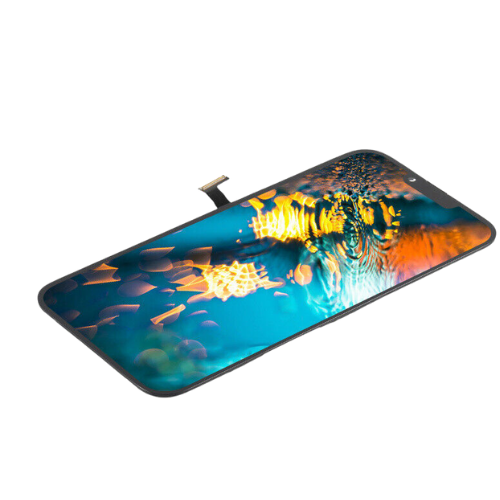
οθόνη υγρού κρυστάλλου είναι σαν να λάμπει ένας φακός μέσα από χρωματιστό γυαλί.
Έχετε πάντα οπίσθιο φωτισμό.
Τα ίδια τα pixel δεν δημιουργούν φως.
OLED λειτουργεί διαφορετικά.
Κάθε pixel φωτίζεται ξεχωριστά.
Δεν υπάρχει φακός πίσω από αυτό.
Μόλις εκατομμύρια μικροσκοπικά ανεξάρτητα φώτα.
AMOLED είναι η προηγμένη έκδοση OLED της Samsung.
Προσφέρει:
- βαθύτερα μαύρα
- υψηλότερη αντίθεση
- πιο λεπτή κατασκευή
- χαμηλότερη κατανάλωση ενέργειας
- πλουσιότερη αναπαραγωγή χρωμάτων
Αυτό το χαρακτηριστικό Galaxy look?
Αυτό το σούπερ μαύρο μαύρο όταν η οθόνη είναι σβηστή?
Αυτό είναι AMOLED.
Οι κοινοτικές συζητήσεις σχετικά με τις επισκευές της Samsung συνεχίζουν να επισημαίνουν ότι οι γνήσιες οθόνες αντικατάστασης Samsung παραμένουν AMOLED και όχι LCD, ενώ πολλές αντικαταστάσεις χαμηλού κόστους χρησιμοποιούν υποκατάστατα LCD με χαμηλότερη ποιότητα και μειωμένη απόδοση.
Γιατί η Samsung χρησιμοποιεί κυρίως πάνελ AMOLED
Η Samsung Display είναι ένας από τους μεγαλύτερους κατασκευαστές OLED στον κόσμο.
Έτσι φυσικά, Τα τηλέφωνα Samsung επιδεικνύουν αυτή τη δύναμη.
Οι περισσότερες συσκευές Galaxy της Ιαπωνικής αγοράς—από τη ναυαρχίδα της σειράς S έως τα μοντέλα Fold και Flip—χρησιμοποιούν:
- Δυναμική AMOLED
- Δυναμική AMOLED 2x
- Super AMOLED
Πρόσφατες επίσημες ιαπωνικές σελίδες τιμών επισκευής αντικατάστασης εμφάνισης για συσκευές όπως Galaxy S24, S25, και S26 οικογένειες, όλα χτισμένα γύρω από την τεχνολογία οθόνης AMOLED της Samsung.
Για συνεργεία επισκευής, Αυτό σημαίνει ότι οι γνήσιες αντικαταστάσεις οθόνης τείνουν να παραμείνουν σε υψηλή τιμή σε σύγκριση με τις αντικαταστάσεις LCD iPhone.
Αυτό είναι φυσιολογικό.
Είναι η τεχνολογία.
Κύριες εκδόσεις τηλεφώνου Samsung που πωλούνται στην Ιαπωνία
Τώρα ας αναλύσουμε τις πραγματικές εκδόσεις που θα βλέπετε πιο συχνά σε κανάλια επισκευής και χονδρικής.
Εκδόσεις Docomo
Η Docomo υπήρξε ιστορικά ο ισχυρότερος συνεργάτης της Samsung στην Ιαπωνία.
Αυτά είναι εξαιρετικά κοινά στην αγορά μεταχειρισμένων.
Τα παραδείγματα περιλαμβάνουν:
- SC-02H
- SC-03μεγάλο
- SC-51A
- SC-51D
- SC-53E
Παραδείγματα κοινών ονομάτων μοντέλων
Galaxy S7 Edge:
- Καθολικός: SM-G935
- Docomo Japan: SC-02H
Galaxy S23:
- Καθολικός: SM-S911
- Docomo Japan: SC-51D
Αυτές οι εκδόσεις ενδέχεται να μοιράζονται το ίδιο μέγεθος οθόνης ενώ διαφέρουν ως προς την κωδικοποίηση του πλαισίου ή του συγκροτήματος σέρβις.
στις Εκδόσεις
Η αγορά au/KDDI είναι επίσης μεγάλη.
Συνηθισμένα παραδείγματα:
- SCV33
- SCV41
- SCG19
- SCG25
Η συμβατότητα επισκευής είναι συχνά κοντά στο Docomo, αλλά ποτέ μην υποθέτεις.
Επαληθεύστε πάντα:
- θέση σύνδεσης οθόνης
- οπές στερέωσης πλαισίου
- τοποθέτηση αισθητήρα
- διάταξη κόλλας
Θέματα συμβατότητας
Μια οθόνη μπορεί:
- ενεργοποιήστε σωστά
- εμφάνιση της εικόνας σωστά
…αλλά και πάλι αποτυγχάνετε γιατί:
- ο αισθητήρας εγγύτητας δεν ευθυγραμμίζεται
- ο αισθητήρας δακτυλικών αποτυπωμάτων δεν βαθμονομείται
- τα κλιπ πλαισίου δεν ταιριάζουν
- Η τοποθέτηση της αδιάβροχης στεγανοποίησης διαφέρει
Αυτός είναι ο λόγος για τον οποίο οι επαγγελματίες προμηθευτές επισκευών συνήθως ταξινομούν το απόθεμα με βάση τον ακριβή κωδικό μοντέλου της Ιαπωνίας και όχι απλώς το "Galaxy S24".
Εκδόσεις Ιαπωνίας χωρίς SIM
Η Samsung Japan πουλάει επίσης εργοστασιακά ξεκλείδωτες συσκευές.
Αυτά φέρουν συνήθως αριθμούς μοντέλων όπως:
- SM-S918Q
- SM-S921Q
- SM-F946Q
Οι τρέχουσες σελίδες υποστήριξης της Samsung για την Ιαπωνία παραθέτουν ξεχωριστά αυτά τα μοντέλα χωρίς SIM της επωνυμίας του κατασκευαστή για τιμολόγηση επισκευής.
Αυτά είναι ολοένα και πιο σημαντικά επειδή η αγορά ξεκλείδωτων τηλεφώνων της Ιαπωνίας συνεχίζει να αυξάνεται.
Διαφορές μεταξύ ιαπωνικών οθονών Samsung
Αυτό είναι το τμήμα που νοιάζονται περισσότερο τα συνεργεία επισκευής.
Διότι εδώ συμβαίνει το κέρδος ή οι αποδόσεις.
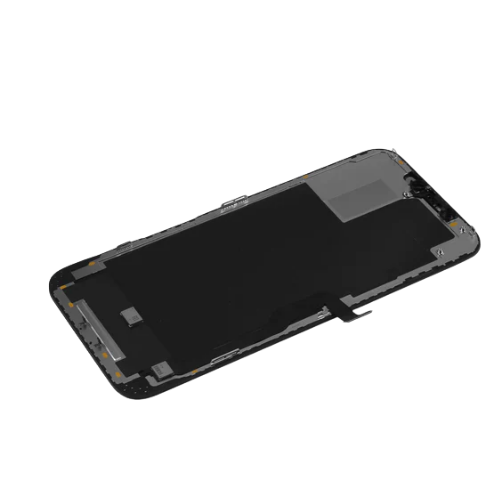
Διαφορές Flex Connector
Οι διαφορές Flex μπορούν να περιλαμβάνουν:
- διαφορετικό μήκος συνδετήρα
- διπλωμένη δρομολόγηση καλωδίων
- διαφορετική τοποθέτηση μαξιλαριού
- επιπλέον θωράκιση
Μία αναντιστοιχία σύνδεσης καθιστά ολόκληρη τη διάταξη άχρηστη.
Ακόμα κι αν το ίδιο το πάνελ είναι εντάξει.
Αυτός είναι ο λόγος που πολλοί χονδρέμποροι απαριθμούν:
- Μόνο OLED
- OLED + επαφή
- OLED με πλαίσιο
- Πλήρης συναρμολόγηση OLED
ως ξεχωριστά SKU.
Διαφορές συναρμολόγησης πλαισίου
Αυτό είναι το μεγαλύτερο κρυφό ζήτημα.
Η ίδια η OLED μπορεί να είναι καθολική.
Το πλαίσιο μπορεί να μην είναι.
Οι κοινές διαφορές περιλαμβάνουν:
- θέση οπής βίδας
- εγκοπές βραχίονα κεραίας
- πλευρική τοποθέτηση κουμπιών
- ευθυγράμμιση πλέγματος ηχείων
- Τοποθέτηση εξαρτημάτων NFC
Η αγορά συγκροτημάτων με πλαίσιο χωρίς έλεγχο του κωδικού έκδοσης είναι όπου συμβαίνουν πολλά λάθη.
Διαφορές φωτεινότητας και ρυθμού ανανέωσης
Γενικά, οι προδιαγραφές οθόνης παραμένουν πολύ παρόμοιες σε όλες τις περιοχές.
Για παράδειγμα, τα πρόσφατα μοντέλα της σειράς Galaxy S της Ιαπωνίας συνεχίζουν να αποστέλλονται με:
- 120Ποσοστό ανανέωσης Hz
- Υποστήριξη HDR
- υψηλή μέγιστη φωτεινότητα
- Ανάλυση QHD ή FHD+ ανάλογα με το μοντέλο
Οι πληροφορίες κυκλοφορίας του Galaxy S23 στην Ιαπωνία επιβεβαίωσαν τις ίδιες προδιαγραφές AMOLED 120Hz που βρέθηκαν παγκοσμίως.
Έτσι, η απόδοση συνήθως παραμένει σταθερή.
Η μηχανική συμβατότητα είναι το μεγαλύτερο πρόβλημα.
Επιλογή της σωστής οθόνης αντικατάστασης για τηλέφωνα Samsung Market Japan
Η αγορά μιας οθόνης Samsung για συσκευές της Ιαπωνικής αγοράς δεν είναι μόνο θέμα τιμής.
Αφορά τη διαχείριση κινδύνων.
OEM vs Pulled vs Refurbished vs Aftermarket
Εδώ είναι η γρήγορη σύγκριση.
| Τύπος | Ποιότητα | Τιμή | Συνιστάται |
|---|---|---|---|
| OEM Original | Εξοχος | Ψηλά | Καλύτερος |
| Τραβηγμένη οθόνη | Εξοχος | Μεσαίου-Υψηλού | Πολύ καλό |
| Ανακαινισμένο OLED | Καλός | Μέσον | Καλός |
| Aftermarket LCD | Χαμηλότερος | Χαμηλός | Μόνο προϋπολογισμός |
OEM: Ολοκαίνουργιο πρωτότυπο Samsung.
Τραβηγμένο: Καταργήθηκε από τα αρχικά τηλέφωνα.
Ανακαινισμένο: Γνήσια OLED με αντικατεστημένο γυαλί.
Aftermarket: Οθόνη αντιγραφής τρίτων.
Για συσκευές Galaxy της Ιαπωνικής αγοράς, τράβηξε και το OEM συνήθως παραμένει η πιο ασφαλής επιλογή.
Συνήθη λάθη που πρέπει να αποφεύγουν τα συνεργεία επισκευής
Τα πιο συνηθισμένα λάθη?
Αγορά μόνο μέσω τηλεφώνου.
Παράβλεψη κωδικών επιθημάτων.
Υποθέτοντας ότι όλες οι οθόνες της σειράς S είναι πανομοιότυπες.
Παραγγελία συγκροτημάτων με πλαίσιο χωρίς έλεγχο.
Ανάμειξη Docomo με παγκόσμιο απόθεμα χωρίς δοκιμή.
Η ασφαλέστερη ροή εργασίας μοιάζει με αυτό:
- Επιβεβαιώστε τον αριθμό μοντέλου στις Ρυθμίσεις ή στην πίσω ετικέτα
- Επιβεβαιώστε την ακριβή έκδοση εταιρείας κινητής τηλεφωνίας
- Κωδικός υπηρεσίας αγώνα
- Ταιριάξτε την έκδοση καρέ/χωρίς πλαίσιο
- Δοκιμή πριν από την πλήρη εγκατάσταση
Πέντε επιπλέον λεπτά εδώ μπορούν να εξοικονομήσουν εβδομάδες επιστροφών αργότερα.
Σύναψη
Οι οθόνες smartphone Samsung της αγοράς της Ιαπωνίας είναι αρκετά παρόμοιες ώστε να δημιουργούν αυτοπεποίθηση—και αρκετά διαφορετικές ώστε να δημιουργούν ακριβά λάθη.
Αυτό είναι που τους κάνει δύσκολους.
Εάν είστε συνεργείο κινητής τηλεφωνίας, μεταπωλητής ανταλλακτικών, ανακαινιστής, ή αγοραστής χονδρικής, το κλειδί είναι απλό:
Ποτέ μην αγοράζετε με βάση το όνομα Galaxy μόνο.
Επαληθεύστε πάντα:
- πλήρης αριθμός μοντέλου
- έκδοση φορέα
- διαμόρφωση πλαισίου
- Τύπος OLED
- διάταξη σύνδεσης
Η ιαπωνική αγορά της Samsung συνεχίζει να αναπτύσσεται τόσο με συσκευές κινητής τηλεφωνίας όσο και με συσκευές Galaxy χωρίς SIM, πράγμα που σημαίνει ότι η ζήτηση για ακριβή αντικατάσταση οθονών θα συνεχίσει να αυξάνεται.
Και στην επιχείρηση επισκευής, η ακρίβεια ξεπερνά την ταχύτητα κάθε φορά.
Μια σωστή οθόνη αποφέρει κέρδος.
Η λάθος οθόνη γίνεται απόθεμα που κανείς δεν θέλει.
Αυτό είναι όλο το παιχνίδι.
Συχνές ερωτήσεις
1. Διαφέρουν οι ιαπωνικές οθόνες Samsung Galaxy από τις παγκόσμιες εκδόσεις?
Μερικές φορές ναι. Το πάνελ OLED μπορεί να είναι το ίδιο, αλλά συναρμολόγηση πλαισίου, ευέλικτη διάταξη καλωδίου, ή τα ειδικά εξαρτήματα του φορέα ενδέχεται να διαφέρουν ανάλογα με το ακριβές μοντέλο.
2. Τα τηλέφωνα Samsung στην Ιαπωνία χρησιμοποιούν LCD ή AMOLED;?
Τα περισσότερα σύγχρονα τηλέφωνα Samsung που πωλούνται στην Ιαπωνία χρησιμοποιούνται AMOLED, όχι LCD.
3. Μπορούν οι οθόνες Docomo και au Galaxy να είναι εναλλάξιμες?
Μερικές φορές — αλλά όχι πάντα. Επαληθεύετε πάντα τον ακριβή κωδικό μοντέλου πριν την παραγγελία.
4. Ποια είναι η ασφαλέστερη οθόνη αντικατάστασης για ιαπωνικά τηλέφωνα Samsung?
Οι πρωτότυπες ή γνήσιες τραβηγμένες οθόνες OEM είναι γενικά οι ασφαλέστερες και πιο αξιόπιστες.
5. Γιατί οι ανταλλακτικές οθόνες Samsung είναι ακριβές στην Ιαπωνία?
Επειδή τα γνήσια πάνελ AMOLED της Samsung είναι εξαρτήματα υψηλής ποιότητας με ενσωματωμένα συγκροτήματα αφής και οθόνης, πωλούνται συχνά ως ολοκληρωμένες ενότητες.