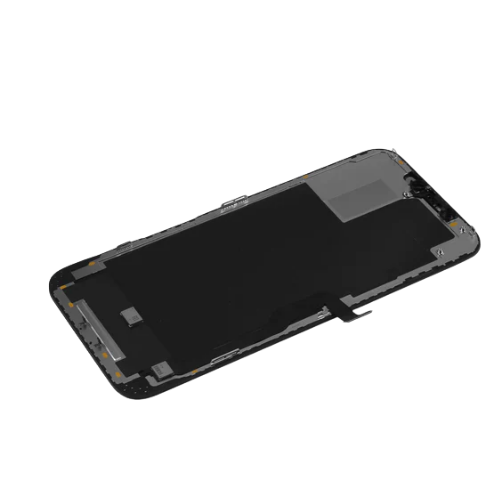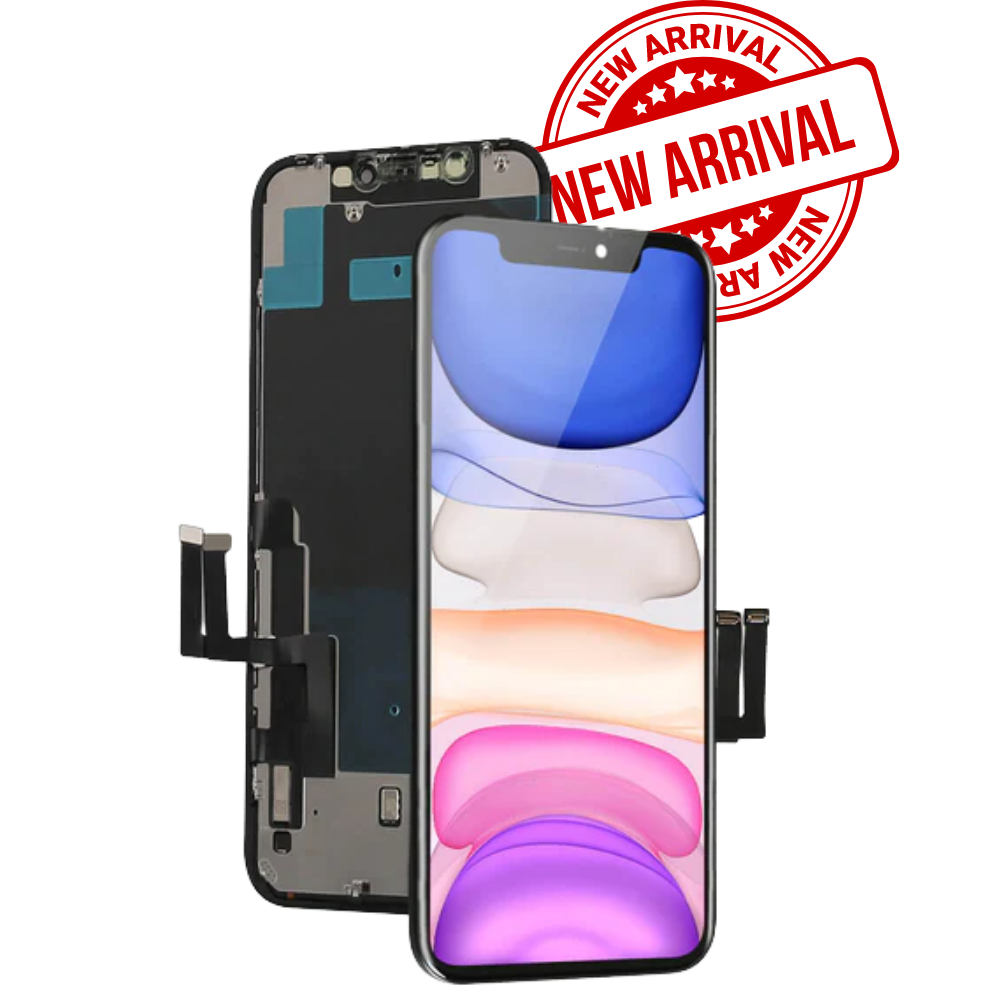

Úvod do vnitřní architektury smartphonu
Smartphony již nejsou jen komunikačními nástroji. Jsou to kompaktní superpočítače, přenosné kamery, zábavní centra, a osobní asistenti – vše zabaleno do něčeho, co se vám vejde do kapsy. Ale přemýšleli jste někdy, co se děje pod tím elegantním sklem a kovovým pláštěm?
Moderní smartphone je mistrovským dílem precizního inženýrství. Uvnitř, stovky komponent spolupracují v dokonalé harmonii. Pochopení těchto vnitřních částí vám pomůže pochopit, proč jsou chytré telefony výkonné, křehký, a drahé na opravu.
Přehled kategorií vnitřních součástí smartphonu
Na vysoké úrovni, vnitřní součásti smartphonu lze seskupit do tří hlavních kategorií:
- Základní funkční komponenty – Ty definují výkon a schopnosti
- Konstrukční komponenty – Tyto poskytují podporu, ochrana, a fyzické interakce
- Pomocné a senzorové komponenty – Umožňují inteligentní vnímání a interakci s prostředím
Myslete na to jako na lidské tělo: mozek a srdce, kostra a svaly, a smysly a nervy.
Základní funkční komponenty – hnací síly výkonu
Základní deska – mozek a centrální nervový systém
Základní deska je srdcem smartphonu. Každý hlavní komponent se k němu přímo či nepřímo připojuje. Kdyby telefon byl město, základní deskou by byla radnice, elektrické sítě, a datové centrum dohromady.
CPU – Centrální procesorová jednotka
CPU je řídící centrum. Zvládá výpočty, spouští aplikace, řídí systémové úlohy, a řídí celkový provoz. Rychlejší procesory znamenají plynulejší multitasking a lepší výkon.
GPU – Graphics Processing Unit
GPU se stará o vizuální prvky – herní grafiku, přehrávání videa, animace, a UI efekty. Bez silného GPU, moderní hry a displeje s vysokým rozlišením by měly potíže.
RAM – pracovní paměť
RAM ukládá aktivní aplikace a procesy. Více paměti RAM znamená menší zpoždění při přepínání aplikací a plynulejší multitasking. Je to jako stůl – větší stoly pojmou více dokumentů najednou.
Úložný čip – Interní úložiště dat
Zde jsou vaše systémové soubory, aplikace, Fotografie, a videa živě. Rychlejší úložiště zkracuje dobu spouštění, načítání aplikace, a přenosy souborů.
Řízení napájení a komunikační čipy
Tyto menší čipy regulují napětí, spravovat nabíjení, zvládnout dekódování zvuku, a podporují bezdrátovou komunikaci. Jsou to hrdinové ze zákulisí.
Baterie – zdroj energie
Žádná síla, žádný telefon. Baterie udrží vše při životě.
Lithium-Ion vs Lithium-Polymerové baterie
Většina smartphonů používá lithium-iontové nebo lithium-polymerové baterie. Nabízejí vysokou hustotu energie, dlouhá životnost, a lehký design.
Design nevyjímatelné baterie
Moderní telefony utěsňují baterie uvnitř šasi, aby se zlepšila odolnost proti vodě a pevnost konstrukce. Nevýhodou? Vlastní výměna se stává riskantní.
Sestava displeje – vizuální rozhraní
Obrazovka je to, s čím nejčastěji komunikujete, a je to složitější, než to vypadá.
Zobrazovací panely: LCD, OLED, AMOLED
- LCD: Nákladově efektivní a světlé
- OLED/AMOLED: Lepší kontrast, hlubší černoši, a nižší spotřebu energie
Klepněte na Integrace vrstev
Dotyková vrstva detekuje pohyby a gesta vašich prstů. Ve většině moderních telefonů, je spojen přímo s displejem.
Ochrana krycího skla
Vnější sklo chrání vše pod ním. Materiály jako Gorilla Glass odolávají poškrábání a menším nárazům.
Moduly fotoaparátu – Oči smartphonu
Kvalita fotografování chytrými telefony explodovala, díky pokročilým kamerovým systémům.
Zadní kamerové systémy
Většina telefonů má nyní několik zadních fotoaparátů – hlavní, ultraširoký, teleobjektiv – každý je navržen pro specifické scénáře fotografování.
Moduly přední kamery
Používá se pro selfie, videohovory, a rozpoznávání obličeje, přední kamery jsou menší, ale vysoce optimalizované.
Klíčové součásti modulu kamery
Každý fotoaparát obsahuje objektivy, obrazový snímač, a zaostřovacím motorem. Drobné pohyby vytvářejí ostré, detailní obrázky.
Komunikační moduly – zůstat ve spojení
Smartphony jsou komunikační velmoci.
Moduly celulární sítě
Ty připojí váš telefon k 2G, 3G, 4G, a 5G sítí.
Moduly Wi-Fi a Bluetooth
Obvykle je integrován do základní desky, tyto umožňují bezdrátový internet, Příslušenství, a spárování zařízení.
Moduly GPS a GNSS
Ty zvládají navigaci a sledování polohy, ať už řídíte nebo běháte.
NFC čipy
NFC umožňuje bezkontaktní platby a rychlé datové přenosy. Pohodlí klepnutí a chození v celé své kráse.
Konstrukční prvky – podpora, Ochrana, a Interakce
Středový rám a podvozek
Středový rám funguje jako kostra telefonu. Drží základní desku, baterie, a další díly v přesném zarovnání.
Materiály a design zadního krytu
Sklo, keramický, kov, nebo plast – každý materiál ovlivňuje životnost, sílu signálu, a cítit se v ruce.
Reproduktory – Systémy pro výstup zvuku
Většina telefonů obsahuje spodní reproduktor a sluchátkový reproduktor, často spolupracují pro stereo zvuk.
Mikrofony – Zachytávání hlasu a zvuku
Více mikrofonů zlepšuje srozumitelnost hovoru a umožňuje potlačení šumu během nahrávání.
Vibrační motor – hmatová zpětná vazba
Lineární motory poskytují rafinovanou hmatovou zpětnou vazbu, psaní a upozornění budou přirozenější.
Fyzická tlačítka
Moc, objem, a tlačítka ztlumení se připojují pomocí flexibilních kabelů. Jednoduché díly, ale rozhodující pro použitelnost.
Porty a sloty pro karty
Nabíjecí porty, Zásobníky SIM, a – zřídka – konektory pro sluchátka umožňují napájení, data, a konektivitu.
Pomocné a senzorové komponenty – Smart Environmental Interaction
Systémy tepelného managementu a chlazení
Vysoce výkonné čipy generují teplo. Grafitové desky, měděné trubky, a parní komory udržují teplotu pod kontrolou.
Environmentální a pohybové senzory
Senzory přiblížení a okolního světla
Během hovorů vypnou obrazovku a automaticky upraví jas.
Akcelerometr a gyroskop
Ty detekují pohyb, orientace, a rotace – nezbytné pro hraní her, sledování kondice, a navigace.
Magnetometr a barometr
Umožňují funkci kompasu a zlepšují přesnost nadmořské výšky.
Senzory teploty barev
Tyto upravují vyvážení bílé obrazovky pro přirozenější sledování.
Moduly biometrické identifikace
Systémy rozpoznávání otisků prstů
Boční montáž, in-display, nebo snímače pod obrazovkou nabízejí rychlé a bezpečné odemykání.
3D Moduly pro rozpoznávání tváře
Pokročilé systémy využívají infračervené a hloubkové mapování pro vysoce bezpečnou autentizaci obličeje.
Interiér smartphonu jako miniaturní město
Představte si smartphone jako malé město:
- The základní deska je radnice
- The CPU/GPU jsou obchodní čtvrti
- The baterie je elektrárna
- Kamery jsou oči
- Senzory jsou sledovací a monitorovací stanice
- Reproduktory a mikrofony jsou vysílací systémy
- Rám a šrouby jsou silnice a základy
Všechno funguje hladce – dokud se něco nerozbije.
Důležité informace o opravách a bezpečnosti
Moderní smartphony jsou pevně integrované a silně přilepené. Jeden chybný pohyb při demontáži může poškodit více součástí.
Neprofesionálové by se měli vyvarovat kutilských oprav. Profesionální nástroje, zažít, a kontrolované prostředí je nezbytné.
Závěr
Smartphone je mnohem víc než jen obrazovka a baterie. Je to hustá síť přesných komponent, které spolupracují jako živý systém. Od výkonné základní desky až po drobné senzory skryté pod sklem, každá část hraje roli. Pochopení těchto vnitřních součástí nejen prohlubuje uznání, ale také vysvětluje, proč moderní smartphony vyžadují pečlivé zacházení a profesionální opravu.
Časté časté
1. Proč již nejsou vyjímatelné baterie smartphonu?
Pro zlepšení trvanlivosti, hydroizolace, a efektivitu vnitřního prostoru.
2. Která součást nejvíce ovlivňuje výkon smartphonu?
CPU, podporuje RAM a rychlost úložiště.
3. Jsou OLED obrazovky lepší než LCD?
Obecně ano, díky lepšímu kontrastu a energetické účinnosti.
4. Proč moderní telefony potřebují chladicí systémy?
Vysoce výkonné čipy generují teplo, které musí být řízeno, aby nedošlo k škrcení.
5. Je bezpečné opravovat smartphone doma?
Nedoporučuje se. Vysoká integrace a použití lepidla činí opravy svépomocí riskantními.