
Εισαγωγή
Spain’s smartphone market has undergone major shifts from 2019 να 2025. Κάποτε κυριαρχούσαν η Samsung και η Huawei, τώρα διευθύνεται από την Apple, Samsung, και Xiaomi. Συγχρόνως, Spain’s mobile repair ecosystem — one of the most mature in Europe — has expanded steadily as consumer demand for affordable repairs grows under EU sustainability policies.
This market research report compiles findings from StatCounter, Kantar, IBISWorld, Eurobarometer, and multiple academic studies to present a full picture of Spain’s mobile and repair markets.
Εκτελεστική Περίληψη
Μεταξύ 2019 και 2025, Spain’s smartphone brand landscape transformed dramatically.
- 2019: Samsung led with 28.3%, followed by Huawei (20.7%) and Apple (18.9%).
- 2025: μήλο (27.6%), Samsung (26.8%), και Xiaomi (23.9%) επικρατώ.
Εν τω μεταξύ, ο repair sector has grown with a CAGR of ~3.6%, hosting over 4,000 εγγεγραμμένες επιχειρήσεις επισκευής. Screen and battery replacements remain the top services, driven by the popularity of OLED displays and higher device prices.
Consumer behavior is shifting — surveys show 77% of Spaniards prefer to repair αντί να αντικαταστήσετε συσκευές, αν και το κόστος και η πρόσβαση σε ανταλλακτικά παραμένουν εμπόδια.
Μεθοδολογία & Πηγές δεδομένων
Αυτή η ανάλυση βασίζεται σε πολλαπλά σύνολα δεδομένων και αναφορές:
- StatCounter για μερίδιο αγοράς προμηθευτών (με βάση την κυκλοφορία)
- Kantar και Αντίστιξη για πωλήσεις μονάδων και κορυφαία μοντέλα
- IBISWorld για τη δομή της βιομηχανίας επισκευών της Ισπανίας
- Ακαδημαϊκές πηγές και πηγές της ΕΕ για τη συμπεριφορά των καταναλωτών και τις τάσεις «Δικαίωμα επισκευής».
Οι διαφορές στη μεθοδολογία αναγνωρίζονται — το StatCounter αντικατοπτρίζει ενεργητική χρήση, ενώ ο Καντάρ παρέχει στοιχεία πωλήσεων. Συνδυασμένη, αποτελούν μια αξιόπιστη επισκόπηση του οικοσυστήματος smartphone της Ισπανίας.
Επισκόπηση αγοράς (2019–2025)
Η ισπανική αγορά smartphone αντικατοπτρίζει παγκόσμια μοτίβα αλλά με μοναδικές τοπικές ανατροπές:
- Αρχές της δεκαετίας, Huawei και Samsung κυριάρχησε.
- Οι Η.Π.Α. εμπορική απαγόρευση είναι η Huawei (2019–2020) προκάλεσε α ταχεία απώλεια μεριδίου.
- Xiaomi, με οικονομικά και πλούσια σε δυνατότητες τηλέφωνα, γέμισε αυτό το κενό.
- μήλο κέρδισε μερίδιο σταθερά, ενισχύθηκε από τη χρηματοδότηση με δόσεις και τα προγράμματα συναλλαγών που είναι δημοφιλή στην Ισπανία.
Εξέλιξη μεριδίου αγοράς επωνυμίας
2019 Στιγμιότυπο
- Samsung: 28.3%
- Huawei: 20.7%
- μήλο: 18.9%
2025 Στιγμιότυπο
- μήλο: 27.6%
- Samsung: 26.8%
- Xiaomi: 23.9%
Η μετάβαση τονίζει το πτώση της Huawei και άνοδος της Xiaomi, ενώ η Apple εδραίωσε την premium ηγετική της θέση.
Η πτώση της Huawei και η άνοδος της Xiaomi
Η πτώση της Huawei ξεκίνησε με τις Η.Π.Α. κυρώσεις που περιορίζουν τις υπηρεσίες Google Mobile. Με 2021, Το μερίδιό της είχε καταρρεύσει σε ολόκληρη την Ευρώπη. Η Xiaomi άδραξε αυτή την ευκαιρία, προσφέροντας smartphones αξίας για τα χρήματα με ισχυρές προδιαγραφές και αξιόπιστες ενημερώσεις MIUI — ιδανικό για Ισπανούς αγοραστές που γνωρίζουν το κόστος.
Η μάχη της Apple και της Samsung για την Premium κυριαρχία
Η Apple διατήρησε μια πιστή βάση πελατών και βελτίωσε τα σχέδια χρηματοδότησης μέσω παρόχων όπως η Movistar και η Orange. Η Samsung αντιμετώπισε ανταγωνιστικά μοντέλα όπως το Σειρά Galaxy S και Μια σειρά, συλλαμβάνοντας τόσο premium όσο και μεσαίου εύρους χρήστες.
Με 2025, Και οι δύο μάρκες είναι σχεδόν αλληλένδετες, διαχωρίζοντας το τμήμα premium ενώ η Xiaomi κατέχει το μερίδιο από τον προϋπολογισμό έως τη μεσαία κατηγορία.
Μοντέλα Smartphone με τις καλύτερες πωλήσεις (2019–2025)
- 2019: Samsung Galaxy A50, Α40, και κυριάρχησε το Huawei P30 Lite.
- 2021–2023: iPher 12/13/14 μοντέλα οδήγησαν σε premium πωλήσεις; Xiaomi Redmi Note και Samsung A-series led mid-tier.
- 2024–2025: iPher 15 και 16 Η σειρά έγινε τα τηλέφωνα με τις μεγαλύτερες πωλήσεις, ενώ το Xiaomi Redmi Note 13 και το Galaxy A55 εξασφάλισαν ισχυρές βαθμολογίες.
Οι εποχιακές αυξήσεις της Apple κατά τα παράθυρα εκκίνησης δείχνουν σταθερή κυριαρχία, ενώ οι επωνυμίες Android διατηρούν σταθερές πωλήσεις όλο το χρόνο.
Η ισπανική αγορά επισκευής κινητών τηλεφώνων
Δομή του κλάδου
Σύμφωνα με το IBISWorld, Η Ισπανία φιλοξενεί γύρω 4,012 ενεργές επιχειρήσεις επισκευής, με μικρά, ανεξάρτητα καταστήματα κυριαρχούν στη σκηνή. Ο μέσος όρος ανάπτυξης μεταξύ 2019-2024 3.6% ετησίως, καθοδηγείται από το κίνημα της οικονομικής προσιτότητας και της βιωσιμότητας.
Αντικαταστάσεις οθόνης και μπαταριών
Η βλάβη της οθόνης είναι ο πιο συχνός τύπος επισκευής, αντιπροσωπεύοντας 60–70% όλων των αιτημάτων επισκευής smartphone. Οι αντικαταστάσεις μπαταριών ακολουθούν στενά καθώς οι συσκευές γερνούν πέραν των δύο ετών.
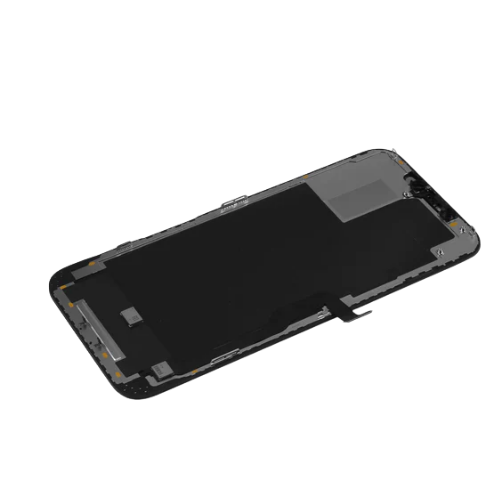
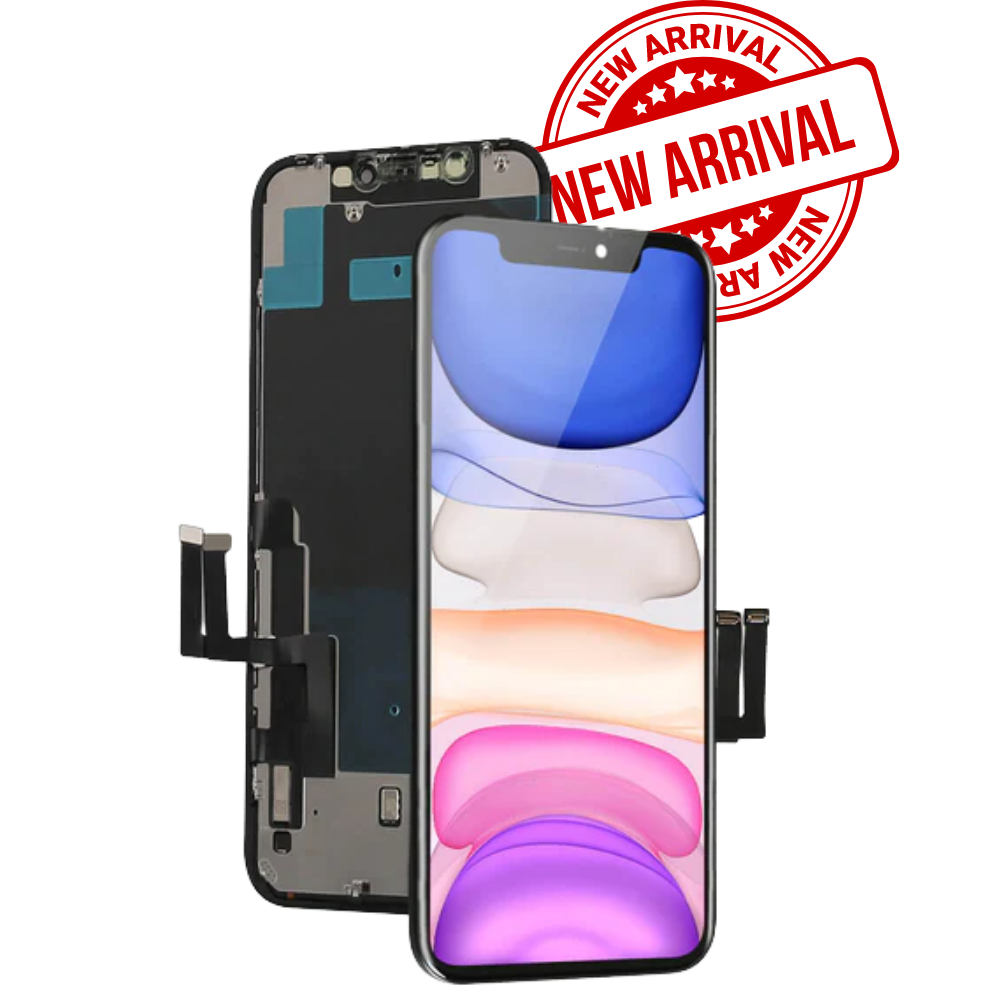
Με νεότερα πάνελ OLED που αντικαθιστούν παλαιότερες οθόνες LCD, Η πολυπλοκότητα της επισκευής — και το κόστος — έχει αυξηθεί. Πολλά ισπανικά καταστήματα επισκευής διαθέτουν ανταλλακτικά OEM ή υψηλής ποιότητας aftermarket για να διατηρήσουν ανταγωνιστικές τιμές.
Τεχνολογία προβολής & Ανταλλακτικά
Με 2024, Πάνελ AMOLED/OLED προσπέρασε οθόνη υγρού κρυστάλλου ως βιομηχανικό πρότυπο. Τα περισσότερα νέα τηλέφωνα στην Ισπανία (μήλο, Samsung, Xiaomi) διαθέτουν οθόνες OLED μεταξύ 6.1– 6,7 ίντσες, τυπικά με Ανάλυση FHD+.
Ως εκ τούτου, τα συνεργεία επισκευής δίνουν προτεραιότητα στην απογραφή για:
- Οθόνες της σειράς iPhone 13–16
- Samsung Α & Συγκροτήματα OLED σειράς S
- Ανταλλακτικά της σειράς Xiaomi Redmi Note
Τιμολόγηση και Περιθώρια
Τα επίσημα κέντρα σέρβις χρεώνουν σημαντικά περισσότερα για αντικαταστάσεις OEM (Π.χ., 250€–400€ για πάνελ OLED), ενώ οι ανεξάρτητοι προσφέρουν παρόμοιες υπηρεσίες για 120–200 €. Τα μέσα μικτά περιθώρια κέρδους για ανεξάρτητα συνεργεία επισκευής κυμαίνονται γύρω 25–35%, ανάλογα με την αποδοτικότητα της προμήθειας.
Στάσεις των καταναλωτών απέναντι στις επισκευές
Έρευνες από το Ευρωπαϊκό Κοινοβούλιο και ισπανικά πανεπιστήμια επιβεβαιώστε το έντονο ενδιαφέρον επισκευής:
- 77% των καταναλωτών της ΕΕ (συμπεριλαμβανομένης της Ισπανίας) προτιμήστε την επισκευή από την αντικατάσταση.
- Τα κύρια εμπόδια είναι υψηλό κόστος επισκευής, άβολη πρόσβαση, και περιορισμένη διαθεσιμότητα εξαρτημάτων.
Οι τοπικές κυβερνήσεις της Ισπανίας έχουν ξεκινήσει πρωτοβουλίες όπως π.χ “κουπόνια επισκευής” και καφετέριες επισκευής, αύξηση της ευαισθητοποίησης και της συμμετοχής.
Εμπόδια στην επισκευή
- Ευαισθησία τιμής: Οι καταναλωτές συχνά συγκρίνουν το κόστος επισκευής με τις ανακαινισμένες αντικαταστάσεις.
- Προσιτότητα: Πολλές αγροτικές περιοχές στερούνται υποδομής επισκευής.
- Πληροφοριακά κενά: Η έλλειψη διαφάνειας σχετικά με τα ανταλλακτικά ή τις εγγυήσεις αποθαρρύνει τις αποφάσεις επισκευής.
Μελλοντική Πολιτική & Ευκαιρίες αγοράς
της ΕΕ Δικαίωμα επισκευής νόμος, αναμένεται να εφαρμοστεί πλήρως από 2026, θα απαιτήσει από τους κατασκευαστές να διαθέτουν ανταλλακτικά και εγχειρίδια επισκευής. Αυτό θα είναι πιθανό ενίσχυση της δραστηριότητας επισκευής και δημιουργία νέων επιχειρηματικών ευκαιριών για τις ισπανικές ΜΜΕ.
Στρατηγικές Συστάσεις
Για Διανομείς Ανταλλακτικών
- Επικεντρωθείτε στην κάλτσα Συγκροτήματα οθόνης OLED και μπαταρίες για την Apple, Samsung, και Xiaomi.
- Δημιουργήστε άμεσες σχέσεις με επαληθευμένους προμηθευτές για να διατηρήσετε την ποιότητα.
Για Επισκευαστήρια
- Προσφορά γρήγορα, διαφανής τιμολόγηση και να προωθήσουν τα οφέλη αειφορίας.
- Εξετάστε το ενδεχόμενο συνεργασιών με ασφαλιστικούς παρόχους και τηλεπικοινωνιακούς φορείς για όγκο εργασιών.
Για Κατασκευαστές & Υπεύθυνοι χάραξης πολιτικής
- Βεβαιωθείτε ότι τα ανταλλακτικά και η τεχνική τεκμηρίωση είναι προσβάσιμα.
- Υποστηρίξτε εκστρατείες ευαισθητοποίησης των καταναλωτών που προωθούν την επισκευή αντί της αντικατάστασης.
Σύναψη
Μεταξύ 2019 και 2025, Οι αγορές smartphone και επισκευής της Ισπανίας εξελίχθηκαν από ένα δίπολο Huawei-Samsung σε α αγώνας τριών δρόμων μεταξύ της Apple, Samsung, και Xiaomi.
Ο τομέας των επισκευών έχει ωριμάσει, ώθηση από τις τάσεις βιωσιμότητας και τις νέες πολιτικές της ΕΕ. Ως Πάνελ OLED και μεγαλύτερη διάρκεια ζωής της συσκευής γίνει ο κανόνας, Οι επιχειρήσεις επισκευής έχουν την ευκαιρία να ευδοκιμήσουν — υπό την προϋπόθεση ότι προσαρμόζονται στις μεταβαλλόμενες τεχνολογίες και στις προσδοκίες των καταναλωτών.
Συχνές ερωτήσεις
1. Ποιες είναι οι κορυφαίες μάρκες smartphone στην Ισπανία 2025?
μήλο, Samsung, και η Xiaomi κυριαρχεί, μαζί κρατώντας πάνω 75% της αγοράς.
2. Γιατί η Huawei έχασε μερίδιο αγοράς στην Ισπανία?
ΜΑΣ. Οι κυρώσεις απέκλεισαν τις υπηρεσίες Google, μειώνοντας την ανταγωνιστικότητα της Huawei και προκαλώντας απότομη πτώση.
3. Ποιες είναι οι πιο συνηθισμένες επισκευές κινητών στην Ισπανία?
Οι αντικαταστάσεις οθόνης και μπαταριών είναι οι πιο συχνές, ακολουθούμενη από θύρα φόρτισης και επισκευές ζημιών από νερό.
4. Πώς θα επηρεάσει η νομοθεσία για το δικαίωμα επισκευής τους Ισπανούς καταναλωτές?
Θα κάνει πιο διαθέσιμα τα ανταλλακτικά και τα εγχειρίδια επισκευής, μείωση του κόστους και βελτίωση της βιωσιμότητας.
5. Σε ποια μοντέλα πρέπει να υπάρχουν ανταλλακτικά σε καταστήματα επισκευής 2025?
Σειρά iPhone 13–16, Σειρά Samsung Galaxy A/S, και μοντέλα της σειράς Xiaomi Redmi Note.