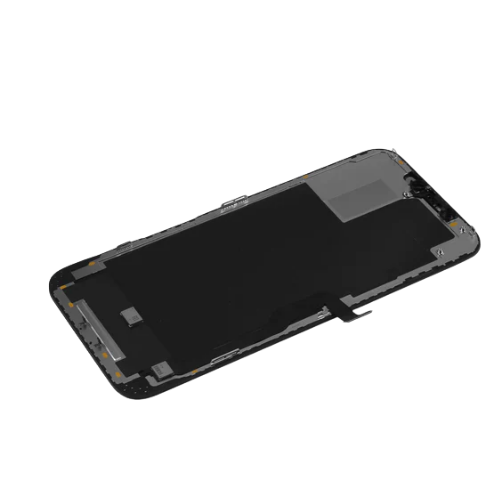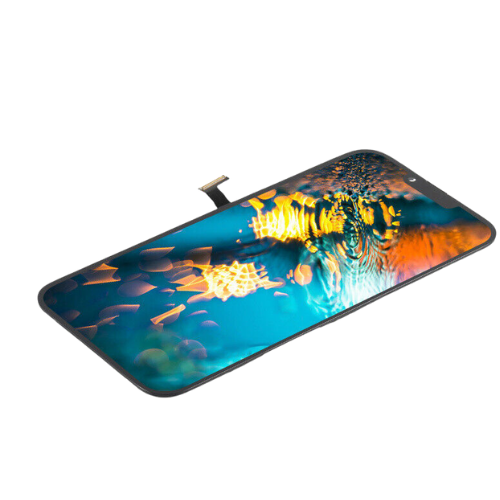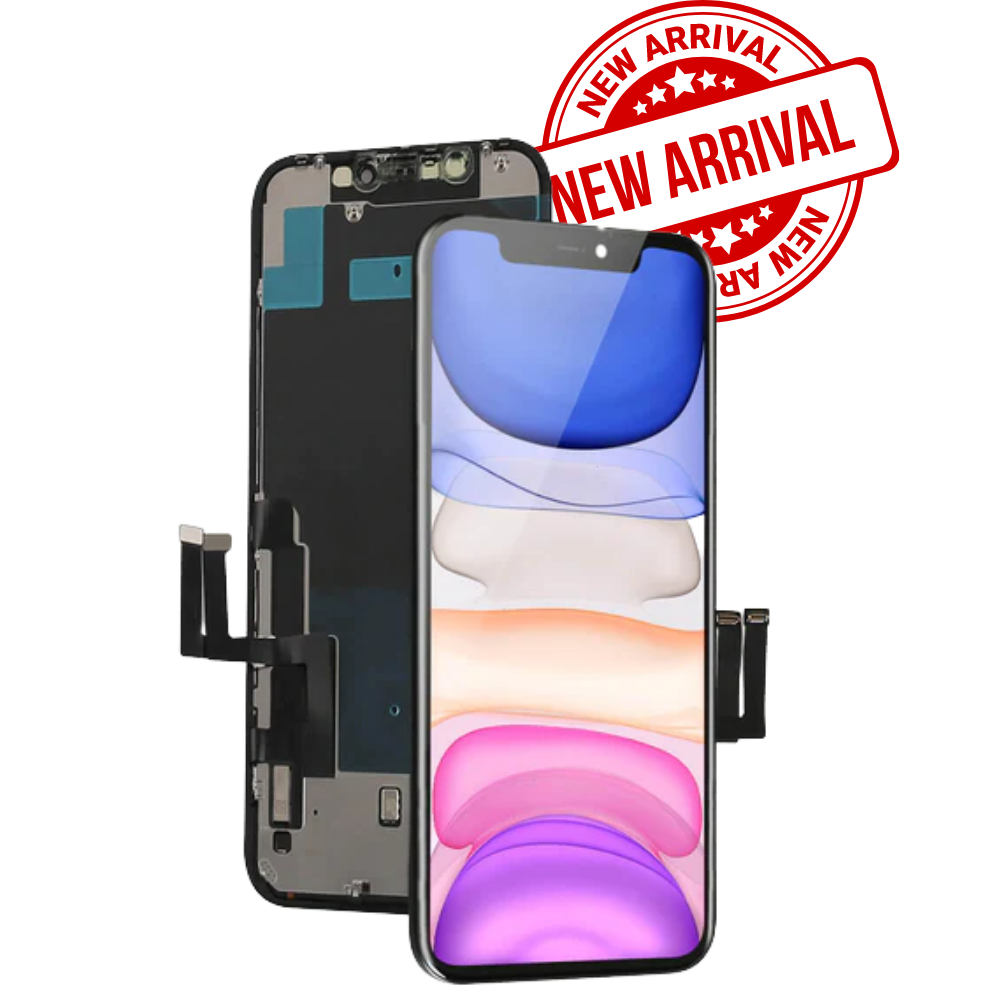
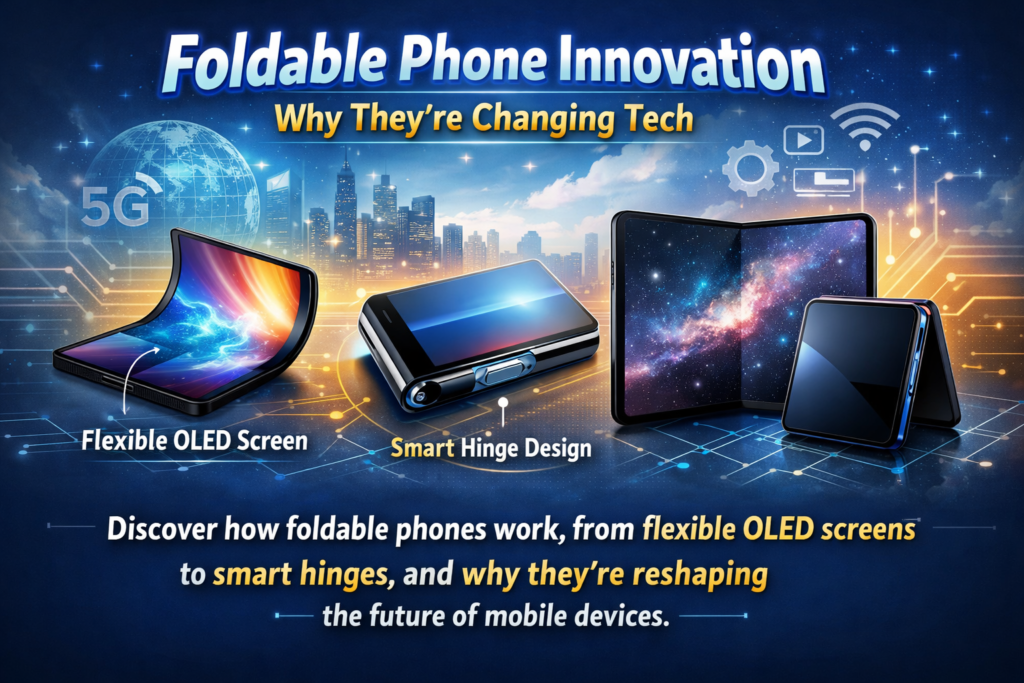
Úvod do inovace skládacího telefonu
Proč skládací telefony mění průmysl
Skládací smartphony již nejsou jen futuristické koncepty – jsou skutečné, použitelná zařízení, která mění způsob, jakým pracujeme s mobilní technologií. Přemýšlejte o tom: léta, smartphony měly stejný design pevných desek. Pak najednou, zařízení by se mohlo během několika sekund proměnit z kompaktního telefonu na obrazovku velikosti tabletu. Ten posun není jen kosmetický; zásadně mění uživatelskou zkušenost.
V 2026, skládací zařízení výrazně dospěla. Rané obavy jako křehké panty, viditelné záhyby, a špatná adaptace softwaru se řeší rychlými inovacemi. Podle nedávných průmyslových poznatků, skládací displeje jsou nyní „štíhlejší, robustnější, a mnohem praktičtější pro každodenní použití“ . Tento vývoj signalizuje, že skládací zařízení již nejsou experimentální – stávají se mainstreamovými alternativami.
Co to umožňuje? Vše spočívá ve dvou základních technologiích, které hladce spolupracují: flexibilní OLED displeje a přesné kloubové mechanismy. Bez této kombinace, skládací telefony by prostě neexistovaly.
Evoluce od pevných obrazovek k flexibilním obrazovkám
Tradiční obrazovky smartphonů se spoléhají na tvrdé skleněné substráty. Jsou silné, ale křehké – ohněte je, a roztříští se. Toto omezení definovalo design telefonu po celá desetiletí. Inženýři potřebovali způsob, jak učinit displeje ohýbatelnými, aniž by museli obětovat kvalitu obrazu nebo citlivost na dotyk.
Průlom přišel s flexibilní technologií OLED. Místo tvrdého skla, výrobci začali používat pokročilé polymery a ultratenké materiály, které se mohly opakovaně ohýbat. V kombinaci s mechanickými závěsnými systémy, tato inovace umožnila, aby se obrazovky skládaly jako papír – a přitom stále perfektně fungovaly.
Co dělá skládací telefon funkční
Kombinace displeje a strojního inženýrství
Ve svém jádru, skládací telefon je dokonalé manželství mezi věda o materiálech a strojírenství. Displej musí být dostatečně pružný, aby se mohl tisíckrát ohnout, zatímco závěs musí přesně a bezpečně vést tento ohýbací pohyb.
Představte si, že list plastu náhodně ohýbáte – zmačká se a zeslábne. Ale pokud ten pohyb vedete po kontrolované křivce, materiál vydrží mnohem déle. Přesně to dělají skládací telefony: pant ovládá, jak se obrazovka složí, snížení stresu v kritických oblastech.
Proč tradiční obrazovky nelze složit
Standardní LCD nebo tuhé OLED panely jsou postaveny na skle. Sklo netoleruje ohýbání – pod tlakem praská. Dokonce i ultratenké sklo (VYDÁNÍ), používané v moderních skládacích, potřebuje podporu z pružných vrstev, aby přežilo opakované skládání.
To je důvod, proč skládací telefony spoléhají na zcela nové architektury displejů. Bez výměny základních materiálů, skládání by bylo prostě nemožné.
Vysvětlení flexibilních OLED displejů
Od skla po plastové substráty
Nejdůležitější transformací ve skládacích zástěnách je nahrazení skla pružnými materiály.
Role polyimidu (PI) Materiály
Místo skla, použití skládacích displejů polyimid (PI)— vysoce výkonná plastová fólie. Jeho molekulární struktura se chová jako malý pružinový systém. Když je ohnutý, molekulární řetězce se natahují a rotují, rovnoměrné rozložení stresu místo jeho koncentrace na jedno místo.
To je důvod, proč PI při opakovaném ohýbání nepraská. Je to jako ohýbání tenkého kovového pravítka oproti praskání kusu skla – flexibilita vše změní.
Moderní skládací často kombinují PI s ultratenkými skleněnými vrstvami (30- tloušťka 70 mikronů) pro lepší trvanlivost a jasnost . Tento hybridní přístup vyvažuje flexibilitu a sílu.
Výhody samoemisivního OLED
Proč je OLED ideální pro flexibilitu
OLED (Organická světelná dioda) technologie je neodmyslitelně vhodná pro skládací zařízení. Na rozdíl od LCD, OLED pixely vyzařují vlastní světlo. To znamená:
- Žádná objemná vrstva podsvícení
- Celková tenčí struktura
- Větší flexibilita
Každý pixel funguje nezávisle, umožňuje, aby si displej zachoval jas a přesnost barev, i když je ohnutý. Tato samoemisní vlastnost mění hru – zjednodušuje strukturu a snižuje mechanická omezení.
Technologie flexibilní dotykové vrstvy
Grafen a vodivé materiály
Obrazovka není užitečná bez dotykové funkce. Skládací zařízení používají flexibilní vodivé materiály jako grafen nebo vrstvy kovové sítě pro snímání dotyku.
Tyto materiály si zachovávají elektrickou vodivost i při natahování nebo ohýbání. Použití kapacitního snímání, obrazovka detekuje dotykové vstupy stejně jako tradiční chytré telefony – aniž by byla ohrožena flexibilita.
Celý zásobník – displej, elektrody, a dotyková vrstva – je navržena tak, aby se ohýbala k sobě. Pokud selhala byť jen jedna vrstva, celý systém by se zhroutil.
Systém přesných pantů
Role pantů ve skládacích zařízeních
Pokud je flexibilní OLED „skin,"závěs je "kostra." Určuje, jak se zařízení složí, jak hladký je pohyb, a jak odolný je telefon v průběhu času.
Špatně navržený závěs může poškodit obrazovku, vytvořit hluboké záhyby, nebo selžou po opakovaném použití. To je důvod, proč výrobci hodně investují do konstrukce závěsů.
Typy pantů
Design pantu Water-Drop
Závěs s vodní kapkou umožňuje sklopit obrazovku spíše do jemné křivky než do ostrého úhlu. Tento design snižuje namáhání displeje a minimalizuje viditelné záhyby.
Moderní zařízení využívající tento design mohou dokonce zůstat částečně otevřená v různých úhlech, povolení režimů používání jako u notebooku.
Design závěsu na bázi ozubeného kola
Závěsy na bázi ozubených kol používají k přesnému ovládání pohybu vzájemně propojené mechanické součásti. Tyto systémy jsou vysoce stabilní a často obsahují vlastnosti odolnosti proti prachu a vodě.
Poskytují konzistentní zážitek ze skládání, zajistěte, aby obě poloviny zařízení dokonale lícovaly.
Trvanlivost a životnost
Testování cyklu skládání a skutečné použití
Odolnost je u skládacích telefonů hlavním problémem. Naštěstí, moderní panty jsou navrženy tak, aby vydržely.
Většina skládacích vlajkových lodí je hodnocena jako 200,000+ záhyby, s nějakým překročením 500,000 cykly při testování . To znamená roky každodenního používání – i když telefon otevíráte a zavíráte desítkykrát za den.
Mezi nedávné inovace patří:
- Samomazné materiály
- Vyztužené otočné konstrukce
- Těsnění odolné proti prachu
Tato vylepšení přeměnila panty ze slabých míst na spolehlivé komponenty.
Optimalizace softwaru pro skládací obrazovky
Adaptivní uživatelské rozhraní a kompatibilita aplikací
Samotný hardware nestačí. Skládací telefony vyžadují software, který se dynamicky přizpůsobuje změně tvaru obrazovky.
Když zařízení rozložíte, aplikace musí plynule měnit velikost. Rozvržení se musí okamžitě změnit z režimu telefonu do režimu tabletu. Bez tohoto, zážitek by působil neohrabaně a rozporuplně.
Bezproblémový přechod mezi režimy telefonu a tabletu
Moderní operační systémy jsou navrženy tak, aby tento přechod hladce zvládly. Můžete začít sledovat video na malé obrazovce a pokračovat na velké obrazovce bez přerušení.
Tato přizpůsobivost je to, co skutečně odemyká potenciál skládacích zařízení.
Klíčové výzvy ve skládací technologii
Tvorba záhybů a řešení
Jednou z největších výzev je viditelný záhyb podél linie ohybu. I když to obvykle neovlivňuje funkčnost, může ovlivnit vnímání uživatele.
Nedávné inovace tento problém snižují. Techniky jako panty s vodní kapkou, pokročilá lepidla, a vrstvené skleněné struktury pomáhají rovnoměrněji rozkládat napětí. Některé nové designy si dokonce nárokují téměř neviditelné záhyby .
Únava materiálu a dlouhodobá spolehlivost
Opakované ohýbání nevyhnutelně namáhá materiály. Postupem času, to může vést k mikrotrhlinám nebo snížení výkonu.
Výrobci to řeší:
- Vícevrstvé zobrazovací struktury
- Návrhy rozložení napětí
- Přísné testování odolnosti
I tak, zachování dlouhodobé spolehlivosti zůstává klíčovou technickou výzvou.
Výhody skládacích smartphonů
Velká obrazovka v kompaktní formě
Skládací telefony řeší dlouholetý problém: jak získat větší obrazovku bez zvětšení velikosti zařízení.
Získáte přenositelnost telefonu a produktivitu tabletu – vše v jednom zařízení.
Zvýšená produktivita a multitasking
S většími obrazovkami, uživatelé mohou:
- Spusťte více aplikací vedle sebe
- Upravujte dokumenty efektivněji
- Užijte si pohlcující mediální zážitky
Díky tomu jsou skládací zařízení obzvláště přitažlivé pro profesionály a náročné uživatele.
Budoucnost skládacích zařízení
Displeje bez záhybů a pokročilé materiály
Další hranicí je úplné odstranění záhybu. Firmy experimentují s novými materiály, lepidla, a návrhy závěsů k dosažení tohoto cíle.
Například, inovace v lepidlech pro rozložení napětí a ultratenkých sklech již vykazují slibné výsledky .
Růst trhu a průmyslové trendy
Ačkoli skládací zařízení v současné době představují malou část trhu smartphonů – přibližně 1.6% podíl -Růst neustále pokračuje.
Jak se snižují náklady a zlepšuje se životnost, očekává se, že adopce poroste. Skládací zařízení nemusí zcela nahradit tradiční telefony, ale vyřezávají si silný výklenek.
Závěr
Skládací smartphony představují jeden z nejzajímavějších pokroků v oblasti mobilních technologií. V jejich jádru, spoléhají na jednoduchý, ale výkonný koncept: kombinování flexibilní OLED displeje s precizně zpracované panty.
Tato kombinace umožňuje, aby se obrazovky opakovaně ohýbaly, aniž by se zlomily, při zachování plné funkčnosti displeje a dotyku. Přidejte optimalizaci softwaru, a získáte zařízení, které plynule přechází mezi telefonem a tabletem.
Nejde jen o inovace – jde o předefinování toho, čím chytrý telefon může být.
Časté časté
1. Jaká je základní technologie za skládacími telefony?
Skládací telefony se spoléhají na flexibilní OLED displeje v kombinaci s precizními mechanismy pantů, které umožňují opakované ohýbání bez poškození obrazovky.
2. Proč se místo LCD používají OLED displeje?
OLED displeje jsou tenčí, flexibilní, a self-emisivní, díky tomu jsou ideální pro skládací konstrukce.
3. Jak dlouho vydrží skládací telefony?
Většina moderních skládacích je testována na minimálně 200,000 záhyby, což se může promítnout do několika let pravidelného používání.
4. Snadno se rozbijí skládací obrazovky?
Dřívější modely měly problémy s odolností, ale současná zařízení jsou mnohem robustnější díky vylepšeným materiálům a konstrukcím pantů.
5. Nahradí skládací telefony tradiční smartphony?
Ne úplně, ale stávají se silnou alternativou pro uživatele, kteří chtějí větší obrazovky a lepší multitasking.