
Pasiuna
Nakahunahuna ka na ba kung ngano nga ang screen sa imong smartphone mas hapsay, nipis, ug mas responsive kay sa mga modelo gikan sa pipila ka tuig na ang milabay? Kana salamat sa paspas nga mga inobasyon sa paghikap integration teknolohiya. Gikan sa unang mga adlaw sa external touch panels hangtod sa sopistikado In-Cell ug On-Cell mga pamaagi, kini nga mga pag-uswag nagbag-o kung giunsa kita makig-uban sa atong mga aparato.
Atong susihon kon sa unsang paagi In-Cell, On-Cell, ug OGS (Usa ka Glass Solution) milambo, unsay nakapalahi nila, ug kung giunsa nila paghiusa aron mahimo ang labing kaayo nga kasinatian sa pagpakita.
Ang Ebolusyon sa Touchscreen Integration
Ang teknolohiya sa touchscreen nagsugod sa usa ka yano nga katuyoan — aron tugutan ang mga tiggamit nga makontrol ang mga aparato direkta pinaagi sa display. Ang unang mga smartphone gigamit external touch modules, diin ang touch sensor gibutang sa ibabaw sa display. Apan tungod kay nangayo ang mga tiggamit og mas nipis nga mga telepono ug mas tin-aw nga mga screen, ang mga tiggama nangitag mas maayong solusyon.
Ang resulta? Usa ka serye sa mga milestone sa panagsama - On-Cell, OGS, ug In-Cell - Ang matag paghiusa sa paghikap ug pagpakita sa mga layer nga mas hugot kaysa kaniadto.
Pagsabot sa Lahi nga Touchscreen Structure
External Touch Module (Type sa Add-on)
Ang labing karaan nga mga smartphone, sama sa una nga henerasyon nga iPhone, gigamit lahi nga touch modules. Usa ka lut-od sa bildo nga adunay touch sensor nga naglingkod sa ibabaw sa LCD.
Kabhawon:
- Sayon sa paghimo ug pag-ayo
- Kasaligan alang sa sayo nga capacitive nga mga disenyo
Buhaton:
- Mas baga nga istruktura
- Gipamub-an ang pagpasa sa kahayag (dimmer nga display)
- Ubos nga pagkasensitibo tungod sa daghang mga sapaw
Maayo ang kini nga pag-setup hangtod nga ang mga konsumedor nagsugod sa pangandoy nga labi ka matahum nga mga disenyo ug labi ka maayo nga kalidad sa biswal.
On-Cell nga Teknolohiya
On-Cell direkta nga nag-embed sa touch sensor sa ibabaw sa display panel, kay sa usa ka bulag nga layer.
Giunsa Kini Naglihok:
Ang mga touch electrodes gi-pattern sa gawas nga bildo sa display, pagkunhod sa mga lut-od ug pagpaayo sa transmission sa kahayag.
Bentaha:
- Nipis ug mas gaan kaysa sa gawas nga mga module
- Gipauswag ang katin-aw sa optical
- Maayo nga balanse tali sa gasto ug pasundayag
Mga Limitasyon:
- Lisod makab-ot ang hingpit nga katukma sa paghikap sa mga disenyo sa kurbado o ngilit
- Adunay gihapon gamay nga gintang tali sa touch sensor ug display pixels
Daghang mga mid-range ug upper-mid nga mga smartphone ang nagsagop niini isip usa ka lakang nga bato padulong sa hingpit nga panagsama.
In-Cell nga Teknolohiya
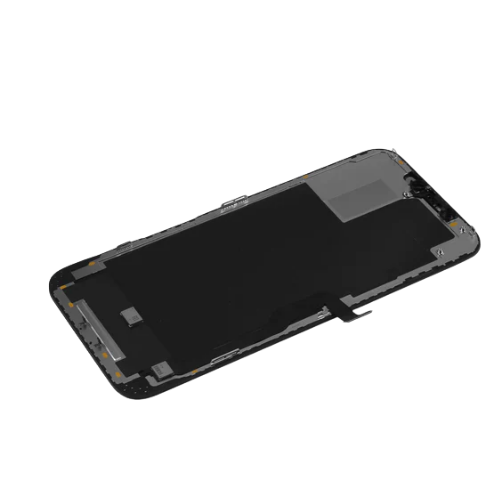
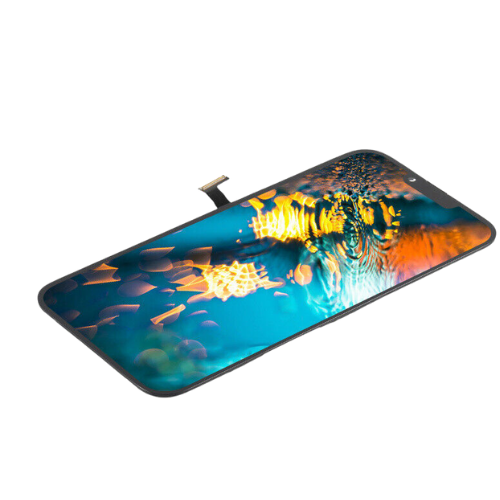
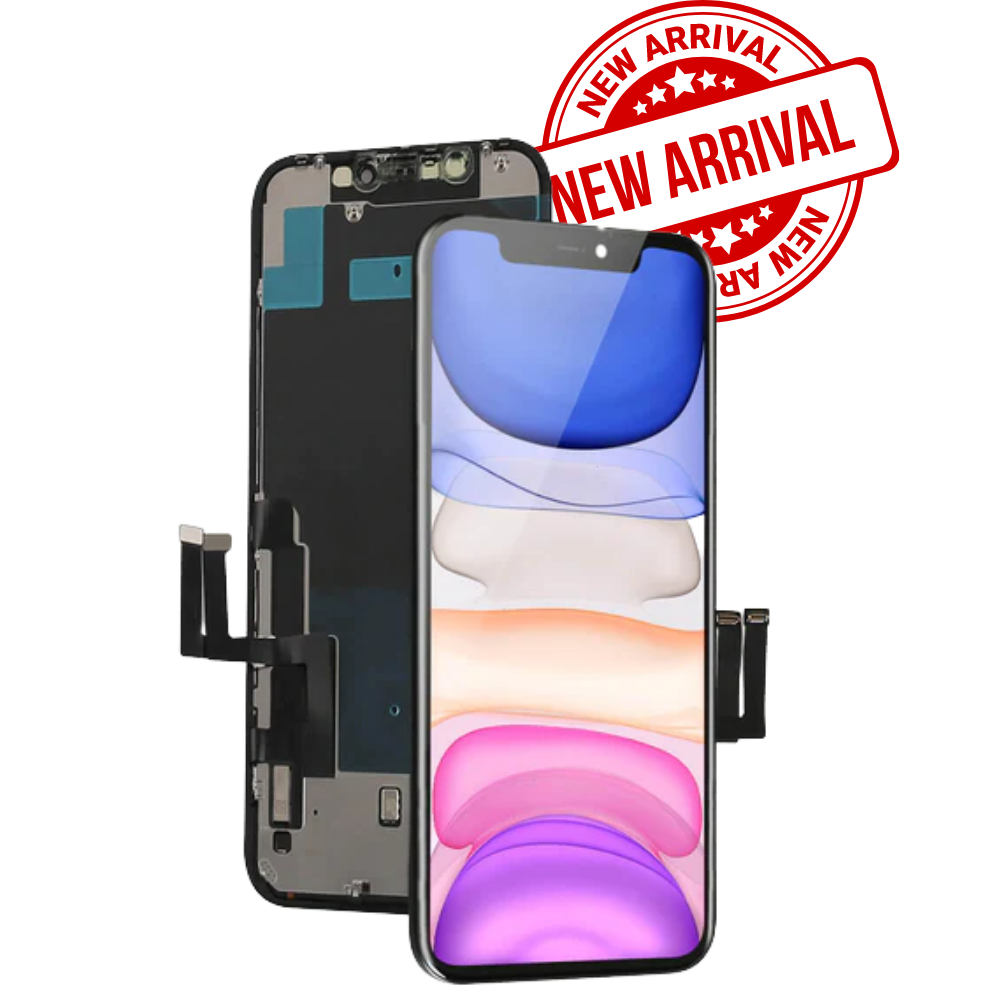
In-Cell nagrepresentar sa sunod nga ebolusyon - paghiusa sa mga sensor sa paghikap direkta sa istruktura sa cell sa display.
Giunsa Kini Naglihok:
Ang mga touch electrodes na-embed sa sulod sa TFT o LCD layer mismo, nagpasabot nga ang touch sensing mahitabo kung diin naporma ang mga imahe.
Mga kaayohan:
- Ultra-nipis nga disenyo - dili kinahanglan alang sa dugang nga bildo o mga sapaw
- Mas maayo nga light transmission - mas hayag ug mas klaro nga mga hulagway
- Taas nga pagkasensitibo - direkta nga tubag sa paghikap sa dili kaayo paglangan
- Diyutay nga mga lut-od - pagkunhod sa gibug-aton ug mas maayo nga produksyon efficiency
Mao kini ang hinungdan ngano nga ang mga flagship nga modelo sama sa iPhone ug premium Androids nagsalig pag-ayo sa In-Cell o hybrid nga In-Cell nga mga solusyon.
OGS (Usa ka Glass Solution)
Sa wala pa mohamtong ang In-Cell, OGS gipaila isip usa ka teknolohiya sa tulay.
Unsa Kini:
Ang OGS direktang naghiusa sa touch sensor sa usa ka piraso sa baso, pagtangtang sa usa ka layer sa substrate kumpara sa mga daan nga disenyo.
Kabhawon:
- Mas gaan ug nipis kaysa tradisyonal nga mga istruktura nga add-on
- Mas sayon sa paghimo kay sa In-Cell sa unang mga hugna
Buhaton:
- Mabuak tungod sa nipis nga bildo
- Dili gihapon sama ka integrated sama sa In-Cell
Ang OGS nakit-an nga popular sa sayong bahin sa 2010s nga mga smartphone, labi na sa mga merkado nga sensitibo sa gasto.
Teknolohikal nga Pagtandi
Gibag-on ug Disenyo
| Teknolohiya | Gibag-on | Kinaandan nga Aplikasyon |
|---|---|---|
| Eksternal nga Module | pinakabaga | Sayo nga mga smartphone |
| OGS | Medium | Mid-range nga mga modelo (2013–2017) |
| On-Cell | Nipis | Mid-to-high-end |
| In-Cell | Labing nipis | Mga flagship ug premium nga mga himan |
Paghikap sa Pagkasensitibo ug Katukma
Ang In-Cell milabaw sa uban pinaagi sa pag-ila bisan sa labing gaan nga mga paghikap tungod sa mga naka-embed nga sensor niini. Ang On-Cell nagpabiling tukma apan dili kaayo mosanong.
Ipakita ang Kalidad
Uban sa gamay nga mga sapaw nga nagbabag sa kahayag, Ang In-Cell naghatag ug labaw kahayag, Kamatuuran sa kolor, ug kalainan.
Pagkakomplikado ug Gasto sa Paggama
Samtang ang In-Cell nagtanyag labing taas nga pasundayag, mas komplikado ang pagprodyus - mas mahal ug mas lisud ang pagpadayon sa taas nga rate sa ani sa panahon sa mass production.
In-Cell Technology — Ang Game Changer
Giunsa Paglihok ang In-Cell
Pinaagi sa paghiusa sa paghikap ug pagpakita sa mga electrodes, Giwagtang sa In-Cell ang mga sobra nga layer. Ang pagpakita TFT array nagmaneho sa mga pixel sa imahe ug paghikap sa paghikap, nagtugot sa mas paspas nga pagproseso ug mas maayo nga visual consistency.
Mga Kaayohan sa In-Cell
- Nipis, mas gaan nga mga himan - kinahanglanon alang sa modernong mga disenyo
- Hait nga mga biswal - mas diyutay nga mga sapaw nagpasabot nga dili kaayo repraksyon
- Mas sensitibo nga paghikap - diha-diha nga signal detection
- Episyente sa enerhiya - gamay nga backlight power gikinahanglan
Teknikal nga mga Hagit
Bisan pa sa mga kalig-on niini, Ang In-Cell nag-atubang sa mga isyu sama sa:
- Paghilabot sa signal tali sa display ug touch circuits
- Ubos nga abot sa produksiyon
- Mga limitasyon sa pagkaangay uban sa flexible OLED panel (bisan pag paspas nga nag-uswag)
Ang Pagtaas sa Hybrid Technologies
In-Cell ug On-Cell Integration
Ang mga tiggama nag-eksperimento sa hybrid nga mga disenyo, paghiusa sa pagka-flexible sa On-Cell sa kahusayan sa In-Cell. Kini nga pamaagi nagpauswag sa abot sa produksiyon samtang nagpabilin ang kadaghanan nga mga benepisyo sa In-Cell integration.
Ang Papel sa OLED ug LTPO
Ingon nga ang OLED ug LTPO nagpakita nagdominar sa mga premium nga merkado, bag-o Paghikap-sa-OLED (ToF) ug Nahiusa nga OLED Touch mitumaw ang mga solusyon — nagtanyag ug ultra-paspas nga mga oras sa pagtubag ug ubos nga konsumo sa kuryente.
Mga Trend sa Market ug Umaabot nga Panglantaw
Mga brand sama sa Mansanas, Samsung, Xiaomi, ug Kapahulayan nagmaneho sa In-Cell ug OLED touch innovations. Foldable nga mga telepono, under-display nga mga camera, ug curved edges nagduso sa mga tiggama ngadto sa hingpit nga integrated nga mga disenyo nga balanse pagka-flexible, kalig-on, ug pagkasensitibo.
Sa duol nga umaabot, paghikap ug pagpakita mahimong halos dili mailhan, paghatud sa walay hunong nga interaktibidad — halos sama sa paghikap sa kahayag mismo.
Kataposan
Gikan sa external modules hangtod sa In-Cell integration, ang teknolohiya sa paghikap dugay na nga naabut. Ang In-Cell nagbarug nga labing abante, paghiusa sa nipis, katin-aw, ug pagtubag - ang balaang trinidad sa modernong mga screen sa smartphone.
Samtang nag-uswag ang mga pasundayag padulong sa pagka-flexible, tapunahan, ug mga solusyon sa ilawom sa screen, Ang paghiusa sa In-Cell sa pasundayag ug disenyo magpabilin nga pundasyon alang sa sunod nga balud sa interactive nga kabag-ohan.
FAQS
1. Unsa ang nag-unang kalainan tali sa On-Cell ug In-Cell?
Ang On-Cell nagbutang ug mga touch sensor sa ibabaw sa display, samtang ang In-Cell nag-embed niini sulod sa mga layer sa display alang sa mas nipis ug mas responsive nga mga resulta.
2. Ngano nga ang In-Cell labi ka sikat sa mga punoan nga smartphone?
Tungod kay kini nagtanyag sa labing maayo nga kombinasyon sa slim nga disenyo, katin-aw sa panan-aw, ug paghikap sa katukma.
3. Unsa ang mga limitasyon sa teknolohiya sa OGS?
Ang mga panel sa OGS mas manipis apan mas huyang ug dili kaayo gisagol kung itandi sa In-Cell.
4. Ilisan ba sa In-Cell ang tanan nga ubang mga teknolohiya sa paghikap?
Lagmit alang sa high-end nga mga himan, bisan ang On-Cell ug hybrid nga mga solusyon magpabilin sa badyet o flexible nga mga aplikasyon.
5. Giunsa ang epekto sa OLED sa paghiusa sa paghikap?
Ang mga panel sa OLED natural nga nagsuporta sa mga built-in nga touch sensor, naghatag ug dalan alang sa mga advanced In-Cell ug hybrid nga In-Display nga mga teknolohiya.