
Sa dihang gipaila pag-usab sa Apple ang disenyo sa likod sa bildo nga adunay iPhone 8 sa 2017, Dili lang kini tan-awon. Kini usa ka functional nga pagbalhin nga nagbukas sa dalan alang sa wireless nga pag-charge ug mas seamless design philosophy. Ang timpla sa bildo ug metal nagrepresentar sa usa ka bag-ong balanse tali sa elegance ug engineering precision.
Gihulagway kini sa Apple nga "ang labing lig-on nga bildo sukad sa usa ka smartphone,” ug kini nahimong pundasyon sa tanang umaabot nga mga modelo.
iPhone 8 ug 8 Dugangan: Ang Pundasyon sa Bag-ong Disenyo nga Pinulongan
Ang iPhone 8 ug 8 Dugangan mao ang una nga nagpabalik sa dual-glass structure sukad sa iPhone 4 kapanahonan. Niining higayona, Gihingpit sa Apple ang pagsagol sa usa ka aluminum subong nga bayanan nga naghatag sa integridad sa istruktura ug panag-uyon sa biswal.
Ang mga pagpili sa kolor elegante apan gamay—Bulawan, pilak, ug Space Grey—Paghimo usa ka walay katapusan nga hitsura nga nagdan-ag sa ilawom sa kahayag.
Ang wireless charging misulod sa eksena, gipadagan sa Qi standard. Kini naghimo sa bildo balik a kinahanglanon, dili lang usa ka pahayag sa disenyo.
iPhone X: Usa ka Paglukso Ngadto sa Umaabot
Gipagawas wala madugay human sa iPhone 8, ang iPhone X nagpaila sa usa ka mas dalisay nga pormula sa bildo-gi-advertise isip ang pinakalisud sa industriya. Kini nagtimaan sa pagsugod sa edge-to-edge nga disenyo, nga adunay bildo nga nagtabon sa duha ka kilid ug usa ka stainless steel nga bayanan nga nagkupot sa tanan.
Kini nga pinulongan sa disenyo nagdasig sa halos matag sunod nga iPhone, pagbutang sa bulawan nga sumbanan alang sa modernong smartphone aesthetic.
iPhone 11 ngadto 12: Mas gahi, Mas gwapa, Mas maalamon
Taliwala 2019 ug 2020, ang likod nga bildo sa iPhone nahimong mas resistensya sa epekto ug scratch-resistant kay sa kaniadto. Ang iPhone 12 gipaila Ceramic Shield sa atubangan, naugmad uban sa Corning, samtang ang likod nga bildo nakabenepisyo usab sa bag-o dual ion-pagbaylo teknolohiya.
Ang mga kapilian sa kolor midako pag-ayo—mint green, lavender, ug pula nga naghimo sa mga iPhone nga mobati nga mas makapahayag ug personal.
iPhone 13 ug 14: Paghingpit sa Texture ug Transparency
Misandig si Apple matte nahuman alang sa Pro nga mga modelo niini, pagkunhod sa fingerprint visibility ug pagpaayo sa pagkupot. Ang frosted nga bildo nahimong paborito sa fan tungod sa silky apan lig-on nga nawong niini.
Ang likod nga salamin nahimo usab mas sayon ilisan sa iPhone 14, salamat sa usa ka redesigned internal frame—usa sa pipila ka higayon nga gihimo sa Apple nga mas simple ang pag-ayo.
iPhone 15 Serye: Kolor-Gibutang nga Kahayag
Ang iPhone 15 ug 15 Dugangan debuted kolor-infused nga bildo sa likod, diin ang mga pigment direkta nga gibutang sa materyal sa wala pa gipasinaw. Ang resulta? Usa ka makapakurat nga translucent nga hitsura nga adunay humok nga matte nga pagbati.
Samtang, ang iPhone 15 Pro ug Pro Max gikuha ang mga butang sa usa ka notch uban sa titanium frame—usa ka una alang sa iPhone. Gihiusa kini sa frosted glass in Itum, Puti, Asul, ug Natural nga Titanium mga tono, nagsenyas sa pagtutok sa Apple sa kalig-on ug pagpino.
iPhone 16 Serye: Ang Kinatas-ang Kabag-ohan sa Materyal
Sa 2025, ang iPhone 16 PRO MAX nagpadayon sa titanium nga kabilin apan nagpaila sa usa ka micro-textured nga bildo ibabaw. Anaa sa Itom nga Titanium, Puti nga Titanium, Desyerto nga Titanium, ug Natural nga Titanium, kini nga mga paghuman nagpakita sa paghiusa sa industriyal nga katig-a ug artistic minimalism.
Kini usa ka klaro nga pahayag: Ang ebolusyon sa disenyo sa Apple wala mohinay-kini nahimong mas komplikado ug malungtaron.
Luyo sa Siyensiya: Giunsa Gihimo ang iPhone Glass
Ang matag baso balik magsugod gikan sa natunaw nga silica—pinino nga balas—gisagol sa mga elemento sa pagsubay nga naghatag niini og katin-aw ug kalig-on. Pinaagi sa tukma nga pagtambal sa kainit ug pagbinayloay sa ion, ang nawong mahimong gipalig-on sa kemikal, pagbatok sa mga liki ug mga garas.
Ang pakigtambayayong sa Apple sa Corning nagsiguro sa proprietary nga mga pormulasyon nga naghatod sa katig-a ug optical nga katin-aw nga dili hitupngan sa mga kakompetensya.
Wireless nga Pag-charge: Ang Tinuod nga Rason sa Glass Comeback
Gibabagan sa metal backs ang electromagnetic induction, paghimo sa wireless charging imposible. Mao nga ang bildo nahimong kinahanglanon pag-usab. Ang pagbalik sa 2017 dili nostalgia—kini usa ka kabag-ohan.
Gikan Pag-charge sa Qi ngadto MagSafe magnet sa iPhone 12, ang bildo sa likod adunay importante nga papel sa pagsiguro sa episyente nga wireless power transfer.
Signal ug Koneksyon: Ang Dili Makita nga Bentaha
Dili sama sa metal, ang bildo dili makabalda sa mga frequency sa radyo. Kana nagpasabut nga mas lig-on cellular, Wi-Fi, ug Bluetooth signal—tanan walay ngil-ad nga antenna bands. Functionally, ang bildo sa likod nagpadayon sa modernong mga iPhone nga sleek ug taas nga performance.
Aesthetic nga mga Bentaha: Ang Luho sa Salamin
Adunay usa ka butang mahitungod sa paagi sa bildo nga makakuha og kahayag-kini putli, limpyo, ug dalisay. Ang tactile feedback sa baso naghimo sa iPhone nga mobati nga premium sa kamot. Gihiusa sa maliputon nga mga kurba ug matte nga mga texture, naghatag kini usa ka dili masayop maluho nga paghikap.
Dili lang kini disenyo; kini emosyonal nga engineering.
Pag-ayo ug Pag-ilis: Nagkakusog Matag Tuig
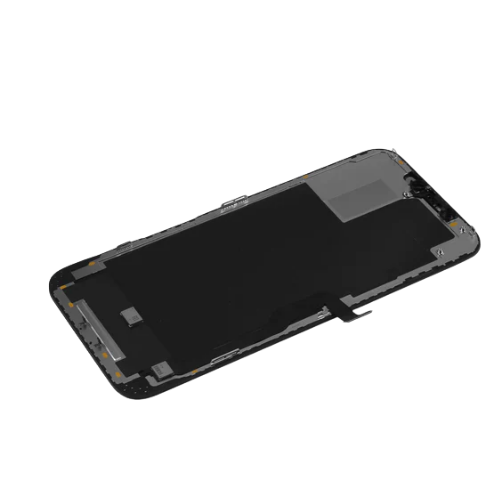
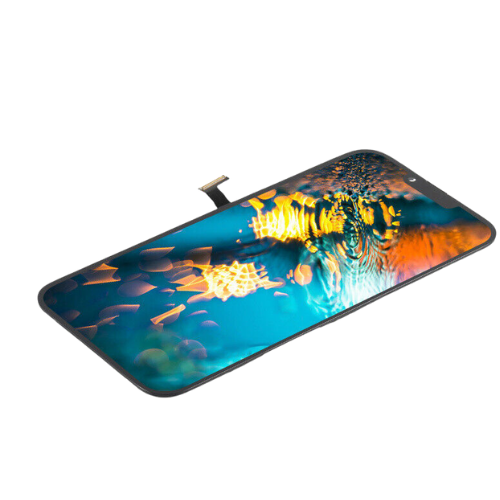
Samtang nag-uswag ang disenyo, mao usab ang pagkakomplikado sa pag-ayo. Ang bildo sa likod sa iPhone karon gigapos sa laser sa frame nga adunay taas nga kusog nga papilit, nanginahanglan espesyal nga kagamitan aron luwas nga makuha.
Ang Opisyal nga Pamaagi sa Pag-ayo sa Apple
- Kuhaa ang ubos nga mga screw.
- Init ug pahumok ang adhesive.
- Gamit ug suction jig ug adhesive cutter aron maalsa ang baso.
- Idiskonekta ang mga internal nga flex cable.
- Ilisan ang likod nga panel og bag-ong mga adhesive strips.
Girekomenda sa iFixit ang paggamit sa orihinal nga taklob sa kahon sa iPhone isip usa ka agup-op nga mopilit-angay sa bag-ong bildo ug himoa nga kini pag-ayo ubos sa pressure sa labing menos 30 minuto.
Gipasiugda sa giya sa Apple proteksyon sa mata ug kamot sa paggunit sa nabuak nga bildo, ug hugot nga nagpasidaan batok sa DIY pagsulay.
Mga Himan ug mga Teknik: Gikinahanglan ang Katukma
Gikinahanglan ang propesyonal nga pag-ayo:
- Torque screwdriver
- Heating pad ug suction clamp
- Adhesive tape cutter
- Ipakita ang himan sa press
Bisan gamay nga sayop makadaot sa camera housing o linya sa antenna—usa pa nga hinungdan nga ang mga sentro sa serbisyo nga gitugotan sa Apple mao ang imong labing luwas nga kapilian.
Pagpadayon ug ang Kaugmaon sa Mga Materyal sa iPhone
Ang pagduso ni Apple padulong neyutralidad sa carbon nagpasabot nga ang matag bag-ong materyal nga pagpili importante. Ang kombinasyon sa titanium-bildo sa iPhone 16 mga gamit gi-recycle nga talagsaon nga mga metal, ug ang mga bildo nga mga panel gigama sa low-emission nga mga hurno.
Pagtan-aw sa Unahan, Ang Apple gihugon-hugon nga mag-explore baso sa pag-ayo sa kaugalingon ug mapilo nga hybrid nga mga komposit, pagsiguro nga ang katahum ug pagkamalahutayon mahimong mag-uban.
Kataposan
Gikan sa sinaw nga sinugdanan sa iPhone 8 sa dalisay nga kaanyag sa iPhone 16, Ang panaw balik sa bildo sa Apple usa ka istorya sa padayon nga kabag-ohan. Dili lang kini usa ka kapilian sa disenyo-kini usa ka ebolusyon sa teknolohiya nga gimaneho sa pagpaandar, katahom, ug magpadayon.
Ang bildo dili na mahuyang-kini usa ka simbolo kung unsa ka layo ang Apple nga nahimo sa paghimo sa delikado nga mga materyales ngadto sa lig-on nga arte.
FAQS
1. Ngano nga ang Apple mibalik sa baso nga likod pagkahuman sa mga disenyo sa metal?
Tungod kay ang bildo makahimo wireless nga pag-charge ug mas maayo pagpasa sa signal—duha ka hinungdanon nga bahin alang sa modernong mga smartphone.
2. Hain nga iPhone ang adunay labing lig-on nga baso sa likod?
Ang iPhone 16 PRO MAX, nga nagpakita sa sunod-gen micro-textured titanium bildo, sa pagkakaron naghupot sa maong titulo.
3. Mahimo ba nako ilisan ang usa ka liki nga baso sa iPhone sa balay?
Sa teknikal nga paagi, oo, apan kini dili girekomendar. Ang proseso nanginahanglan mga himan nga tukma ug mga pamaagi sa pag-ayo sa adhesive.
4. Nakaapekto ba ang mga baso sa likod sa gibug-aton sa telepono?
Medyo, apan ang paggamit sa Apple sa titanium frame sa bag-o nga mga modelo nagbalanse sa gibug-aton ug kusog sa hingpit.
5. Unsa ang sunod alang sa disenyo sa bildo sa iPhone?
Magdahom self-healing coatings ug eco-friendly nga mga pamaagi sa produksyon sa umaabot nga mga henerasyon.