Pasiuna
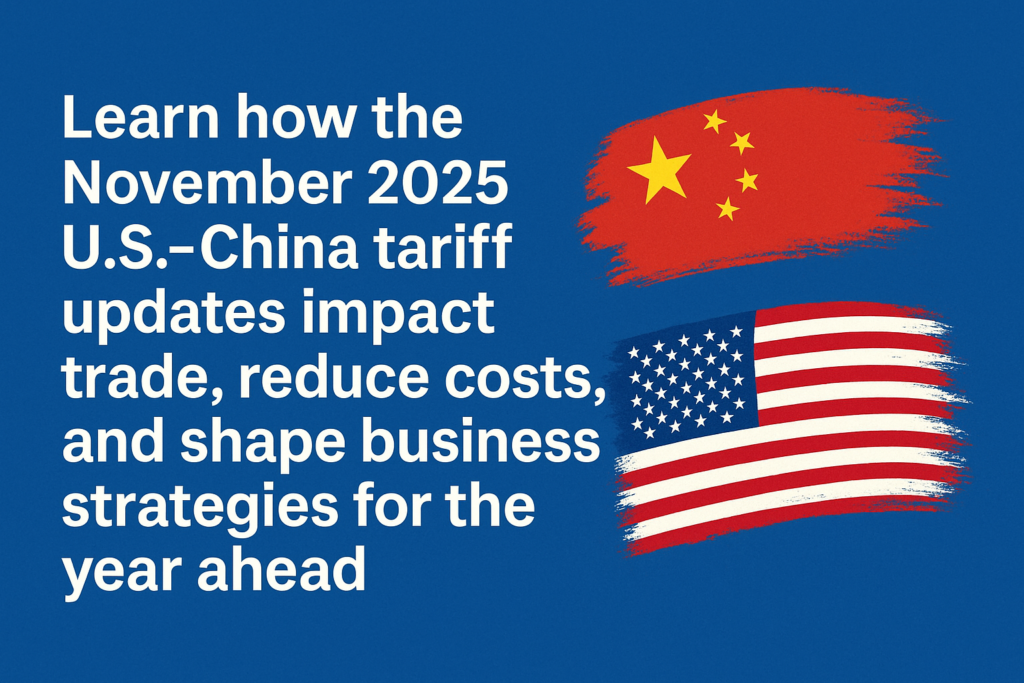
Sukad sa Nobyembre 2025, ang relasyon sa pamatigayon sa U.S.–China mikuha ug laing wala damha. Ang U.S. gipahibalo sa gobyerno ang usa ka serye sa mga pagbag-o nga gitumong sa pagbalanse sa seguridad sa ekonomiya sa diplomatikong pakiglambigit - labi na bahin sa pagkontrol sa fentanyl, trade fair, ug high-tech nga eksport. Kining bag-ong mga lakang, epektibo Nobiembre 10, 2025, nagdala sa mga oportunidad ug bag-ong mga hagit alang sa mga global nga negosyo.
Atong bungkagon ang bag-o, nganong importante man, ug kung giunsa kini makaapekto sa imong estratehiya sa pamatigayon 2025 ug sa unahan.
Ang Kaagi sa US–China Trade Tensions
Dili kini sekreto nga ang relasyon sa pamatigayon sa US-China nahimong batoon sukad sa 2018-2019 nga mga away sa taripa. Sa paglabay sa panahon, gipalapad ang mga taripa aron matabonan ang tanan gikan sa asero hangtod sa mga semiconductor, nga adunay binilyon nga dolyar nga mga butang nga naapektuhan.
Sa bag-ohay nga mga tuig, hinoon, Ang pokus sa Washington nabalhin sa pagkontrol mga sangkap nga may kalabotan sa fentanyl, nga mitultol sa pagpaila sa usa ka dugang 20% taripa sa pipila ka mga import sa China gimarkahan isip bahin sa "anti-fentanyl" nga mga lakang. Gisaway kini sa Beijing nga gipalihok sa politika apan nagpadayon nga kooperasyon sa pagpugong sa droga - nga, makaiikag, nakaimpluwensya sa taripa rollback nga gipahibalo sa 2025.
Pangunang mga Kausaban Epektibo sa Nobyembre 10, 2025
Pagkunhod sa "Fentanyl Control" nga mga Taripa
Sugod sa Nobyembre 10, 2025, ang U.S. kabubut-on pagpakunhod sa iyang gitawag nga "fentanyl control" taripa gikan sa 20% ngadto 10%. Kini nga lakang nagtimaan sa usa ka mabinantayon nga pagpagaan sa mga tensyon ug pag-ila sa labi ka kusgan nga aksyon sa pagpatuman sa China batok sa gidili nga pag-eksport sa fentanyl..
Kanhi Presidente Donald Trump (kinsa mibalik sa katungdanan sa 2025) mipahayag nga kung ang China magpadayon sa iyang hugot nga pagkontrol sa fentanyl, iyang buhaton hunahunaa ang pagtangtang sa nahabilin 10%. Para sa mga Chinese exporters ug U.S. mga importer, kining potensyal nga pagwagtang sa taripa mahimong mahubad ngadto sa mahinungdanong savings ug hapsay nga mga operasyon sa cross-border.
Extension sa Reciprocal Tariff Suspension
Sa orihinal, ang U.S. mihunong sa dugang reciprocal nga mga taripa hangtod sa Nobyembre 10, 2025. Kana nga suspension nahimo na karon extended ug usa ka tuig, hangtod Nobiembre 10, 2026.
Kini nagpasabot nga alang sa laing tuig, ang duha ka mga nasud buhaton ipadayon ang kasamtangan 10% reciprocal nga lebel sa taripa, paglikay sa pag-usbaw ug pagtanyag sa mga negosyo og sukod sa predictability sa mga gasto sa pamatigayon.
Extension sa Seksyon 301 Mga Exemption sa Taripa
Seksyon 301 mga taripa - usa ka hinungdanon nga bahin sa gubat sa pamatigayon - nagpabilin nga epektibo alang sa daghang mga butang. Hinoon, ang pipila ka mga eksepsiyon hinungdanon alang sa mga industriya nga nagsalig sa paggama sa China.
Ang U.S. naa karon gipalugway ang balido sa piho nga Seksyon 301 mga exemption sa taripa gikan sa Nobiembre 29, 2025, ngadto sa Nobyembre 10, 2026, pag-align sa timeline sa reciprocal tariff suspension.
Kini nga mga exemption naglangkob 178 Mga kategoriya sa produkto sa HTSUS, lakip:
- Mga produkto ug dulaan sa mga bata
- Mga sangkap sa makinarya
- Mga kemikal nga materyales
- Mga bahin sa elektroniko
- Mga gamit sa medisina
- Kagamitan sa solar energy
- Mga gamit sa paghimo sa silicone wafer
Alang sa mga kompanya sa kini nga mga sektor, kini usa ka maayong balita - pagsiguro sa kalig-on sa gasto alang sa usa ka tuig.
Pagsuspinde sa 50% Lagda sa Pagkontrol sa Pag-eksport sa Pagpanag-iya
Laing talagsaong kausaban mao ang usa ka tuig nga pagsuspenso sa "50% nga pagpanag-iya" nga lagda sa pagkontrol sa eksport, nga nagpalapad sa depinisyon sa mga gidid-an nga mga entidad nga naglakip sa mga subsidiary ug mga kaubanan nga gipanag-iya 50% o labaw pa sa mga nakalista nga kompanya.
Kini nga lagda nagpahinabog dagkong mga sakit sa ulo sa pagsunod alang sa mga tech firm ug mga tiggama sa semiconductor. Niini ang suspension nagtanyag ug temporaryong kahupayan, nagtugot sa mas hapsay nga export licensing ug joint venture operations.
Pagsuspinde sa Bayad sa Port Docking
Epektibo sa Nobyembre 10, 2025, ang U.S. kabubut-on suspindihon ang bayronon sa pantalan sa pantalan alang sa mga barko sa China sulod sa usa ka tuig. Kini nga lakang nagtumong sa pagpakunhod sa gasto sa pagpadala ug logistical frictions.
Sa usa ka binalos nga lihok, Suspindihon usab sa China ang mga countermeasure niini sa U.S. mga barko. Kini nga us aka lakang nagpakita nga ang duha nga mga nasud bukas sa praktikal nga mga lakang sa pagpadali sa pamatigayon - bisan taliwala sa nagpadayon nga mga tensyon.
Mga Industriya nga Labing Naapektuhan
Electronics ug Semiconductor Equipment
Ang mubu nga mga taripa ug relaks nga mga lagda sa pag-eksport usa ka kahupayan alang sa mga industriya sa elektroniko ug semiconductor, nga nagdepende pag-ayo sa mga agianan sa teknolohiya sa cross-border.
Mga Sektor sa Kemikal ug Materyal
Ang pagkunhod sa mga taripa ug gipalugway nga mga eksepsiyon nagpasabut nga mas mubu nga gasto sa pag-input alang sa mga tiggama sa kemikal - labi na kadtong naggamit mga intermediate nga materyales gikan sa China.
Medikal ug Panglawas sa Panglawas
Ang mga produkto sama sa diagnostic tool ug disposable medical device gilakip sa 301 listahan sa exemption, pagsiguro sa kalig-on sa presyo ug pagpadayon sa suplay.
Renewable Energy Manufacturing
Ang mga kagamitan sa paggama sa solar ug silikon nga wafer nakabenepisyo gikan sa paghupay sa taripa, pagpausbaw sa renewable energy supply chain.
Makinarya ug Industrial nga mga sangkap
Alang sa industriyal ug mekanikal nga mga eksporter, ang gipalugway nga mga eksepsiyon nagpasabot sa mas hapsay nga customs clearance ug padayon nga kompetisyon sa U.S. mga merkado.
Ang Mas Lapad nga Konteksto sa Ekonomiya ug Politika
Ang U.S. ang desisyon sa gobyerno nagpakita a doble nga estratehiya — pagpagaan sa presyur sa ekonomiya samtang nagpabilin ang leverage sa politika.
Gi-frame sa Washington ang pagkunhod sa taripa ingon usa ka ganti alang sa kooperasyon sa China sa pagkontrol sa fentanyl ug usa ka insentibo alang sa padayon nga pagsunod.
Samtang, Gilantaw sa Beijing kini nga mga lakang isip usa ka partial nga normalisasyon ug timaan nga ang kaayohan sa mutual trade mas labaw pa kay sa politikanhong mga panagbingkil.
Unsa ang Kinahanglang Buhaton sa mga Negosyo Karon
Usisaa Pag-usab ang mga Kadena sa Suplay
Ang mga negosyo kinahanglan nga magtimbang-timbang sa ilang sourcing mix - pag-factor sa mga pagtibhang sa taripa, gilugwayan nga mga exemption, ug potensyal 2026 kausaban.
I-update ang Customs ug Compliance Strategies
Magpabilin nga updated sa mga HTSUS code ug pamatud-i ang kwalipikasyon alang sa Seksyon 301 mga exemption. Ang mga kompanya kinahanglan usab nga mangandam alang sa potensyal nga pagpaaktibo pag-usab sa gisuspinde nga mga lagda sa 2026.
Pag-usisa sa Alternatibong Tariff Exemption Programs
Leverage de minimis import nga mga lagda, Foreign Trade Zones (Mga FTZ), o pag-bonding sa customs aron maminusan pa ang mga katungdanan.
Umaabot nga Panglantaw
Samtang ang pagkunhod sa 10% ug ang gipalugway nga mga eksemsiyon naghatag ug hamubo nga panahon nga kahupayan, walay kasiguroan nagpabilin.
Ang nahibilin 10% taripa nga may kalabotan sa fentanyl tangtangon sa 2026?
Nagdepende kana sa nagpadayon nga diplomatikong pakiglambigit ug kooperasyon sa pagpatuman tali sa Washington ug Beijing.
Sa gihapon, ang tono sa kasamtangan nga mga kausaban nagsugyot usa ka pagpahumok sa palibot sa taripa, pag-andam sa dalan alang sa posible nga mas lapad nga normalisasyon sa pamatigayon sa sunod tuig.
Kataposan
Ang Nobyembre 2025 Ang mga pagbag-o sa taripa nagtimaan sa usa ka hinungdanon - bisan kung mabinantayon - pagbalhin padulong sa pagpagaan sa tensyon sa pamatigayon sa US-China. Ubos nga taripa, gilugwayan nga mga exemption, ug ang gisuspinde nga mga kontrol naghatag ug luna sa pagginhawa alang sa mga global nga tiggama ug mga negosyante.
Hinoon, ang mga negosyo kinahanglang magpabiling mabinantayon. Kini nga mga lakang mao ang temporaryo ug kondisyonal. Ang mga Smart nga kompanya mogamit niini nga bintana aron ma-optimize ang mga operasyon, pag-diversify sa mga suppliers, ug pag-andam alang sa bisan unsang mga pagbag-o sa palisiya sa 2026.
FAQS
1. Unsa ang bag-ong U.S. rate sa taripa sa mga produkto sa China nga may kalabotan sa pagkontrol sa fentanyl?
Giminusan kini gikan sa 20% ngadto 10% sugod sa Nobyembre 10, 2025.
2. Kanus-a mo-epekto kining mga pagminus sa taripa?
Ang tanan nga bag-ong mga lakang magsugod gikan sa Nobiembre 10, 2025, sa 12:00 a.m. lokal nga oras.
3. Unsa nga mga produkto ang gilakip sa Seksyon 301 exemption extension?
178 Mga kategoriya sa HTSUS, lakip ang electronics, makinarya, mga kemikal, kagamitan sa solar, ug medikal nga mga himan.
4. Hangtud kanus-a molungtad ang kontrol sa eksport ug mga pagsuspinde sa bayad sa pantalan?
Ang duha gisuspenso tungod sa usa ka tuig, gikan sa Nobyembre 10, 2025, ngadto sa Nobyembre 10, 2026.
5. Sa unsang paagi mangandam ang mga importer alang niini nga mga pagbag-o?
Ribyuha ang mga kodigo sa taripa, i-verify ang kwalipikasyon sa exemption, ug pag-update sa dokumentasyon sa customs aron masiguro ang pagsunod ug pagdaginot sa gasto.