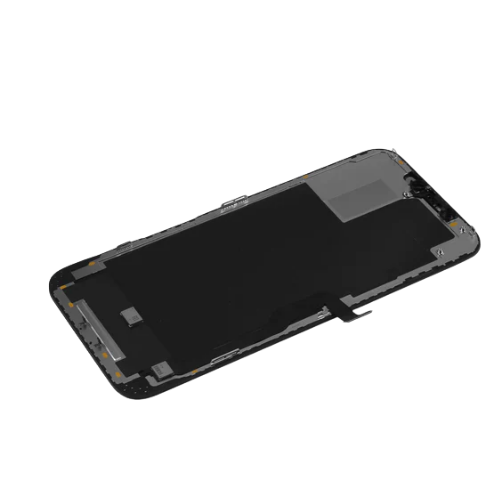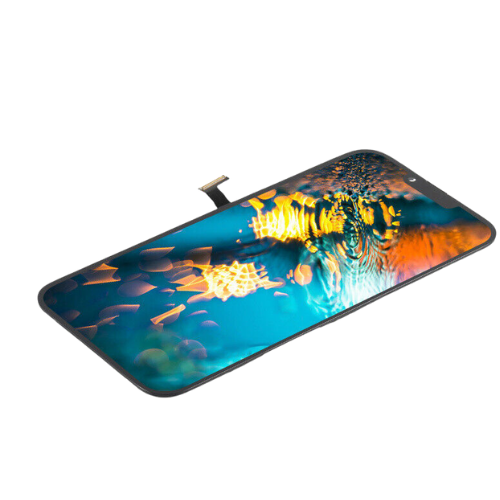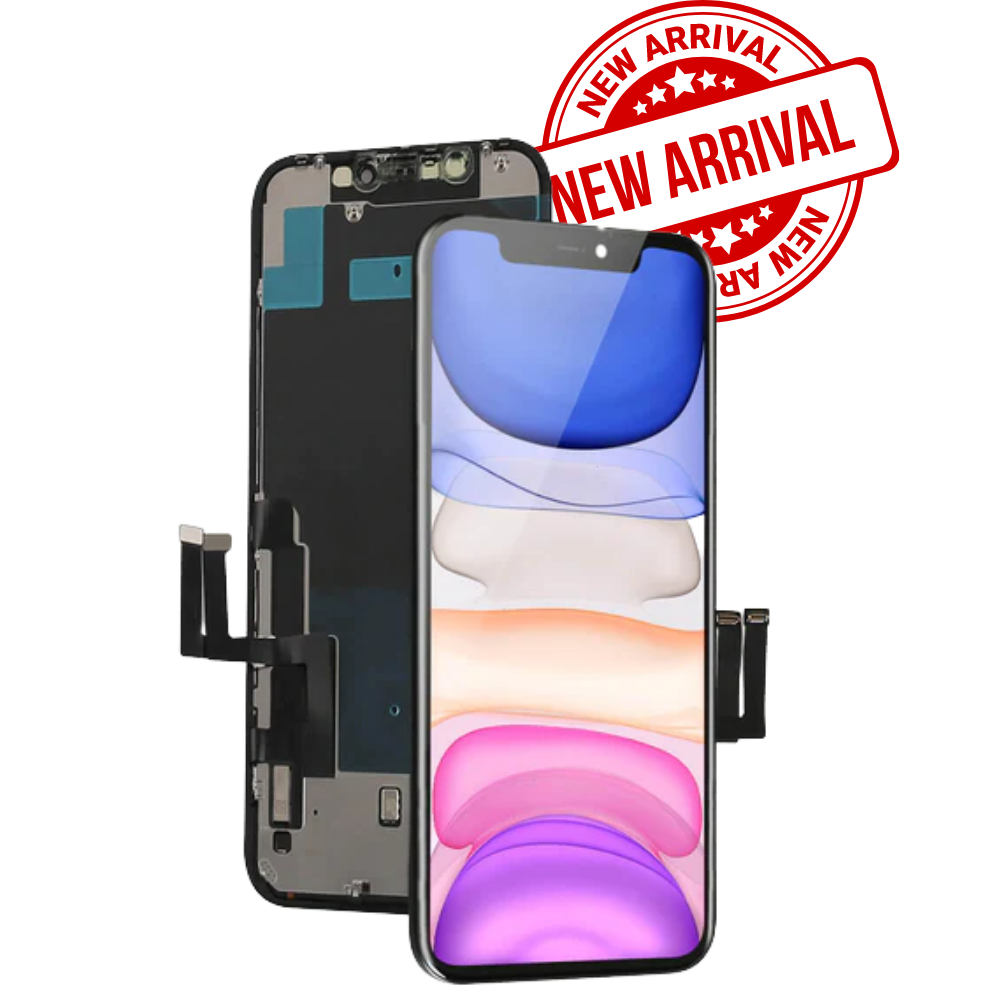

Las pantallas de los teléfonos inteligentes son una de las características más importantes que la gente considera al comprar un teléfono nuevo.. Pero con tantos términos: LCD, Oleado, Amolado, IPS, TFT: es fácil sentirse abrumado. No te preocupes. En esta guía, Desglosamos todo de forma sencilla y amigable., ayudándole a comprender cómo funciona cada pantalla, que los hace diferentes, y cual se adapta mejor a tus necesidades.
Introducción a las tecnologías de visualización de teléfonos inteligentes
Por qué es importante la tecnología de pantalla
La pantalla de tu teléfono afecta todo—Qué brillantes se ven tus aplicaciones, que cómodo se siente leer de noche, cuanto dura tu bateria, e incluso el grosor de tu dispositivo. Elegir la pantalla adecuada puede mejorar enormemente su experiencia diaria.
Los dos campos principales: LCD frente a OLED
Todas las tecnologías de visualización para el consumidor se dividen en dos categorías principales.:
- Lcd (Pantalla de cristal líquido) → se basa en un iluminar desde el fondo
- Oleado (Diodo emisor de luz orgánico) → usos píxeles autoemisores
Tecnologías como TFT, IPS, Amolado, Súper AMOLED Son solo versiones mejoradas de estas dos familias principales..
Tabla general de tecnologías de pantalla convencionales
Tabla de comparación rápida
| Tipo de pantalla | Principio básico | Principales ventajas | Principales desventajas |
|---|---|---|---|
| Lcd | Utiliza un iluminar desde el fondo; Los cristales líquidos se giran para controlar la luz.. | Bajo costo, larga vida útil, sin parpadeo, amigable con los ojos. | Contraste más bajo; los negros se ven grises; más grueso; mayor uso de energía. |
| Oleado | Píxeles autoemisores; cada píxel se ilumina individualmente. | Contraste superior, negro puro, colores vibrantes, flexible, energéticamente eficiente. | Vida útil más corta, riesgo de quemaduras, parpadea con bajo brillo. |
| Amolado | OLED con matriz activa control de píxeles. | Mejor brillo, color, eficiencia energética; calidad superior. | Los mismos problemas con OLED + mayor costo. |
| TFT (Lcd) | LCD con transistores de película delgada controlando píxeles. | Respuesta rápida, barato. | Malos ángulos de visión; colores más débiles y brillo. |
| IPS (Lcd) | LCD mejorada con mejor alineación del cristal líquido. | Amplios ángulos de visión, colores precisos. | Más grueso que OLED; usa más poder. |
Profundización en la tecnología LCD
Cómo funciona la pantalla LCD
Las pantallas LCD no producen luz por sí solas. En cambio, a retroiluminación blanca brilla a través de varias capas:
- Iluminar desde el fondo
- capa de cristal líquido
- Filtros de color
Los cristales líquidos se retuercen como pequeñas “puertas”,"controlar la cantidad de luz que pasa.
Puntos fuertes de la pantalla LCD
- Económico
- De larga duración (sin riesgo de quemarse)
- Muy estable con sin parpadeo PWM, ideal para ojos sensibles
- Utilizado en tabletas, teléfonos inteligentes de bajo costo, y monitores
Debilidades de la pantalla LCD
- Los negros parecen grises porque se filtra la luz.
- Más grueso y pesado
- Menos eficiente energéticamente
- Mal contraste en comparación con OLED
IPS como forma avanzada de LCD
IPS (Conmutación en el plano) mejora los ángulos de visión y la precisión del color al organizar los cristales líquidos horizontalmente. Esta es la razón por la que los iPhone usaron pantallas IPS durante años: lucen naturales y consistentes.
Entendiendo la tecnología TFT
Qué significa TFT
TFT significa Transistor de película delgada, un tipo de LCD donde cada píxel tiene su propio transistor. Esto permite un cambio de píxeles más rápido..
Beneficios de TFT
- Tiempo de respuesta rápido
- Sigue siendo muy asequible
- Bueno para dispositivos económicos
Desventajas de TFT-LCD
- Ángulos de visión débiles
- Colores menos precisos
- Mayor consumo de energía que IPS
Explorando la tecnología OLED
Principio de funcionamiento básico
Cada píxel de una pantalla OLED es un pequeño diodo organico que emite luz cuando está encendido. No se necesita retroiluminación.
Ventajas de OLED
- Relación de contraste infinita
- negro perfecto
- Vibrante, colores saturados
- Ultra, flexible
- Más eficiencia energética al mostrar contenido oscuro
Desventajas de OLED
- Los materiales orgánicos se degradan con el tiempo.
- Quemado puede ocurrir con imágenes estáticas
- El parpadeo de PWM con brillo bajo puede causar fatiga visual
- El costo es más alto que el LCD
Por qué algunos usuarios evitan OLED
Si lees mucho por la noche, o mantén tu pantalla apagada, El parpadeo de PWM puede molestarle los ojos. La pantalla LCD es más segura para usuarios sensibles.
AMOLED: el estándar moderno de OLED
¿Qué hace que AMOLED sea diferente?
AMOLED significa OLED de matriz activa. Agrega una capa de transistores que controlan con precisión cada píxel., mejorando:
- Brillo
- Velocidad
- Eficiencia energética
Súper AMOLED explicado
Samsung Súper AMOLED integra la capa táctil en el panel de visualización, haciéndolo:
- Disolvente
- Más brillante
- Más receptivo
- menos reflexivo
Pros y contras de AMOLED en uso real
Ventajas:
- Lo mejor para teléfonos de gama alta
- Con garra, aspecto premium
- Ideal para diseños curvos o plegables.
Contras:
- Cuesta más
- Preocupaciones por el desgaste a largo plazo
IPS: la “mejor pantalla LCD”
Cómo IPS mejora los ángulos de visión
IPS alinea los cristales líquidos paralelos a la pantalla, mejorando:
- Ángulos de visión
- Precisión del color
- Uniformidad de brillo
IPS frente a TFT
IPS supera a TFT en casi todos los aspectos excepto en costo.
IPS en los teléfonos inteligentes actuales
Sigue siendo ampliamente utilizado en teléfonos de gama media y económicos debido a su estabilidad y comodidad para la vista..
Diferencias clave entre LCD, Oleado, Amolado, TFT & IPS
Calidad del color
OLED gana en saturación y contraste.
IPS gana por la reproducción natural del color.
Consumo de energía
OLED es más eficiente para el modo oscuro; La pantalla LCD puede consumir más energía.
Esperanza de vida & Durabilidad
La pantalla LCD dura más; OLED envejece y puede quemarse.
Comodidad para los ojos
La pantalla LCD no tiene parpadeo PWM → mejor para ojos sensibles.
OLED usa PWM → puede causar fatiga.
Espesor & Diseño de dispositivos
OLED es más delgado → se usa en teléfonos curvos y plegables.
La pantalla LCD es más gruesa → principalmente en plano, teléfonos económicos.
Elegir la mejor pantalla para sus necesidades
Lo mejor para la comodidad de los ojos
IPS / Lcd
Lo mejor para la duración de la batería
Oleado / Amolado
Lo mejor para teléfonos económicos
TFT-LCD o IPS
Lo mejor para pantallas de alta gama
Amolado / Súper AMOLED
Lo mejor para teléfonos plegables o curvos
OLED flexibles
Tendencias futuras en pantallas de teléfonos inteligentes
MicroLED
Combina lo mejor de LCD y OLED: brillante, durable, sin quemar. Todavía muy caro.
Paneles de alta frecuencia de actualización
120Las pantallas Hz y 144 Hz se están volviendo comunes para juegos y desplazamientos más fluidos..
LTPO ERES
Permite tasas de actualización dinámicas, ahorro de batería sin sacrificar la suavidad.
Conclusión
Elegir entre LCD, Oleado, TFT, IPS, y AMOLED no se trata de encontrar una pantalla "perfecta". Se trata de encontrar el indicado que se adapta a tu estilo de vida. Si tu prioridad es la comodidad ocular y la durabilidad, LCD o IPS podrían ser tu mejor amigo. Si anhelas colores vibrantes, negros profundos, y diseño moderno, OLED o AMOLED es el camino a seguir. Y si tienes un presupuesto, Las pantallas TFT siguen ofreciendo un rendimiento sólido en el día a día.
Ahora sabes exactamente cómo funciona cada tecnología., sus puntos fuertes, sus debilidades, y cómo elegir la pantalla que realmente disfrutarás.
Preguntas frecuentes
1. ¿Qué tipo de pantalla dura más??
La pantalla LCD generalmente dura más porque no utiliza materiales orgánicos que se degradan..
2. ¿OLED es mejor para jugar??
Sí: tiempo de respuesta más rápido, negros más profundos, y un mejor contraste lo hacen ideal.
3. ¿La pantalla LCD causa menos fatiga visual??
Para muchas personas, Sí. La pantalla LCD no utiliza parpadeo PWM de baja frecuencia.
4. ¿Qué pantalla es más brillante??
Las pantallas AMOLED de gama alta suelen alcanzar el brillo máximo.
5. ¿Por qué algunas personas todavía prefieren la pantalla LCD??
porque es estable, durable, sin parpadeo, y más barato.