Pochopenie významu obrazovky Teardown
Ak ste strávili nejaký čas v továrňach na opravu mobilných telefónov, veľkoobchodné trhy s náhradnými dielmi, alebo opravárenské pulty v Shenzhene, Guangzhou, alebo dokonca online B2B platformy, je pravdepodobné, že ste už tento výraz počuli "obrazovka strhnutia" hádzať okolo veľa. V doslovnom preklade z čínštiny, to znamená "rozobratá obrazovka"—ale v priemysle mobilných displejov, väčšina ľudí to nazýva a vytiahnutá obrazovka.
Čo to teda presne je?
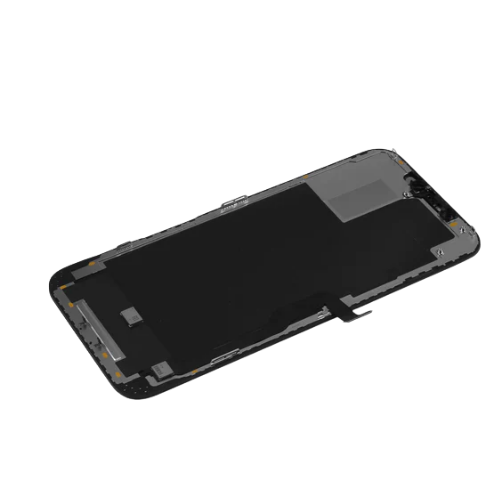
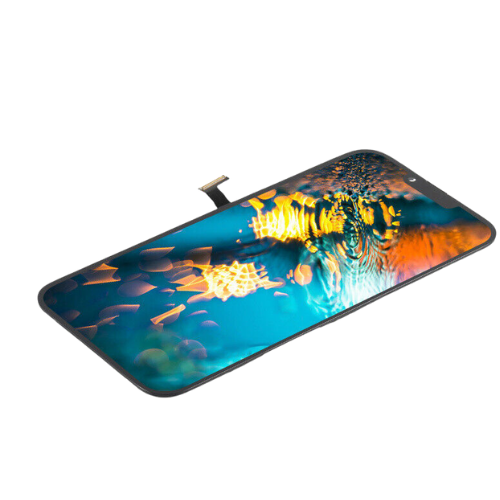
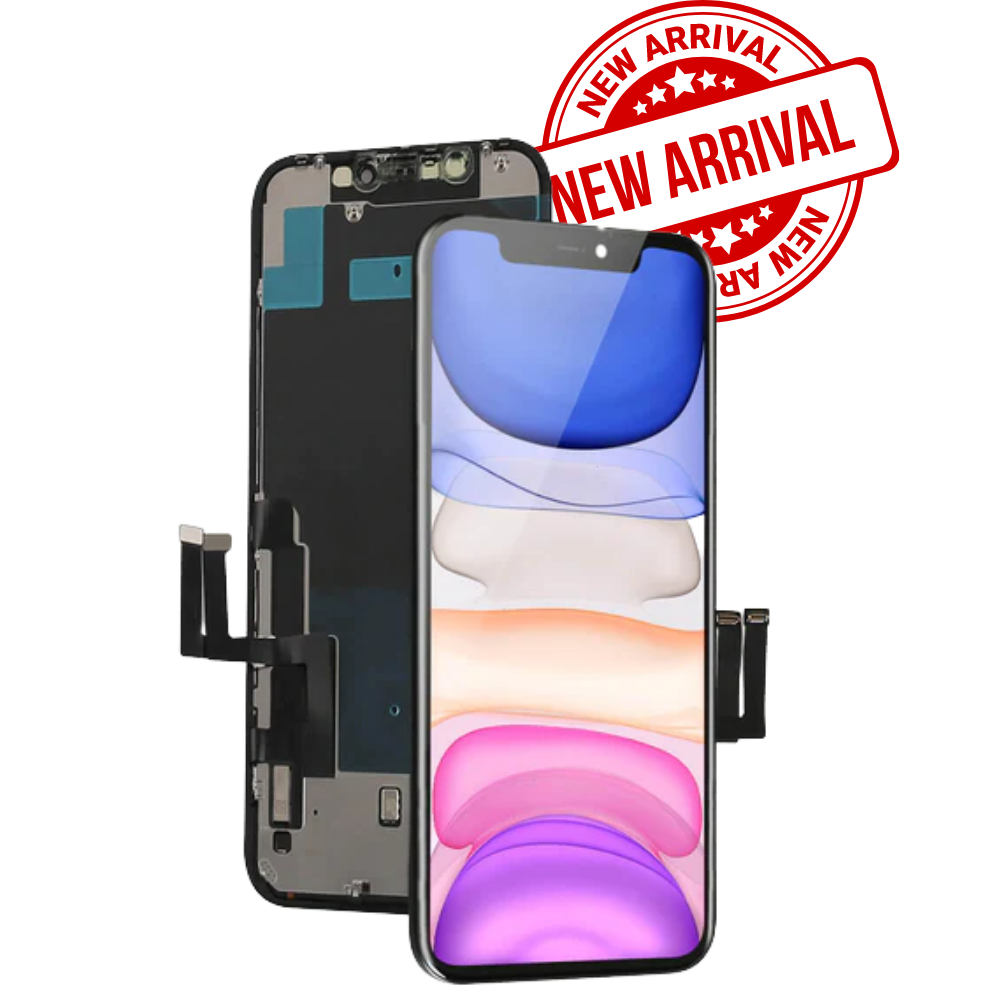
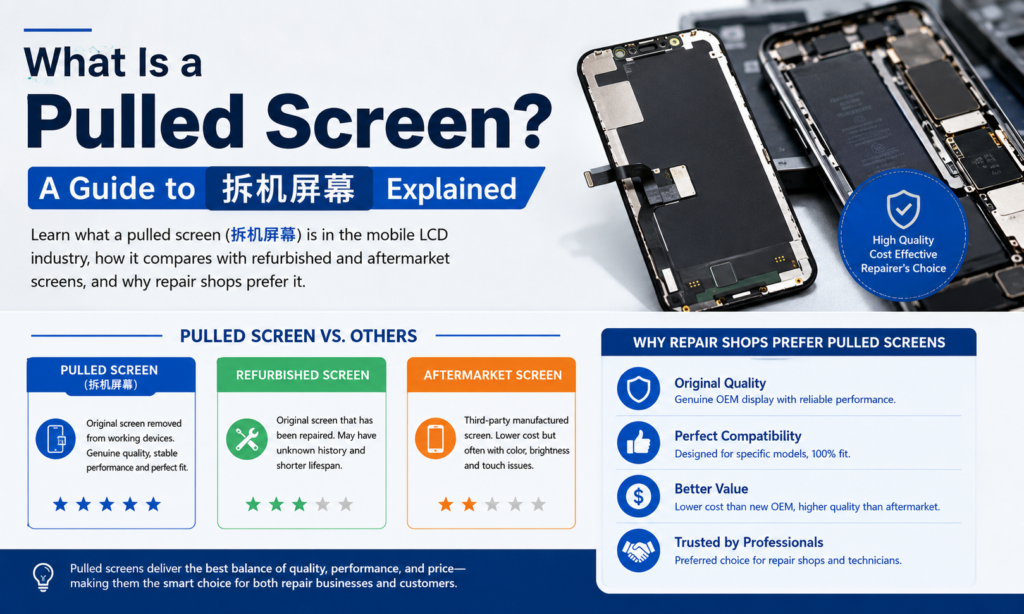
Vytiahnutá obrazovka je pôvodný displej smartfónu odstránený z použitého alebo poškodeného telefónu. Samotný telefón mohol mať poškodenú základnú dosku, problémy s batériou, poškodenie bývania, alebo iné problémy nesúvisiace s obrazovkou, pričom displej zostal použiteľný. Technici opatrne odstránia pôvodnú zostavu displeja, otestujte to, triediť to, a ďalej ho predať na opravárenský trh.
Predstavte si to ako záchranu dokonale dobrého motora z havarovaného auta. Vozidlo môže byť sčítané, ale motor ide stale krasne. To je v podstate vytiahnutá obrazovka. Obrazovka už prežila jeden život v telefóne, bol odstránený, a teraz dostane druhý život v inej oprave.
Tento výraz je obzvlášť bežný v Číne, pretože Čína je jedným z najväčších svetových centier renovácia smartfónu, recyklácia displeja, a distribúcia náhradných dielov. Opravovne často oddeľujú obrazovky do kategórií ako napr:
| Typ obrazovky | Význam | Originálny diel výrobcu | Podmienka |
|---|---|---|---|
| Vytiahnutá obrazovka (Demontážna clona) | Odstránené z používaného telefónu | Áno | Použité |
| Renovovaná obrazovka | Pôvodný panel s vymeneným sklom | Áno | Opravené |
| OEM nová obrazovka | Nový originál z výroby | Áno | Nové |
| Obrazovka pre trh s náhradnými dielmi | Kópia tretej strany | Nie | Nové |
Na tomto rozdiele záleží viac, ako si mnohí kupujúci uvedomujú.
Prečo je tento termín bežný v čínskom priemysle opravy telefónov
Čínsky ekosystém opráv mobilných zariadení sa pohybuje neuveriteľne rýchlo. Milióny poškodených smartfónov každoročne vstupujú do kanálov recyklácie a renovácie. Niektoré sa stanú darcovskými zariadeniami. Iné sú rozložené do opakovane použiteľných komponentov.
Displeje patria medzi najhodnotnejšie časti.
Keďže obrazovky moderných smartfónov sú drahé – najmä OLED panely – ich obnova dáva veľký ekonomický zmysel. Prasknutý iPhone s funkčným OLED displejom má stále významnú hodnotu. Radšej ako zošrotovať, veľkoobchodníci obnovujú obrazovku a predávajú ju.
To je dôvod, prečo sa „拆机屏“ stalo takým štandardným priemyselným jazykom.
Vytiahnutá obrazovka vs. renovovaná obrazovka vs. obrazovka po predaji
Ľudia si to často zamieňajú.
A vytiahnutá obrazovka je originál a nepoškodený, jednoducho odstrániť z iného telefónu.
A renovovaná obrazovka zvyčajne znamená, že pôvodný OLED alebo LCD panel bol zachovaný, ale rozbité vrchné sklo bolo nahradené lamináciou a renováciou.
An popredajná obrazovka je novo vyrobený výrobcom tretej strany a nie je originálny pre značku.
Tento rozdiel mení všetko – od jasu cez odozvu na dotyk až po presnosť farieb.
Odkiaľ pochádzajú stiahnuté obrazovky
Vytiahnuté obrazovky sa v skladoch zázračne neobjavujú. Pochádzajú z prekvapivo veľkého a sofistikovaného dodávateľského reťazca sekundárnych zariadení.
Zachránené z použitých telefónov
Najčastejším zdrojom sú darcovské telefóny.
Tieto zariadenia môžu mať:
- mŕtve základné dosky
- poškodenie vodou
- poškodený nabíjací IC
- ohnuté rámy
- zlé batérie
- uzamknuté zariadenia
- problémy s čiernou listinou operátorov
Ale obrazovka stále funguje.
Technici oddeľujú displej, spustiť funkčné testovanie, a ak prejde kontrolou, vstupuje do inventára.
Získané z výmenných a renovačných kanálov
Trh s renovovanými smartfónmi celosvetovo neustále rastie.
Spoločnosť Counterpoint Research uviedla, že globálny trh s renovovanými smartfónmi rástol 5% medziročne v 2024, s Apple zvýšil svoj podiel na 56%.
Tento rast sa priamo napája na trh s ťahanými obrazovkami.
Viac výmen znamená viac používaných telefónov vstupujúcich do spracovateľských centier. Viac používaných telefónov znamená viac obnoviteľných originálnych displejov.
Priemyselní analytici tiež odhadujú, že v okolí sa vytvoril trh s použitými smartfónmi $83 miliardy v príjmoch v poslednej dobe, čím sa zvyšuje hodnota opätovne použitých komponentov.
Prečo opravovne uprednostňujú vyťahované obrazovky
Originálna kvalita displeja
Toto je najväčší dôvod.
Vytiahnutá obrazovka je stále tá originálny displej značky.
To znamená:
- pôvodný jas
- originálny kontrast OLED
- továrenská kalibrácia farieb
- natívne obnovovacie správanie
- originálny dotykový IC
- správne výrezy snímača
- správna veľkosť rámu
V porovnaní s mnohými alternatívami na trhu s náhradnými dielmi, rozdiel je cítiť vo dne aj v noci.
Lacný aftermarket LCD sa často cíti ako počúvanie komprimovaného MP3. Vytiahnutá originálna obrazovka je ako počúvanie štúdiovej predlohy.
Okamžite si to všimnete.
Lepšia kompatibilita s Face ID, odtlačok prsta, a dotýkať sa
Kompatibilita je ďalšou veľkou výhodou.
Moderné displeje sú hlboko integrované so softvérom a hardvérom:
- Zarovnanie ohybu Face ID
- snímače odtlačkov prstov pod displejom
- okná snímača okolitého svetla
- Kalibrácia True Tone
- firmvér dotykového ovládača
Použitie originálnej vytiahnutej obrazovky znižuje prekvapenia z hľadiska kompatibility.
Opravárenské komunity naďalej uvádzajú, že pôvodné alebo vytiahnuté obrazovky sa vo všeobecnosti správajú predvídateľnejšie ako lacné náhrady na trhu s náhradnými dielmi, najmä na vlajkových modeloch OLED.
Klasifikácia kvality ťahaných sít
Nie každá vytiahnutá obrazovka je rovnaká.
Preto ich dodávatelia hodnotia.
A-trieda
Zvyčajne znamená:
- bez škrabancov alebo veľmi drobného opotrebovania
- žiadne mŕtve pixely
- žiadne vyhorenie
- plná dotyková funkcia
- vynikajúci kozmetický vzhľad
Tieto riadia prémiové ceny.
B-trieda
Môže zahŕňať:
- ľahké škrabance
- drobné otlaky
- drobné kozmetické oblečenie
Funkčnosť zostáva dobrá.
Obrazovky s vypálením alebo menšími chybami
Bežné je vypaľovanie OLED.
Najmä s:
- tiene stavového riadku
- duch klávesnice
- Napálenie používateľského rozhrania TikTok
- uchovanie navigačnej lišty
Tieto sa predávajú lacnejšie a často idú do rozpočtových renovačných zariadení.
Vždy žiadajte od dodávateľov:
- vypálené fotografie na bielom pozadí
- test čiernej obrazovky
- test dotykovej mriežky
- test jasu
- Overenie True Tone alebo odtlačkom prsta
Vytiahnutá obrazovka vs nová obrazovka OEM
Úplne nová OEM obrazovka je ideálna – ale drahá.
Ťahané obrazovky existujú kvôli tejto cenovej medzere.
| Funkcia | Vytiahnutá obrazovka | OEM nová obrazovka |
|---|---|---|
| Originálny diel od výrobcu | Áno | Áno |
| Predtým používané | Áno | Nie |
| Cena | Nižšia | Vyššie |
| Kozmetické nosenie | možné | žiadne |
| Výkon | Veľmi blízko originálu | Originál |
Pre mnohé opravovne, výber závisí od ekonomiky.
Ak OEM nové náklady $150 a testovaná vytiahnutá obrazovka stojí $95, veľa zákazníkov si vyberá vytiahnutú možnosť.
Vytiahnutá obrazovka verzus popredajný LCD
Toto porovnanie je miesto, kde sú veci zaujímavé.
Jas, farba, a dotykový výkon
Obrazovky na trhu s náhradnými dielmi sa môžu veľmi líšiť.
Niektoré sú slušné.
Niektoré sú hrozné.
Nedávni sprievodcovia nákupom v odvetví opráv poznamenávajú, že OLED na trhu s náhradnými dielmi často dosahujú zhruba 85-90% presnosť farieb oproti originálnym displejom, zatiaľ čo náhradné LCD nižšej kategórie môžu klesnúť oveľa nižšie v závislosti od úrovne kvality.
Medzi bežné rozdiely patrí:
- nižší jas
- chladnejšie biele
- chudobnejší černosi
- hrubšie rámy
- oneskorený dotyk
- znížená hladkosť osvieženia
Ťahané originálne zásteny ich väčšinou predčia.
Dlhodobá trvanlivosť
Odolnosť môže tiež uprednostňovať vytiahnuté obrazovky.
Dôvod?
Pretože pôvodný panel bol výrobcom navrhnutý špeciálne pre daný telefón.
Náhradné diely niekedy znižujú náklady:
- pevnosť skla
- kvalita flex kábla
- lepidlá
- Kvalita IC
To neznamená, že každá obrazovka po predaji je zlá.
Ale konzistenciu je ťažšie zaručiť.
Riziká, ktoré by kupujúci mali vedieť pred nákupom
Vytiahnuté obrazovky sú vynikajúce, ale nie bez rizika.
Skryté poškodenie a vypálenie
Potenciálne problémy zahŕňajú:
- Vypaľovanie OLED
- dotýkať sa mŕtvych miest
- zdvihnutý rám
- oslabený flex
- poškodenie pred opravou
- tlakové značky
Dobrí dodávatelia ich zverejnia.
Zlí dodávatelia to neurobia.
Spoľahlivosť dodávateľa
Na tom záleží takmer viac ako na samotnej obrazovke.
Nakupujte od predajcov, ktorí poskytujú:
- QC videá
- záruka
- návratová politika
- klasifikačné štandardy
- skutočné fotografie
- sériové označovanie
Bez toho, nákup vytiahnutých obrazoviek môže byť ako nákup tajomných krabičiek.
A nikto nemá rád drahé prekvapenia.
Ako identifikovať vysokokvalitnú vytiahnutú obrazovku
Tu je praktický kontrolný zoznam, ktorý kupujúci používajú.
Kontrolný zoznam
Pred kúpou:
- overiť číslo modelu
- test rovnomernosti jasu
- skontrolujte mŕtve pixely
- skontrolujte flex kábel
- skontrolujte kolíky konektora
- skúšobný dotyk cez celý panel
- skontrolujte vypálenie OLED na bielej obrazovke
- inspect scratches under direct light
- verify Face ID or fingerprint compatibility
- request warranty terms
Ak je to možné, ask for video testing.
A quick test video often tells more than ten product photos.
Market Trends in 2025–2026 for Pulled Smartphone Screens
The pulled-screen business is riding a larger industry wave.
Consumers are keeping phones longer.
Repairing instead of replacing.
Buying refurbished instead of new.
That shifts demand toward reusable original parts.
Industry data shows global refurbished smartphone sales continued rising into 2025, growing around 3–5% year-over-year, even while new-device growth remained slower in many markets.
That trend supports demand for:
- vytiahnuté zásteny
- original housings
- used camera modules
- reclaimed batteries
- renovované displeje
Sustainability plays a role too.
A reused screen means:
- less e-waste
- lower manufacturing demand
- lower repair cost
- dlhšia životnosť zariadenia
V mnohých smeroch, vytiahnuté obrazovky sedia priamo na križovatke opraviteľnosť, dostupnosť, a udržateľnosť.
Záver
Termín "obrazovka strhnutia", alebo vytiahnutá obrazovka, je jedným z najdôležitejších konceptov v priemysle opráv displejov smartfónov.
Na papieri je to jednoduché: pôvodný displej odstránený z iného zariadenia.
Ale v praxi, predstavuje masívny globálny ekosystém vybudovaný okolo opravy, opätovné použitie, a predĺženie životnosti elektroniky.
Pre opravovne, vytiahnuté obrazovky ponúkajú sladkú bodku medzi cena a kvalita.
Pre zákazníkov, často poskytujú lepší zážitok zo sledovania ako lacnejšie kópie na trhu s náhradnými dielmi.
Pre priemysel, pomáhajú udržať milióny displejov mimo skládok a späť v rukách ľudí.
Ak kupujete náhradné obrazovky smartfónov – najmä pre iPhone, Samsung, alebo iné prémiové modely – pochopenie toho, čo je vytiahnutá obrazovka, môže ušetriť peniaze, zlepšiť kvalitu opravy, a pomôže vám vyhnúť sa kúpe nesprávneho dielu.
A niekedy, najlepšia obrazovka nie je najnovšia.
Je to ten pôvodný, ktorý dostáva druhú šancu.
Časté otázky
1. Je originál vytiahnutej obrazovky?
Áno. Vytiahnutá obrazovka je obrazovka pôvodného výrobcu odstránené z použitého zariadenia.
2. Je vytiahnutá obrazovka lepšia ako obrazovka po predaji?
Zvyčajne áno. Vytiahnuté obrazovky vo všeobecnosti ponúkajú lepší jas, farba, a dotykový výkon, pretože sú originálne.
3. Znamená vytiahnutá obrazovka, že bola opravená?
Nie nevyhnutne. Možno bol jednoducho odstránený z iného telefónu. To sa líši od renovovanej obrazovky.
4. Vytiahnuté obrazovky majú vypálenie?
Áno. Najmä obrazovky ťahané OLED. Pred nákupom vždy skontrolujte.
5. Prečo sú vyťahované obrazovky lacnejšie ako nové obrazovky OEM?
Pretože sa používajú. Aj keď sú originálne, predchádzajúce použitie znižuje ich predajnú cenu.