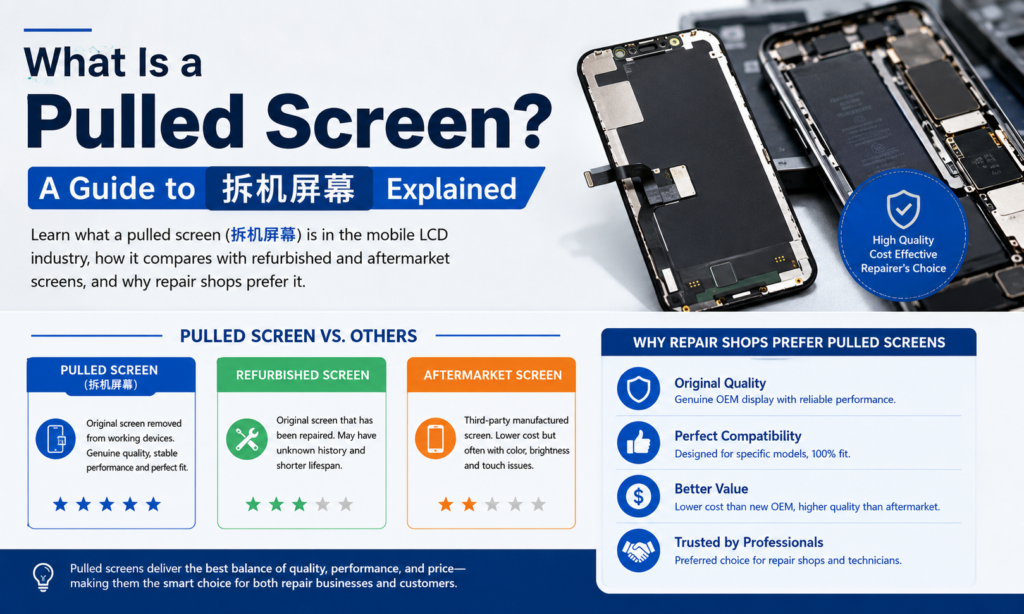
Κατανόηση της σημασίας της οθόνης Teardown
Εάν έχετε περάσει χρόνο σε εργοστάσια επισκευής κινητών τηλεφώνων, αγορές ανταλλακτικών χονδρικής, ή πάγκοι επισκευών στο Shenzhen, Γκουανγκζού, ή ακόμα και διαδικτυακές πλατφόρμες B2B, το πιθανότερο είναι ότι έχετε ακούσει τον όρο "Σκυστική οθόνη" πεταμένο πολύ. Κυριολεκτικά μεταφρασμένο από τα κινέζικα, σημαίνει "Αποσυναρμολογημένη οθόνη"— αλλά στη βιομηχανία οθονών κινητής τηλεφωνίας, οι περισσότεροι το αποκαλούν α τραβηγμένη οθόνη.
Τι ακριβώς είναι λοιπόν?
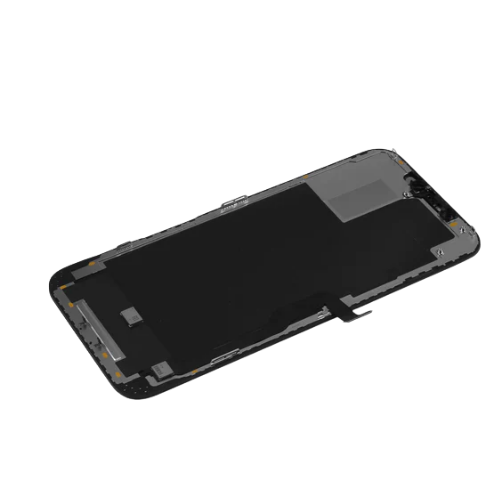
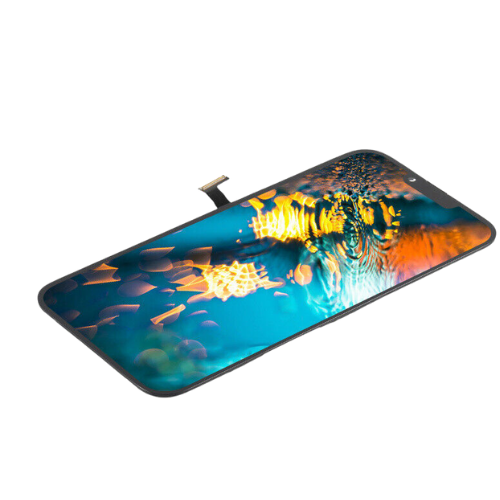
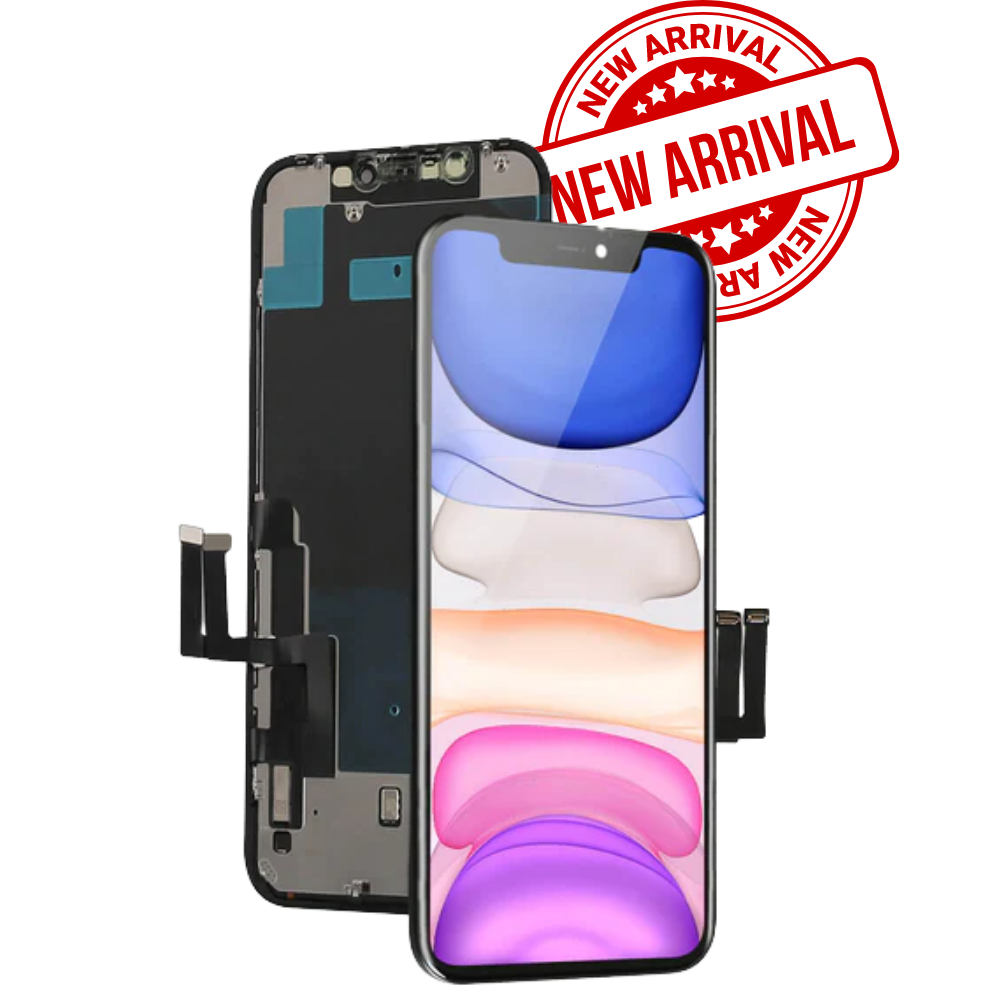
Μια τραβηγμένη οθόνη είναι ένα Η αρχική οθόνη smartphone αφαιρέθηκε από ένα χρησιμοποιημένο ή κατεστραμμένο τηλέφωνο. Το ίδιο το τηλέφωνο μπορεί να είχε ζημιά στη μητρική πλακέτα, προβλήματα μπαταρίας, ζημιά στο σπίτι, ή άλλα προβλήματα που δεν σχετίζονται με την οθόνη, ενώ η οθόνη παρέμενε χρησιμοποιήσιμη. Οι τεχνικοί αφαιρούν προσεκτικά αυτό το αρχικό συγκρότημα οθόνης, δοκιμάστε το, βαθμολογήστε το, και το μεταπωλούν στην αγορά επισκευής.
Σκεφτείτε το σαν να διασώζετε έναν τέλειο κινητήρα από ένα τρακαρισμένο αυτοκίνητο. Το όχημα μπορεί να αθροιστεί, αλλά ο κινητήρας εξακολουθεί να λειτουργεί όμορφα. Αυτό είναι ουσιαστικά η τραβηγμένη οθόνη. Η οθόνη έζησε ήδη μια ζωή μέσα σε ένα τηλέφωνο, αφαιρέθηκε, και τώρα αποκτά μια δεύτερη ζωή σε άλλη επισκευή.
Αυτός ο όρος είναι ιδιαίτερα κοινός στην Κίνα, επειδή η Κίνα είναι ένας από τους μεγαλύτερους κόμβους στον κόσμο ανακαίνιση smartphone, ανακύκλωση οθόνης, και διανομή ανταλλακτικών. Τα συνεργεία επισκευής συχνά χωρίζουν τις οθόνες σε κατηγορίες όπως π.χ:
| Τύπος οθόνης | Εννοια | Γνήσιο ανταλλακτικό κατασκευαστή | Κατάσταση |
|---|---|---|---|
| Τραβηγμένη οθόνη (Οθόνη αποσυναρμολόγησης) | Αφαιρέθηκε από το χρησιμοποιημένο τηλέφωνο | Ναί | Μεταχειρισμένος |
| Ανακαινισμένη οθόνη | Γνήσιο πάνελ με αντικατεστημένο γυαλί | Ναί | Επισκευασμένο |
| OEM Νέα οθόνη | Εργοστασιακό νέο πρωτότυπο | Ναί | Νέος |
| Οθόνη aftermarket | Αντίγραφο τρίτων | Οχι | Νέος |
Αυτή η διάκριση έχει μεγαλύτερη σημασία από όσο αντιλαμβάνονται πολλοί αγοραστές.
Γιατί ο όρος είναι κοινός στη βιομηχανία επισκευής τηλεφώνων της Κίνας
Το οικοσύστημα επισκευής κινητών της Κίνας κινείται απίστευτα γρήγορα. Εκατομμύρια κατεστραμμένα smartphone εισέρχονται σε κανάλια ανακύκλωσης και ανακαίνισης κάθε χρόνο. Μερικοί γίνονται συσκευές δότη. Άλλα απογυμνώνονται σε επαναχρησιμοποιήσιμα εξαρτήματα.
Οι οθόνες είναι από τα πιο πολύτιμα μέρη.
Δεδομένου ότι οι σύγχρονες οθόνες smartphone είναι ακριβές —ειδικά τα πάνελ OLED— η ανάκτησή τους έχει ισχυρό οικονομικό νόημα. Ένα iPhone με ραγισμένη πλάτη με λειτουργική οθόνη OLED εξακολουθεί να έχει σημαντική αξία. Αντί να το γκρεμίσετε, οι χονδρέμποροι ανακτούν την οθόνη και την πωλούν.
Αυτός είναι ο λόγος για τον οποίο το "拆机屏" έγινε μια τέτοια τυπική γλώσσα του κλάδου.
Τραβηγμένη οθόνη έναντι ανανεωμένης οθόνης έναντι οθόνης aftermarket
Οι άνθρωποι συχνά τα ανακατεύουν.
ΕΝΑ τραβηγμένη οθόνη είναι πρωτότυπο και ανέγγιχτο, απλά αφαιρέθηκε από άλλο τηλέφωνο.
ΕΝΑ ανακαινισμένη οθόνη συνήθως σημαίνει ότι η αρχική οθόνη OLED ή LCD διατηρήθηκε, αλλά το σπασμένο επάνω γυαλί αντικαταστάθηκε μέσω πλαστικοποίησης και ανακαίνισης.
Ενα οθόνη aftermarket παράγεται πρόσφατα από τρίτο κατασκευαστή και δεν είναι πρωτότυπο για τη μάρκα.
Αυτή η διαφορά αλλάζει τα πάντα—από τη φωτεινότητα μέχρι την απόκριση στην αφή και την ακρίβεια των χρωμάτων.
Από πού προέρχονται οι τραβηγμένες οθόνες
Οι τραβηγμένες οθόνες δεν εμφανίζονται ως δια μαγείας στις αποθήκες. Προέρχονται από μια εκπληκτικά μεγάλη και εξελιγμένη αλυσίδα εφοδιασμού δευτερευουσών συσκευών.
Σώθηκε από μεταχειρισμένα τηλέφωνα
Η πιο κοινή πηγή είναι τα τηλέφωνα δωρητών.
Αυτές οι συσκευές μπορεί να έχουν:
- νεκρές μητρικές πλακέτες
- ζημιά στο νερό
- κατεστραμμένο IC φόρτισης
- λυγισμένα πλαίσια
- κακές μπαταρίες
- κλειδωμένες συσκευές
- ζητήματα μαύρης λίστας παρόχων
Αλλά η οθόνη εξακολουθεί να λειτουργεί.
Οι τεχνικοί διαχωρίζουν την οθόνη, εκτελέστε λειτουργικές δοκιμές, και αν περάσει από έλεγχο, μπαίνει στο απόθεμα.
Ανακτήθηκε από κανάλια ανταλλαγής και ανακαίνισης
Η αγορά ανακαινισμένων smartphone συνεχίζει να αυξάνεται παγκοσμίως.
Η Counterpoint Research ανέφερε ότι η παγκόσμια αγορά ανακαινισμένων smartphone αυξήθηκε 5% χρόνο σε χρόνο σε 2024, με την Apple να αυξάνει το μερίδιό της σε 56%.
Αυτή η ανάπτυξη τροφοδοτεί απευθείας την αγορά της τραβηγμένης οθόνης.
Περισσότερες συναλλαγές σημαίνει περισσότερα μεταχειρισμένα τηλέφωνα που εισέρχονται σε κέντρα επεξεργασίας. Τα περισσότερα χρησιμοποιημένα τηλέφωνα σημαίνουν περισσότερες ανακτήσιμες αρχικές οθόνες.
Οι αναλυτές του κλάδου εκτιμούν επίσης την αγορά μεταχειρισμένων smartphone που δημιουργήθηκε γύρω $83 δισεκατομμύριο σε έσοδα πρόσφατα, καθιστώντας τα επαναχρησιμοποιούμενα εξαρτήματα όλο και πιο πολύτιμα.
Γιατί τα συνεργεία επισκευής προτιμούν τις τραβηγμένες οθόνες
Αρχική ποιότητα οθόνης
Αυτός είναι ο μεγαλύτερος λόγος.
Μια τραβηγμένη οθόνη εξακολουθεί να είναι η την αρχική οθόνη της μάρκας.
Αυτό σημαίνει:
- αρχική φωτεινότητα
- πρωτότυπη αντίθεση OLED
- εργοστασιακή βαθμονόμηση χρώματος
- εγγενής συμπεριφορά ανανέωσης
- πρωτότυπο IC αφής
- σωστές αποκοπές αισθητήρα
- κατάλληλο μέγεθος στεφάνης
Σε σύγκριση με πολλές εναλλακτικές λύσεις aftermarket, η διαφορά μπορεί να νιώσει νύχτα και μέρα.
Μια φθηνή aftermarket LCD συχνά μοιάζει σαν να ακούτε ένα συμπιεσμένο MP3. Μια τραβηγμένη αρχική οθόνη είναι σαν να ακούτε τον κύριο του στούντιο.
Το παρατηρείς αμέσως.
Καλύτερη συμβατότητα με το Face ID, δακτυλικό αποτύπωμα, και άγγιγμα
Η συμβατότητα είναι ένα άλλο σημαντικό πλεονέκτημα.
Οι σύγχρονες οθόνες είναι βαθιά ενσωματωμένες με λογισμικό και υλικό:
- Ευθυγράμμιση ευθυγράμμισης Face ID
- αισθητήρες δακτυλικών αποτυπωμάτων κάτω από την οθόνη
- παράθυρα αισθητήρα φωτός περιβάλλοντος
- Βαθμονόμηση True Tone
- firmware ελεγκτή αφής
Η χρήση μιας αρχικής τραβηγμένης οθόνης μειώνει τις εκπλήξεις συμβατότητας.
Οι κοινότητες επισκευών συνεχίζουν να αναφέρουν ότι οι γνήσιες ή τραβηγμένες οθόνες γενικά συμπεριφέρονται πιο προβλέψιμα από τις αντικαταστάσεις μετά την αγορά χαμηλού κόστους, ειδικά σε κορυφαία μοντέλα OLED.
Διαβάθμιση ποιότητας τραβηγμένων οθονών
Δεν είναι κάθε τραβηγμένη οθόνη ίση.
Γι' αυτό οι προμηθευτές τα βαθμολογούν.
Α-Βαθμός
Συνήθως σημαίνει:
- χωρίς γρατσουνιές ή πολύ μικρή φθορά
- χωρίς νεκρά pixel
- χωρίς καύση
- λειτουργία πλήρους αφής
- εξαιρετική καλλυντική εμφάνιση
Αυτά δίνουν εντολή premium τιμολόγησης.
Β-Βαθμός
μπορεί να περιλαμβάνει:
- ελαφριές γρατσουνιές
- μικρά σημάδια πίεσης
- μικροσκοπικά καλλυντικά
Η λειτουργικότητα παραμένει καλή.
Οθόνες με καμένα ή μικρά ελαττώματα
Η καύση OLED είναι συνηθισμένη.
Ειδικά με:
- σκιές της γραμμής κατάστασης
- πληκτρολόγιο φαντάσματα
- Εγγραφή του TikTok UI
- διατήρηση της γραμμής πλοήγησης
Αυτά πωλούνται φθηνότερα και συχνά πηγαίνουν σε συσκευές οικονομικής ανακαίνισης.
Πάντα να ζητάτε από τους προμηθευτές:
- έγκαυμα φωτογραφίες σε λευκό φόντο
- δοκιμή μαύρης οθόνης
- δοκιμή πλέγματος αφής
- δοκιμή φωτεινότητας
- Επαλήθευση True Tone ή δακτυλικού αποτυπώματος
Τραβηγμένη οθόνη έναντι νέας οθόνης OEM
Μια ολοκαίνουργια οθόνη OEM είναι ιδανική — αλλά ακριβή.
Υπάρχουν τραβηγμένες οθόνες λόγω αυτού του κενού τιμών.
| Χαρακτηριστικό | Τραβηγμένη οθόνη | OEM Νέα οθόνη |
|---|---|---|
| Γνήσιο ανταλλακτικό κατασκευαστή | Ναί | Ναί |
| Παλαιότερα χρησιμοποιήθηκε | Ναί | Οχι |
| Τιμή | Χαμηλότερος | Πιο ψηλά |
| Καλλυντική ένδυση | Δυνατός | Κανένας |
| Εκτέλεση | Πολύ κοντά στο πρωτότυπο | Πρωτότυπο |
Για πολλά συνεργεία επισκευής, η επιλογή έρχεται στα οικονομικά.
Εάν το OEM νέο κόστος $150 και μια δοκιμασμένη τραβηγμένη οθόνη κοστίζει $95, πολλοί πελάτες επιλέγουν την τραβηγμένη επιλογή.
Τραβηγμένη οθόνη έναντι Aftermarket LCD
Αυτή η σύγκριση είναι όπου τα πράγματα γίνονται ενδιαφέροντα.
Λάμψη, χρώμα, και απόδοση αφής
Οι οθόνες aftermarket μπορεί να διαφέρουν πολύ.
Μερικοί είναι αξιοπρεπείς.
Κάποια είναι τρομερά.
Οι πρόσφατοι οδηγοί αγοράς της βιομηχανίας επισκευών σημειώνουν ότι τα aftermarket OLED συχνά πετυχαίνουν χονδρικά 85-90% ακρίβεια χρώματος έναντι των αρχικών οθονών, ενώ οι οθόνες LCD αντικατάστασης χαμηλότερου επιπέδου μπορεί να πέσουν πολύ χαμηλότερα ανάλογα με το επίπεδο ποιότητας.
Οι κοινές διαφορές περιλαμβάνουν:
- χαμηλότερη φωτεινότητα
- πιο ψυχρά λευκά
- φτωχότεροι μαύροι
- πιο χοντρά πλαίσια
- αργό άγγιγμα
- μειωμένη ομαλότητα ανανέωσης
Οι τραβηγμένες γνήσιες οθόνες συνήθως τις ξεπερνούν.
Μακροχρόνια αντοχή
Η ανθεκτικότητα μπορεί επίσης να ευνοήσει τις τραβηγμένες οθόνες.
Γιατί?
Επειδή ο αρχικός πίνακας σχεδιάστηκε ειδικά για αυτό το τηλέφωνο από τον κατασκευαστή.
Τα ανταλλακτικά aftermarket μερικές φορές μειώνουν το κόστος:
- αντοχή γυαλιού
- ευέλικτη ποιότητα καλωδίου
- κόλλες
- Ποιότητα IC
Αυτό δεν σημαίνει ότι κάθε οθόνη aftermarket είναι κακή.
Αλλά η συνέπεια είναι πιο δύσκολο να εξασφαλιστεί.
Κίνδυνοι που πρέπει να γνωρίζουν οι αγοραστές πριν αγοράσουν
Οι τραβηγμένες οθόνες είναι εξαιρετικές, αλλά όχι ακίνδυνες.
Κρυφή ζημιά και κάψιμο
Τα πιθανά ζητήματα περιλαμβάνουν:
- OLED καύση
- αγγίξτε νεκρά σημεία
- ανυψωμένο πλαίσιο
- εξασθενημένη κάμψη
- προηγούμενη ζημιά επισκευής
- σημάδια πίεσης
Οι καλοί προμηθευτές θα τα αποκαλύψουν.
Οι κακοί προμηθευτές δεν θα το κάνουν.
Αξιοπιστία προμηθευτή
Αυτό έχει μεγαλύτερη σημασία από την ίδια την οθόνη.
Αγοράστε από πωλητές που παρέχουν:
- Βίντεο QC
- εγγύηση
- πολιτική επιστροφής
- πρότυπα βαθμολόγησης
- πραγματικές φωτογραφίες
- σειριακή επισήμανση
Χωρίς αυτό, Η αγορά τραβηγμένων οθονών μπορεί να μοιάζει σαν να αγοράζετε κουτιά μυστηρίου.
Και σε κανέναν δεν αρέσουν οι ακριβές εκπλήξεις.
Πώς να αναγνωρίσετε μια τραβηγμένη οθόνη υψηλής ποιότητας
Ακολουθεί μια πρακτική λίστα ελέγχου επιθεώρησης που χρησιμοποιούν οι αγοραστές.
Λίστα ελέγχου επιθεώρησης
Πριν την αγορά:
- επαληθεύστε τον αριθμό μοντέλου
- δοκιμή ομοιομορφίας φωτεινότητας
- ελέγξτε τα νεκρά pixel
- επιθεωρήστε το ελαστικό καλώδιο
- επιθεωρήστε τις ακίδες σύνδεσης
- δοκιμαστική αφή σε ολόκληρο τον πίνακα
- inspect OLED burn-in on white screen
- inspect scratches under direct light
- verify Face ID or fingerprint compatibility
- request warranty terms
Αν είναι δυνατόν, ask for video testing.
A quick test video often tells more than ten product photos.
Market Trends in 2025–2026 for Pulled Smartphone Screens
The pulled-screen business is riding a larger industry wave.
Consumers are keeping phones longer.
Repairing instead of replacing.
Buying refurbished instead of new.
That shifts demand toward reusable original parts.
Industry data shows global refurbished smartphone sales continued rising into 2025, growing around 3–5% year-over-year, even while new-device growth remained slower in many markets.
That trend supports demand for:
- τραβηγμένες οθόνες
- original housings
- used camera modules
- reclaimed batteries
- ανακαινισμένες οθόνες
Sustainability plays a role too.
Μια επαναχρησιμοποιημένη οθόνη σημαίνει:
- λιγότερα ηλεκτρονικά απόβλητα
- χαμηλότερη ζήτηση παραγωγής
- χαμηλότερο κόστος επισκευής
- μεγαλύτερη διάρκεια ζωής της συσκευής
Με πολλούς τρόπους, οι τραβηγμένες οθόνες κάθονται ακριβώς στη διασταύρωση του επισκευασσιμότητα, προσιτή τιμή, και βιωσιμότητας.
Σύναψη
Ο όρος "Σκυστική οθόνη", ή τραβηγμένη οθόνη, είναι μια από τις πιο σημαντικές έννοιες στον κλάδο των οθονών επισκευής smartphone.
Είναι απλό στα χαρτιά: μια αρχική οθόνη που αφαιρέθηκε από άλλη συσκευή.
Στην πράξη όμως, αντιπροσωπεύει ένα τεράστιο παγκόσμιο οικοσύστημα που βασίζεται στην επισκευή, επαναχρησιμοποίηση, και να παρατείνει τη διάρκεια ζωής των ηλεκτρονικών.
Για συνεργεία επισκευής, Οι τραβηγμένες οθόνες προσφέρουν ένα γλυκό σημείο μεταξύ τιμή και ποιότητα.
Για πελάτες, συχνά παρέχουν καλύτερη εμπειρία προβολής από τα φθηνότερα αντίγραφα aftermarket.
Για τον κλάδο, βοηθούν να κρατηθούν εκατομμύρια εκθέσεις μακριά από χωματερές και να επιστρέψουν στα χέρια των ανθρώπων.
Εάν αγοράζετε ανταλλακτικές οθόνες smartphone—ειδικά για iPhone, Samsung, ή άλλα μοντέλα premium—η κατανόηση του τι είναι μια τραβηγμένη οθόνη μπορεί να εξοικονομήσει χρήματα, βελτίωση της ποιότητας επισκευής, και θα σας βοηθήσει να αποφύγετε την αγορά του λάθος ανταλλακτικού.
Και μερικές φορές, η καλύτερη οθόνη δεν είναι η πιο πρόσφατη.
Είναι το αρχικό που παίρνει μια δεύτερη ευκαιρία.
Συχνές ερωτήσεις
1. Είναι πρωτότυπο με τραβηγμένη οθόνη?
Ναί. Μια τραβηγμένη οθόνη είναι ένα αρχική οθόνη κατασκευαστή αφαιρεθεί από μια χρησιμοποιημένη συσκευή.
2. Είναι μια τραβηγμένη οθόνη καλύτερη από μια οθόνη aftermarket?
Συνήθως ναι. Οι τραβηγμένες οθόνες προσφέρουν γενικά καλύτερη φωτεινότητα, χρώμα, και αγγίζουν την απόδοση γιατί είναι πρωτότυπα.
3. Η τραβηγμένη οθόνη σημαίνει ότι έχει επισκευαστεί;?
Όχι απαραίτητα. Μπορεί απλώς να έχει αφαιρεθεί από άλλο τηλέφωνο. Αυτό είναι διαφορετικό από μια ανακαινισμένη οθόνη.
4. Μπορεί οι τραβηγμένες οθόνες να έχουν καύση?
Ναί. Ειδικά OLED τραβηγμένες οθόνες. Επιθεωρείτε πάντα πριν αγοράσετε.
5. Γιατί οι τραβηγμένες οθόνες είναι φθηνότερες από τις νέες οθόνες OEM?
Επειδή χρησιμοποιούνται. Κι ας είναι πρωτότυπα, η προηγούμενη χρήση μειώνει την τιμή μεταπώλησής τους.