Introduction to Xiaomi Mobile Phone Display Technology
Xiaomi has become one of the most influential smartphone manufacturers in the global market, especially in regions where consumers want strong performance at competitive prices. Since the launch of its first smartphones, Xiaomi has focused on delivering advanced hardware features while maintaining affordable pricing. One of the most important components behind the user experience is the display. Whether users are watching videos, pagdula, pag-browse sa social media, or managing business tasks, the quality of the mobile phone screen directly affects daily interaction.
The demand for Xiaomi mobile phone LCD screens has grown rapidly because millions of Xiaomi devices are active worldwide. When these phones experience cracked glass, display failures, touch problems, or accidental damage, replacement screens become essential for repair shops, mga distributor, and maintenance companies. Unlike premium smartphone brands that often rely heavily on expensive OLED technology, many Xiaomi and Redmi models continue to use high-quality LCD panels, creating a strong replacement market.
The smartphone repair industry has changed significantly in recent years. Customers are no longer satisfied with low-quality replacement parts that create problems after installation. They expect screens with good brightness, tukma nga mga kolor, smooth touch response, and reliable durability. This has pushed LCD suppliers to improve production standards, inspection processes, and quality control systems.
For wholesalers and repair businesses, understanding Xiaomi screen technology is more than knowing product names. It requires knowledge about different models, screen structures, kalidad nga lebel, manufacturing processes, and market demand. Choosing the correct Xiaomi LCD supplier can directly influence repair success rates, katagbawan sa kustomer, and long-term business profitability.
Understanding Xiaomi Mobile Phone Screen Types
LCD vs AMOLED Displays in Xiaomi Devices
Xiaomi smartphones use different display technologies depending on the product category, price range, and release year. The two major technologies found in Xiaomi devices are LCD (Likido nga crystal display) ug Mulo (Aktibo nga Matrix Organic Light Emitting Diode).
LCD screens use a backlight system to illuminate pixels. This technology has existed for many years and remains popular because it provides stable performance, reliable production costs, ug taas nga serbisyo sa kinabuhi. Many Redmi entry-level and mid-range smartphones use LCD panels because they offer an excellent balance between price and performance.
AMOLED technology works differently because each pixel produces its own light. Kini nagtugot sa mas lawom nga mga itom, mas taas nga contrast ratios, nipis nga mga disenyo, and better energy efficiency in certain situations. Premium Xiaomi models such as Xiaomi flagship series devices increasingly use AMOLED displays to compete with high-end smartphones from Samsung and Apple.
The differences between LCD and AMOLED can be summarized as follows:
| Kalidad | Xiaomi LCD Screen | Xiaomi AMOLED Screen |
|---|---|---|
| Pagpakita sa Teknolohiya | Backlit liquid crystal | Mga organikong pixel nga nagdan-ag sa kaugalingon |
| Presyohan | Ubos nga gasto sa produksiyon | Taas nga gasto sa produksiyon |
| Kahayag | Stable and reliable | Usually higher peak brightness |
| Kolor nga Pagpasundayag | Natural nga mga kolor | Mas tin-aw nga mga kolor |
| Kasagarang Paggamit | Redmi budget and mid-range models | Xiaomi flagship and premium models |
| Replacement Cost | Mas barato | Mas mahal |
Although AMOLED attracts attention because of advanced specifications, Xiaomi LCD screens remain extremely important because Redmi phones and affordable Xiaomi models represent a huge portion of global sales.
Common Xiaomi Screen Technologies and Specifications
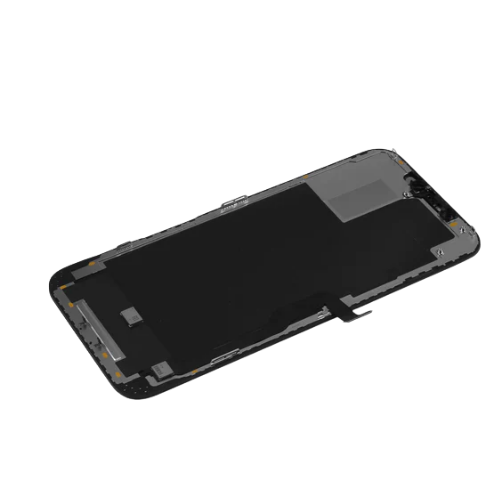
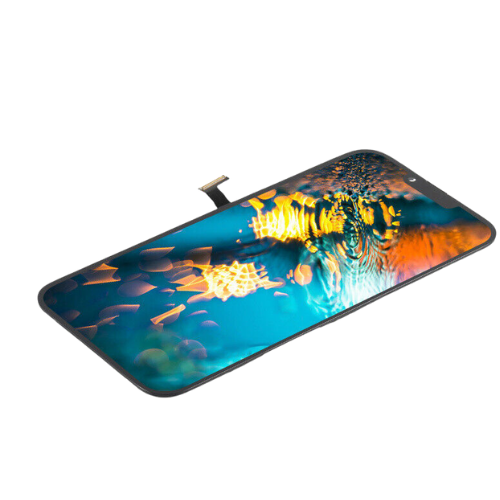
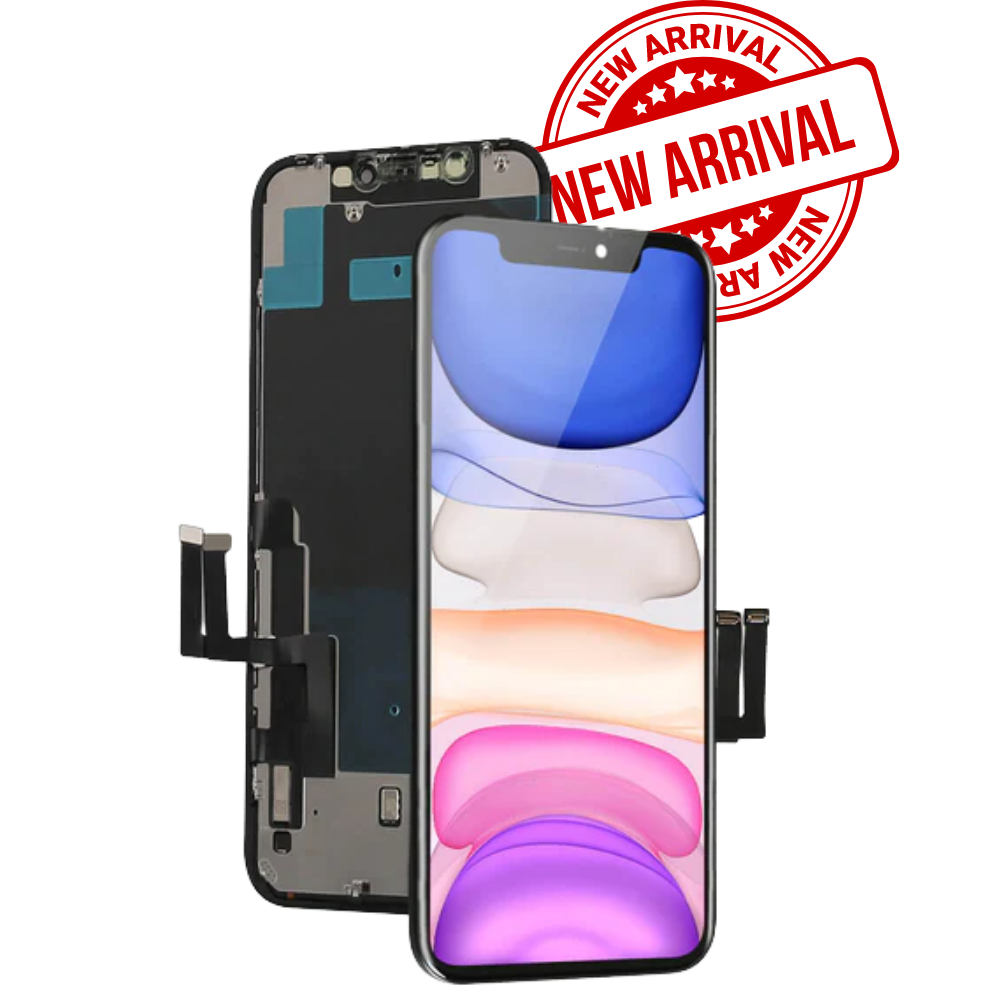
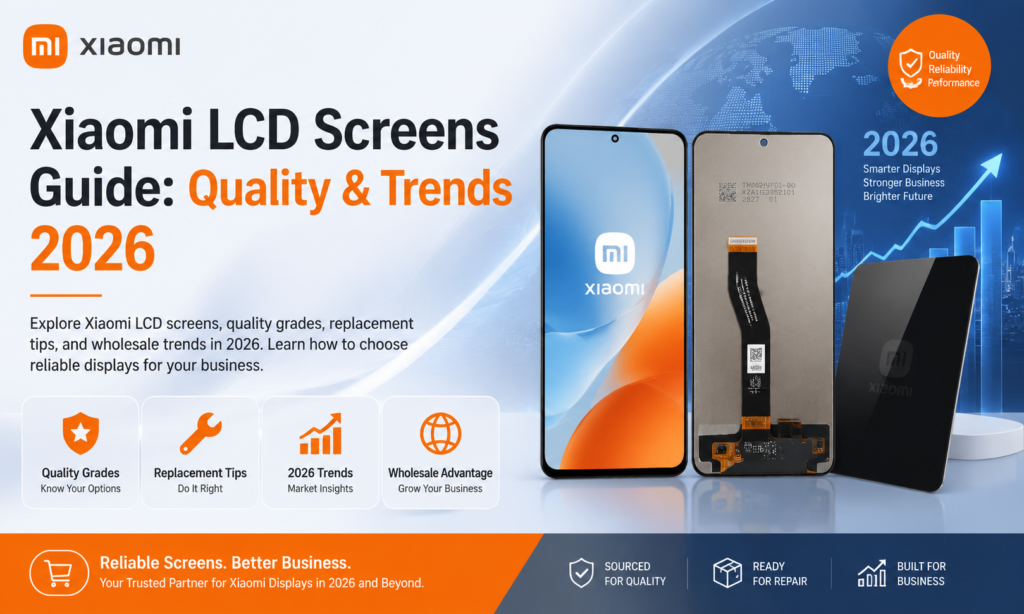
Modern Xiaomi LCD screens are not simple display panels. They combine multiple layers including protective glass, paghikap digitizer, LCD panel, polarizer, backlight components, and flexible circuit connections. A high-quality replacement screen requires precise manufacturing because even small differences can cause touch sensitivity problems or display abnormalities.
Important Xiaomi LCD specifications include:
- Gidak-on sa screen: Usually between 5.5 inches and 6.8 inches depending on the model.
- Resolusyon: HD+, Full HD+, ug mas taas nga mga resolusyon.
- Refresh rate: Common options include 60Hz, 90Hz, and 120Hz.
- Ang lebel sa kahayag: Important for outdoor visibility.
- Paghikap tubag: Critical for gaming and daily operation.
- Kamatuuran sa kolor: Determines the visual experience.
Alang sa mga propesyonal sa pag-ayo, the screen structure is just as important as technical specifications. A replacement screen with poor bonding quality may work initially but develop issues after several weeks of use.
Popular Xiaomi Series and Their LCD Screen Features
Redmi Series LCD Screens
Ang Redmi series is one of Xiaomi’s strongest product lines and plays a major role in the global smartphone market. Redmi phones are popular because they provide practical features at affordable prices. Countries across Asia, Europe, Africa, and Latin America have strong demand for Redmi devices.
Popular Redmi models include:
- Mga serye sa Redmi Note
- Redmi A nga serye
- Redmi numbered series
- Redmi C series
Many Redmi smartphones are designed for mass-market users, which means replacement parts have consistent demand. Repair shops often need large quantities of Redmi LCD screens because these devices are widely used.
Pananglitan, Redmi Note models frequently appear in repair markets because they combine affordable pricing with powerful specifications. When accidental damage occurs, customers usually prefer replacing the screen instead of buying a new phone.
A reliable Redmi LCD replacement should provide:
- Accurate model compatibility
- Strong touch sensitivity
- Lig-on nga kahayag
- Good viewing angles
- Durable glass protection
Wholesale buyers should also pay attention to production batches because different suppliers may offer different quality levels for the same Redmi model.
Xiaomi Number Series and Premium Displays
The Xiaomi number series represents a higher position compared with Redmi products. Models such as Xiaomi 12, Xiaomi 13, Xiaomi 14, and newer generations focus more on performance, camera technology, and premium design.
Many premium Xiaomi devices use AMOLED displays, but LCD replacement demand still exists for older models and specific versions. The repair market continues to support previous-generation smartphones because users often keep devices longer due to rising smartphone prices.
Para sa mga distributor, understanding Xiaomi model differences is essential. Similar model names can sometimes have different screen assemblies depending on region, production version, or hardware configuration.
POCO Series Display Solutions
Bokado, a Xiaomi-related smartphone brand, has gained popularity among younger users and mobile gaming communities. POCO devices usually emphasize performance, large displays, ug competitive nga presyo.
Models such as POCO X series and POCO M series create additional demand for replacement displays. Because many POCO users choose these phones for gaming and entertainment, screen quality is especially important.
A poor-quality replacement LCD can negatively affect:
- Gaming response speed
- Pagkatukma sa paghikap
- Battery performance
- Visual experience
Busa, wholesalers should select suppliers that provide stable quality control and accurate testing procedures.
Xiaomi LCD Screen Quality Grades Explained
Orihinal, Om, ug Aftermarket Screens
One of the biggest challenges in the Xiaomi LCD replacement market is understanding quality grades. Different suppliers may describe products using terms such as original, Om, orihinal nga giayo, Aftermarket, or compatible.
These terms can sometimes create confusion.
| Quality Type | Deskripsyon |
|---|---|
| Orihinal nga Screen | Genuine factory component or original specification |
| OEM Screen | Produced according to original manufacturing standards |
| Gibag-o nga Screen | Original panel repaired or reused |
| Screen sa Aftermarket | Third-party manufactured replacement |
For business buyers, the most important factor is not only the label but the actual performance. A reliable supplier should provide testing information, mga sample sa produkto, and clear quality standards.
How to Evaluate Replacement Screen Quality
Professional buyers usually evaluate Xiaomi LCD screens through multiple inspection steps.
Important testing points include:
- Pagsulay sa kahayag sa pagpakita
- Pagsulay sa function sa paghikap
- Color checking
- Patay nga pixel inspeksyon
- Frame fitting inspection
- Flexible cable testing
- Mga pagsulay sa pagkatigulang
A strong quality control system reduces customer complaints and increases repair success rates.
Xiaomi LCD Screen Replacement Market Trends in 2026
Global Repair Industry Growth
The smartphone repair industry continues expanding because consumers increasingly prefer repairing devices rather than replacing them. Ang pagtaas sa mga presyo sa smartphone, environmental awareness, and longer device usage cycles all contribute to repair demand.
Xiaomi’s large installed user base creates continuous demand for replacement components. As older models remain active in developing markets, LCD screen suppliers continue receiving orders for previous-generation devices.
The replacement market is also becoming more professional. Repair businesses now expect suppliers to provide:
- Stable inventory
- Dali nga pagpadala
- Teknikal nga suporta
- Kanunay nga kalidad
- Kompetisyon nga presyo
Increasing Demand for Reliable Wholesale Suppliers
Sa 2026, buyers are paying more attention to supplier reliability. Price remains important, but quality problems can create larger financial losses through returns, labor costs, and customer dissatisfaction.
A professional Xiaomi LCD supplier should provide:
- Multiple Xiaomi and Redmi models
- Factory-level inspection
- Secure packaging
- Flexible order quantities
- International shipping support
Para sa mga wholesaler, choosing a supplier is similar to choosing a business partner. A low price may look attractive initially, but stable quality creates long-term value.
How to Choose Xiaomi LCD Screens for Wholesale Purchasing
Checking Compatibility and Model Accuracy
One common mistake in LCD wholesale purchasing is ordering incorrect models. Xiaomi releases many smartphone versions, and similar names can create confusion.
Sa dili pa mopalit, buyers should confirm:
- Eksaktong numero sa modelo
- Gidak-on sa screen
- LCD or AMOLED version
- Type sa connector
- Frame or without-frame structure
Professional suppliers usually maintain detailed product databases to prevent compatibility problems.
Supplier Inspection and Quality Control Standards
A trustworthy supplier should have a complete inspection process before shipment.
Pananglitan, professional LCD suppliers may perform dozens of inspection procedures, lakip:
- Appearance inspection
- Paghikap pagsulay
- Pagpakita sa pagsulay
- Function testing
- Packaging inspection
This process protects both suppliers and customers.
Xiaomi LCD Screen Packaging, Pagpadala, and Business Tips
Reducing Transportation Risks
LCD screens are fragile electronic components. Even high-quality products can be damaged if packaging is poor.
Good packaging methods include:
- Anti-static nga proteksyon
- Shock-resistant nga mga materyales
- Individual protection bags
- Strong outer cartons
International shipping requires additional attention because products may experience vibration, kapit-os, and temperature changes.
Pagtukod og Long-Term nga Relasyon sa Supplier
Successful repair businesses rarely depend only on price. Long-term cooperation requires communication, kasaligan, and technical support.
A strong supplier relationship can provide advantages such as:
- Faster problem solving
- Better inventory access
- Market updates
- Customized purchasing solutions
Future Development of Xiaomi Display Technology
Flexible Displays and AI Smartphone Trends
The smartphone display industry continues evolving. Xiaomi is investing in new technologies including high refresh rate displays, flexible screens, and improved energy efficiency.
Future Xiaomi devices may combine advanced AI features with smarter display technologies. Screens will not only show information but also become a more interactive part of the user experience.
The Evolution of Affordable High-Quality Screens
One major trend in the smartphone industry is bringing premium features to affordable devices. Xiaomi has built its reputation around this strategy, and display technology will continue following this direction.
For LCD suppliers, this means continuous improvement in manufacturing accuracy, mga materyales, and testing standards.
Kataposan: Choosing the Right Xiaomi LCD Screen Partner
Xiaomi mobile phone LCD screens remain an important segment of the global smartphone repair industry. From Redmi budget models to POCO performance devices, millions of users require reliable replacement displays every year.
Para sa mga repair shop, mga distributor, ug mga wholesaler, success depends on choosing screens that provide stable quality, accurate compatibility, and competitive value. Understanding LCD technology, kalidad nga mga grado, and market trends helps buyers make smarter decisions.
A professional Xiaomi LCD screen supplier is not only a product provider but also a long-term partner who supports inventory planning, pagkontrol sa kalidad, and business growth.
FAQs About Xiaomi Mobile Phone LCD Screens
1. Are Xiaomi LCD screens easy to replace?
Oo, Xiaomi LCD screens can usually be replaced by professional repair technicians. Hinoon, proper tools and experience are required to avoid damaging connectors or internal components.
2. What is the difference between original and aftermarket Xiaomi screens?
Original screens follow Xiaomi’s original manufacturing specifications, while aftermarket screens are produced by third-party manufacturers. Quality can vary depending on the supplier and production standards.
3. Which Xiaomi models have the highest LCD replacement demand?
Mga serye sa Redmi Note, Redmi A nga serye, and POCO M/X series models generally have strong replacement demand because of their large global user base.
4. How can wholesalers choose a reliable Xiaomi LCD supplier?
Wholesalers should check supplier experience, quality inspection procedures, mga sample sa produkto, mga palisiya sa warranty, and customer feedback before making large purchases.
5. Is Xiaomi LCD screen wholesale business profitable?
Oo, Xiaomi LCD wholesale can be profitable because Xiaomi devices have a large installed market. Profitability depends on supplier selection, inventory management, pricing strategy, and quality control.