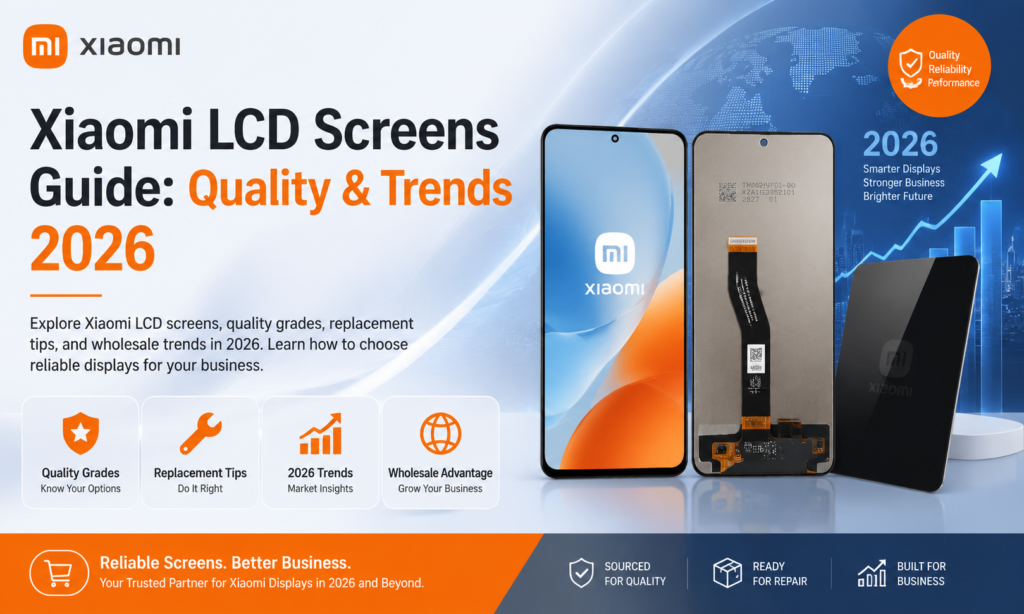
If you buy, επισκευή, distribute, or resell Xiaomi phones, you have probably discovered something interesting: a phone screen can look like a simple replacement part, but the real product is much more complicated. A Xiaomi replacement display is not just a piece of glass with an image underneath. Depending on the phone model, the assembly can involve a display panel, ψηφιοποιητής αφής, flexible cable, IC, πολωτή, σύστημα οπίσθιου φωτισμού, πλαίσιο, συγκολλητικός, and other components that all need to work together. That is why two screens advertised for the same Xiaomi or Redmi model can have noticeably different prices and performance. A cheaper screen may look acceptable in a product photo but produce weaker brightness, poorer touch response, υψηλότερη κατανάλωση ενέργειας, or compatibility problems after installation. Για χονδρεμπόρους, συνεργεία επισκευής, και διανομείς, understanding these differences is much more valuable than simply searching for the lowest unit price.
The market itself is also changing quickly. Xiaomi’s newer Redmi models increasingly use AMOLED rather than conventional LCD technology; για παράδειγμα, Xiaomi’s current Redmi Note 17 specifications list an AMOLED display with a 120Hz refresh rate. Συγχρόνως, the replacement market continues to require large volumes of displays for older and value-oriented models, creating an interesting situation for buyers: new phone technology is moving toward OLED, while LCD replacement demand remains important for existing devices. This makes product selection, σχεδιασμός απογραφής, and supplier verification especially important if you intend to purchase Xiaomi phone LCD screens in bulk.
What Is a Xiaomi Phone LCD Screen?
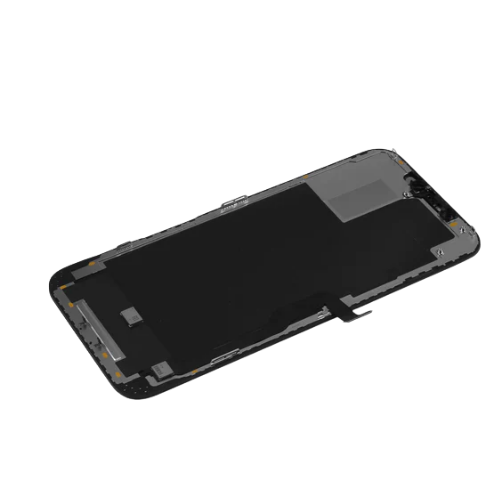
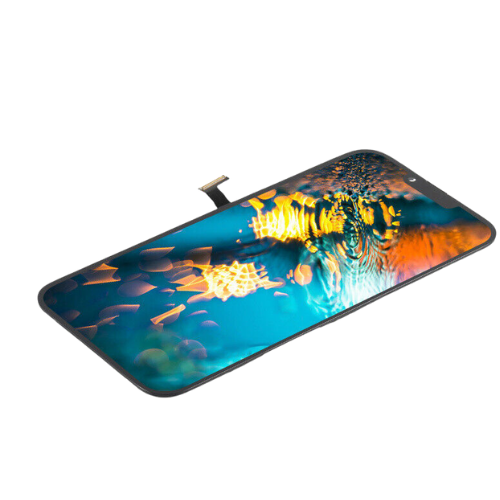
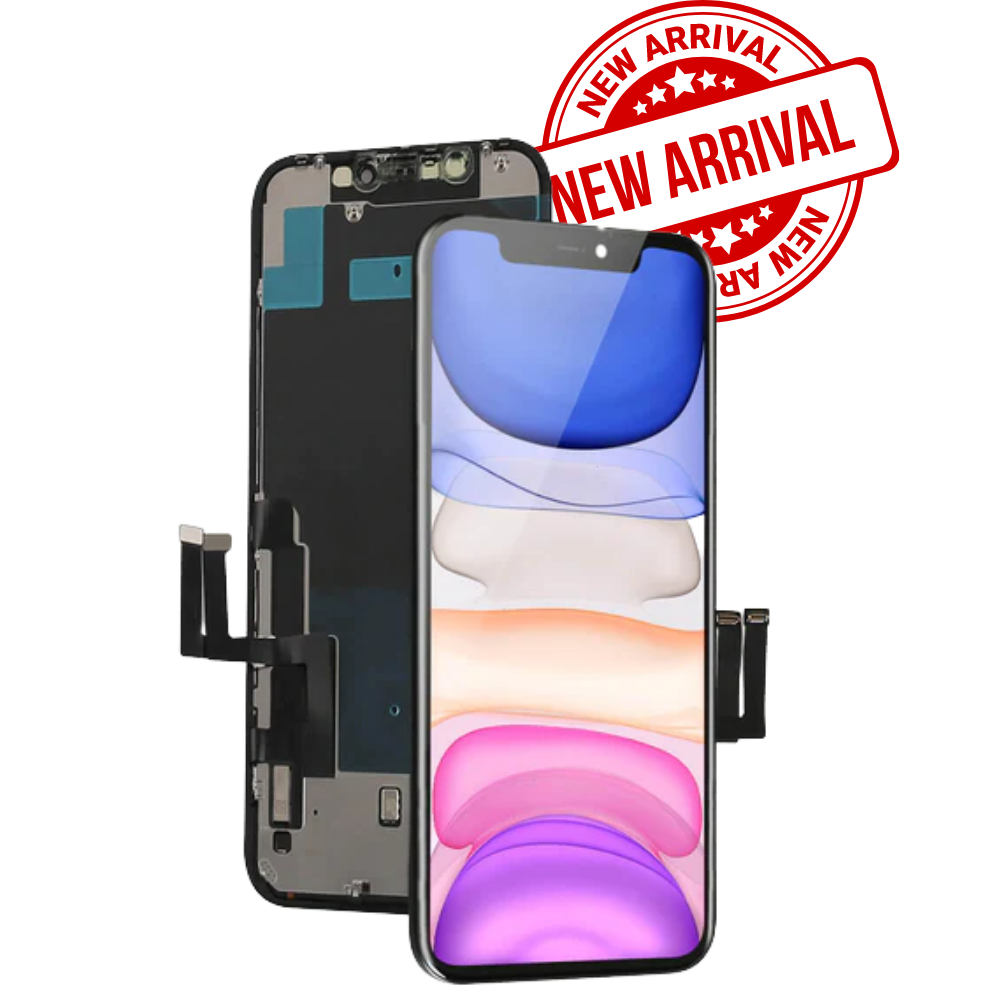
A Xiaomi phone LCD screen is a display assembly designed to reproduce images, text, βίντεο, and interface graphics on compatible Xiaomi or Redmi smartphones. Traditional LCD technology uses a liquid-crystal layer controlled by electrical signals, while a separate backlight provides the illumination needed to make the image visible. In many replacement assemblies, the display is combined with the touch-sensitive layer and protective glass, which is why suppliers often use terms such as LCD assembly, Οθόνη LCD, συγκρότημα οθόνης, or screen replacement interchangeably. The exact construction depends on the phone model and the type of replacement being offered, so buyers should never assume that every Xiaomi LCD screen has the same internal design.
For a wholesale buyer, the most important point is that “οθόνη υγρού κρυστάλλου” describes a display technology, not a universal product specification. One Xiaomi replacement LCD may have a different resolution, επίπεδο φωτεινότητας, αγγίξτε το IC, διάταξη συνδετήρα, σχέδιο πλαισίου, or manufacturing quality from another. Even when two products are physically similar, their electrical characteristics may differ. This is why professional purchasing normally starts with the exact phone model or part number rather than a broad request such as “Xiaomi LCD.” The more precise your product identification is, the less likely you are to receive an incompatible or incorrectly configured batch.
How an LCD Module Works
Think of a phone display as a small orchestra. The LCD panel produces the visual image, the backlight supplies illumination, the touch system detects your finger, and the phone’s mainboard communicates with the display through the flex cable and connector. If one part of that orchestra is out of tune, the entire user experience can suffer. A panel may display a sharp image but have poor touch accuracy, while another replacement may have responsive touch but uneven illumination. The complete assembly therefore needs to be evaluated as a system rather than judged only by whether an image appears on the screen.
The backlight is particularly important in conventional LCD assemblies because LCD pixels do not generate their own visible light in the same way as OLED pixels. Light passes through the panel and color-filter structure to create the final image seen by the user. The quality of the backlight, πολωτή, πίνακας, and assembly process can affect brightness uniformity, viewing quality, κατανάλωση ρεύματος, and visual comfort. When purchasing large quantities, asking suppliers about their production process and testing standards can reveal much more than asking whether the screen is “high quality.”
οθόνη υγρού κρυστάλλου, AMOLED, και OLED: What Is the Difference?
The first distinction a Xiaomi screen buyer should understand is the difference between LCD and AMOLED. An LCD normally depends on a backlight, whereas AMOLED uses self-emitting pixels, allowing individual pixels to be controlled without a conventional backlight. This difference influences black levels, αντίθεση, πάχος, συμπεριφορά εξουσίας, και το κόστος κατασκευής. AMOLED can provide extremely deep blacks because pixels can be turned off, while LCD technology can still offer practical advantages in cost and replacement availability for particular devices.
The terminology can also become confusing in the wholesale market because suppliers sometimes describe replacement products using broad terms such as “οθόνη υγρού κρυστάλλου,” “OLED,” “σκληρό OLED,” “μαλακό OLED,” ή “AMOLED.” These terms should not be treated as interchangeable. A buyer should first establish what display technology the original phone uses and then decide whether the replacement must match the original technology or whether a compatible alternative is acceptable. This is especially important for Xiaomi and Redmi devices because specifications vary considerably between generations and price segments. Xiaomi’s current Redmi Note 17 Pro 5G, για παράδειγμα, uses a 6.83-inch 1.5K AMOLED display with up to 120Hz refresh rate, showing how far newer Redmi display specifications have moved beyond basic LCD configurations.
Why Xiaomi LCD Screens Are Still Important in the Replacement Market
You might reasonably ask: if newer Xiaomi phones increasingly use AMOLED, why would anyone still purchase LCD screens? The answer is inventory. Smartphones do not disappear when a manufacturer launches a new generation. Older Xiaomi and Redmi devices remain in use for years, and every cracked screen, damaged touch panel, black display, or failed assembly creates replacement demand. Repair shops therefore need parts for models that may no longer receive much attention from mainstream consumer electronics marketing. A wholesale supplier that understands this long-tail demand can sometimes build a profitable business around products that are no longer considered “new.”
The broader display market also illustrates why technology transitions do not happen overnight. Omdia’s 2026 smartphone display research tracks multiple technologies, including a-Si, LTPS, oxide TFT LCD, AMOLED, PMOLED, and PMLCD, reflecting a market where different display technologies continue to coexist. Omdia also reported in 2026 that AMOLED smartphone display shipments were expected to decline to 778 εκατομμύρια μονάδες, down 7% year over year, amid higher component costs and weaker demand from Chinese smartphone brands. Για αγοραστές, the lesson is simple: do not build your procurement strategy around technology headlines alone. Follow the actual models your customers repair and the quantities they repeatedly order.
Πρωτότυπο, OEM, και οθόνες aftermarket
One of the most confusing areas of phone-screen purchasing is terminology. “Πρωτότυπο,” “OEM,” “service pack,” “ανακαινισμένο πρωτότυπο,” “incell,” “compatible,” και “aftermarket” can refer to substantially different products depending on the supplier. A screen described as “πρωτότυπο” may mean an original panel, an original assembly, a refurbished original assembly, or simply a supplier’s marketing description. Επομένως, the label itself should never be the only basis for purchasing a large quantity.
Αντί, define the quality level in measurable terms. Ask whether the panel is new or refurbished, whether the glass has been replaced, whether the touch layer is original or aftermarket, what type of panel is used, what testing is performed, and what warranty applies. If you are buying for professional resale, request samples before approving mass production. A reliable supplier should be comfortable discussing these details because quality specifications are easier to trust when they are supported by a repeatable QC process rather than vague claims.
Why Screen Quality Can Vary So Much
Price differences often come from components and manufacturing processes that are invisible once the phone is assembled. Two displays can have the same advertised size and resolution but use different panel sources, touch components, ποτήρι, εύκαμπτα καλώδια, IC, κόλλες, or frames. The assembly environment matters too. Poor lamination can create bubbles or dust, while inconsistent bonding can increase the chance of separation after installation. A weak flex cable or poorly made connector can also turn a seemingly inexpensive purchase into a costly return.
Για αγοραστές χονδρικής, this is where total cost of ownership becomes more useful than unit price. Suppose Supplier A offers a screen for $8 and Supplier B offers one for $9. If the $8 product produces a significantly higher failure or return rate, the cheaper screen may actually cost more after labor, φορτίο, customer refunds, replacement shipments, and lost trust are included. A good purchasing manager therefore asks not “Which supplier has the lowest price?” αλλά “Which supplier gives me the lowest reliable cost per successfully installed screen?”
Key Specifications to Check Before Buying
Before placing a Xiaomi LCD bulk order, create a technical specification sheet for every model. Τουλάχιστον, record the exact phone model, screen size, ψήφισμα, τεχνολογία προβολής, touch configuration, τύπος συνδετήρα, frame option, χρώμα, and whether the product is a complete assembly. If your customers care about brightness or refresh rate, include those specifications as well. You should also specify whether you need a bare display, display plus touch, or a full assembly with frame. This simple document prevents many purchasing mistakes because different suppliers may use different terminology for essentially similar products.
Don’t rely solely on a supplier’s product title. Marketplace listings and wholesale catalogs can contain abbreviated model names, regional variations, or descriptions that combine several compatible products into one listing. A professional buyer should verify the exact model against the phone’s identification information and, where necessary, compare the replacement part with an original unit. This is particularly important for Xiaomi’s extensive Redmi product family, where model names can be similar while internal components are not interchangeable.
Μέγεθος, Ψήφισμα, και Ρυθμός ανανέωσης
Display size and resolution are obvious specifications, but they still deserve careful checking. A screen can have a similar physical size to the original while using a different resolution or aspect ratio, potentially producing compatibility or image-quality problems. Resolution alone also does not tell you everything about the panel. Λάμψη, αντίθεση, αναπαραγωγή χρώματος, γωνίες θέασης, απόκριση αφής, and uniformity can differ between products that appear identical on paper.
Refresh rate has become another useful specification, particularly for newer Xiaomi and Redmi devices. A 120Hz display can make scrolling and supported animations appear noticeably smoother than a 60Hz display, but the replacement component must actually support the expected configuration. Xiaomi’s official specifications for current Redmi devices demonstrate how refresh rate is now presented alongside resolution, λάμψη, touch sampling, βάθος χρώματος, and other display characteristics. When purchasing replacement displays, επομένως, ask suppliers for the complete display specification, rather than accepting only screen size and resolution.
Touch Sensitivity and Display Compatibility
A beautiful image is not enough if the touch layer behaves badly. Πινίγματα φαντασμάτων, missed touches, inaccurate edge detection, delayed response, or sections of the screen that fail to respond can make a replacement practically unusable. These problems may come from the touch layer, controller IC, flex assembly, software compatibility, or physical installation. A screen that works correctly on one test phone should therefore be tested across multiple units when you are evaluating a new supplier or production batch.
Compatibility testing should include more than simply turning the phone on. Test the entire surface with different gestures, πληκτρολογήστε στο πληκτρολόγιο, drag icons around the edges, use multi-touch functions, adjust brightness, check automatic brightness if applicable, and test the display after the phone has warmed up. Για μεγάλες παραγγελίες, this kind of testing can identify problems before hundreds or thousands of units reach your customers.
Connector and Frame Compatibility
The connector and frame are two small details capable of creating a large headache. Even when the panel itself appears correct, an incorrect flex cable, θέση σύνδεσης, frame dimension, or mounting structure can prevent proper installation. A framed display also needs to match the phone’s internal geometry so that buttons, αισθητήρες, κάμερες, and other components remain correctly positioned. A frame that is slightly inaccurate may create pressure on the display or cause installation difficulties.
This is why buyers should distinguish between μόνο για οθόνη και οθόνη-με-πλαίσιο προϊόντα. If your customers are repair technicians, ask which configuration they prefer. Some technicians may prioritize a lower-cost screen-only assembly because they already have the tools and experience needed for frame transfer, while others prefer a pre-assembled frame to reduce labor and installation risk. The right choice depends on your customers, not simply on which product has the lowest purchase price.
How to Choose Xiaomi LCD Screens for Wholesale
Wholesale procurement is different from buying one replacement screen. When you buy one piece, a small defect is an inconvenience. When you buy 1,000 κομμάτια, the same defect rate becomes a financial problem. That is why supplier selection should consider manufacturing consistency, ανακοίνωση, συσκευασία, test procedures, replacement policy, παραγωγική ικανότητα, and long-term availability. A supplier who responds quickly and provides transparent technical information is often more valuable than one who simply sends the lowest quotation.
A useful approach is to divide suppliers into three stages: sample qualification, small-batch verification, and regular purchasing. Πρώτα, purchase several samples from the supplier and test them thoroughly. If they pass, place a controlled small order and monitor the defect rate. Only after the supplier demonstrates stable quality should you consider larger recurring orders. This staged process reduces the risk of committing significant capital to an unverified product.
Match the Exact Phone Model
Always begin with the exact Xiaomi or Redmi model. Do not order based only on a family name such as “Σειρά Redmi Note” because different generations can have completely different displays. If the supplier asks for a model code, part number, or internal reference, provide it whenever possible. Photos of the original display and connector can also help suppliers identify the correct assembly, although photographs should support—not replace—technical identification.
A good purchasing list might contain the model name, internal model code, display type, requested quality grade, frame requirement, ποσότητα, packaging requirement, and target delivery date. This gives the supplier a clear purchasing specification and makes competing quotations easier to compare. It also helps prevent a common wholesale mistake: comparing prices for products that are technically different even though their descriptions look almost identical.
Evaluate Supplier Quality and QC
Quality control should be discussed before the order is placed, not after a defective shipment arrives. Ask the supplier how every screen is tested and whether testing is performed on samples or on every unit. Depending on the product, relevant checks may include display color, λάμψη, νεκρά εικονοστοιχεία, απόκριση αφής, ευέλικτη σύνδεση, backlight behavior, κατάσταση πλαισίου, glass defects, σκόνη, γρατσουνιές, και συνολική εμφάνιση. For higher-volume orders, ask whether the supplier can provide inspection records or batch information.
The supplier’s response can tell you a lot. A supplier that immediately gives you a clear testing standard is generally easier to work with than one that answers every question with “good quality.” You should also agree on what constitutes a defect and how warranty claims are handled. Αν “one bright spot” ή “minor dust” is treated differently by the buyer and supplier, arguments are almost guaranteed once the shipment arrives.
Bulk Purchasing and Cost Control
The biggest advantage of buying Xiaomi LCD screens in bulk is purchasing efficiency, but volume should not become an excuse to overstock. The right quantity depends on sales history, model popularity, product lifecycle, customer demand, and supplier lead time. Buying too little can result in repeated freight costs and stockouts; buying too much can leave you with aging inventory that becomes harder to sell as customers move to newer phone models.
A practical strategy is to classify products into fast-moving, medium-moving, and slow-moving models. Fast-moving models can justify larger purchase quantities because inventory turnover is predictable. Medium-moving models may require moderate stock levels. Slow-moving models should generally be purchased more cautiously unless you have committed customer orders. This approach becomes particularly important as Xiaomi’s product portfolio continues to evolve and newer devices move toward OLED-based displays.
MOQ, Τιμολόγηση, and Sample Testing
MOQ, or minimum order quantity, is one of the first numbers wholesalers usually ask about, but it should not be the first number they use to make a decision. A supplier may offer an attractive price at 1,000 pieces while another supplier offers a slightly higher price with a much lower MOQ. If demand is uncertain, the second option may actually produce better cash flow and lower inventory risk. Ask suppliers for price breaks at several quantities instead of requesting only one quotation.
Before committing to a mass order, test samples from the same quality level you intend to purchase. Ιδανικά, your sample should represent the actual production configuration rather than being a specially selected “golden sample.” Συγκρίνετε τη φωτεινότητα, χρώμα, απόκριση αφής, fitting accuracy, glass quality, and electrical behavior. Once the order is approved, keep your purchasing specification and approved sample as references for future batches. This creates a practical benchmark for maintaining consistency.
| Purchasing Factor | What to Check | Γιατί έχει σημασία |
|---|---|---|
| Τιμή μονάδας | Price at different quantities | Helps optimize purchasing cost |
| MOQ | Minimum order per model | Controls inventory risk |
| Βαθμός ποιότητας | Original/OEM/aftermarket definition | Prevents unclear expectations |
| Sample | Same specification as mass order | Reduces batch surprises |
| Defect rate | Agreed QC standard | Controls warranty cost |
| Εγγύηση | Period and claim procedure | Protects your investment |
| Χρόνος ανοχής | Production and dispatch time | Helps maintain stock |
| Συσκευασία | Individual and master-carton protection | Reduces shipping damage |
Συσκευασία, Αποστολή, and Warranty
Packaging is easy to underestimate until a shipment arrives with cracked glass or bent frames. Smartphone displays are relatively thin and sensitive components, so packaging should protect against pressure, σύγκρουση, υγρασία, and excessive movement during transportation. Individual protection, appropriate separators, cushioning, and strong outer cartons can make a significant difference. For larger orders, ask how many units are packed per carton and whether the supplier can provide carton dimensions and gross weight before shipment.
Shipping arrangements should also be considered when calculating the real purchase cost. Air express may make sense for urgent replacement stock, while larger consolidated shipments can reduce freight cost per unit. Whatever transportation method you choose, make sure the product is adequately protected for the expected handling environment. Τελικά, clarify the warranty process before payment: what evidence is required, how defective units are counted, whether replacements or credit are offered, and how claims are handled for mixed batches.
Common Problems With Bulk LCD Purchases
Many wholesale disputes begin with a simple misunderstanding. The buyer thinks “υψηλής ποιότητας” means nearly identical to the original, while the supplier uses the phrase to mean “one of our better aftermarket grades.” Another common problem occurs when a supplier changes panel sources between batches without clearly informing the customer. The first shipment may perform well, but the next shipment can have different color, λάμψη, απόκριση αφής, or fitting characteristics.
The best protection is documentation. Record the exact specification, sample approval, βαθμός ποιότητας, testing requirements, packaging requirements, and warranty terms before mass production. When the goods arrive, inspect them against those agreed standards. If you are purchasing repeatedly, keep historical data on failure rates and customer complaints so that you can identify whether quality is improving, σταθερός, or declining over time.
Νεκρά εικονοστοιχεία, Touch Problems, and Brightness Issues
Dead pixels are among the easiest defects to notice, but they are only one part of the quality picture. A display can technically have no dead pixels and still have poor brightness uniformity, strange color temperature, διαρροή φωτός, προβλήματα αφής, or visible dust under the glass. Some issues may become more obvious after installation than during a quick visual inspection. That’s why a wholesale QC procedure should reproduce realistic installation and usage conditions whenever practical.
Για επιχειρήσεις επισκευής, touch testing deserves special attention because a defective touch layer can generate repeat labor costs. Imagine a technician installs a screen, closes the phone, tests it briefly, and discovers later that the lower-left area occasionally fails. The customer returns, the technician reopens the phone, and another replacement is required. A screen that costs only a few dollars less can suddenly become much more expensive once labor and customer dissatisfaction are included.
Model Mix-Ups and Inconsistent Batches
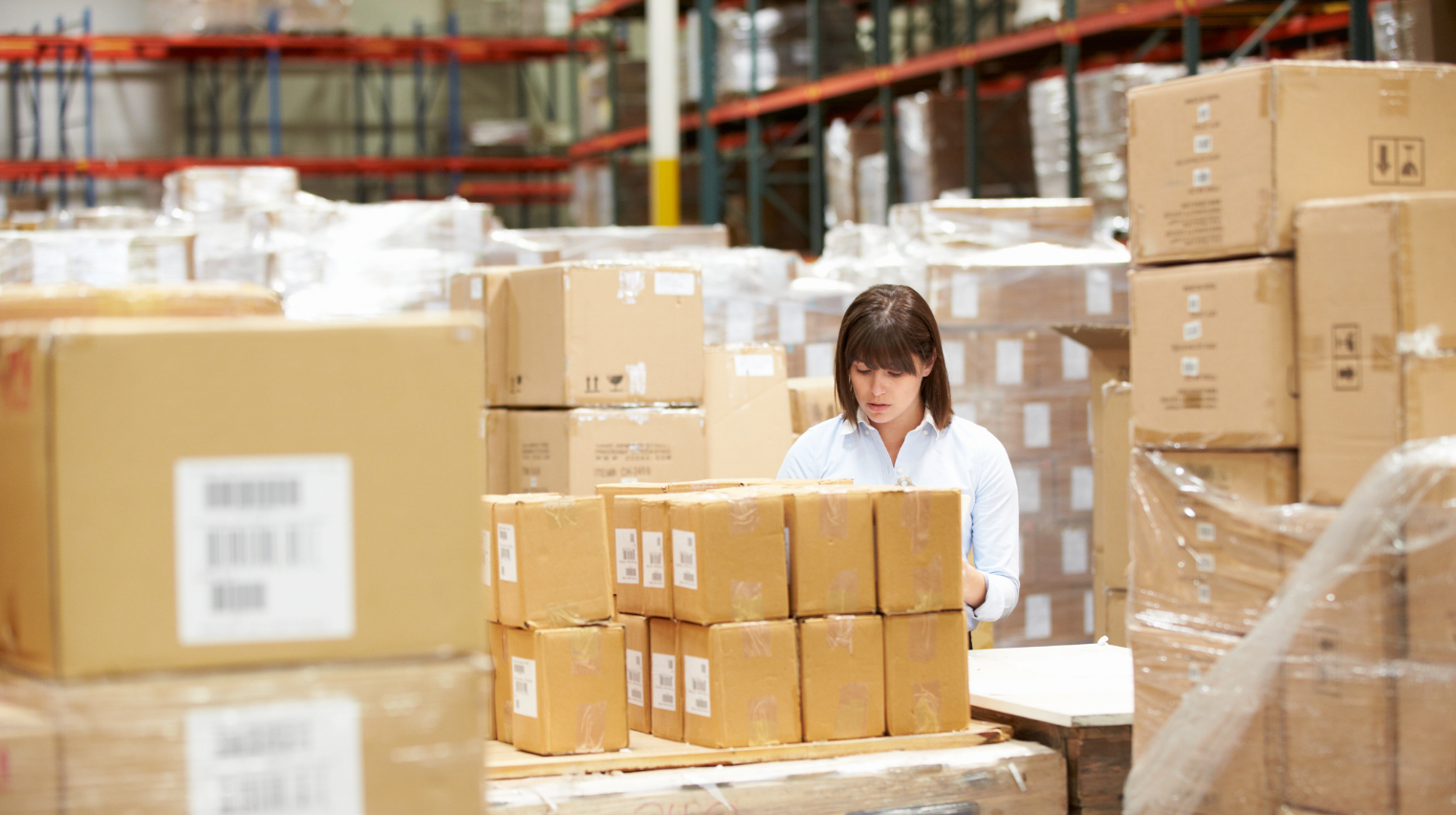
Model mix-ups are surprisingly expensive because the physical products can sometimes look almost identical. A warehouse worker may place two similar Redmi screens in the same area, or a supplier may use a similar product description for multiple models. The result is an inventory problem that may not be discovered until a repair technician tries to install the part.
Labeling and warehouse organization can solve much of this risk. Each carton should have a clear model reference, ποσότητα, batch information, και ποιότητα ποιότητας. Εσωτερικώς, use separate storage locations for similar models and avoid relying solely on visual appearance. For repeat orders, ask the supplier to maintain the same labeling convention so that your warehouse team does not have to relearn the system with every shipment.
Practical Checklist for Xiaomi LCD Buyers
Before approving a Xiaomi LCD bulk order, take a few minutes to review the complete purchasing chain rather than focusing on the quotation alone. Confirm the exact model, τεχνολογία προβολής, ψήφισμα, refresh rate where applicable, touch configuration, σύνδεσμος, frame option, βαθμός ποιότητας, and quantity. Then verify the supplier’s sample, QC process, συσκευασία, χρόνος παράδοσης, εγγύηση, and after-sales procedure. If any of these items remains vague, the order is not fully defined yet.
A simple buyer checklist can look like this:
- Confirm the exact Xiaomi/Redmi model.
- Confirm LCD, OLED, or AMOLED technology.
- Specify screen-only or full assembly with frame.
- Confirm resolution and refresh rate where relevant.
- Test samples before mass purchasing.
- Define acceptable cosmetic and functional defects.
- Confirm MOQ and quantity-based pricing.
- Agree on packaging and shipping requirements.
- Document warranty and defective-product procedures.
- Compare suppliers using total cost, not unit price alone.
The final step is often the most important. Don’t treat your supplier as merely a seller of screens; treat the supplier as part of your inventory system. If the supplier can consistently provide the correct model, maintain stable quality, communicate production changes, pack the products safely, and resolve defects efficiently, you have something more valuable than a cheap quotation—you have a dependable supply chain.
Σύναψη
Buying Xiaomi phone LCD screens in bulk looks straightforward until you deal with real-world variables such as model compatibility, τεχνολογία προβολής, ποιότητες ποιότητας, απόδοση αφής, connector differences, frame options, ελαττωματικές μονάδες, and shipping damage. The transition toward AMOLED in newer Redmi devices means buyers also need to distinguish between today’s replacement demand and tomorrow’s product mix. Current Xiaomi specifications show that newer Redmi models are increasingly positioned with high-refresh-rate AMOLED displays, while display-industry research continues to track multiple LCD and OLED technologies across the smartphone supply chain.
For wholesalers and repair-part distributors, the smartest approach is therefore not simply to buy the cheapest Xiaomi screen available. Start with accurate model identification, qualify samples, define measurable quality requirements, compare multiple quantity levels, and monitor defect rates after every shipment. If you build your purchasing process around αρμονία + ποιότητα + συνοχή + total cost, you can reduce returns and protect your margins. Bulk purchasing works best when volume gives you better economics without forcing you to sacrifice product reliability or tie up too much cash in slow-moving inventory.
Συχνές ερωτήσεις
1. Are all Xiaomi phone LCD screens interchangeable?
Οχι. Xiaomi and Redmi phones use different screen sizes, συνδετήρες, resolutions, touch configurations, mounting structures, και τεχνολογίες προβολής. Even two models from the same product family may require completely different assemblies. Επιβεβαιώστε πάντα το ακριβές μοντέλο πριν από την αγορά.
2. Is an aftermarket Xiaomi LCD always worse than an original screen?
Όχι απαραίτητα. Aftermarket screens can vary significantly in quality, and some grades can provide good performance for their intended price segment. The important question is how the supplier defines its quality grade and whether the product has been properly tested. Για αγορές χονδρικής, sample testing is more useful than relying on the word “πρωτότυπο” in a product listing.
3. What should I test when receiving a bulk shipment?
Check display image quality, νεκρά εικονοστοιχεία, ομοιομορφία φωτεινότητας, απόκριση αφής, connector and flex condition, glass appearance, frame fitting if applicable, and signs of dust or damage. For a large shipment, inspect according to an agreed sampling or QC procedure rather than testing only one unit.
4. Should I buy Xiaomi LCD screens with frames?
It depends on your customers. A complete display with frame can simplify installation and reduce certain fitting problems, while a screen-only assembly can be more economical for experienced technicians who already have the tools and skills to transfer components. Ask your main customers which configuration they prefer before committing to large inventory.
5. How can I get a better price when buying Xiaomi LCD screens in bulk?
Ask suppliers for tiered pricing at several quantities and negotiate based on recurring orders rather than a single purchase. Συγχρόνως, compare MOQ, ποσοστό ελαττώματος, εγγύηση, συσκευασία, φορτίο, και τους όρους πληρωμής. A slightly higher unit price can be the better deal if it provides lower returns and more consistent quality.