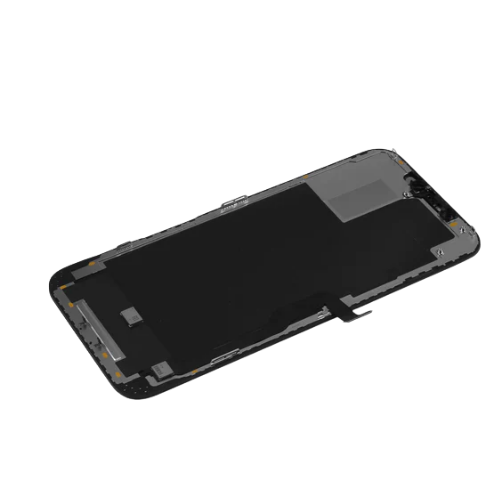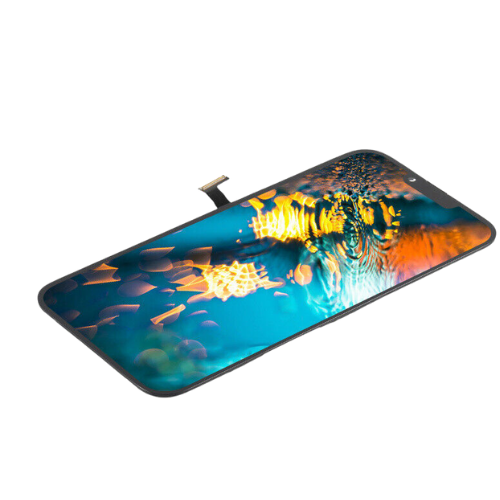

Wenn Sie planen, den Bildschirm eines Redmi-Smartphones zu kaufen oder auszutauschen, Verständnis von Bildschirmtechnologien, Leistungsangaben, und Kaufkanäle sind entscheidend, um die richtige Wahl zu treffen. In diesem Leitfaden wird alles aufgeschlüsselt – von Bildschirmtypen bis hin zu Beschaffungstipps –, damit Sie sicher das beste Redmi-Display für Ihre Anforderungen auswählen können.
1. Bildschirmtypen und technische Unterschiede verstehen
Redmi-Smartphones gibt es in verschiedenen Modellen mit unterschiedlichen Bildschirmtechnologien. Um die beste Kaufentscheidung zu treffen, Schauen wir uns genau an, wie sich LCD- und OLED-Technologien unterscheiden und wie Redmi sie in seinen Produktlinien anwendet.
1.1 LCD vs. OLED: Technologieübersicht
LCD (Flüssigkristallanzeige) und OLED (Organische lichtemittierende Diode) stellen zwei wichtige Anzeigetechnologien in Smartphones dar.
- LCD basiert auf einem Hintergrundbeleuchtungspanel, das Flüssigkristallmoleküle beleuchtet.
- OLED verwendet organische Verbindungen, die selbstständig Licht emittieren, Dadurch entfällt die Notwendigkeit einer Hintergrundbeleuchtung.
Jedes bringt unterschiedliche Vorteile und Kompromisse mit sich.
1.2 Vor- und Nachteile von LCD-Bildschirmen
Vorteile:
- Niedrigere Kosten
- Längere Lebensdauer
- Kein Flackern bei geringer Helligkeit
- Stabilerer Weißabgleich
Nachteile:
- Reines Schwarz kann nicht erreicht werden
- Geringeres Kontrastverhältnis
- Normalerweise dicker als OLED
- Begrenzte Betrachtungswinkel im Vergleich zu OLED
1.3 Vor- und Nachteile von OLED-Bildschirmen
Vorteile:
- Höherer Kontrast und echtes Schwarz
- Bessere Farbsättigung
- Dünner und flexibler
- Unterstützt Funktionen wie Always-On Display
- Schnellere Pixelreaktionszeit (ideal zum Spielen)
Nachteile:
- Höhere Kosten
- Mögliches Flimmern bei geringer Helligkeit (PWM)
- Bei längerem Gebrauch kann es zum Einbrennen kommen
1.4 Bildschirmkonfigurationen in allen Redmi-Produktlinien
Verschiedene Redmi-Serien verwenden je nach Zielbenutzer und Budget unterschiedliche Anzeigetypen.
Redmi-Nummernreihe (Z.B., Redmi 13C)
- In erster Linie LCD -Bildschirme
- HD+-Auflösung
- 60Hz-Rate
- Entwickelt für Einsteiger und Kosteneffizienz
Redmi Note-Serie (Z.B., Notiz 13 Familie)
- Mischung aus LCD und OLED
- Mittelklasse-Modelle bieten 90 Hz–120 Hz
- Pro-Varianten verwenden FHD+ OLED mit High-Touch-Sampling
- Perfekte Allrounder
Redmi K-Serie (Z.B., K70-Serie)
- Voll OLED-Flaggschiff-Bildschirme
- Bis zu 2K hohe Auflösung
- 120Hz-Bildwiederholfrequenz
- Starkes HDR und Spitzenhelligkeit
- Ideal für Gamer und Medienliebhaber
1.5 Vergleichstabelle: LCD vs. OLED & Redmi-Serie
| Serie | Bildschirmtyp | Auflösung | Aktualisierungsrate | Notizen |
|---|---|---|---|---|
| Redmi-Nummernreihe | LCD | HD+ | 60Hz | Einstiegsniveau, dauerhaft |
| Redmi Note-Serie | LCD / OLED | FHD+ | 90–120Hz | Ausgewogene Wahl |
| Redmi K-Serie | OLED | FHD+–2K | 120Hz | Flaggschiff-Erlebnis |
2. Wichtige Bildschirmleistungsparameter erklärt
Bei der Wahl eines Redmi-Bildschirms kommt es nicht nur auf LCD vs. OLED – auch die Leistungsdaten sind wichtig.
2.1 Auflösung & Pixeldichte (PPI)
- HD+ (720P): Grundlegende Klarheit, Wird bei Budgetmodellen verwendet
- FHD+ (1080P): Standard für die meisten Redmi-Telefone
- 2K/WQHD+: Auf Flaggschiffen der K-Serie zu finden
Höher PPI (Pixel pro Zoll) = schärfere visuelle Details.
Alles oben 400 PPI ist für die meisten Benutzer bereits „retinatauglich“..
2.2 Aktualisierungsrate & Berühren Sie Abtastrate
- 60Hz: Standardglätte
- 90Hz: Spürbar besser
- 120Hz: Sehr glatt, ideal zum Spielen
Die Touch-Sampling-Rate bestimmt die Reaktionsfähigkeit:
- 240Hz und höher sorgen für eine bessere Präzision bei Spielen
- Eine höhere Abtastung reduziert Eingabeverzögerungen und Geisterberührungen
2.3 Helligkeitsstufen & HDR-Fähigkeit
Ein hellerer Bildschirm bedeutet:
- Bessere Sicht im Freien
- Dynamischere HDR-Leistung
Die Mittelklasse- und Flaggschiff-Modelle von Redmi übertreffen in der Regel die Leistung 1000 Nissen Spitzenhelligkeit.
2.4 Farbgenauigkeit, Farbskala, und Anzeigequalität
Suchen:
- DCI-P3-Farbraum
- Delta E < 2 für naturgetreue Farben
- Mehrere Farbmodi (Standard, Lebendig, Professional)
Wenn Sie gerne fotografieren oder Filme schauen, Diese Funktionen sind wichtig.
3. Beschaffungskanäle & Qualitätsidentifikation
Sie können Redmi-Bildschirme an verschiedenen Orten kaufen – aber nicht alle sind gleichermaßen zuverlässig.
3.1 Offizieller Xiaomi Store & Autorisierte Servicezentren
Am besten für:
- Originalteile
- Garantieschutz
- Professionelle Installation
Erwarten Sie etwas höhere Preise, aber garantierte Qualität.
3.2 So identifizieren Sie echte und hochwertige Bildschirme
Visuelle Inspektion
- Einheitliche Kanten
- Keine Klebereste
- Farbkonsistenz mit Originalgerät
Anzeigetests
Testen Sie reine Farben:
- Rot, Grün, Blau, Weiß, Schwarz
Suchen Sie nach: - Tote Pixel
- Farbtönung
- Ungleichmäßige Helligkeit
Testen der Berührungsreaktion
- Stellen Sie eine genaue Kantenerkennung sicher
- Keine Verzögerungen oder verpassten Berührungen
Fingerabdruckleistung im Display (Gegebenenfalls)
- Testen Sie die Entsperrgeschwindigkeit
- Testgenauigkeit bei schlechten Lichtverhältnissen und unterschiedlichen Fingerpositionen
4. Empfehlungen für verschiedene Benutzergruppen
Nicht alle Benutzer benötigen den gleichen Bildschirmtyp. Hier erfahren Sie, was am besten zu Ihnen passt.
4.1 Gamer
Suchen:
- 120Hz OLED
- 240Hz+ Touch-Sampling
- Hohe Helligkeit
- Wohnung (nicht gebogen) Display, um versehentliche Berührungen zu vermeiden
Beste Auswahl:
- Redmi K-Serie
- Redmi Note Pro-Varianten
4.2 Video-/Medienliebhaber
Prioritäten:
- OLED-Display
- HDR10+ und Dolby Vision
- Hohe Farbgenauigkeit
- FHD+ oder 2K-Auflösung
Leinwände der K-Serie bieten Kinoqualität.
4.3 Tägliche Benutzer und Büroangestellte
Konzentrieren Sie sich auf:
- Augenkomfort
- Stabile Helligkeit
- Langlebige Bildschirme
Passt am besten:
- Hochwertiges LCD oder OLED mit Hochfrequenz-PWM (1920Hz+)
- Redmi Note-Serie
4.4 Budgetbewusste Studierende
Ihre beste Wahl:
- LCD -Bildschirme
- Redmi Number Series oder Note Standard-Editionen
Günstig in der Anschaffung und günstiger in der Reparatur.
4.5 Übersichtstabelle
| Benutzertyp | Schlüsselbedürfnisse | Empfohlener Bildschirm | Beste Redmi-Serie |
|---|---|---|---|
| Gamer | Glatt & reaktionsschnell | 120Hz OLED | K-Serie, Hinweis Pro |
| Medienliebhaber | Farbe & Kontrast | HDR-OLED | K-Serie |
| Täglicher Bürogebrauch | Augenkomfort | Gleichstromdimmendes OLED / LCD | Notizreihe |
| Studenten | Niedrige Kosten | Hochaktuelles LCD | Nummer / Notiz |
5. Zukünftige Trends & Kaufstrategien
Redmi verbessert kontinuierlich die Anzeigetechnologien. Hier sind die Trends, die Sie im Auge behalten sollten.
5.1 LTPO- und adaptive Aktualisierungsratentrends
Bald, Weitere Redmi-Mittelklassegeräte werden übernommen:
- LTPO SIE SIND
- 1–120 Hz intelligente Aktualisierung
Dies reduziert den Batterieverbrauch erheblich.
5.2 Höhere Helligkeit & Erweiterter Augenschutz
Erwarten:
- 1500+ Nits Peak Helligkeit
- 1920Hz- oder 2160-Hz-PWM-Dimmung
- Verbesserte Modi für wenig blaues Licht
5.3 Vollbild-Designs & Kameras unter dem Display
Innerhalb der nächsten Jahre:
- Lochmuster verblassen
- Die Under-Display-Technologie wird auf die K-Serie ausgeweitet
5.4 Beste Zeit zum Kaufen & Preisspannen
Kaufen Sie während:
- 618
- Doppelt 11
- Neues Modell kommt auf den Markt
Typische Kosten für den Austausch eines Bildschirms:
- LCD der Redmi Number-Serie: ¥200–¥400
- Redmi Note OLED: ¥500–¥800
- OLED der Redmi K-Serie: ¥800–¥1200
5.5 Überlegungen zu den Reparaturkosten
Der Austausch von OLED-Bildschirmen ist teurer – denken Sie über den Kauf nach:
- Bildschirmversicherung
- Erweiterte Garantie
Speziell für die K-Serie.
Abschluss
Die Auswahl des richtigen Redmi-Smartphone-Bildschirms erfordert Verständnis für die Anzeigetechnologie, Leistungsangaben, Beschaffungskanäle, und Ihre spezifischen Nutzungsbedürfnisse. Redmi bringt weiterhin erweiterte Bildschirmfunktionen auf erschwingliche Modelle, Damit ist es einfacher als je zuvor, erstklassige visuelle Erlebnisse zu genießen. Durch die Anwendung dieses Leitfadens, Sie können sich getrost für die beste Bildschirmkonfiguration entscheiden und sich den Kauf in höchster Qualität sichern.
FAQs
1. Ist ein OLED-Bildschirm den Aufpreis für Redmi-Telefone wert??
Ja – wenn Sie Wert auf lebendige Farben legen, Kontrast, und Premium-Anzeige, OLED lohnt sich.
2. Sind Ersatzbildschirme von Drittanbietern zuverlässig??
Das kann der Fall sein – solange Sie seriöse Verkäufer auswählen und die Produktqualität überprüfen.
3. Welche Redmi-Modelle eignen sich am besten zum Spielen??
Redmi K-Serie (K60/K70-Familie) und Note Pro-Varianten mit 120-Hz-OLED-Bildschirmen.
4. Wie überprüfe ich, ob mein Redmi-Bildschirm original ist??
Führen Sie Anzeige- und Touch-Tests durch, Überprüfen Sie die Plattenmarkierungen, und vergleichen Sie Helligkeit und Farbe mit den Originalspezifikationen.
5. Wann ist der beste Zeitpunkt, ein Redmi-Display oder -Gerät zu kaufen??
Bei großen Verkaufsveranstaltungen wie 618, Doppelt 11, oder direkt nach der Markteinführung neuer Modelle.