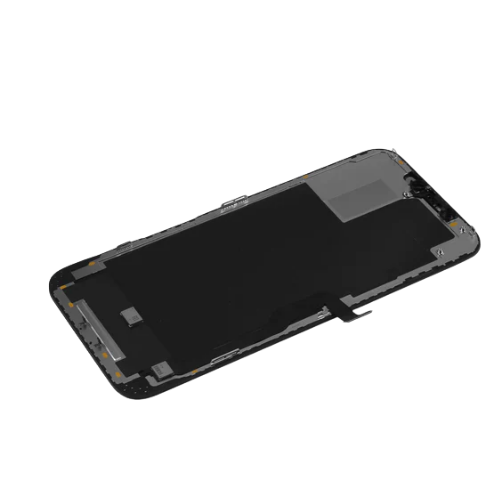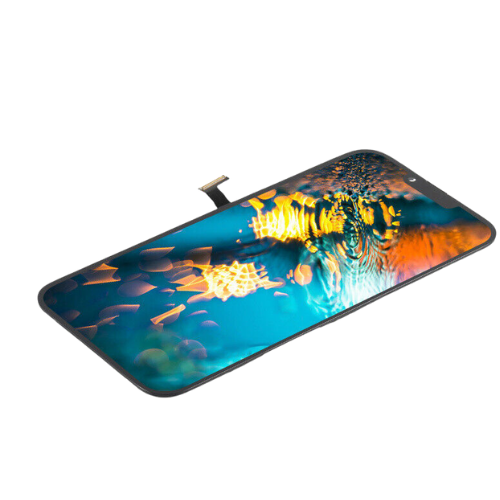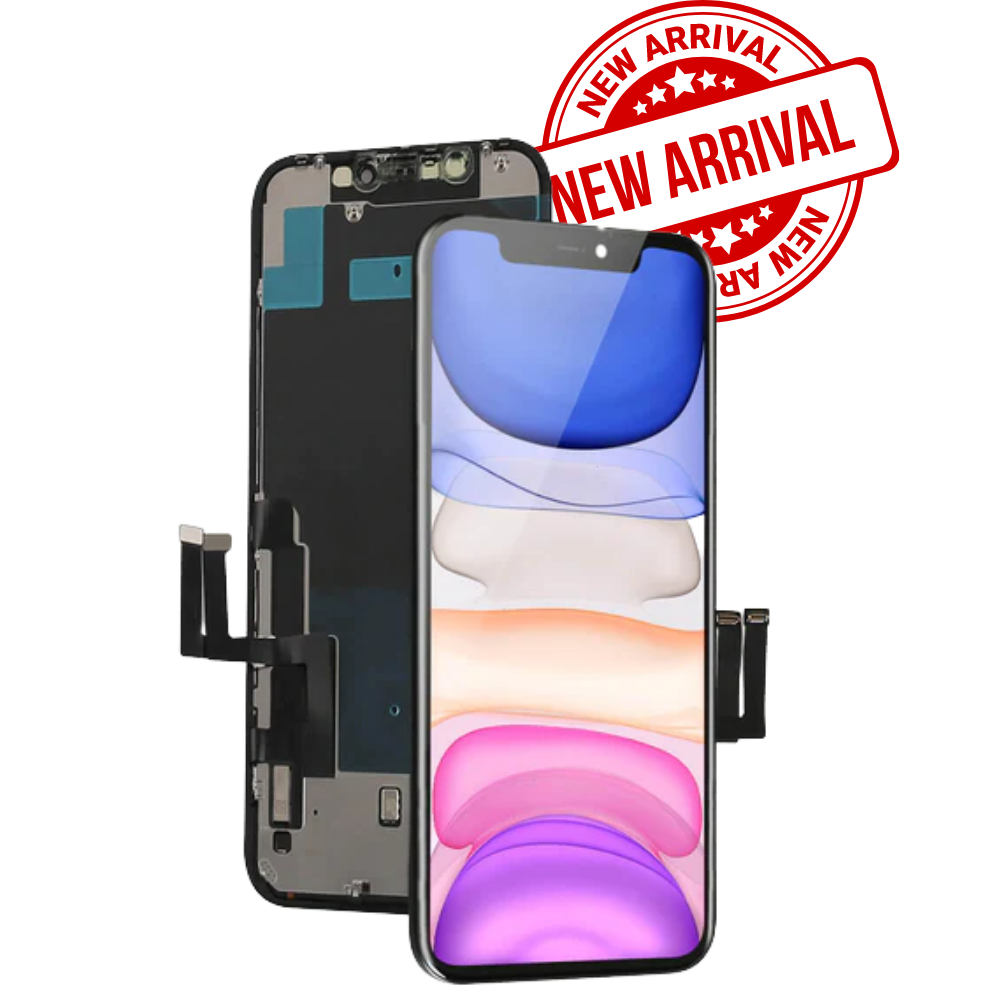

Εάν σκοπεύετε να αγοράσετε ή να αντικαταστήσετε μια οθόνη smartphone Redmi, κατανόηση των τεχνολογιών οθόνης, προδιαγραφές απόδοσης, και η αγορά καναλιών είναι ζωτικής σημασίας για να κάνετε τη σωστή επιλογή. Αυτός ο οδηγός αναλύει τα πάντα—από τύπους οθόνης έως συμβουλές προμηθειών—ώστε να μπορείτε να επιλέξετε με σιγουριά την καλύτερη οθόνη Redmi για τις ανάγκες σας.
1. Κατανόηση των τύπων οθόνης και των τεχνικών διαφορών
Τα smartphone Redmi διατίθενται σε μια ποικιλία μοντέλων με διαφορετικές τεχνολογίες οθόνης. Για να πάρετε την καλύτερη απόφαση αγοράς, Ας δούμε προσεκτικά πώς διαφέρουν οι τεχνολογίες LCD και OLED και πώς η Redmi τις εφαρμόζει στις σειρές προϊόντων της.
1.1 LCD vs. OLED: Επισκόπηση τεχνολογίας
οθόνη υγρού κρυστάλλου (Οθόνη υγρού κρυστάλλου) και OLED (Οργανική δίοδος εκπομπής φωτός) αντιπροσωπεύουν δύο κύριες τεχνολογίες οθόνης στα smartphone.
- οθόνη υγρού κρυστάλλου βασίζεται σε ένα πλαίσιο οπίσθιου φωτισμού που φωτίζει μόρια υγρών κρυστάλλων.
- OLED χρησιμοποιεί οργανικές ενώσεις που εκπέμπουν φως ανεξάρτητα, εξαλείφοντας την ανάγκη για οπίσθιο φωτισμό.
Κάθε ένα έρχεται με ξεχωριστά οφέλη και συμβιβασμούς.
1.2 Πλεονεκτήματα και μειονεκτήματα των οθονών LCD
Φόντα:
- Χαμηλότερο κόστος
- Μεγαλύτερη διάρκεια ζωής
- Χωρίς τρεμόπαιγμα σε χαμηλή φωτεινότητα
- Πιο σταθερή ισορροπία λευκού
Μειονεκτήματα:
- Δεν μπορεί να επιτευχθεί καθαρό μαύρο
- Χαμηλότερος λόγος αντίθεσης
- Τυπικά παχύτερο από το OLED
- Περιορισμένες γωνίες θέασης σε σύγκριση με OLED
1.3 Πλεονεκτήματα και μειονεκτήματα των οθονών OLED
Φόντα:
- Υψηλότερη αντίθεση και αληθινά μαύρα
- Καλύτερος κορεσμός χρώματος
- Πιο λεπτό και πιο ευέλικτο
- Υποστηρίζει λειτουργίες όπως η Always-On Display
- Ταχύτερος χρόνος απόκρισης pixel (υπέροχο για gaming)
Μειονεκτήματα:
- Υψηλότερο κόστος
- Πιθανό τρεμόπαιγμα χαμηλής φωτεινότητας (PWM)
- Δυνατότητα καύσης μετά από μακροχρόνια χρήση
1.4 Διαμορφώσεις οθόνης σε όλες τις σειρές προϊόντων Redmi
Οι διαφορετικές σειρές Redmi χρησιμοποιούν διαφορετικούς τύπους οθόνης ανάλογα με τους χρήστες-στόχους και τον προϋπολογισμό.
Redmi Number Series (Π.χ., Redmi 13C)
- Πρωτίστως Οθόνες LCD
- Ανάλυση HD+
- 60Ρυθμός Hz
- Σχεδιασμένο για χρήστες αρχικού επιπέδου και οικονομική αποδοτικότητα
Redmi Note Series (Π.χ., Σημείωμα 13 Οικογένεια)
- Μείγμα από LCD και OLED
- Τα μοντέλα μεσαίας κατηγορίας προσφέρουν 90Hz–120Hz
- Οι επαγγελματικές παραλλαγές χρησιμοποιούν FHD+ OLED με δειγματοληψία υψηλής αφής
- Τέλειοι ολόπλευροι
Redmi K Series (Π.χ., Σειρά K70)
- Γεμάτος Οθόνες ναυαρχίδα OLED
- Έως 2K υψηλή ανάλυση
- 120Ποσοστό ανανέωσης Hz
- Ισχυρό HDR και μέγιστη φωτεινότητα
- Ιδανικό για gamers και λάτρεις των πολυμέσων
1.5 Συγκριτικός Πίνακας: LCD vs. OLED & Σειρά Redmi
| Σειρά | Τύπος οθόνης | Ψήφισμα | Ρυθμός ανανέωσης | Σημειώσεις |
|---|---|---|---|---|
| Redmi Number Series | οθόνη υγρού κρυστάλλου | HD+ | 60Hz | εισαγωγικό επίπεδο, διαρκής |
| Redmi Note Series | οθόνη υγρού κρυστάλλου / OLED | FHD+ | 90– 120 Hz | Ισορροπημένη επιλογή |
| Redmi K Series | OLED | FHD+–2K | 120Hz | Εμβληματική εμπειρία |
2. Επεξήγηση βασικών παραμέτρων απόδοσης οθόνης
Η επιλογή μιας οθόνης Redmi δεν είναι μόνο LCD vs. OLED—οι προδιαγραφές απόδοσης έχουν επίσης σημασία.
2.1 Ψήφισμα & Πυκνότητα εικονοστοιχείων (PPI)
- HD+ (720σελ): Βασική σαφήνεια, χρησιμοποιείται σε μοντέλα προϋπολογισμού
- FHD+ (1080σελ): Στάνταρ για τα περισσότερα τηλέφωνα Redmi
- 2K/WQHD+: Βρέθηκε σε ναυαρχίδες της σειράς K
Πιο ψηλά PPI (Pixel ανά ίντσα) = πιο ευκρινείς οπτικές λεπτομέρειες.
Οτιδήποτε παραπάνω 400 Το PPI είναι ήδη "retina-grade" για τους περισσότερους χρήστες.
2.2 Ρυθμός ανανέωσης & Αγγίξτε Ρυθμός δειγματοληψίας
- 60Hz: Τυπική ομαλότητα
- 90Hz: Εμφανώς καλύτερα
- 120Hz: Πολύ ομαλή, υπέροχο για gaming
Ο ρυθμός δειγματοληψίας αφής καθορίζει την ανταπόκριση:
- 240Τα Hz και άνω παρέχουν καλύτερη ακρίβεια για παιχνίδια
- Η υψηλότερη δειγματοληψία μειώνει τις καθυστερήσεις εισόδου και τα αγγίγματα φαντασμάτων
2.3 Επίπεδα φωτεινότητας & Δυνατότητα HDR
Μια πιο φωτεινή οθόνη σημαίνει:
- Καλύτερη ορατότητα σε εξωτερικούς χώρους
- Πιο δυναμική απόδοση HDR
Τα μοντέλα μεσαίας και ναυαρχίδας Redmi συνήθως υπερβαίνουν 1000 κόνιδες μέγιστη φωτεινότητα.
2.4 Ακρίβεια χρώματος, Μουσική κλίμακα, και Ποιότητα εμφάνισης
Αναζητώ:
- Χρωματική γκάμα DCI-P3
- Δέλτα Ε < 2 για αληθινά χρώματα
- Πολλαπλές χρωματικές λειτουργίες (Πρότυπο, Ζωηρός, Επαγγελματίας)
Αν σας αρέσει η φωτογραφία ή η παρακολούθηση ταινιών, αυτά τα χαρακτηριστικά έχουν σημασία.
3. Κανάλια προμηθειών & Αναγνώριση Ποιότητας
Μπορείτε να αγοράσετε οθόνες Redmi από διαφορετικά μέρη — αλλά δεν είναι όλες εξίσου αξιόπιστες.
3.1 Επίσημο κατάστημα Xiaomi & Εξουσιοδοτημένα Κέντρα Σέρβις
Το καλύτερο για:
- Γνήσια ανταλλακτικά
- Προστασία εγγύησης
- Επαγγελματική εγκατάσταση
Περιμένετε ελαφρώς υψηλότερες τιμές αλλά εγγυημένη ποιότητα.
3.2 Πώς να αναγνωρίσετε γνήσιες και υψηλής ποιότητας οθόνες
Οπτική Επιθεώρηση
- Ομοιόμορφες άκρες
- Χωρίς υπολείμματα κόλλας
- Συνοχή χρώματος με την αρχική συσκευή
Δοκιμή οθόνης
Δοκιμάστε τα καθαρά χρώματα:
- Κόκκινος, πράσινος, μπλε, λευκό, μαύρος
Ελέγξτε για: - Νεκρά pixel
- Απόχρωση χρώματος
- Ανομοιόμορφη φωτεινότητα
Αγγίξτε Δοκιμή απόκρισης
- Εξασφαλίστε ακριβή ανίχνευση άκρων
- Χωρίς καθυστερήσεις ή χαμένες πινελιές
Απόδοση δακτυλικών αποτυπωμάτων στην οθόνη (Εάν ισχύει)
- Δοκιμάστε την ταχύτητα ξεκλειδώματος
- Ακρίβεια δοκιμής σε χαμηλό φωτισμό και διαφορετικές θέσεις δακτύλων
4. Συστάσεις για διαφορετικές ομάδες χρηστών
Δεν χρειάζονται όλοι οι χρήστες τον ίδιο τύπο οθόνης. Εδώ είναι αυτό που σας ταιριάζει καλύτερα.
4.1 Gamers
Αναζητώ:
- 120Hz OLED
- 240Δειγματοληψία αφής Hz+
- Υψηλή φωτεινότητα
- Επίπεδα (μη κυρτό) οθόνη για αποφυγή τυχαίας επαφής
Οι καλύτερες επιλογές:
- Redmi K σειρά
- Παραλλαγές Redmi Note Pro
4.2 Βίντεο/Λάτρεις των ΜΜΕ
Προτεραιότητες:
- Οθόνη OLED
- HDR10+ και Dolby Vision
- Υψηλή χρωματική ακρίβεια
- Ανάλυση FHD+ ή 2K
Οι οθόνες της σειράς K προσφέρουν ποιότητα που μοιάζει με τον κινηματογράφο.
4.3 Καθημερινοί χρήστες και υπάλληλοι γραφείου
Εστίαση σε:
- Άνεση στα μάτια
- Σταθερή φωτεινότητα
- Οθόνες μεγάλης διάρκειας ζωής
Ταιριάζει καλύτερα:
- Υψηλής ποιότητας LCD ή OLED με PWM υψηλής συχνότητας (1920Hz+)
- Σειρά Redmi Note
4.4 Προϋπολογισμός-Συνειδητοί μαθητές
Το καλύτερο στοίχημά σας:
- Οθόνες LCD
- Τυπικές εκδόσεις Redmi Number Series ή Note
Προσιτό στην αγορά και φθηνότερο για επισκευή.
4.5 Συνοπτικός Πίνακας
| Τύπος χρήστη | Βασικές Ανάγκες | Προτεινόμενη οθόνη | Καλύτερη σειρά Redmi |
|---|---|---|---|
| Gamers | Λείος & ευαίσθητος | 120Hz OLED | Σειρά Κ, Σημείωση Pro |
| Λάτρεις των ΜΜΕ | Χρώμα & αντίθεση | HDR OLED | Σειρά Κ |
| Καθημερινή χρήση γραφείου | Άνεση στα μάτια | DC dimming OLED / οθόνη υγρού κρυστάλλου | Σειρά σημειώσεων |
| Φοιτητόκοσμος | Χαμηλό κόστος | Υψηλής ανανέωσης LCD | Αριθμός / Σημείωμα |
5. Μελλοντικές Τάσεις & Στρατηγικές Αγοράς
Η Redmi βελτιώνει συνεχώς τις τεχνολογίες οθόνης. Εδώ είναι οι τάσεις που πρέπει να παρακολουθήσετε.
5.1 LTPO και τάσεις προσαρμοστικού ρυθμού ανανέωσης
Σύντομα, θα υιοθετήσουν περισσότερες συσκευές μεσαίας κατηγορίας Redmi:
- LTPO ΕΙΣΑΙ
- 1– Έξυπνη ανανέωση 120 Hz
Αυτό μειώνει σημαντικά την εξάντληση της μπαταρίας.
5.2 Υψηλότερη φωτεινότητα & Προηγμένη προστασία ματιών
Αναμένω:
- 1500+ nits μέγιστη φωτεινότητα
- 1920Hz ή 2160 Hz PWM dimming
- Βελτιωμένες λειτουργίες χαμηλού μπλε φωτός
5.3 Σχέδια πλήρους οθόνης & Κάμερες κάτω από την οθόνη
Μέσα στα επόμενα χρόνια:
- Τα σχέδια με τρύπες θα ξεθωριάσουν
- Η τεχνολογία κάτω από την οθόνη θα εξαπλωθεί στη σειρά K
5.4 Καλύτερη ώρα για αγορά & Εύρος τιμών
Αγορά κατά τη διάρκεια:
- 618
- Διπλό 11
- Κυκλοφορεί νέο μοντέλο
Τυπικό κόστος αντικατάστασης οθόνης:
- LCD σειράς Redmi Number: 200-400 ¥
- Redmi Note OLED: 500-800 ¥
- Redmi K Series OLED: 800 ¥–1200 ¥
5.5 Θέματα κόστους επισκευής
Οι οθόνες OLED είναι πιο ακριβές στην αντικατάσταση — σκεφτείτε να αγοράσετε:
- Ασφάλιση οθόνης
- Εκτεταμένη εγγύηση
Ειδικά για τη σειρά Κ.
Σύναψη
Η επιλογή της σωστής οθόνης smartphone Redmi απαιτεί κατανόηση της τεχνολογίας οθόνης, προδιαγραφές απόδοσης, καναλιών προμηθειών, και τις συγκεκριμένες ανάγκες χρήσης σας. Το Redmi συνεχίζει να προωθεί προηγμένες λειτουργίες οθόνης σε προσιτά μοντέλα, καθιστώντας ευκολότερη από ποτέ την απόλαυση οπτικών εμπειριών υψηλής ποιότητας. Εφαρμόζοντας αυτόν τον οδηγό, μπορείτε να επιλέξετε με σιγουριά την καλύτερη διαμόρφωση οθόνης και να εξασφαλίσετε την αγορά υψηλότερης ποιότητας.
Συχνές ερωτήσεις
1. Είναι μια οθόνη OLED που αξίζει το επιπλέον κόστος για τηλέφωνα Redmi?
Ναι—αν δίνετε προτεραιότητα στα ζωηρά χρώματα, αντίθεση, και premium προβολή, Το OLED αξίζει τον κόπο.
2. Είναι αξιόπιστες οθόνες αντικατάστασης τρίτων?
Μπορούν να είναι—αρκεί να επιλέξετε αξιόπιστους πωλητές και να επαληθεύσετε την ποιότητα του προϊόντος.
3. Ποια μοντέλα Redmi είναι καλύτερα για παιχνίδια?
Redmi K σειρά (Οικογένεια Κ60/Κ70) και παραλλαγές Note Pro με οθόνες OLED 120 Hz.
4. Πώς μπορώ να ελέγξω αν η οθόνη μου στο Redmi είναι πρωτότυπη?
Εκτελέστε δοκιμές οθόνης και αφής, επιθεωρήστε τα σημάδια του πίνακα, και συγκρίνετε τη φωτεινότητα και το χρώμα με τις αρχικές προδιαγραφές.
5. Πότε είναι η καλύτερη στιγμή για να αγοράσετε μια οθόνη ή μια συσκευή Redmi?
Κατά τη διάρκεια μεγάλων εκδηλώσεων πωλήσεων όπως 618, Διπλό 11, ή αμέσως μετά την κυκλοφορία του νέου μοντέλου.