
Wstęp
Smartfony w dużej mierze opierają się na ekranach dotykowych – kiedy przestają działać, nawet najprostsze zadania stają się frustrujące. Czy ekran reaguje powoli, działa tylko w niektórych obszarach, lub całkowicie przestaje działać, zrozumienie przyczyn może pomóc w szybkim rozwiązaniu problemu.
Awarie ekranów dotykowych są niezwykle częste, a większość użytkowników doświadcza ich przynajmniej raz. Ale dobra wiadomość? Wiele problemów można łatwo zdiagnozować i rozwiązać bez profesjonalnej pomocy.
Omówmy główne przyczyny awarii ekranu dotykowego i sposoby ich naprawienia.
Przyczyny związane ze sprzętem
Uszkodzony lub pęknięty ekran
Pęknięty ekran może wyglądać jedynie na problem kosmetyczny, ale nawet małe pęknięcia mogą przerwać sieć elektryczną pod szkłem. Ta siatka jest tym, co zmysły dotykają, więc kiedy jest uszkodzony, telefon może:
- Ignoruj dotyk
- Zarejestruj dotknięcia niedokładnie
- Zamrażaj sporadycznie
Jak uszkodzenia spowodowane uderzeniami wpływają na czułość dotyku
Kiedy Twój telefon upadnie, warstwa digitalizatora pod szkłem może się przesunąć lub ulec uszkodzeniu. Nawet jeśli wyświetlacz wygląda w większości dobrze, wewnętrzne pęknięcia mogą powodować martwe strefy, w których dotyk w ogóle nie działa.
Wadliwy digitalizator dotykowy
Dotykowy digitalizator to element odpowiedzialny za wykrywanie Twoich gestów. Jeśli wystąpi awaria s, ekran może:
- Odpowiedz późno
- Odpowiedz samodzielnie (Duch duch)
- W ogóle nie odpowiadać
Objawy uszkodzonego digitalizatora
- Losowe dotknięcia bez udziału użytkownika
- Niektóre sekcje ekranu nie rejestrują ciśnienia
- Migotanie lub przeskakiwanie ekranu
Luźny lub uszkodzony przewód elastyczny
Kabel elastyczny łączy wyświetlacz z płytą główną telefonu. Jeśli się poluzuje lub uszkodzi, ekran dotykowy może ulec częściowej lub całkowitej awarii.
Jak problemy z kablem elastycznym powodują awarię dotyku
Podczas upadków lub dużego nacisku, przewód elastyczny może się nieznacznie rozłączyć. Prowadzi to do:
- Dotyk nie działa po uderzeniu
- Ekran działający sporadycznie
- Brak dotyku po zgięciu lub naciśnięciu telefonu
Uszkodzenie komponentów wewnętrznych
Uszkodzenia wewnętrzne mogą wystąpić w wyniku przegrzania, starzenie się, lub szok fizyczny.
Przegrzanie, uszkodzenie wody, i nosić
- Ciepło może spowodować osłabienie lutowania wewnętrznego
- Woda może spowodować zwarcie wrażliwych elementów
- W starzejących się telefonach w naturalny sposób następuje degradacja sprzętu
Przyczyny związane z oprogramowaniem
System zawiesza się lub występują usterki oprogramowania
Czasami, ekran dotykowy działa prawidłowo, ale system nie reaguje.
Aplikacje powodujące brak reakcji
Błędne aplikacje mogą zablokować cały interfejs użytkownika, sprawiając wrażenie, że ekran nie działa.
Błędy oprogramowania sprzętowego lub nieaktualny system operacyjny
Aktualizacje oprogramowania odgrywają ogromną rolę w responsywności ekranu dotykowego.
Jak aktualizacje wpływają na reakcję na dotyk
Błędna aktualizacja może powodować tymczasowe problemy, podczas gdy przestarzałe oprogramowanie sprzętowe może nie obsługiwać nowszych sterowników dotykowych.
Awarie sterownika ekranu dotykowego
Sterowniki kontrolują sposób, w jaki system interpretuje wprowadzanie dotykowe.
Dlaczego sterowniki ulegają uszkodzeniu
- Niekompletne aktualizacje
- Złośliwe oprogramowanie
- Aplikacje innych firm zakłócające pliki systemowe
Przyczyny środowiskowe
Narażenie na wilgoć lub wodę
Woda jest wrogiem ekranów dotykowych. Nawet lekka wilgoć, taka jak pot, może zmylić digitalizator.
Skutki kondensacji i wilgoci
- Mgła wewnątrz ekranu powoduje dotknięcie ducha
- Wilgotne środowisko spowalnia reakcję
Ekstremalna temperatura
Ekrany dotykowe nie działają dobrze w ekstremalnie wysokich lub niskich temperaturach.
Przegrzanie i wrażliwość na zimno
- Ciepło powoduje rozszerzanie się ekranu
- Zimno zmniejsza przewodność elektryczną
Korzystanie z telefonu w rękawiczkach lub mokrych rękach
Ekrany pojemnościowe wymagają kontaktu ze skórą. Rękawiczki i wilgoć zakłócają sygnały elektryczne.
Praktyczne rozwiązania, które możesz wypróbować
Uruchom ponownie lub wymuś ponowne uruchomienie
Proste ponowne uruchomienie może naprawić tymczasowe usterki i zablokowane aplikacje.
Usuń osłonę ekranu lub obudowę
Gruby lub złej jakości ochraniacz może zmniejszyć wrażliwość na dotyk.
Wyczyść ekran
Brud, olej, i wilgoć mogą blokować sygnały elektryczne.
Uruchom w trybie awaryjnym
Tryb awaryjny wyłącza aplikacje innych firm, pomaga określić, czy przyczyną problemu jest aplikacja.
Zaktualizuj oprogramowanie i sterowniki
Aktualizuj system operacyjny i aplikacje, aby uniknąć problemów ze zgodnością.
Skalibruj ekran dotykowy
Niektóre telefony oferują narzędzia kalibracyjne umożliwiające ponowną synchronizację czułości dotyku.
Przywróć ustawienia fabryczne
Używaj tego tylko w ostateczności. Usuwa wszystkie dane, ale może naprawić poważne problemy z oprogramowaniem.
Zaawansowane poprawki
Naprawa lub wymiana wyświetlacza
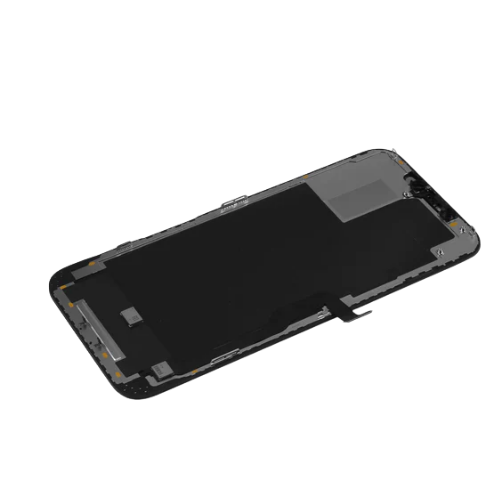
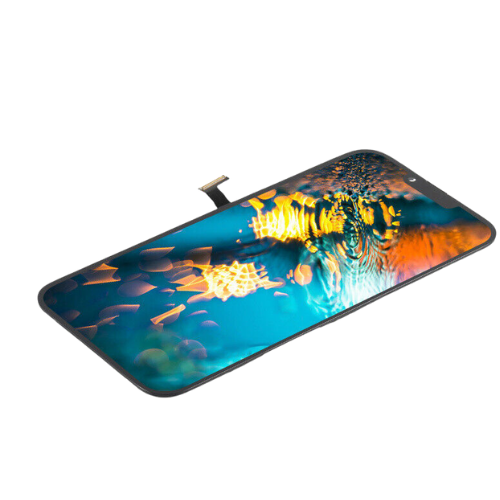
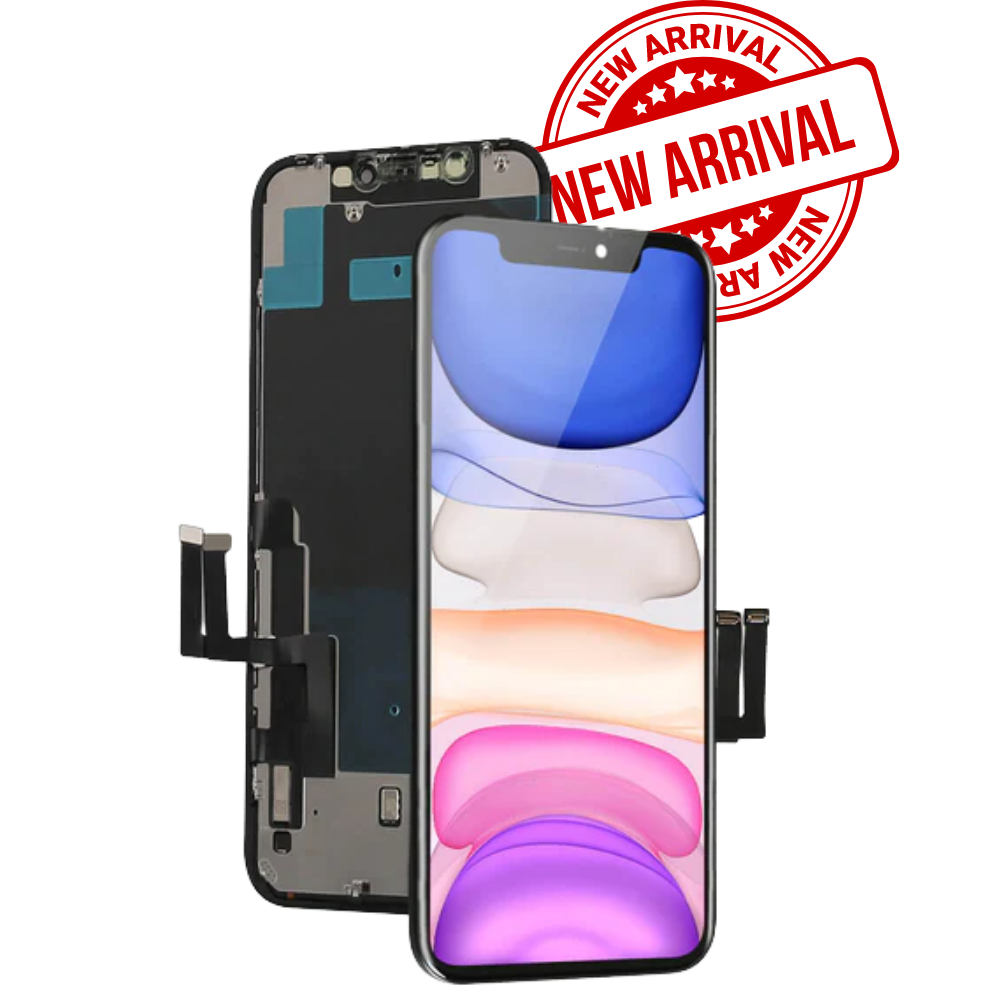
Jeśli digitalizator lub wyświetlacz LCD są uszkodzone, często konieczna jest wymiana całego zespołu wyświetlacza.
Sprawdzanie lub wymiana przewodów elastycznych
Technicy mogą ponownie podłączyć lub wymienić przewód elastyczny, jeśli jest on odpowiedzialny za awarię dotyku.
Profesjonalne naprawianie szkód spowodowanych przez wodę
W przypadku silnego narażenia na działanie wody zaleca się profesjonalną naprawę.
Jak zapobiegać problemom z ekranem dotykowym
Używaj wysokiej jakości ochraniaczy ekranu
Tanie ochraniacze pogarszają przewodzenie sygnału.
Unikaj przegrzania
Nie używaj telefonu w bezpośrednim świetle słonecznym ani podczas intensywnego ładowania.
Prawidłowe nawyki ładowania
Wadliwe ładowarki mogą generować nieprawidłowe napięcie, wpływające na sprzęt.
Regularna konserwacja telefonu
Regularnie czyść telefon i unikaj upadków i nacisków.
Wniosek
Problemy z ekranem dotykowym mogą być denerwujące, ale często można je łatwo zdiagnozować, gdy zrozumie się możliwe przyczyny. Od pękniętych ekranów po usterki oprogramowania, większość problemów ma praktyczne rozwiązania. Nawet jeśli w grę wchodzi uszkodzenie sprzętu, naprawy są zwykle proste. Pozostając świadomym czynników środowiskowych, prawidłową konserwację telefonu, i podjęcie działań zapobiegawczych, możesz zachować responsywność ekranu dotykowego przez lata.
FAQ
- Dlaczego ekran mojego telefonu w ogóle nie reaguje?
Przyczyną może być uszkodzony digitalizator, luźny kabel elastyczny, awaria systemu, lub silne narażenie na wilgoć. - Co powinienem zrobić, jeśli działa tylko część ekranu?
Zwykle oznacza to zlokalizowane uszkodzenie sprzętu lub częściowo odłączony kabel elastyczny. - Czy oprogramowanie naprawdę może powodować problemy z ekranem dotykowym??
Tak – kierowcy, aktualizacje, i aplikacje mogą zakłócać reakcję na dotyk. - Czy Ghost Touch jest problemem sprzętowym??
Często tak, ale wilgoć, ładowarki, a złe zabezpieczenia ekranu mogą również powodować dotyk ducha. - Czy muszę wymienić ekran, jeśli dotyk przestanie działać??
Tylko w przypadku uszkodzenia digitalizatora. Czasami wystarczy ponowne założenie kabla elastycznego lub poprawki oprogramowania.