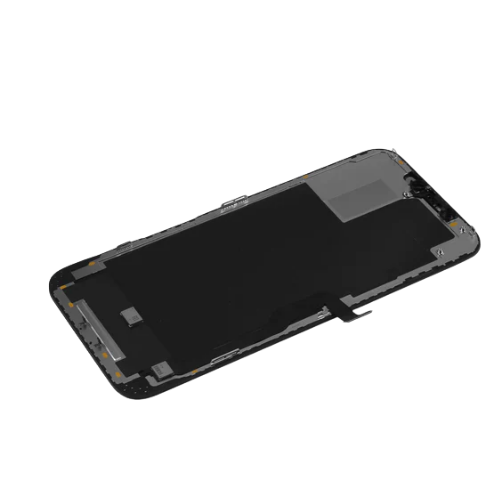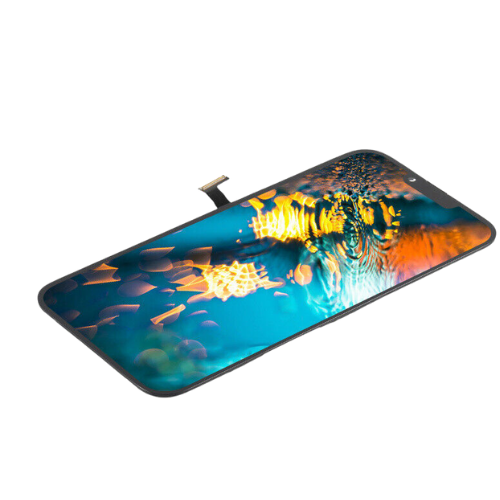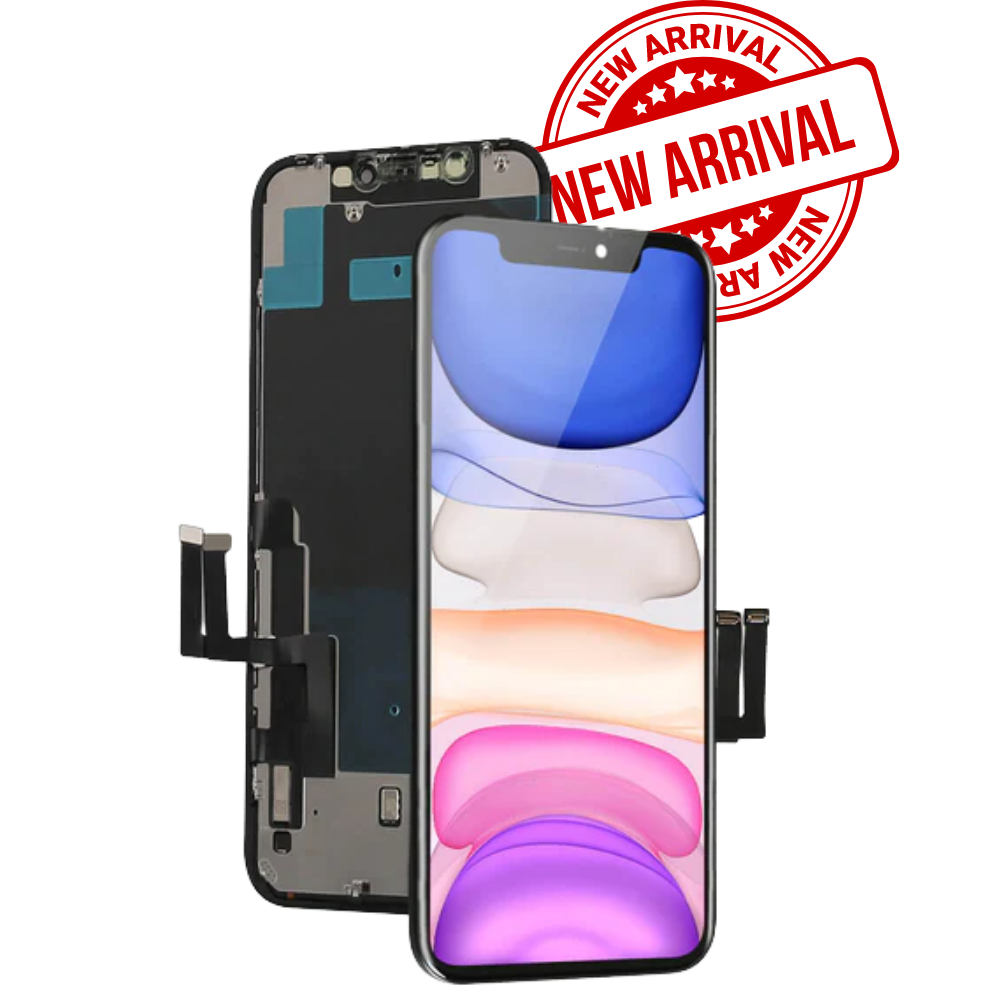

Ang pag-import sa mga mobile nga mga screen sa LCD yano nga tunog, Apan sa tinuud, Naglangkit kini sa malumo nga pagdumala, Striks Packaging nga mga lagda, ug komplikado nga mga pamaagi sa pagsunod. Tungod kay ang mga LCD screen mga huyang ug taas nga kantidad nga mga sangkap, bisan ang usa ka gamay nga sayup sa logistik o dokumentasyon mahimong mosangpot sa nadaot nga mga butang, mga paglangan sa customs, o wala damha nga gasto.
Kini nga giya naggiya kanimo sa tanan nga hinungdanon nga logistik ug kahibalo sa pagsunod nga kinahanglan nimo aron luwas ug epektibo nga maka-import sa mga mobile LCD screen-gikan sa pagputos ug mga pamaagi sa pagpadala hangtod sa dokumentasyon sa kostumbre., Mga Kodigo sa HS, ug mga konsiderasyon sa buhis.
Pagsabot sa Huyang nga Kinaiya sa Mobile LCD Screens
Ang mga screen sa LCD usa sa labing sensitibo nga sangkap sa industriya sa pag-ayo sa mobile. Mahimo silang mag-crack ubos sa pressure, madaot sa static nga kuryente, o mapakyas tungod sa kaumog.
Ang kasagarang mga risgo sa panahon sa transportasyon naglakip:
- Screen bending o micro-cracks
- ESD (electrostatic discharge) kadaot sa IC chips
- Pagsulud sa kaumog
- Mga depekto sa pixel nga gipahinabo sa vibration
Uban sa husto nga kahibalo ug pagpangandam, kadaghanan niini nga mga risgo mahimong mapugngan.
Mga Kinahanglanon sa Pagputos alang sa mga Mobile LCD Screen
Nganong Importante ang Husto nga Pagputos
Ang mga LCD screen hilabihan ka huyang ug sensitibo sa static nga kuryente. Ang taas nga kalidad nga packaging nagsiguro nga sila mabuhi sa taas nga mga pagbiyahe, daghang mga punto sa pagdumala, ug lainlaing mga kondisyon sa temperatura.
ESD (Electrostatic Discharge) Proteksyon
Kung ang static nga kuryente moigo sa touch IC sa LCD o display driver IC, ang screen mahimong mapakyas sa dili pa nimo kini i-install.
Ang panguna nga mga sumbanan sa pagputos sa ESD naglakip:
- Anti-static nga mga bag (pink o panalipod nga mga bag) aron malikayan ang electrostatic build-up
- Conductive foam o espongha aron mapanalipdan ang mga sensitibo nga flex cable
- Grounded packaging nga mga materyales alang sa mga kargamento nga gidumala sa mga workspace nga kontrolado sa ESD
Mga Sumbanan sa Pagputos nga Makasukol sa Kakurat
Aron mapanalipdan batok sa impact ug vibration, Ang propesyonal nga mga supplier sa LCD kasagarang nagsunod sa mga pamaagi sa pagputos nga gi-aprubahan sa pagsulay sa drop:
- Multi-layer cushioning (bula, bubble wrap, corrugated fillers)
- Indibidwal nga mga kahon sa screen aron malikayan ang mga garas ug flex nga kadaot
- Gipalig-on nga master karton gi-rate alang sa labing menos 3-5 nga mga sapaw
- Ang internal nga istruktura nga dili makakurog sa vibration aron mapugngan ang paglihok
Umog ug Proteksyon sa Temperatura
Ang humidity mahimong mag-fog sa screen, kadaot sa backlight layer, o makaguba sa mga flex cable.
Ang girekomendar nga mga panalipod naglakip:
- Moisture-proof sealed nga mga bag
- Silica gel / desiccants sulod sa matag pakete
- Mga selyado nga karton para sa pagpadala sa dagat
Pagpili sa Husto nga Pamaagi sa Pagpadala
Air Freight vs. Overview sa Freight sa Dagat
Ang pagpili sa husto nga paagi sa transportasyon makaapekto sa gasto, paspas nga pagpadala, ug lebel sa risgo. Ania ang pagkahugno sa duha.
Mga Bentaha sa Air Freight
- Labing paspas nga oras sa pagpadala (2-7 ka adlaw)
- Ubos nga risgo sa kaumog ug pressure kadaot
- Maayo alang sa taas nga kantidad, dinalian nga mga mando
Ang kargamento sa hangin kaylap nga gigamit alang sa mga LCD screen tungod kay gamay ra ang mga produkto, kahayag, ug huyang.
Mga Disbentaha sa Air Freight
- Mas taas nga gasto, ilabina sa peak seasons
- Mas estrikto nga mga kinahanglanon sa kaluwasan alang sa elektronik nga mga butang
- Ang ubang mga airline nagpugong sa pagpadala sa lithium battery, nakaapekto sa hiniusang mga kargamento
Mga Bentaha sa Sea Freight
- Mas epektibo sa gasto para sa bulk orders
- Taas nga allowance sa timbang
Ang pagpadala sa dagat angay alang sa daghang mga pagpuno sa bodega.
Mga Disbentaha sa Sea Freight
- Hinay nga paghatod (15–45 ka adlaw depende sa destinasyon)
- Taas nga vibration, kaumog, ug risgo sa temperatura
- Nagkinahanglan mas lig-on nga packaging kaysa kargamento sa hangin
Import ug Export Compliance Essentials
Aron malikayan ang mga paglangan sa customs ug legal nga mga isyu, Kinahanglang masabtan sa mga importer ang mga kinahanglanon sa pagsunod.
Pagsabut sa HS Code alang sa mga Mobile LCD
Ang mga mobile LCD screen kasagarang naggamit niini nga HS Code:
- HS Code: 8524.91 / 8524.99 (magkalainlain sa nasud) alang sa display modules
Nganong importante ang HS Codes:
- Ilang gitino mga bayranan sa import duty
- Naapektahan nila kung kinahanglan ang dugang nga pagsulay o sertipikasyon
- Ang sayop nga klasipikasyon mahimong moresulta sa mga multa o detensyon sa kargamento
Gikinahanglan nga mga Dokumento para sa Customs Clearance
Komersyal nga Invoice
Naglangkob bili sa produkto, paghulagway, Incoterms, ug impormasyon sa pumapalit/nagbaligya.
Listahan sa pagputos
Naglista sa gidaghanon, mga gibug-aton, ug mga detalye sa karton.
Sertipiko sa Sinugdanan
Ang ubang mga nasud nagkinahanglan niini sa pagtino sa mga bayranan sa katungdanan o mga benepisyo ubos sa mga kasabutan sa pamatigayon.
Ubang Posibleng mga Dokumento
- Lisensya sa import (sa mga espesyal nga rehiyon)
- Mga report sa pagsulay kung gihangyo
- MSDS (Materyal nga Safety Data Sheet) alang sa pipila ka mga elektronik nga materyales
Kasagarang Mga Sayop sa Pagsunod nga Likayan
- Paggamit sa sayop nga HS Code
- Dili kompleto o dili klaro nga mga deskripsyon sa produkto
- Nawala o dili tugma nga invoice ug data sa pagputos
- Dili pag-andam og COO kung mag-import sa mga rehiyon nga nanginahanglan niini
Mga katungdanan, Taripa, ug mga Patakaran sa VAT
Mga Katungdanan sa Pag-import sa Panguna nga Mga Merkado
- Estados Unidos: Daghang mga module sa LCD ang mosulod nga adunay 0-5% nga katungdanan, depende sa klasipikasyon.
- European Union: Gibanabana 0–14%, depende sa matang sa display ug HS Code.
- Southeast Asia: Nagkalainlain kaayo; ang ubang mga nasud adunay 0% katungdanan ubos sa FTAs.
Mga Konsiderasyon sa VAT ug GST
Ang VAT/GST gikalkulo sa CIF nga bili (Presyohan + Insurance + kargamento) sa daghang nasod.
Kasagarang mga bayranan sa VAT/GST:
- EU: ≈20%
- UK: 20%
- Southeast Asia: 7–12%
Pangandam alang sa:
- Mga kinahanglanon sa pre-registration (alang sa mga negosyo)
- Dokumentasyon alang sa pag-angkon sa mga rebate sa VAT
Mga Tip sa Pagpakunhod sa Gasto sa Pag-import sa Legal
- Gamit bonded bodega storage aron malangan ang pagbayad sa katungdanan
- Paghiusa sa mga kargamento aron makunhuran ang gasto sa kargamento
- Pakigtambayayong sa mga suppliers aron ma-optimize ang gideklarar nga mga kantidad sulod sa legal nga mga limitasyon
Labing Maayo nga Mga Praktis alang sa Hamis ug Luwas nga Pag-import sa LCD Screen
- Hupti nga klaro, sinulat nga komunikasyon uban sa supplier
- Pangayo Pre-Shipment Inspection (PSI)
- Hunahunaa seguro sa kargamento, ilabi na sa kargamento sa dagat
- Pagtrabaho uban sa mga freight forwarder nga eksperyensiyado sa electronics
Kining yano nga mga lakang makapakunhod sa imong risgo sa pag-import ug makapanalipod sa imong puhunan.
Kataposan
Ang pag-import sa mga mobile LCD screen dili lang bahin sa pagpalit ug pagpadala; nagkinahanglan kini og lig-on nga kahibalo sa mga sumbanan sa pagputos, mga paagi sa pagpadala, pagsunod sa customs, ug mga polisiya sa buhis. Uban sa hustong pagpangandam—ESD protection, shock-proof nga packaging, husto nga HS Codes, klaro nga mga dokumento, ug ang husto nga mode sa kargamento—imong gisiguro nga luwas nga moabot ang imong mga screen, sa oras, ug walay wala kinahanglana nga gasto.
Ang pagsabut ug pagpadapat niini nga mga logistik ug mga sukaranan sa pagsunod mao ang yawe sa pagtukod sa usa ka kuwadra, batid, ug mapuslanon nga negosyo sa import.
FAQS
1. Unsa ang labing kaayo nga paagi sa pagpadala alang sa mga mobile LCD screen?
Ang kargamento sa hangin mao ang labing kasagaran tungod sa katulin ug pagkunhod sa peligro sa kadaot.
2. Kinahanglan ba ang mga mobile LCD nga proteksyon sa ESD sa panahon sa pagpadala?
Oo, Ang anti-static nga pakete hinungdanon aron malikayan ang pagkapakyas sa chip.
3. Unsa nga HS Code ang akong gamiton para sa mga mobile LCD screen?
Kasagaran 8524.91 o 8524.99, apan kanunay nga pamatud-i uban sa imong lokal nga awtoridad sa kostumbre.
4. Luwas ba ang pagpadala sa dagat alang sa mga LCD screen?
Oo, apan adunay lig-on nga moisture-proof ug shock-proof nga packaging.
5. Unsa nga mga dokumento ang gikinahanglan alang sa pag-import?
Komersyal nga invoice, listahan sa pagputos, ug ang sertipiko sa gigikanan mao ang labing kasagaran.