Wstęp: Błękitny ocean napraw w epoce stocku
Branża smartfonów oficjalnie wkroczyła w „erę stockową”. Co roku mniej osób dokonuje aktualizacji. Urządzenia działają dłużej. Ale tu jest haczyk — ekrany wciąż się psują.
Podczas gdy flagowe modele, takie jak serie Mate i P, w dużej mierze przestawiły się na wyświetlacze OLED, ogromna liczba dostępnych na rynku urządzeń Huawei nadal opiera się na panelach LCD. Modele takie jak nowego Huaweia 10 SE I Huawei Ciesz się 60X w dalszym ciągu generują duży popyt w ekosystemie napraw.
To tutaj rynek części zamiennych LCD staje się kopalnią złota.
W przeciwieństwie do prostego handlu częściami zamiennymi, Rynek części zamiennych LCD Huawei to pole bitwy pod względem specyfikacji, strategie dostawców, kompatybilność sterowników, i standardy oceniania. Rozłóżmy to krok po kroku.
Obecny krajobraz rynku wtórnego wyświetlaczy LCD Huawei
Oryginalne ekrany (Wyciągnięta lub oficjalna nadwyżka)
Jest to opcja „z najwyższej półki”..
Ekrany te zazwyczaj pochodzą ze zdemontowanych urządzeń lub nadwyżek magazynowych od głównych dostawców, takich jak Technologia BOE I Mikroelektronika Tianma. Dane techniczne ściśle odpowiadają standardom fabrycznym Huawei:
- FHD+ (2388×1080) lub HD+ (1600×720)
- 96% Pokrycie kolorów NTSC lub DCI-P3
- Oryginalny dotykowy układ scalony (często Synaptics lub Goodix)
- Niektóre modele obsługują częstotliwość odświeżania 90 Hz
Zapewniają jasność na poziomie fabrycznym, czułość na dotyk, i dokładność kolorów. Ale są drogie — czasami zbliżają się do oficjalnych cen zamienników.
Odnowiony (Stłumiony) Ekrany
Zachowują one oryginalne ogniwa LCD, ale zastępują potłuczone szkło zewnętrzne.
Pomyśl o tym jak o wymianie pękniętego okna, zachowując oryginalny widok. Jakość wyświetlacza pozostaje prawie identyczna z produkcją fabryczną, jednak połączenie warstwy zewnętrznej może wprowadzić niewielkie różnice w grubości lub wykończeniu krawędzi.
Ta opcja równoważy jakość i koszt.
Kompatybilne ekrany montowane przez markę
Tutaj zaczyna się prawdziwa złożoność.
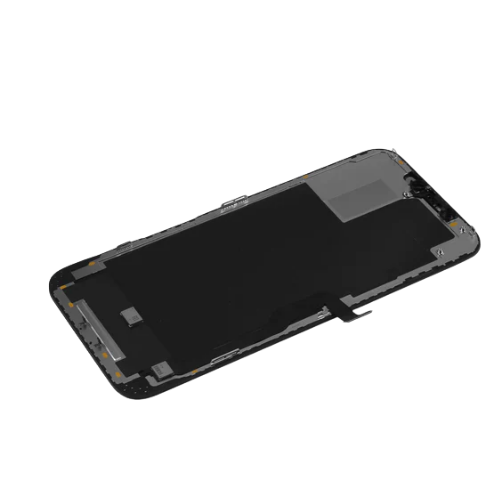
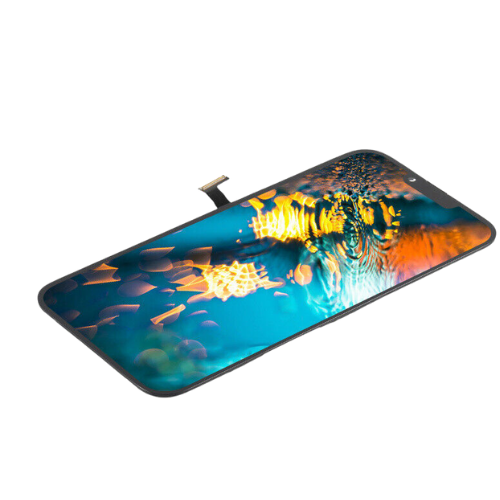
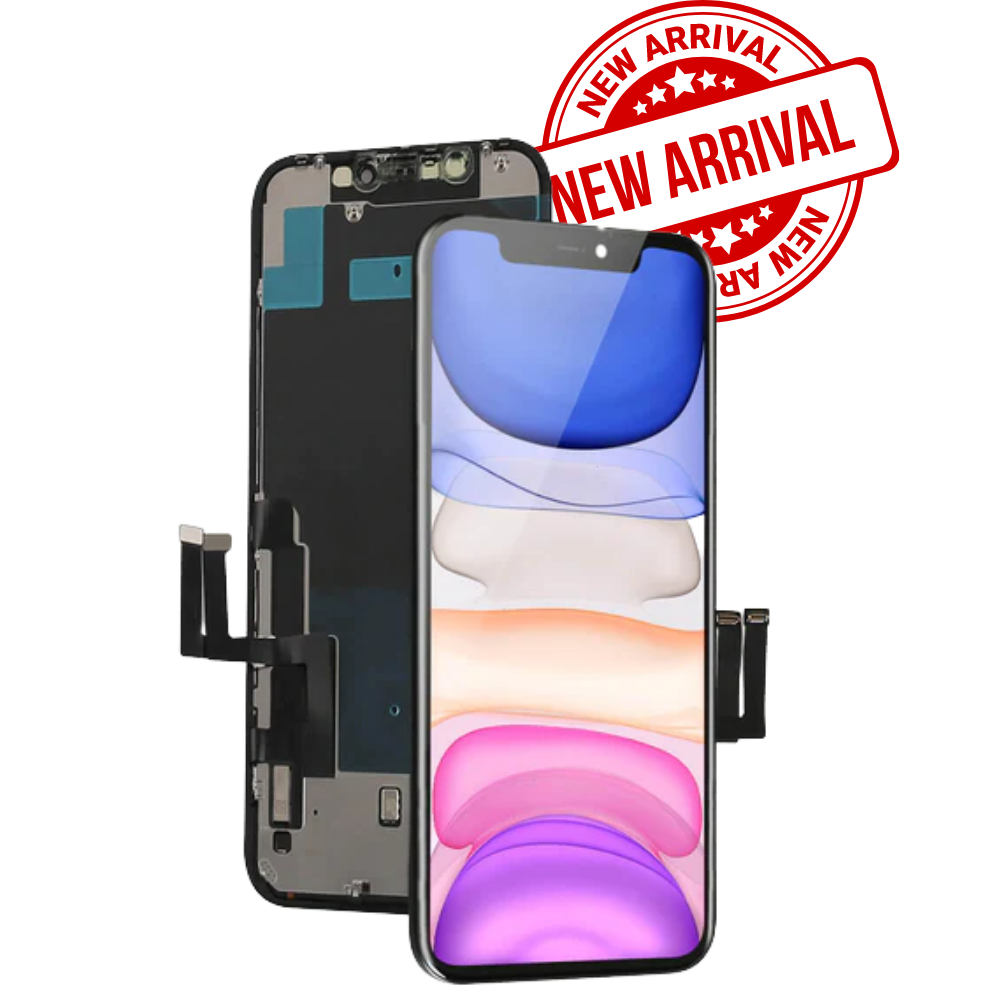
Niezależne fabryki pozyskują szklane ogniwa LCD, moduły podświetlenia, układy scalone sterowników, i elastyczne kable niezależnie, składanie ich w kompatybilne moduły.
Ceny są atrakcyjne. Wolumen jest ogromny. Ale specyfikacje są bardzo zróżnicowane.
Wyjaśnienie podstawowych specyfikacji technicznych
Podłoże panelu: LTPS vs a-Si
To ma fundamentalne znaczenie.
- a-Si (Amorficzny krzem)
Stosowany w modelach podstawowych. Niższy koszt, ograniczona do częstotliwości odświeżania 60 Hz, większe zużycie energii. - LTPS (Niskotemperaturowy polikrzem)
Wyższa ruchliwość elektronów. Obsługuje rozdzielczość FHD+ i częstotliwość odświeżania 90 Hz. Niezbędny w urządzeniach LCD Huawei średniej klasy.
Jeśli sprzedawca twierdzi, że ma 90 Hz, ale używa podłoża a-Si, jest to czerwona flaga.
Rozdzielczość i gęstość pikseli
Urządzenia LCD Huawei ogólnie dzielą się na dwie kategorie:
- HD+ (720P)
- FHD+ (1080P)
Niedopasowanie rozdzielczości jest rzadkie ze względu na ograniczenia sterownika sprzętowego. Jednakże, gorsze panele mogą wykazywać postrzępione czcionki lub zmniejszoną ostrość z powodu różnic w strukturze subpikseli.
Częstotliwość odświeżania: 60Hz vs 90 Hz
Gdy częstotliwość 90 Hz spadła do modeli takich jak Ciesz się Huaweiem 70 Zawodowiec, ekrany z rynku wtórnego musiały się dostosować.
Wymaga prawdziwego panelu 90 Hz:
- Kompatybilny sterownik IC
- Prawidłowe rozpoznawanie oprogramowania sprzętowego
- Odpowiedni czas reakcji ciekłokrystalicznej (≤25ms)
Tanie panele mogą „twierdzić” 90 Hz, ale podczas szybkiego przewijania mogą pojawiać się drgania ruchu.
Jednolitość jasności i podświetlenia
Oryginalne panele zazwyczaj osiągają 500–600 nitów.
Montowane na rynku wtórnym ekrany? Często 350–450 nitów.
Niższa jasność wpływa na widoczność na zewnątrz. Zła jakość podświetlenia może powodować cienie na krawędziach lub nierówną luminancję.
Gama kolorów i kalibracja
Wyświetlacze fabryczne Huawei przechodzą kalibrację pod kątem zarządzania kolorami HarmonyOS.
Ekrany z rynku wtórnego rzadko są poddawane precyzyjnemu dostrajaniu. Wynik?
Lekko żółty odcień. Niebieskie stronniczość. Niespójny balans bieli.
To jak słuchanie muzyki bez odpowiedniego dostrojenia korektora — nic strasznego, ale zauważalnie wyłączony.
Dotknij integracji IC i TDDI
Huawei integruje sterowniki dotykowe głęboko w architekturze systemu.
W wysokiej jakości ekranach zastosowano oryginalne układy Synaptics lub Goodix. Moduły niższej klasy wykorzystują standardowe chipy, co może powodować:
- Opóźnienie dotyku
- Niedokładność gestów
- Brakujące dane wejściowe
Częstotliwości próbkowania dotyku zazwyczaj wahają się od 120 Hz (podstawowy) do 240 Hz (przyjazny dla graczy).
Dla graczy, to ma większe znaczenie niż myślisz.
Dopasowanie wersji kabla elastycznego
Oto prawdziwa pułapka.
Huawei często pozyskuje panele od wielu dostawców w ramach tego samego cyklu produkcyjnego modelu. To znaczy:
- Wersja BOE
- Wersja Tianmy
- Ewentualnie inne wersje dostawców
Definicje styków kabla elastycznego są różne. Niedopasowanie może spowodować awarię wyświetlacza, a nawet uszkodzenie płyty głównej.
Przed wymianą zawsze sprawdzaj oryginalny kod ekranu.
Wyzwania dotyczące kompatybilności charakterystyczne dla Huawei
Ekosystem Huawei dodaje kolejną warstwę.
HarmonyOS integruje sterowniki ekranu na poziomie systemu. Niektóre modele wykorzystują rozwiązania dotykowe związane z HiSilicon, ściśle zoptymalizowane pod kątem oprogramowania układowego.
Ogólne ekrany zamienne mogą działać – ale nie idealnie.
Może zobaczysz:
- Wolniejsze rozpoznawanie gestów
- Subtelne opóźnienie
- Zmniejszona płynność przy wysokich ustawieniach odświeżania
Kompatybilność to już nie tylko sprzęt. To synergia oprogramowania.
Oficjalne ceny wymiany ekranu jako kotwica rynku
Oficjalny program Huawei „wymiana ekranu po stałej cenie” stanowi punkt odniesienia.
Do modeli LCD średniej klasy:
- Wokół 399 RMB dla urządzeń wejściowych
- Aż do 699 RMB dla modeli Nova wyższego poziomu
To wymusza konkurencyjne ceny na rynku wtórnym — zazwyczaj 160–650 RMB w zależności od klasy i poziomu miasta.
Konsumenci stale porównują koszty z doświadczeniem.
Luka w specyfikacji: Oryginalne ekrany z rynkiem wtórnym
Porównajmy realistycznie.
Jasność
Oryginalny: 500–600 nitów
Rynek wtórny: 350–450 nitów
Dokładność kolorów
Oryginalne ekrany są kalibrowane. Rynek wtórny rzadko tak jest.
Grubość i dopasowanie ramy
Jednostki dostępne na rynku wtórnym mogą być grubsze o 0,2–0,5 mm. Mogą pojawić się niewielkie różnice w czarnym obramowaniu.
Zużycie energii
Zoptymalizowane układy scalone sterowników w oryginałach zużywają mniej energii. Niektóre kompatybilne ekrany nieznacznie skracają żywotność baterii.
Niezawodność
Wskaźniki awaryjności przewodów giętkich w przypadku napraw przez strony trzecie wahają się w granicach 8–10%. Nie katastrofalne – ale zauważalne.
Przewodnik zakupowy: Jak odszyfrować specyfikacje rynku wtórnego Huawei
Przed zakupem, sprawdzać:
- Czy to klasa A (żadnych martwych pikseli, brak kurzu)?
- Podłoże LTPS lub a-Si?
- Oryginalny dotykowy układ scalony?
- Prawidłowa wersja kabla elastycznego?
- Długość gwarancji (3–6 miesięcy typowo)?
Zawsze sprawdzaj jasność, dokładność dotyku, i siłę sygnału po instalacji.
Ukryte ryzyko związane z naprawami przez strony trzecie
Bądź ostrożny:
- Złe osadzenie kabli prowadzące do migotania
- Szybsza degradacja jasności
- Ścisłe gwarancje „z wyłączeniem szkód ludzkich”.
- Zagrożenia dla prywatności danych podczas naprawy
- Zaniedbanie testowania sygnału po naprawie
Wybieraj doświadczone warsztaty naprawcze, które zapewniają dokumentację i przejrzystość.
Perspektywy przyszłości: Czy wyświetlacz LCD zanika lub ewoluuje?
Huawei promuje OLED i LTPO w nowych wersjach.
Ale tu jest paradoks.
Ponieważ LCD znika z nowych urządzeń, zapotrzebowanie na wysokiej jakości zamienne panele LCD w związku ze wzrostem zapasów.
Rynki napraw rozwijają się dzięki zainstalowanej bazie, a nie nowe premiery.
Przyszłe trendy obejmują:
- Standaryzowana certyfikacja
- Panele reprodukcyjne wyższej jakości
- Rozszerzone usługi gwarancyjne
- Profesjonalne łańcuchy naprawcze
Rynek się nie kurczy. To dojrzewa.
Wniosek
Ekosystem ekranów LCD Huawei na rynku wtórnym jest znacznie bardziej techniczny, niż się wydaje.
Za każdą wymianą kryje się sieć materiałów podłoża, inżynieria częstotliwości odświeżania, dotykowy kompatybilność IC, wersje dostawcy, i integrację oprogramowania sprzętowego.
Dla konsumentów, kluczowe pytanie nie brzmi po prostu: „Czy jest taniej?”
Pytanie brzmi: „Czy doświadczenie jest wystarczająco zbliżone do oryginału?”
Zrozumienie specyfikacji umożliwia podejmowanie mądrzejszych decyzji — równoważenie kosztów, trwałość, i jakość wyświetlania na rynku kształtowanym przez precyzję i kompatybilność.
FAQ
1. Czy korzystanie z ekranów LCD Huawei dostępnych na rynku wtórnym jest bezpieczne??
Tak, jeśli są odpowiednio dopasowane i zainstalowane. Największym ryzykiem jest niezgodność wersji.
2. Czy ekran 60 Hz można zaktualizować do 90 Hz??
NIE. Ograniczenia podłoża sprzętowego i sterownika uniemożliwiają takie aktualizacje.
3. Dlaczego mój zastępczy ekran wygląda na lekko żółty??
W ekranach z rynku wtórnego często brakuje fabrycznej kalibracji kolorów.
4. Czy wymiana ekranu wpływa na siłę sygnału??
Zwykle nie, ale niewłaściwa instalacja może zakłócać działanie złączy.
5. Czy oficjalna wymiana zawsze jest lepsza??
Technicznie tak, ale względy kosztowe sprawiają, że wysokiej jakości opcje na rynku wtórnym są atrakcyjne.