Dlaczego jakość ekranu ma znaczenie w telefonach Xiaomi i Redmi
Bądźmy szczerzy – ekran Twojego smartfona jest wszystkim. To okno do Twoich aplikacji, Twoje filmy, Twoje gry, a nawet codzienna komunikacja. Jeśli chodzi o takie marki jak Xiaomi i Redmi, wyświetlacz staje się jeszcze ważniejszy, ponieważ firmy te znane są z równoważenia wydajności i kosztów. Więc, jak udaje im się oferować zarówno niedrogie, jak i premium doświadczenia? Odpowiedź leży w dużej mierze w rodzaju technologii ekranowej, z której korzystają.
Jakość ekranu bezpośrednio wpływa na to, jak postrzegasz telefon. Jasny, kolorowy wyświetlacz może sprawić, że nawet telefon ze średniej półki będzie sprawiał wrażenie premium, podczas gdy matowy ekran może zepsuć wrażenia z korzystania z urządzenia o wysokiej wydajności. Dlatego warto zrozumieć, czy Twój telefon korzysta TFT (LCD) Lub OLED ma większe znaczenie niż myślisz. Nie chodzi tylko o wygląd – wpływa to również na żywotność baterii, trwałość, a nawet koszty naprawy.
W urządzeniach Xiaomi i Redmi, wybór wyświetlacza jest strategiczny. Budżetowe modele często opierają się na panelach TFT LCD, podczas gdy modele z wyższej półki korzystają z OLED. Podział ten pozwala marce skutecznie docierać do różnych odbiorców, nie wpływając zbytnio na ogólną satysfakcję użytkowników.
Przegląd technologii LCD i OLED
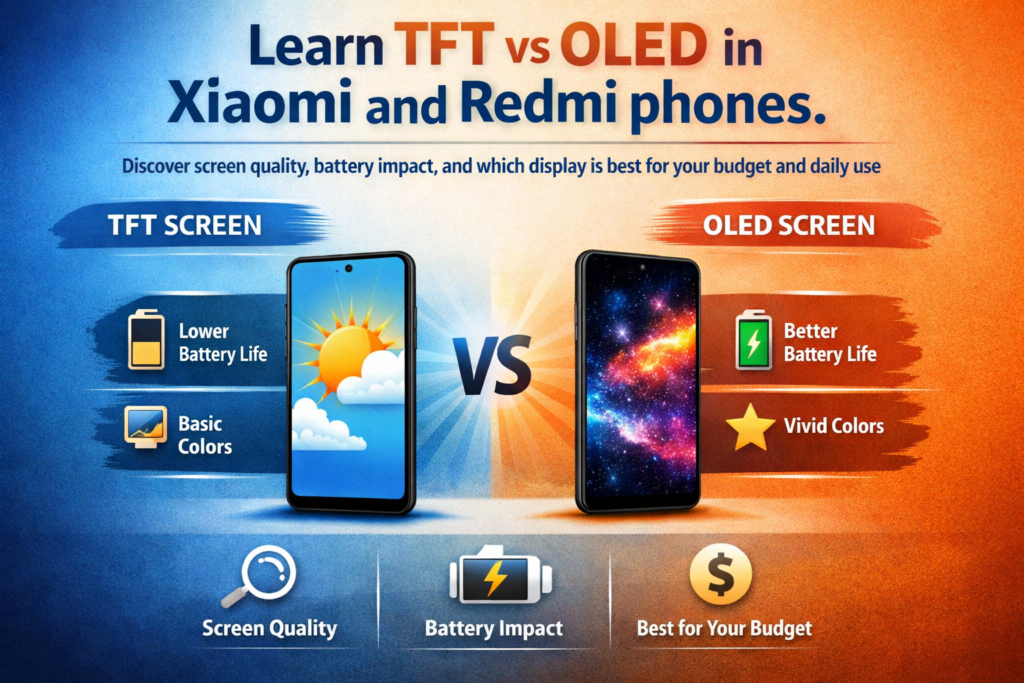
W rdzeniu, wyświetlacze smartfonów można podzielić na dwie główne kategorie: LCD (Wyświetlacz ciekłokrystaliczny) I OLED (Organiczna dioda emitująca światło). TFT to właściwie rodzaj wyświetlacza LCD, podczas gdy AMOLED jest formą OLED szeroko stosowaną w nowoczesnych smartfonach.
Największa różnica polega na sposobie wytwarzania światła. Ekrany LCD, w tym TFT, wymagają podświetlenia, aby oświetlić piksele. Ekrany OLED, z drugiej strony, generować światło na poziomie pikseli, co oznacza, że każdy piksel może włączać się i wyłączać niezależnie.
Ta zasadnicza różnica zmienia wszystko – od kontrastu i głębi kolorów po efektywność energetyczną. Pomyśl o wyświetlaczu LCD jak o latarce świecącej przez kolorowe szkło, podczas gdy OLED jest jak miliony maleńkich żarówek, które włączają się i wyłączają indywidualnie. Już sama ta analogia wyjaśnia, dlaczego wyświetlacze OLED są często uważane za lepsze pod względem wydajności wizualnej.
Co to jest oryginalny ekran Xiaomi lub Redmi?
Definicja oryginału (OEM) Ekrany
Kiedy ludzie mówią o „oryginalnych ekranach,”, do którego się odwołują OEM (Producent wyposażenia oryginalnego) wyświetla. Są to dokładnie te same ekrany, które są fabrycznie instalowane w telefonach Xiaomi i Redmi podczas produkcji. Produkowane są według rygorystycznych norm jakościowych i są w pełni kompatybilne ze sprzętem i oprogramowaniem urządzenia.
Oryginalne ekrany zapewniają odpowiedni poziom jasności, dokładna reakcja na dotyk, oraz pełną kompatybilność z funkcjami takimi jak czujniki linii papilarnych i wysokie częstotliwości odświeżania. Krótko mówiąc, zapewniają wrażenia zamierzone przez producenta.
Różnice między ekranami oryginalnymi i wtórnymi
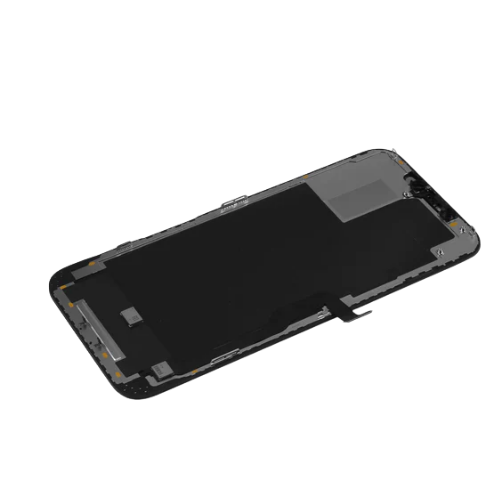
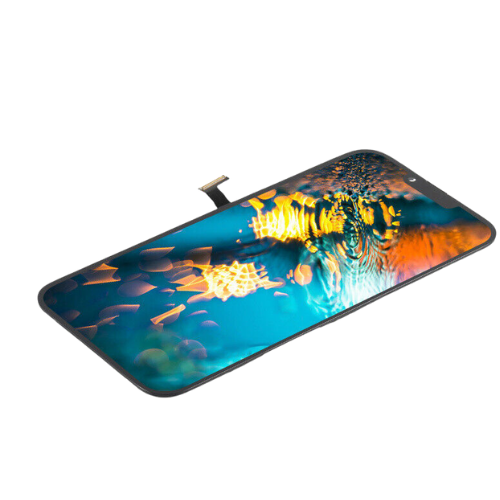
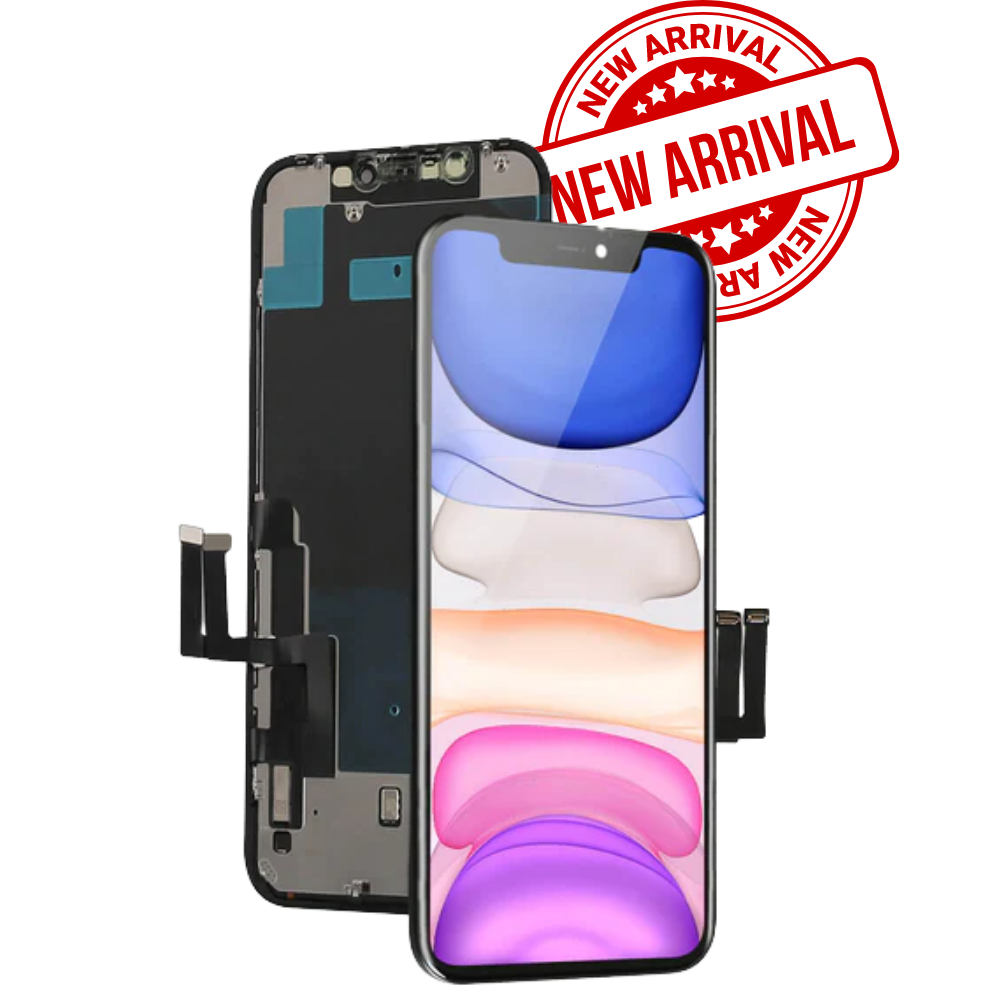
Tutaj sprawy stają się trudne. Gdy pęknie ekran, często znajdziesz tańsze opcje wymiany oznaczone jako TFT lub „ekrany do kopiowania”. Są to produkty z rynku wtórnego, i chociaż mogą wyglądać podobnie, różnica w wydajności może być znacząca.
Ekrany TFT na rynku wtórnym są zwykle tańsze, ponieważ wykorzystują prostszą technologię i niższe koszty produkcji. Jednakże, często brakuje im dokładności kolorów, spójność jasności, i trwałość. Z drugiej strony, oryginalne zamienniki OLED są zazwyczaj droższe, ale zachowują pierwotną wydajność telefonu.
Wybór pomiędzy oryginałem a rynkiem wtórnym jest jak wybór pomiędzy oryginalnymi częściami samochodowymi a zwykłymi zamiennikami – oba mogą działać, ale doświadczenie jest zupełnie inne.
Zrozumienie ekranów TFT LCD
Jak działa technologia TFT
TFT oznacza Tranzystor cienkowarstwowy, i jest to rodzaj technologii LCD. Na wyświetlaczu TFT, ciekłe kryształy kontrolują ilość światła przechodzącego przez każdy piksel, natomiast podświetlenie zapewnia stałe oświetlenie za ekranem.
Ponieważ podświetlenie jest zawsze włączone, nawet czarne obszary są lekko oświetlone. Dlatego czerń na ekranach TFT często bardziej przypomina ciemnoszary niż prawdziwą czerń.
Zalety ekranów TFT
Ekrany TFT są powszechnie stosowane w budżetowych smartfonach nie bez powodu – są niezawodne i ekonomiczne. Jedną z ich największych zalet jest jasność. Ekrany te dobrze sprawdzają się na zewnątrz, co ułatwia ich odczytanie w bezpośrednim świetle słonecznym.
Kolejną zaletą jest trwałość. Wyświetlacze TFT są mniej podatne na problemy takie jak wypalenie, które z czasem mogą wystąpić na ekranach OLED. Utrzymują także stałą wydajność niezależnie od tego, co jest wyświetlane, co czyni je idealnymi do treści statycznych.
Koszt jest kolejnym ważnym czynnikiem. Panele TFT są znacznie tańsze w produkcji, umożliwiając producentom takim jak Redmi oferowanie niedrogich urządzeń bez poświęcania użyteczności.
Wady ekranów TFT
Pomimo swoich zalet, Ekrany TFT mają wyraźne ograniczenia. Najbardziej zauważalną wadą jest niższy kontrast. Ponieważ podświetlenie jest zawsze włączone, osiągnięcie głębokiej czerni jest niemożliwe, co wpływa na ogólną jakość obrazu.
Kąty widzenia są też słabsze w porównaniu do OLED-a. Kolory mogą się zmieniać, jeśli patrzysz na ekran pod różnymi kątami. Dodatkowo, Ekrany TFT zużywają stałą energię, ponieważ podświetlenie nigdy się nie wyłącza, co może mieć wpływ na żywotność baterii.
Zrozumienie wyświetlaczy OLED
Jak działa technologia OLED
OLED oznacza Organiczna dioda emitująca światło, i reprezentuje zupełnie inne podejście do technologii wyświetlania. Zamiast polegać na podświetleniu, każdy piksel emituje własne światło.
Oznacza to, że piksel jest wyłączony, daje prawdziwą czerń. Brak wycieków światła, bez kompromisów. Właśnie dlatego wyświetlacze OLED mają „nieskończony kontrast” i są oszałamiające wizualnie.
Zalety ekranów OLED
Wyświetlacze OLED znane są z żywych kolorów i głębokiej czerni. Oglądanie filmów lub granie w gry na ekranie OLED zapewnia wciągające wrażenia, prawie tak, jakby obraz unosił się nad urządzeniem.
Kolejną zaletą jest efektywność energetyczna – przynajmniej w niektórych scenariuszach. Podczas wyświetlania ciemnej zawartości, Ekrany OLED zużywają mniej energii, ponieważ czarne piksele są całkowicie wyłączone.
Są też cieńsze i bardziej elastyczne, umożliwiając projektowanie nowoczesnych smartfonów, takich jak zakrzywione krawędzie i składane wyświetlacze.
Wady ekranów OLED
Ekrany OLED nie są idealne. Jedną z głównych kwestii jest Burn, gdzie statyczne obrazy mogą z czasem pozostawić trwałe ślady na ekranie. Chociaż jest to mniej powszechne w nowoczesnych urządzeniach, to nadal ryzyko.
Są też droższe w produkcji, co zwiększa koszt zarówno telefonu, jak i części zamiennych. Dodatkowo, Jasność OLED może czasami się zmieniać, aby zapobiec przegrzaniu lub przedłużyć żywotność.
OLED kontra TFT: Kluczowe różnice
Jakość wyświetlania i dokładność kolorów
OLED wyraźnie wygrywa pod względem jakości obrazu. Oferuje prawdziwą czerń, wyższe współczynniki kontrastu, i żywsze kolory. Ekrany TFT, choć przyzwoity, po prostu nie może równać się z głębią i realizmem wyświetlaczy OLED.
Zużycie i wydajność baterii
To zależy od użytkowania. OLED jest bardziej wydajny w przypadku ciemnych motywów, podczas gdy TFT zużywa stałą energię niezależnie od treści.
Różnice cen i kosztów
Ekrany TFT są znacznie tańsze, dzięki czemu idealnie nadają się do urządzeń budżetowych. Ekrany OLED kosztują więcej, ale zapewniają wrażenia premium.
Trwałość i żywotność
Ekrany TFT są bardziej odporne na długotrwałą degradację, podczas gdy ekrany OLED mogą ulec wypaleniu w wyniku długotrwałego użytkowania.
Tabela porównawcza
| Funkcja | LCD TFT | OLED |
|---|---|---|
| Podświetlenie | Wymagany | Nie potrzebne |
| Poziom czerni | Ciemnoszary | Prawdziwa czerń |
| Kontrast | Niski | Nieskończony |
| Koszt | Niski | Wysoki |
| Ryzyko wypalenia | Nic | Możliwy |
| Zużycie energii | Stały | Zmienny |
Strategia wyświetlania Xiaomi vs Redmi
Dlaczego Redmi używa więcej wyświetlaczy TFT
Redmi stawia na przystępność cenową. Za pomocą ekranów TFT LCD, Redmi może utrzymać niskie ceny, jednocześnie zapewniając przyzwoitą wydajność. Dzięki temu ich urządzenia są dostępne dla szerszego grona odbiorców.
Dlaczego flagowce Xiaomi korzystają z OLED
Flagowe modele Xiaomi stawiają na najwyższą jakość. Ekrany OLED zapewniają doskonałość wizualną, jakiej oczekuje się od smartfonów z najwyższej półki, czyniąc je naturalnym wyborem.
Porównanie wydajności w świecie rzeczywistym
Doświadczenie w grach
Ekrany OLED zapewniają płynniejszy obraz i krótszy czas reakcji, dzięki czemu idealnie nadają się do gier. Kolory wyskakują, a rozmycie ruchu jest minimalne.
Widoczność na zewnątrz
Ekrany TFT często działają lepiej w bezpośrednim świetle słonecznym ze względu na silne podświetlenie.
Codzienne użytkowanie
Do codziennych zadań, oba ekrany działają dobrze. Jednakże, gdy już doświadczysz OLED, trudno jest wrócić.
Jak wybrać odpowiedni ekran
Na podstawie budżetu
Jeśli masz napięty budżet, TFT jest całkowicie akceptowalne. Wykonuje zadanie bez rozbijania banku.
W oparciu o potrzeby użytkowania
Jeśli lubisz oglądać filmy, hazard, lub chcesz uzyskać najlepsze wrażenia wizualne, Warto zainwestować w OLED.
Wniosek
Wybór pomiędzy TFT i OLED w telefonach Xiaomi i Redmi ostatecznie sprowadza się do twoich priorytetów. Jeśli zależy Ci na przystępnej cenie i niezawodności, TFT to solidny wybór. Jeśli zależy Ci na najwyższej jakości oprawie wizualnej i wciągających doświadczeniach, OLED jest zdecydowanym zwycięzcą. Zrozumienie tych różnic pomoże Ci podejmować mądrzejsze decyzje – nie tylko przy zakupie telefonu, ale także przy wymianie ekranu.
FAQ
1. Czy OLED jest lepszy od TFT w telefonach Xiaomi?
Tak, OLED zapewnia lepszy kontrast, zabarwienie, i ogólną jakość wizualną.
2. Dlaczego telefony Redmi są tańsze?
Często korzystają z ekranów TFT LCD, które są tańsze w produkcji.
3. Czy mogę wymienić ekran OLED na TFT??
Tak, ale stracisz jakość wyświetlania i niektóre funkcje.
4. Czy OLED szybciej zużywa baterię??
Nie zawsze — zależy to od sposobu użytkowania i zawartości ekranu.
5. Który ekran wytrzyma dłużej?
Ekrany TFT zazwyczaj wytrzymują dłużej ze względu na brak ryzyka wypalenia.