
Εισαγωγή
Ο κόσμος των οθονών smartphone γνώρισε ταχεία καινοτομία — από βασικές οθόνες LCD έως προηγμένες OLED που προσφέρουν βαθύ μαύρο και ζωντανά χρώματα. Τώρα, ένας νέος υποψήφιος έχει μπει στη σκηνή: Μίνι οπίσθιος φωτισμός LED. Αυτή η τεχνολογία υπόσχεται να ξεπεράσει τα όρια των παραδοσιακών οθονών LCD, προσφέροντας απόδοση τύπου OLED χωρίς κοινά μειονεκτήματα. Όμως το ερώτημα παραμένει: είναι το Mini LED πραγματικά η απόλυτη εξέλιξη της LCD, ή απλώς ένα σκαλοπάτι προς κάτι μεγαλύτερο?
Κατανόηση της τεχνολογίας Mini LED
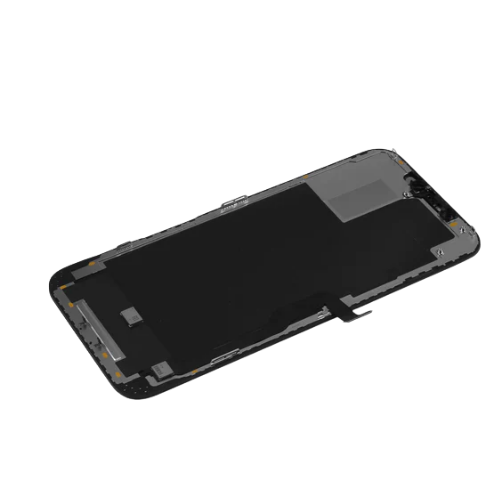
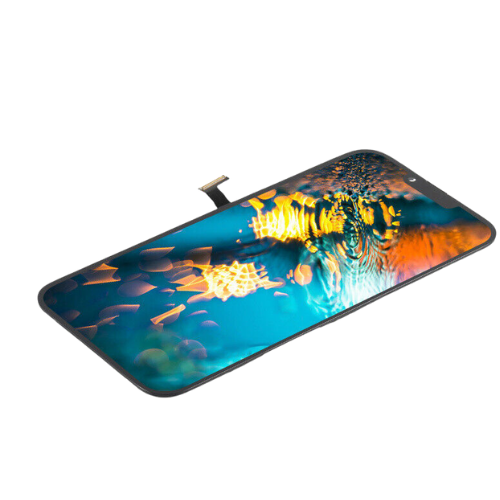
Ετσι, τι ακριβώς είναι το Mini LED? Με απλά λόγια, είναι προχωρημένο σύστημα οπίσθιου φωτισμού για πάνελ LCD που αντικαθιστά τα λίγα μεγάλα LED με χιλιάδες μικροσκοπικές χάντρες LED, το καθένα μόνο περίπου 100– 200 μικρόμετρα σε μέγεθος. Αυτά τα μικροσκοπικά LED επιτρέπουν ακριβής έλεγχος του φωτός, οδηγώντας σε πιο πλούσια αντίθεση, υψηλότερη φωτεινότητα, και βελτιωμένο δυναμικό εύρος.
Σε αντίθεση με τις παραδοσιακές οθόνες LCD με φωτισμό άκρων που χρησιμοποιούν μια χούφτα LED κατά μήκος των περιγραμμάτων, Χρησιμοποιούνται μίνι πάνελ LED τοπικό φωτισμό πλήρους συστοιχίας (ΠΤΩΣΗ) — διαίρεση του οπίσθιου φωτισμού σε εκατοντάδες ή και χιλιάδες ανεξάρτητες ζώνες που μπορεί να εξασθενίσει ή να φωτίσει ξεχωριστά. Αυτό είναι το μυστικό πίσω από τα εκπληκτικά γραφικά που μπορεί να παράγει το Mini LED.
Πώς λειτουργεί το Mini LED
Μια τυπική οθόνη Mini LED χρησιμοποιεί χιλιάδες LED μικροκλίμακας πίσω από το στρώμα LCD. Κάθε ομάδα LED σχηματίζει ένα τοπική ζώνη εξασθένισης, που μπορεί να προσαρμόσει δυναμικά τη φωτεινότητα με βάση το περιεχόμενο της εικόνας. Για παράδειγμα, όταν μέρος της οθόνης εμφανίζει μια σκοτεινή νυχτερινή σκηνή, αυτές οι συγκεκριμένες ζώνες μειώνονται, ενώ φωτεινές περιοχές (σαν αστέρια) παραμένουν ζωντανοί.
Αυτή η μέθοδος επιτυγχάνει Αντίθεση σαν OLED διατηρώντας το μεγάλη διάρκεια ζωής και φωτεινότητα πλεονεκτήματα της LCD. Εξάλλου, Μίνι πάνελ LED διαχειρίζονται θερμότητας και ισχύος αποτελεσματικά χάρη στα προηγμένα κυκλώματα προγραμμάτων οδήγησης και τους βελτιστοποιημένους αλγόριθμους μείωσης της φωτεινότητας.
Πλεονεκτήματα των οθονών μίνι LED
1. Υψηλότερος λόγος αντίθεσης
Οι οθόνες μίνι LED επιτυγχάνουν επίπεδα μαύρου σχεδόν OLED χάρη στον ακριβή έλεγχο της φωτεινότητας. Κατά την εμφάνιση σκούρου περιεχομένου, Οι τοπικές ζώνες μείωσης της φωτεινότητας μπορούν να απενεργοποιηθούν εντελώς, ενισχύοντας δραματικά το βάθος και την αντίθεση.
2. Βελτιωμένη φωτεινότητα και HDR
Ένα από τα μεγαλύτερα δυνατά σημεία του Mini LED βρίσκεται σε αυτό εξαιρετική φωτεινότητα — συχνά υπερβαίνει 1,000 κόνιδες ή περισσότερα. Αυτό επιτρέπει την εκπληκτική Απόδοση HDR, καθιστώντας το ιδανικό για εξωτερική ορατότητα και αναπαραγωγή βίντεο υψηλού δυναμικού εύρους.
3. Μεγαλύτερη διάρκεια ζωής
Επειδή τα Mini LED βασίζονται σε ανόργανα υλικά, δεν αποικοδομούνται τόσο γρήγορα όσο οι οργανικές ενώσεις του OLED. Αυτό έχει ως αποτέλεσμα μεγαλύτερη ακρίβεια χρώματος και διατήρηση φωτεινότητας.
4. Όχι Burn-in
Οι οθόνες OLED υποφέρουν από διατήρηση εικόνας (καύση) με την πάροδο του χρόνου. Οι μίνι LCD LCD δεν έχουν ανοσία σε αυτό, καθιστώντας τα πιο κατάλληλα για βαριά χρήση, όπως παιχνίδια ή παρατεταμένο στατικό περιεχόμενο.
Σύγκριση Mini LED εναντίον. OLED
Επίπεδα μαύρου και αντίθεση
Η OLED εξακολουθεί να ηγείται στην επίτευξη αληθινών μαύρων, καθώς κάθε pixel εκπέμπει το δικό του φως. Μίνι LED, ενώ κοντά, δεν μπορεί να επιτύχει απόλυτο μαύρο λόγω της ελαφριάς ελαφριάς αιμορραγίας από γειτονικές ζώνες.
Ακρίβεια χρώματος
Και οι δύο τεχνολογίες προσφέρουν εξαιρετικό χρώμα, αλλά τα πάνελ Mini LED υποστηρίζουν πλέον μεγάλη γκάμα χρωμάτων όπως το DCI-P3 και το Rec.2020, μειώνοντας το χάσμα με OLED.
Κατανάλωση Ενέργειας
Το OLED μπορεί να είναι πιο αποτελεσματικό σε σκοτεινά θέματα αλλά λιγότερο σε φωτεινά. Οι μίνι LCD LCD διατηρούν σταθερή χρήση ενέργειας, αν και η φωτεινότητά τους μπορεί να αυξήσει την κατανάλωση ισχύος.
Κόστος και Παραγωγή
Τα πάνελ OLED είναι ακριβά στην παραγωγή και πιο επιρρεπή σε ελαττώματα. Το μίνι LED προσφέρει α ισορροπία μεταξύ απόδοσης και κόστους, ειδικά για συσκευές μεσαίας έως υψηλής τεχνολογίας.
Μίνι LED vs. Παραδοσιακή οθόνη LCD
Χρήση παραδοσιακών LCD φωτισμός άκρων, με αποτέλεσμα ανομοιόμορφη φωτεινότητα και περιορισμένη αντίθεση. Μίνι LED, από την άλλη, φέρνει τοπικό φωτισμό πλήρους συστοιχίας, δημιουργώντας μια ομοιόμορφη και δυναμική εικόνα.
Το αποτέλεσμα? Βαθιά μαύρα, φωτεινά λευκά, και ζωηρά χρώματα — όλα αυτά χωρίς να εγκαταλείπουμε τα βασικά πλεονεκτήματα της LCD για προσιτές τιμές και ανθεκτικότητα.
Ορισμένες μάρκες smartphone, ιδιαίτερα στην Κίνα, πειραματίζονται με οθόνες LCD που βασίζονται σε Mini LED για να ανταγωνιστούν τις αγορές που κυριαρχούν τα OLED.
Βασικές προκλήσεις της τεχνολογίας Mini LED
Παρά τα πλεονεκτήματά του, Το μίνι LED δεν είναι τέλειο. Ο η διαδικασία παραγωγής είναι πολύπλοκη, που απαιτεί ακριβή τοποθέτηση χιλιάδων μικροσκοπικών LED. Αυτό αυξάνει και τα δύο κόστος και χρόνος κατασκευής.
Επιπλέον, Οι μίνι οθόνες LED τείνουν να είναι πιο χοντρό λόγω του συστήματος οπίσθιου φωτισμού πολλαπλών επιπέδων, καθιστώντας το δύσκολο για εξαιρετικά λεπτά smartphone.
Κατασκευαστικές Προκλήσεις
Κάθε LED πρέπει να βαθμονομείται ξεχωριστά για φωτεινότητα και ομοιομορφία χρώματος. Ακόμη και μια μικρή απόκλιση μπορεί να οδηγήσει σε ορατές ασυνέπειες. Οι κατασκευαστές πρέπει επίσης να διαχειριστούν θερμική διάχυση, καθώς χιλιάδες πηγές φωτός παράγουν σημαντική θερμότητα μέσα σε ένα συμπαγές πλαίσιο.
Μίνι LED σε Smartphones
Η τεχνολογία Mini LED έχει ήδη αποδείξει την αξία της iPad, φορητούς υπολογιστές, και τηλεοράσεις. Ωστόσο, η χρήση του σε smartphone παραμένει περιορισμένη λόγω περιορισμοί χώρου και κόστους.
Ακόμη, Ορισμένες κορυφαίες συσκευές και πρωτότυπα μοντέλα δοκιμάζουν Mini LED LCD, στόχευση χρηστών που απαιτούν Φωτεινότητα και ανθεκτικότητα βαθμού HDR.
Ο ρόλος του Mini LED στην Apple και σε άλλους κατασκευαστές OEM
της Apple iPad Pro (2021) και MacBook Pro (2023) παρουσιάστε τις δυνατότητες του Mini LED. Ενώ η Apple δεν έχει εισαγάγει ακόμη το Mini LED στα iPhone, Οι φήμες υποδηλώνουν ότι θα μπορούσε να χρησιμεύσει ως τεχνολογία γέφυρας πριν Micro LED φτάνει.
Άλλες μάρκες όπως η TCL και η BOE πειραματίζονται επίσης με Mini LED οθόνες smartphone, ελπίζοντας να προσφέρει γραφικά σε επίπεδο OLED με χαμηλότερο κόστος.
Είναι το Mini LED το μέλλον ή ένα Bridge to Micro LED?
Πολλοί ειδικοί βλέπουν το Mini LED ως α μεταβατική τεχνολογία. Βελτιώνει σημαντικά τις οθόνες LCD, αλλά εξακολουθεί να βασίζεται σε ένα σύστημα οπίσθιου φωτισμού.
Αντίθετα, Micro LED εξαλείφει εντελώς την ανάγκη για οπίσθιο φωτισμό — προσφέροντας αυτοεκπομπές pixel όπως το OLED αλλά με υψηλότερη φωτεινότητα, καλύτερη αποτελεσματικότητα, και χωρίς καύση.
Το Mini LED πιθανότατα θα κυριαρχήσει στις premium LCD για τα επόμενα χρόνια μέχρι Κατασκευή Micro LED γίνεται προσιτή και επεκτάσιμη.
Παράγοντες Περιβάλλοντος και Αειφορίας
Οι μίνι οθόνες LED καταναλώνουν λιγότερη ενέργεια από τις παραδοσιακές οθόνες LCD όταν βελτιστοποιούνται και διαρκούν περισσότερο από τις OLED. Τους ανόργανα υλικά επίσης να τα κάνουν πιο ανακυκλώσιμα, ευθυγράμμιση με τους παγκόσμιους στόχους βιωσιμότητας.
Προοπτική Καταναλωτή
Από την οπτική γωνία ενός χρήστη, Οι μίνι οθόνες LED προσφέρουν α αισθητή αναβάθμιση πάνω από κανονικές οθόνες LCD. Λάμπουν σε φωτεινά περιβάλλοντα, προσφέρει εξαιρετικό HDR, και αποφύγετε τα προβλήματα καύσης της OLED.
Ωστόσο, το ελαφρώς υψηλότερο κόστος και πάχος μπορεί να αποτρέψει ορισμένους κατασκευαστές smartphone από το να το υιοθετήσουν ευρέως — τουλάχιστον προς το παρόν.
Σύναψη
Η τεχνολογία οπίσθιου φωτισμού Mini LED αντιπροσωπεύει ένα σημαντικό ορόσημο στην εξέλιξη της οθόνης — δίνοντας ουσιαστικά νέα ζωή στον κόσμο των LCD. Με απαράμιλλη φωτεινότητα, εξαιρετική απόδοση HDR, και βελτιωμένη αντίθεση, κλείνει μεγάλο μέρος του χάσματος μεταξύ LCD και OLED.
Ακόμη, μπορεί να είναι μια γέφυρα παρά ένας προορισμός. Καθώς το Micro LED φαίνεται στον ορίζοντα, Το μίνι LED είναι το Η «τελική εξέλιξη» της LCD — ένα εκλεπτυσμένο, τεχνολογία υψηλής απόδοσης που διατηρεί την οθόνη LCD επίκαιρη στην εποχή της κυριαρχίας των OLED.
Συχνές ερωτήσεις
1. Τι κάνει το Mini LED διαφορετικό από το OLED?
Το Mini LED χρησιμοποιεί χιλιάδες μικροσκοπικά LED ως οπίσθιο φωτισμό για οθόνες LCD, ενώ τα εικονοστοιχεία OLED εκπέμπουν φως μεμονωμένα. Αυτό σημαίνει ότι το Mini LED διατηρεί τη δομή της LCD αλλά με βελτιωμένο έλεγχο και αντίθεση.
2. Οι οθόνες Mini LED καταναλώνουν περισσότερη ενέργεια?
Μπορούν, ειδικά σε υψηλά επίπεδα φωτεινότητας, αλλά η σύγχρονη διαχείριση ενέργειας βοηθά στην αποτελεσματική εξισορρόπηση της χρήσης ενέργειας.
3. Οι οθόνες Mini LED είναι πιο ανθεκτικές?
Ναί. Οι Mini οθόνες LED είναι πιο ανθεκτικές στο κάψιμο και έχουν μεγαλύτερη διάρκεια ζωής σε σύγκριση με τα πάνελ OLED.
4. Όλα τα smartphone θα αλλάξουν σε Mini LED?
Όχι όλα — η OLED παραμένει κυρίαρχη στα premium τηλέφωνα, αλλά το Mini LED θα μπορούσε να γίνει δημοφιλές σε μοντέλα ή tablet υψηλής τεχνολογίας LCD.
5. Τι έρχεται μετά το Mini LED στην εξέλιξη της οθόνης?
Micro LED είναι το επόμενο σύνορο — προσφέροντας αυτοεκπομπές pixel, υψηλότερη φωτεινότητα, και καλύτερη απόδοση χωρίς τους περιορισμούς της OLED.