Unsa ang Mobile LCD Display?
Kahubitan ug Batakang Konsepto
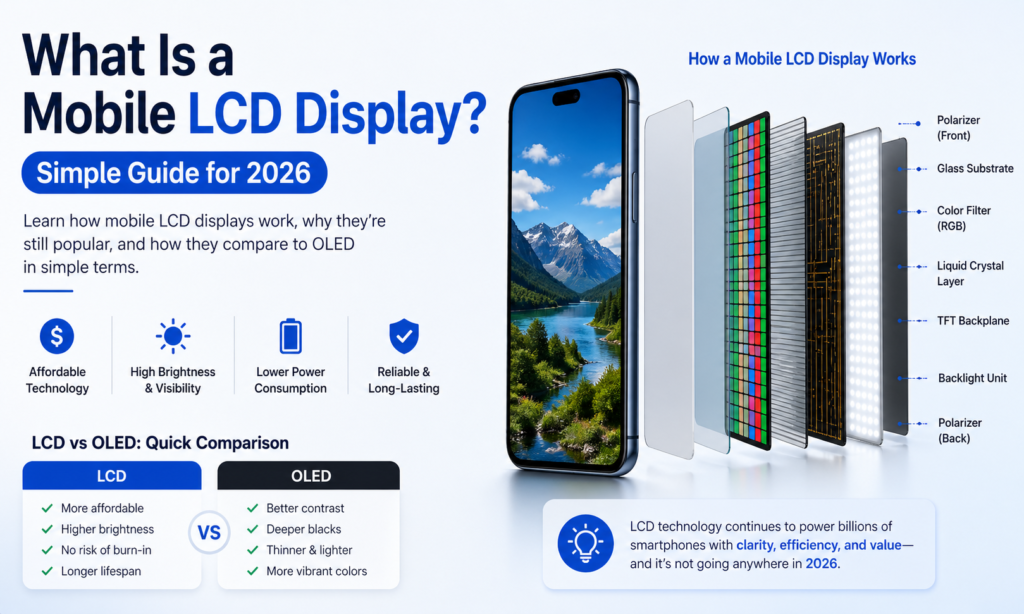
Kung nakatutok ka na sa imong telepono sa daghang oras—pag-scroll, pagtan-aw og mga video, o pagtubag sa mga mensahe—nag-interact ka sa usa sa pinakaimportante nga bahin sa teknolohiya sa imong device: ang LCD display. Nagbarug ang LCD Likido nga crystal display, ug kini ang backbone sa mga mobile screen sulod sa mga dekada. Hunahunaa kini isip usa ka mabinantayon nga pagkahimong sandwich sa mga lut-od, diin ang mga likido nga kristal naglingkod taliwala sa mga panel sa bildo ug gikontrol kung giunsa ang pag-agi sa kahayag aron makahimo mga imahe.
Apan ania ang makapainteres nga bahin-ang mga screen sa LCD dili makahatag kahayag sa ilang kaugalingon. Inay, nagsalig sila sa a gaba. Hunahunaa ang usa ka yugto sa teatro: ang backlight mao ang spotlight, ug ang mga kristal nga likido mao ang mga tigpasundayag nga naghulma sa imong nakita. Kung wala kana nga tinubdan sa kahayag, ang screen magpabilin nga hingpit nga ngitngit.
Bisan sa 2026, Ang teknolohiya sa LCD wala mawala sa kangitngit. Gigahom gihapon niini ang daghang bahin sa mga smartphone, ilabi na sa mid-range ug budget device. Kana tungod kay kini adunay balanse tali sa gasto, kasaligan, ug pasundayag nga dili mabalewala sa daghang mga tiggama.
Ngano nga ang LCD kaylap nga gigamit
Tingali nahibulong ka: nga adunay mas bag-ong mga teknolohiya sama sa OLED nga nagdominar sa mga ulohan, nganong LCD pa man? Ang tubag makapakurat nga praktikal—gasto efficiency ug scalability. Sumala sa bag-ong datos sa merkado, LCD gihapon ang account tapos na 43% sa mga pagpadala sa mobile display sa tibuok kalibutan, sobra 1.28 bilyon nga yunit sa 2026 .
Dili kana gamay nga numero - kini dako. Gipakita niini nga samtang ang mga premium nga telepono naglihok padulong sa OLED, kadaghanan sa populasyon sa kalibutan nagsalig gihapon sa mga aparato nga nakabase sa LCD. Gipaboran sa mga tiggama ang LCD tungod kay mas barato ang paghimo, mas sayon sa pag-scale, ug mas lig-on sa pipila ka mga kondisyon.
Sa yano nga mga termino, Ang LCD dili karaan-kini estratehikong kinahanglanon. Sama kini sa kasaligang sakyanan sa pamilya: basin dili flashy, pero kasaligan, barato, ug bisan asa.
Giunsa Pagtrabaho ang mga LCD Screen sa mga Smartphone
Ang Papel sa Liquid Crystals
Atong gub-on kini sa paagi nga tinuod nga makatarunganon. Sulod sa LCD screen, makit-an nimo ang milyon-milyon nga gagmay nga mga selyula nga puno sa likido nga mga kristal. Espesyal kini nga mga kristal—mahimo kining moliko ug mag-align kung gamiton ang elektrisidad. Kana nga paglihok nagkontrol kung pila ang kahayag nga moagi sa matag pixel.
Hunahunaa ang matag pixel sama sa usa ka gamay nga window blind. Sa diha nga ang kristal moliko, kini makapasa sa kahayag o makababag niini. I-multiply kana sa minilyon, ug sa kalit nakakuha ka usa ka tibuuk nga imahe-mga video, Mga Litrato, text—tanan gihubad sa tinuod nga panahon.
Kini nga proseso mahitabo hilabihan ka paspas, mao nga dili nimo mamatikdan ang bisan unsang paglangan kung mag-scroll ka o magtan-aw sa mga video. Kini usa ka seamless nga ilusyon nga gipadagan sa physics ug precision engineering.
Gipasabot ang Backlight ug Color Filters
Tungod kay ang mga likido nga kristal dili mobuga ug kahayag, Ang mga LCD screen nanginahanglan usa ka gaba, kasagaran ginama sa mga LED. Kini nga backlight modan-ag sa kristal nga layer ug dayon moagi mga filter sa kolor—pula, berde, ug asul.
Pinaagi sa pag-adjust kung unsa kadaghan ang kahayag sa matag subpixel, ang display nagmugna og minilyon nga mga kolor. Kini susama sa pagsagol sa mga pintura, apan imbes nga mga pigment, kini ang tanan mahitungod sa kahayag intensity.
Ang resulta? Usa ka masanag, mabulukon nga screen nga naglihok nga maayo bisan sa gawas nga palibot. Kini usa ka lugar diin ang LCD kanunay nga molihok nga mas maayo kaysa sa OLED — labi na sa ilawom sa direkta nga adlaw.
Mga matang sa LCD Display sa mga Mobile Phones
TFT LCD
Tag (Nipis nga Film Transistor) Ang LCD mao ang usa sa labing una ug labing sukaranan nga mga tipo sa teknolohiya sa LCD nga gigamit sa mga smartphone. Naggamit kini usa ka matrix sa mga transistor aron makontrol ang matag pixel nga tinagsa, nagtugot alang sa mas paspas nga mga panahon sa pagtubag kon itandi sa mas daan nga mga teknolohiya.
Hinoon, Ang mga screen sa TFT kasagarang nag-antos sa mas pig-ot nga mga anggulo sa pagtan-aw ug dili kaayo tukma nga pagkopya sa kolor. Kanunay silang makit-an sa mga aparato nga lebel sa pagsulod diin ang gasto mao ang panguna nga prayoridad.
IPS LCD
Ips (In-Plane Pagbalhin) Ang LCD diin ang mga butang mahimong makapaikag. Kini nga teknolohiya nagpauswag sa pagtan-aw sa mga anggulo ug pagkasibu sa kolor pinaagi sa pag-align sa mga likido nga kristal sa lahi nga paagi. Kung imong gikiling ang imong telepono ug namatikdan nga tin-aw gihapon ang screen, tingali naggamit ka ug IPS display.
Ang IPS LCD nahimong ang sumbanan sa industriya alang sa mid-range nga mga smartphone tungod kay kini nagtanyag sa usa ka dako nga balanse tali sa kalidad ug affordability. Ang mga kolor tan-awon nga mas natural, ug ang lebel sa kahayag sa kasagaran mas taas.
LTPS LCD
Ltps (Ubos nga temperatura nga polycrystalline silicon) Gikuha sa LCD ang mga butang nga labi pa. Gitugotan niini ang mas taas nga pixel nga LCD nga makakuha sa mga butang nga labi pa. Kini nagtugot alang sa mas taas nga pixel density ug mas maayo nga gahum efficiency. Kini nga matang kasagarang gigamit sa mas taas nga katapusan nga mga panel sa LCD ug gani nakigkompetensya sa OLED sa pipila ka mga aspeto.
Kini sama sa pag-upgrade gikan sa usa ka regular nga makina ngadto sa usa ka turbocharged sa usa ka-dugang nga performance nga walay grabe nga pagtaas sa gasto.
LCD vs roled: Unsa ang Kalainan?
Pangunang Teknikal nga mga Kalainan
| Kalidad | LCD | Pormel |
|---|---|---|
| Kahayag nga Tinubdan | Gikinahanglan ang backlight | Mga pixel nga nagpagawas sa kaugalingon |
| Kalainan | Kasarangan | Taas kaayo |
| Kahusayan sa Power | Stable | Mas maayo sa dark mode |
| Presyohan | Mas ubos | Taas |
| Kalig-on | Mas lig-on | Peligro sa pagkasunog |
Ang mga screen sa OLED mipuli sa premium nga bahin tungod kay nagtanyag sila og mas lawom nga mga itom ug mas maayo nga kalainan. Hinoon, Ang LCD sa gihapon nagdominar sa affordability ug consistency.
Asa Usa ang Imong Pilion?
Ang pagpili tali sa LCD ug OLED sama sa pagpili tali sa usa ka kasaligan nga sedan ug usa ka high-performance nga sports car. Kung gusto nimo ang madasigon nga mga biswal ug teknolohiya sa pagputol, Ang OLED makatintal. Pero kung magpakabana ka presyohan, kalig-on, ug kasaligan, LCD nagpabilin nga usa ka lig-on nga pagpili.
Makapainteres, Naggunit gihapon ang LCD tapos na 70% market share glffordability ug kaylap nga pagsagop citeturn0search9. Kana lamang ang nagsulti kanimo nga kini layo sa karaan.
Pangunang mga bahin sa usa ka Mobile LCD Screen
Display Panel
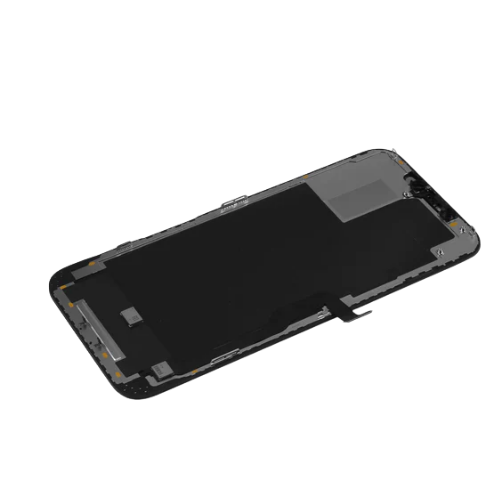
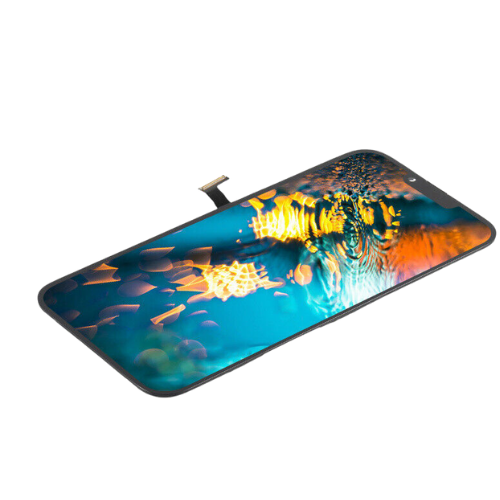
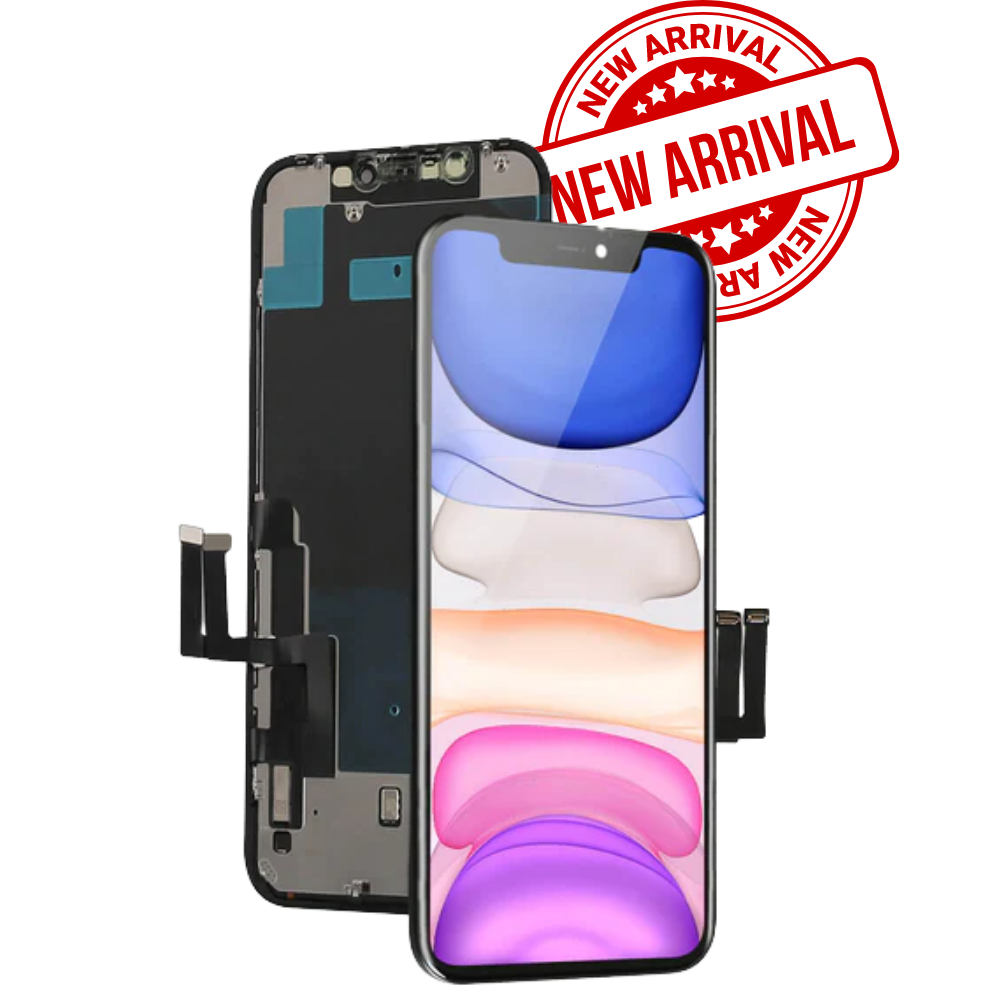
Ang display panel mao ang kasingkasing sa LCD. Naglangkob kini sa mga likido nga kristal, mga filter sa kolor, ug pixel matrix. Dinhi naporma ang aktuwal nga imahe.
Pindota ang Layer ug Glass
Ibabaw sa display naglingkod ang touch-sensitive layer, kasagaran gihimo sa capacitive teknolohiya. Mao kini ang nagtugot kanimo sa pagpakig-uban sa imong telepono—pag-tap, pag-swipe, pag-zoom.
Ang pinakagawas nga layer kay protective glass, kanunay nga gipalig-on aron makasukol sa mga garas ug mga epekto.
IC sa drayber (DICK)
Gikontrol sa Driver IC kung giunsa ang paglihok sa mga pixel. Nagproseso kini og mga signal gikan sa processor sa telepono ug gihubad kini ngadto sa visual output. Kung wala kini, dili mahibal-an sa imong screen kung unsa ang ipakita.
Importante nga LCD Display Specifications
Resolution ug Pixel Density
Ang resolusyon nagtumong kung pila ka mga pixel ang na-pack sa screen. Ang mas taas nga resolusyon nagpasabut nga mas hait nga mga imahe. Densidad sa pixel (Ppi) nagtino kon sa unsang paagi makita ang tin-aw nga teksto ug mga hulagway.
Kahayag ug Kontras
Ang kahayag gisukod sa nits. Ang mas taas nga kahayag nagpasabot nga mas maayo nga visibility sa gawas. Ang kalainan nagtino sa kalainan tali sa kahayag ug ngitngit nga mga dapit.
Refresh rate
Refresh rate (gisukod sa Hz) nagpaila kung pila ka beses ang pag-update sa screen matag segundo. Ang mga modernong LCD screen mahimong moabot sa 120Hz, paghatag og mas hapsay nga pag-scroll ug mga kasinatian sa pagdula.
Mga bentaha sa LCD Screens
Ang mga display sa LCD adunay ubay-ubay nga mga kalig-on nga nagpabilin kanila nga may kalabutan:
- Ubos nga gasto sa paggama
- Mas maayo nga visibility sa masanag nga palibot
- Walay risgo sa burn-in
- Lig-on ug dugay nga performance
Kini nga mga bentaha naghimo sa LCD nga kapilian alang sa binilyon nga mga aparato sa tibuuk kalibutan.
Mga disbentaha sa LCD Screens
Sa dalan, walay teknolohiya nga perpekto. Ang mga LCD screen adunay pipila ka mga kakulangan:
- Ubos nga kalainan kung itandi sa OLED
- Mas baga nga disenyo tungod sa backlight
- Dili kaayo episyente sa enerhiya sa pipila ka mga senaryo
Sa gihapon, alang sa daghang tiggamit, kini nga mga trade-off madawat.
Mga Trend sa LCD Market ug Mga Insight sa Industriya
Ang merkado sa LCD nagpadayon sa pag-uswag kaysa mawala. Sa pagkatinuod, ang global nga merkado sa mobile LCD gilauman nga motubo nga makanunayon nga bilyon-bilyon nga kantidad sa sunod nga dekada citeturn0search1.
Ang nakapaikag mao nga ang teknolohiya sa LCD nagpahiangay-mas taas nga rate sa pag-refresh, nipis nga mga bezels, ug ang gipaayo nga episyente sa kuryente nagpugong niini nga kompetisyon. Bisan kung ang OLED nagkalapad, Ang LCD nagpabilin nga dominante sa mid-range nga mga himan tungod sa pagka-affordable niini ug hamtong nga supply chain.
Umaabot sa Mobile LCD Technology
Busa, unsay sunod para sa LCD? Ang kabag-ohan nagpadayon gihapon. Bag-ong mga kalamboan sama sa oxide TFT nga teknolohiya nag-uswag pag-ayo ang kahusayan sa kuryente, bisan ang pagtugot sa mga pasundayag nga mahulog sa labi ka ubos nga rate sa pag-refresh aron makatipig sa baterya.
Gipunting usab sa mga tiggama ang paghimo sa mga panel sa LCD nga mas manipis, mas hayag, ug mas tukma sa kolor. Dili kini mahitungod sa pag-ilis sa OLED-kini mahitungod sa nag-uban ug nag-uswag.
Ang LCD dili na lang ang "opsyon sa badyet." Kini nahimong a dalisay, optimized nga teknolohiya gipahaum alang sa tinuod nga kalibutan nga paggamit.
Kataposan
Ang mga mobile LCD display mahimong dili makakuha sa mga ulohan sama sa OLED o foldable screens, apan sila nagpabilin nga usa sa labing importante nga mga teknolohiya sa kalibutan sa smartphone. Sila kasaligan, gasto-epektibo, ug padayon nga nag-uswag. Gikan sa paagi nga ang mga likidong kristal nagmaniobra sa kahayag ngadto sa makuti nga mga lut-od nga nagporma sa matag pixel, Ang teknolohiya sa LCD usa ka obra maestra sa engineering nga natago sa yano nga panan-aw.
Kung naggamit ka usa ka smartphone karon, Adunay usa ka maayo nga higayon nga ang usa ka LCD screen nagpalihok sa imong kasinatian-ug maayo ang pagbuhat niini. Ang pagsabut kung giunsa kini molihok dili lamang maghimo kanimo nga usa ka labi ka maalam nga pumapalit apan naghatag usab kanimo usa ka labi ka lawom nga pagpasalamat sa teknolohiya nga imong gigamit matag adlaw..
FAQS
1. Mas maayo ba ang LCD kaysa sa OLED alang sa mga smartphone?
Nagdepende kini sa imong mga panginahanglan. Ang LCD mas barato ug lig-on, samtang ang OLED nagtanyag og mas maayo nga contrast ug thinner designs.
2. Ngano nga mas barato ang mga LCD screen?
Ang paghimo sa LCD labi ka hamtong ug scalable, pagkunhod sa gasto sa produksyon sa kamahinungdanon.
3. Ang mga LCD screen ba nagkonsumo og daghang baterya?
Mahimo silang mogamit og dugang nga gahum sa pipila ka mga sitwasyon tungod kay ang backlight kanunay nga on.
4. Mahimo bang masunog ang mga screen sa LCD?
Dili, Ang mga screen sa LCD dili mag-antos sa mga isyu sa pagkasunog sama sa mga pagpakita sa OLED.
5. Gigamit pa ba ang mga LCD screen 2026?
Oo, kaylap kini nga gigamit ug nag-asoy gihapon sa daghang bahin sa global nga mga pagpakita sa smartphone.