Das Smartphone-Display ist eine der wichtigsten Komponenten, die das Benutzererlebnis bestimmen, Gerätewert, und Reparaturbedarf. Wenn Leute ein neues Telefon kaufen, Sie konzentrieren sich normalerweise auf die Kamera, Prozessor, Batterie, und Design, Aber der Bildschirm ist der Teil, mit dem sie jede Sekunde interagieren. Ob beim Scrollen in den sozialen Medien, Videos ansehen, Spiele spielen, oder aus der Ferne arbeiten, Das Display wirkt sich direkt auf Komfort und Leistung aus.
Heute, große Smartphone-Marken wie Apple iPhone, Samsung Galaxy, Xiaomi Redmi, Huawei, Ehre, Oppo, Vivo, und Google Pixel Wir entwickeln weiterhin fortschrittliche Anzeigetechnologien. Von herkömmlichen LCD-Panels bis hin zu OLED, Amoliert, flexible Displays, und Bildschirme mit hoher Bildwiederholfrequenz, Die Smartphone-Display-Technologie hat eine rasante Entwicklung erlebt.
Für Handy-Reparaturbetriebe, Großhändler, und Distributoren, Das Verständnis von LCD-Bildschirmen ist unerlässlich. Der Markt umfasst verschiedene Qualitäten wie z Originalbildschirme, OEM-Displays, generalüberholte Bildschirme, Aftermarket-Bildschirme, und kompatible Ersatzbildschirme. Die Wahl des richtigen Displays beeinflusst nicht nur den Reparaturerfolg, sondern bestimmt auch die Kundenzufriedenheit und die Rentabilität des Unternehmens.
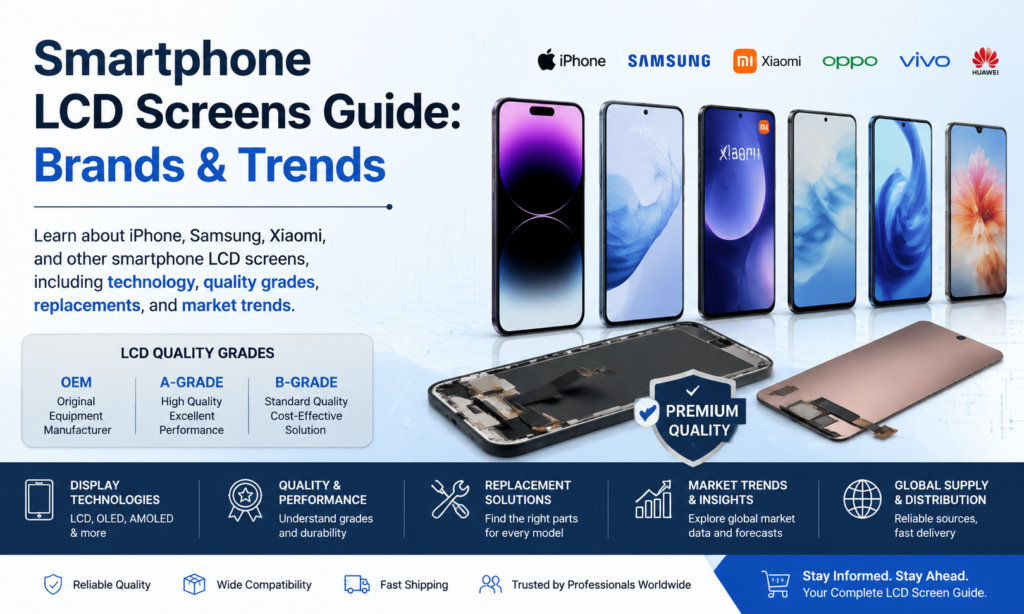
Dieser Leitfaden erklärt das Wissen hinter den Bildschirmen beliebter Smartphone-Marken, inklusive Displaytechnik, Fertigungsqualität, Ersatzmöglichkeiten, und zukünftige Trends.
Smartphone-LCD-Bildschirme und ihre Bedeutung verstehen
Was ist ein Mobiltelefon-LCD-Bildschirm??
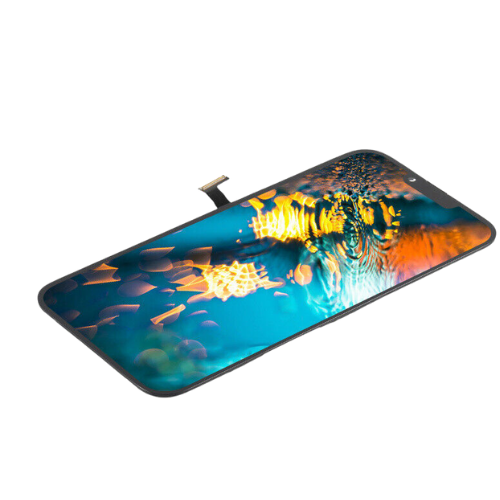
Der LCD-Bildschirm eines Smartphones ist ein Anzeigemodul, das für die Erstellung von Bildern verantwortlich ist, Farben zeigen, und Reagieren auf Berührungsbefehle des Benutzers. LCD steht für Flüssigkristallanzeige, Eine Technologie, bei der durch elektrische Signale gesteuerte Flüssigkristalle zur Erzeugung von Bildern verwendet werden.
Herkömmliche LCD-Panels benötigen eine Hintergrundbeleuchtung, da Flüssigkristalle kein eigenes Licht erzeugen können. Hinter der Anzeigeebene, LED-Hintergrundbeleuchtungen beleuchten die Pixel, So können Benutzer Bilder deutlich sehen.
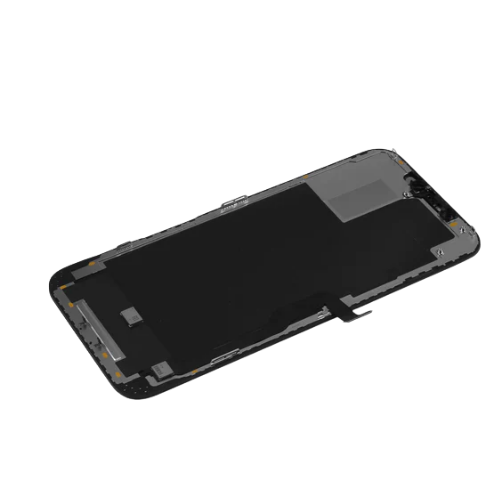
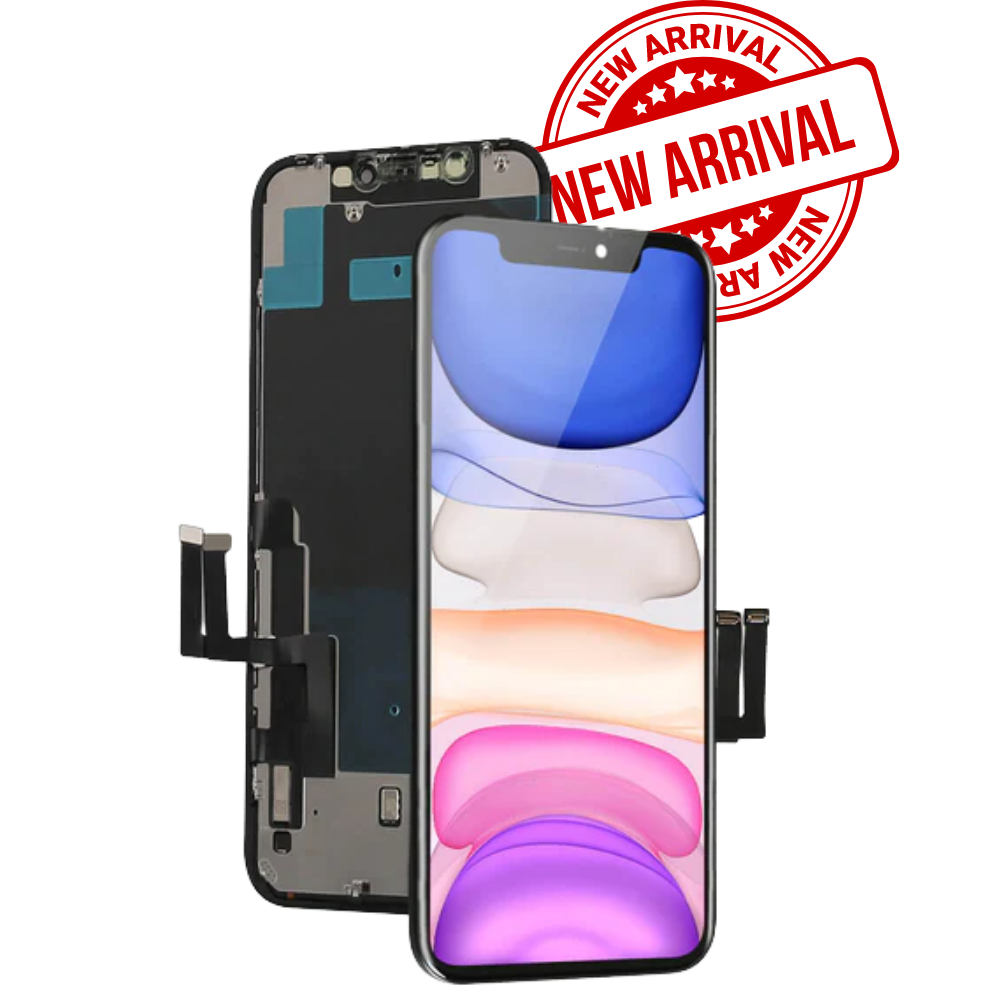
Ein kompletter Smartphone-Display-Aufbau umfasst in der Regel mehrere Schichten:
- Abdeckglas
- Berühren Sie den Digitalisierer
- LCD- oder OLED-Anzeigefeld
- Hintergrundbeleuchtungsmodul (für LCD-Bildschirme)
- Flexibles Kabel (FPC)
- Treiber-IC
- Rahmen oder Halterung
Obwohl der Bildschirm wie aus einem Guss aussieht, Es handelt sich tatsächlich um eine hochintegrierte elektronische Struktur. Ein kleines Problem in einer beliebigen Ebene kann die Helligkeit beeinträchtigen, Berührungsempfindlichkeit, Farbgenauigkeit, oder Haltbarkeit.
Zum Beispiel, Ein Ersatzbildschirm verwendet möglicherweise ein gutes LCD-Panel, aber Glas von schlechter Qualität. Die Bildqualität sieht möglicherweise akzeptabel aus, aber die Berührungsreaktion oder die Schlagfestigkeit können schwächer sein. Aus diesem Grund bewerten professionelle Käufer die komplette Displaybaugruppe und nicht nur den sichtbaren Bildschirm.
Hauptkomponenten in einer Smartphone-Display-Baugruppe
Das LCD-Modul enthält mehrere wichtige Teile, die zusammenarbeiten.
Der LCD-Panel erstellt das Bild. Es steuert Millionen von Pixeln, die unterschiedliche Farben anzeigen. Hochwertigere Panels sorgen für eine bessere Helligkeit, Kontrast, Betrachtungswinkel, und Energieeffizienz.
Der Touch-Digitalisierer erkennt Fingerbewegungen. Moderne Smartphones kombinieren Touch-Funktionalität mit dem Display mithilfe fortschrittlicher Technologien wie In-Cell- und On-Cell-Touch-Lösungen.
Der Deckglas schützt das Display vor Kratzern und Stößen. Marken wie Apple und Samsung verwenden speziell verstärkte Glastechnologien, um die Haltbarkeit zu verbessern.
Der Treiber-IC steuert die Kommunikation zwischen dem Smartphone-Motherboard und dem Display. Ein beschädigter oder minderwertiger Treiber-IC kann Probleme wie Flackern verursachen, Linien, schwarze Bildschirme, oder Berührungsfehler.
Für LCD-Großhändler und Reparaturwerkstätten, Wenn Sie diese Komponenten verstehen, können Sie feststellen, ob ein Bildschirm wirklich hochwertig ist.
Entwicklung der Smartphone-Display-Technologie
Vom traditionellen LCD bis hin zu fortschrittlichen Display-Lösungen
Die Smartphone-Display-Branche hat sich im letzten Jahrzehnt dramatisch verändert. Frühe Smartphones verwendeten hauptsächlich einfache TFT-LCD-Bildschirme, die eine akzeptable Bildqualität bot, jedoch Einschränkungen bei der Helligkeit aufwies, Dicke, und Stromverbrauch.
Später, Hersteller führten Technologien ein wie IPS-LCD, was den Betrachtungswinkel und die Farbwiedergabe verbessert. IPS-LCD wurde in vielen Mittelklasse-Smartphones weit verbreitet, da es zuverlässige Leistung zu angemessenen Kosten bot.
Heute, Premium-Smartphones nutzen zunehmend OLED- und AMOLED-Displays. Im Gegensatz zu LCD-Panels, OLED-Pixel erzeugen ihr eigenes Licht, Dadurch können Hersteller dünnere Geräte mit tieferen Schwarztönen und besserem Kontrast entwickeln.
Jedoch, Die LCD-Technologie bleibt wichtig. Viele Smartphones, Tabletten, Industriegeräte, und preisgünstige Telefone verwenden aufgrund seiner Vorteile immer noch LCD:
| Besonderheit | LCD -Bildschirm | OLED/AMOLED-Bildschirm |
|---|---|---|
| Herstellungskosten | Untere | Höher |
| Helligkeit | Gut | Exzellent |
| Schwarzwert | Durchschnitt | Perfektes Schwarz |
| Einbrennrisiko | Sehr niedrig | Möglich |
| Lebensdauerstabilität | Stark | Hängt von der Nutzung ab |
| Reparaturkosten | Normalerweise niedriger | Normalerweise höher |
Auf dem Ersatzmarkt besteht weiterhin eine starke Nachfrage nach LCDs, da Millionen von Geräten weltweit eine kostengünstige Reparatur erfordern.
LCD vs. OLED vs. AMOLED: Hauptunterschiede
Viele Verbraucher verwechseln LCD, OLED, und AMOLED-Technologien, aber sie funktionieren anders.
LCD-Anzeigen Verwenden Sie ein Hintergrundbeleuchtungssystem. Jedes Pixel erhält Licht von hinten, was die Produktion einfacher und kostengünstiger macht.
OLED-Displays Verwenden Sie organische Materialien, die ihr eigenes Licht ausstrahlen. Jedes Pixel kann vollständig ausgeschaltet werden, echte schwarze Farben erzeugen.
AMOLED-Displays sind eine fortschrittliche OLED-Technologie mit einem Aktivmatrixsystem. Sie bieten schnellere Reaktionszeiten und eine verbesserte Effizienz, was sie in Flaggschiff-Smartphones beliebt macht.
Für Reparaturbetriebe, OLED- und AMOLED-Ersatzteile haben in der Regel höhere Preise, da die Produktionstechnologie komplizierter ist.
Wissen über Apple iPhone Display-Technologie
Entwicklungsgeschichte des iPhone-LCD-Bildschirms
Apple hat schon immer großen Wert auf die Displayqualität gelegt. Frühere iPhone-Modelle nutzten hauptsächlich die LCD-Technologie, einschließlich beliebter Modelle wie dem iPhone 6, iPhone 7, iPhone 8, und iPhone XR.
Apple nutzte fortschrittliche LCD-Technologien wie z Retina-Display Und Flüssiges Retina-Display um die Pixeldichte zu verbessern, Farbgenauigkeit, und Seherlebnis.
Das iPhone XR, Zum Beispiel, verwendete einen 6,1-Zoll-Liquid-Retina-LCD-Bildschirm. Obwohl es kein OLED war, Apple hat das Panel sorgfältig optimiert, um eine hervorragende Helligkeit und Farbleistung zu bieten.
Spätere iPhone-Flaggschiffmodelle wechselten zur OLED-Technologie, insbesondere nach der Einführung der iPhone X-Serie.
Jedoch, LCD-iPhones bleiben auf dem Reparaturmarkt sehr aktiv, da Millionen von Benutzern diese Geräte weiterhin verwenden.
Original, Renoviert, und Ersatz-iPhone-Bildschirme
Der Markt für iPhone-Bildschirmersatz umfasst mehrere Qualitätsstufen.
Originalbildschirme sind Displays, die nach den Originalspezifikationen von Apple hergestellt wurden. Sie bieten normalerweise die beste Helligkeit, Farbgenauigkeit, und Touch-Leistung.
Original generalüberholte Bildschirme Verwenden Sie in der Regel Original-LCD/OLED-Panels mit ersetztem Außenglas. Eine professionelle Sanierung kann die hervorragende Leistung wiederherstellen.
Aftermarket-Bildschirme werden von Drittherstellern produziert. Die Qualität variiert je nach Werksstandards erheblich.
Beim Kauf von iPhone-Ersatzbildschirmen, Käufer sollten dies überprüfen:
- Displayhelligkeit
- Berührungsempfindlichkeit
- Farbkonsistenz
- Glasqualität
- IC-Leistung
- Garantieunterstützung
Ein preisgünstiger Bildschirm kann mehr Probleme als Einsparungen verursachen, wenn Kunden aufgrund von Qualitätsproblemen wiederkommen.
Samsung-Handy-Bildschirmtechnologie
Super AMOLED und dynamische AMOLED-Innovation
Samsung ist einer der weltweit führenden Displayhersteller. Das Unternehmen hat fortschrittliche AMOLED-Technologien entwickelt, die in den Flaggschiff-Smartphones von Galaxy zum Einsatz kommen.
Geräte der Samsung Galaxy S- und Galaxy Note-Serie sind berühmt für ihre Super AMOLED Und Dynamisches AMOLED zeigt an.
Zu den wichtigsten Vorteilen gehören::
- Hohes Kontrastverhältnis
- Hervorragende Farbleistung
- Dünnes Design
- Geringer Stromverbrauch
- Schnelle Reaktionszeit
Die Display-Technologie von Samsung wird auch an andere Smartphone-Hersteller geliefert, Dies zeigt die starke Position des Unternehmens in der globalen Display-Industrie.
Marktanalyse für Samsung LCD-Ersatz
Obwohl viele Flaggschiff-Telefone von Samsung AMOLED verwenden, Bei vielen Modellen der Galaxy-A-Serie und älteren Modellen besteht immer noch eine starke Nachfrage nach Ersatz-LCD-Baugruppen.
Reparaturbetriebe kaufen Samsung-Bildschirme oft in großen Mengen ein, da Samsung-Geräte eine große weltweite Nutzerbasis haben.
Zu den häufigsten Bedenken hinsichtlich des Austauschs gehören::
- Original- oder Aftermarket-AMOLED-Qualität
- Unterschiede in der Bildschirmhelligkeit
- Kompatibilität mit Fingerabdrucksensoren
- Rahmenqualität
- Klebezuverlässigkeit
Professionelle Lieferanten führen in der Regel mehrere Inspektionsverfahren durch, bevor sie Displays an Kunden versenden.
Funktionen des LCD-Bildschirms von Xiaomi und Redmi
Warum Xiaomi-Bildschirme auf dem Reparaturmarkt beliebt sind
Xiaomi- und Redmi-Smartphones erfreuen sich großer Beliebtheit, da sie leistungsstarke Spezifikationen zu wettbewerbsfähigen Preisen bieten.
Modelle wie Redmi Note-Serie, Redmi K-Serie, und Xiaomi-Flaggschiff-Telefone haben eine enorme weltweite Nachfrage geschaffen.
Der Reparaturmarkt für Xiaomi-Bildschirme wächst weiter, weil:
- Große installierte Benutzerbasis
- Erschwingliche Gerätepreise
- Hoher Ersatzbedarf
- Starker internationaler Vertrieb
Viele Großhändler entscheiden sich für LCD-Bildschirme von Xiaomi, weil sie einen guten Marktumsatz bieten.
Qualitätsstufen von Xiaomi-Ersatzdisplays
Xiaomi-Ersatzbildschirme werden üblicherweise in verschiedenen Qualitätskategorien angeboten:
| Bildschirmtyp | Beschreibung | Marktposition |
|---|---|---|
| Originalzug | Von Originaltelefonen entfernt | Prämie |
| Original renoviert | Originale Platte mit ersetztem Glas | Hohe Qualität |
| Erstausrüsterqualität | Kompatible Produktion auf Werksniveau | Mittel bis hoch |
| Aftermarket | Fremdproduktion | Budget |
Professionelle Käufer sollten verstehen, dass billiger nicht immer besser ist. Ein stabiler Lieferant mit konsequenter Qualitätskontrolle ist in der Regel wertvoller als ein Lieferant mit dem niedrigsten Preis.
Huawei, Ehre, Oppo, und Vivo Display-Technologie
Chinesische Smartphone-Marken haben stark in Display-Innovationen investiert.
Die Flaggschiff-Telefone von Huawei führten fortschrittliche OLED-Displays ein, gebogene Bildschirme, und hochauflösende Panels. Nachdem Honor eine unabhängige Marke geworden war, entwickelte das Unternehmen weiterhin Premium-Displaytechnologien.
Auch Oppo und Vivo haben die Entwicklung von Smartphone-Displays vorangetrieben, insbesondere in Bereichen wie:
- Hohe Bildwiederholraten
- Gebogene Displays
- Faltbare Telefone
- Augenschutztechnologie
Diese Marken erzeugen auf den Weltmärkten eine erhebliche Nachfrage nach Ersatzbildschirmen.
Für LCD-Händler, Chinesische Smartphone-Marken stellen eine große Chance dar, da die Nachfrage nach Reparaturen mit zunehmenden Gerätelieferungen weiter steigt.
So identifizieren Sie hochwertige Mobiltelefon-LCD-Bildschirme
Wichtige Prüfstandards für LCD-Lieferanten
Ein professioneller LCD-Lieferant sollte vor der Lieferung strenge Qualitätsprüfungen durchführen.
Zu den gängigen Inspektionsverfahren gehören::
- Test auf tote Pixel
- Testen der Touch-Funktion
- Helligkeitsprüfung
- Farbtest
- Rahmeninspektion
- Prüfung von Flexkabeln
- Prüfung der Glasqualität
Hochwertige Lieferanten führen häufig Dutzende von Inspektionsschritten durch, um Kundenbeschwerden zu reduzieren.
Auch Käufer sollten darüber nachdenken:
- Lieferantenerfahrung
- Werkstauglichkeit
- Garantiebestimmungen
- Verpackungsqualität
- Versandschutz
Ein zuverlässiger Lieferant verkauft nicht nur Produkte, sondern sorgt auch für Qualitätssicherung.
Kenntnisse über den Großhandelsmarkt für LCD-Bildschirme für Mobiltelefone
Original, OEM, Aftermarket, und generalüberholte Bildschirme
Die weltweite Mobiltelefonreparaturbranche ist auf verschiedene Vertriebskanäle für Bildschirme angewiesen.
Originalbildschirme werden für Premium-Reparaturen bevorzugt, sind jedoch mit höheren Kosten verbunden.
OEM- und kompatible Bildschirme bieten ein ausgewogenes Verhältnis zwischen Qualität und Preis.
Überholte Bildschirme sind beliebt, da sie Original-Anzeigetafeln wiederverwenden und gleichzeitig die Kosten senken.
Aftermarket-Bildschirme legen Wert auf Erschwinglichkeit und werden häufig für preisgünstige Reparaturen verwendet.
Jede Kategorie hat unterschiedliche Kunden und Marktnachfrage.
Wie Käufer zuverlässige LCD-Lieferanten auswählen
Großhandelseinkäufer sollten Lieferanten sorgfältig prüfen.
Wichtige Faktoren sind unter anderem:
- Produktkonsistenz
- Lagerverfügbarkeit
- Qualitätskontrollsystem
- Schnelle Lieferung
- Technische Unterstützung
- Kundendienst
Für internationale Käufer, die in China einkaufen, Auch der Standort des Lieferanten ist wichtig. Die Region Huaqiangbei in Shenzhen ist eines der größten Elektronikhandelszentren der Welt, mit umfangreichen Lieferketten für Mobiltelefonteile.
Zukünftige Trends der Smartphone-Display-Technologie
Flexible Displays, KI-Funktionen, und Bildschirme der nächsten Generation
Die Zukunft von Smartphone-Displays wird sich auf Flexibilität konzentrieren, Haltbarkeit, und intelligente Funktionen.
Faltbare Smartphones werden immer beliebter, die eine fortschrittliche flexible OLED-Technologie erfordern.
Zukünftige Displays können Folgendes umfassen::
- Höhere Bildwiederholraten
- Verbesserte Energieeffizienz
- Unter-Display-Kameras
- KI-gestützte visuelle Optimierung
- Langlebigere Materialien
Künstliche Intelligenz wird auch die Display-Technologie beeinflussen. Smartphones passen die Helligkeit möglicherweise automatisch an, Farbtemperatur, und Bildwiederholfrequenz entsprechend dem Benutzerverhalten.
Obwohl OLED und flexible Displays die Premium-Geräte dominieren, Die LCD-Technologie wird weiterhin erschwingliche Smartphones und Ersatzmärkte bedienen.
Abschluss
Smartphone-LCD-Bildschirme sind mehr als einfache Anzeigekomponenten. Sie stellen eine Kombination fortschrittlicher Materialien dar, Präzisionsfertigung, Elektrotechnik, und Verbrauchertechnologietrends.
Beliebte Marken wie z Apfel, Samsung, Xiaomi, Huawei, Oppo, und Vivo verbessern weiterhin ihre Display-Lösungen, Dies schafft sowohl Chancen als auch Herausforderungen für Reparaturbetriebe und LCD-Großhändler.
Bildschirmtypen verstehen, Qualitätsstufen, Herstellungsunterschiede, und Markttrends helfen Käufern, bessere Kaufentscheidungen zu treffen. Ob Sie sich für Originalbildschirme entscheiden, renovierte Displays, OEM-Produkte, oder Aftermarket-Ersatzteile, Die Qualitätskontrolle bleibt der Schlüsselfaktor.
Da sich die Smartphone-Technologie ständig weiterentwickelt, Display-Kenntnisse werden für Unternehmen, die sich mit der Reparatur und dem Teilevertrieb von Mobiltelefonen befassen, immer wertvoller.
Häufig gestellte Fragen zu Smartphone-LCD-Bildschirmen
1. Was ist der Unterschied zwischen einem Original-LCD-Bildschirm und einem Aftermarket-Bildschirm??
Ein Original-LCD-Bildschirm folgt den Herstellerangaben und bietet in der Regel eine bessere Helligkeit, Farbgenauigkeit, und Haltbarkeit. Aftermarket-Bildschirme werden von Drittfabriken hergestellt und die Qualität hängt vom Lieferanten ab.
2. Sind generalüberholte Smartphone-Bildschirme zuverlässig??
Ja, Professionell generalüberholte Bildschirme können eine hervorragende Leistung bieten, da sie häufig Original-Anzeigetafeln mit ausgetauschtem Glas verwenden. Die Qualität hängt von der Sanierungstechnologie und den Inspektionsstandards ab.
3. Welche Smartphone-Marken haben den höchsten Bedarf an Bildschirmersatz??
Apple iPhone, Samsung Galaxy, Xiaomi Redmi, Huawei, Oppo, und Vivo gehören aufgrund ihrer großen globalen Nutzerbasis zu den Marken mit einer starken Nachfrage nach Ersatzprodukten.
4. Wie können Käufer vor dem Kauf die Qualität mobiler LCD-Bildschirme überprüfen??
Käufer sollten den Ruf des Lieferanten prüfen, Prüfverfahren, Garantiebedingungen, Produktproben, und Kundenfeedback, bevor Sie große Bestellungen aufgeben.
5. Werden LCD-Bildschirme aufgrund der OLED-Technologie verschwinden??
NEIN. OLED ist bei Premium-Smartphones auf dem Vormarsch, LCD-Bildschirme bleiben jedoch wichtig, da sie niedrigere Produktionskosten bieten, stabile leistung, und starke Nachfrage auf den Märkten für erschwingliche Geräte und Reparaturen.