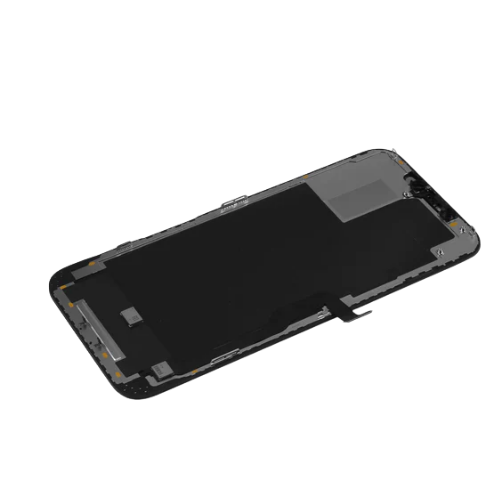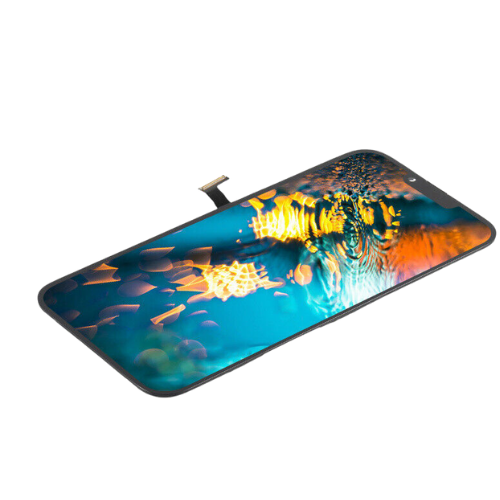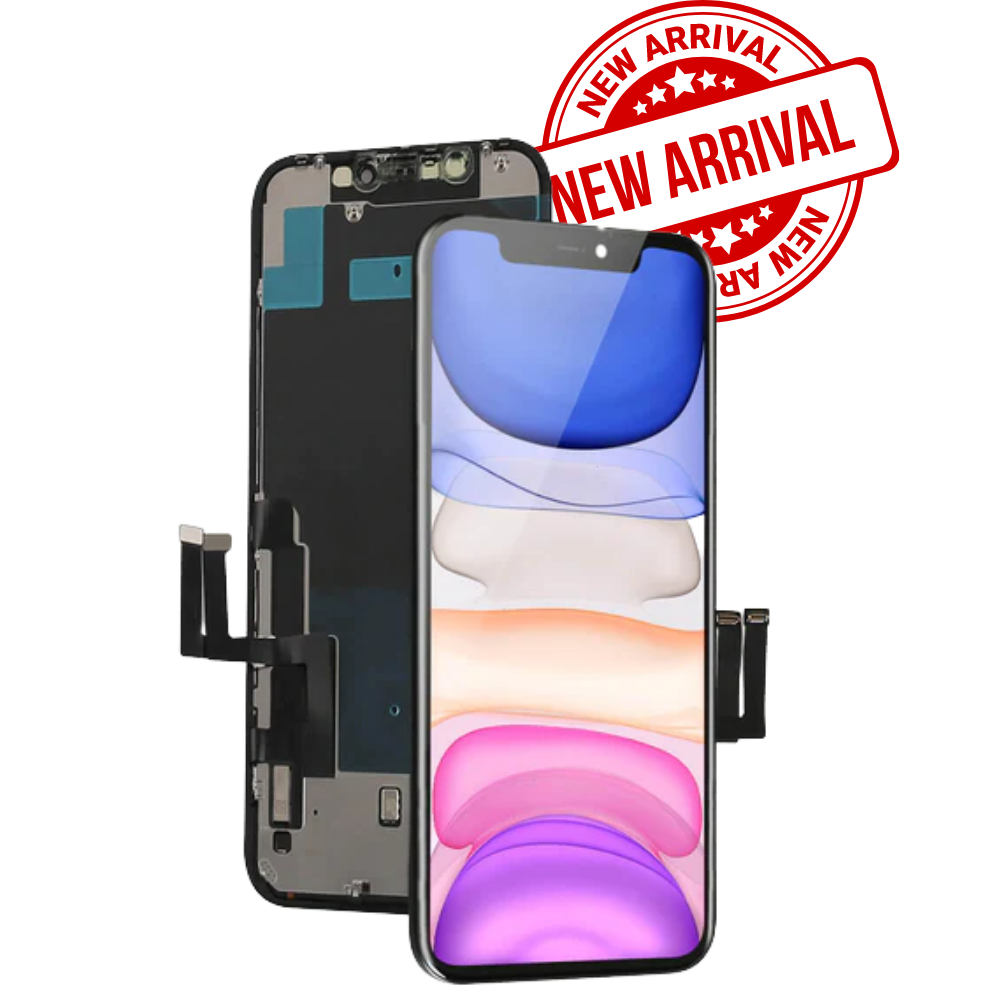

Einführung in die Displays der Samsung Galaxy A-Serie
Die Samsung Galaxy A-Serie liegt genau im Sweet Spot des Smartphone-Marktes. Es ist kein Einstiegsmodell, Es ist kein Ultra-Premium – aber es leiht sich viel Premium-DNA. Eines der deutlichsten Beispiele? Die Anzeige. Samsung hat den Bildschirm zu einem prägenden Merkmal der Galaxy-A-Reihe gemacht, um fortschrittliche Panel-Technologie einem breiteren Publikum zugänglich zu machen.
Im alltäglichen Gebrauch, Auf dem Display interagieren Benutzer am häufigsten mit ihren Telefonen. Vom Scrollen in sozialen Medien über das Ansehen von Videos bis hin zum Abrufen von E-Mails bei hellem Sonnenlicht, Die Bildschirmqualität prägt leise das gesamte Erlebnis. Samsung weiß das gut, Aus diesem Grund bietet die Galaxy-A-Serie konsequent hochwertige Displaylösungen, anstatt Abstriche zu machen.
Überblick über die Display-Innovation von Samsung
Bevor wir tiefer tauchen, Es lohnt sich, eine häufige Verwirrung auszuräumen. Samsung Electronics stellt die Telefone her. Samsung Display entwirft und fertigt die Panels. Dies sind zwei separate Einheiten unter dem Dach von Samsung, und Samsung Display ist weltweit führend in der OLED-Technologie.
Dies ist wichtig, da die Mobiltelefone der Galaxy-A-Serie direkt von der langjährigen Erfahrung von Samsung Display in der AMOLED-Entwicklung profitieren. Anstatt generische Panels zu beziehen, Samsung integriert seine eigene Reife, Massenproduzierte OLED-Technologie – etwas, das nur wenige Konkurrenten in dieser Preisklasse bieten können.
Kern-Display-Technologie in der Galaxy A-Serie
Das Herzstück der Display-Strategie der Galaxy A-Serie ist Super AMOLED. Dies ist kein Marketing-Schlagwort, sondern eine spezifische Weiterentwicklung der AMOLED-Technologie zur Verbesserung der Klarheit, Reaktionsfähigkeit, und Effizienz.
Herkömmliche AMOLED-Panels boten bereits selbstemittierende Pixel, Aber Super AMOLED geht noch einen Schritt weiter, indem es die Berührungssensorschicht direkt in das Display selbst integriert. Stellen Sie sich das vor, als würden Sie eine zusätzliche Glasscheibe aus einem Sandwich entfernen. Weniger Schichten bedeuten eine bessere Lichtdurchlässigkeit, schnellere Berührungsreaktion, und ein schlankeres Gesamtmodul.
Technischer Aufbau von Super-AMOLED-Panels
Super-AMOLED-Panels basieren auf einer selbstemittierenden Pixelarchitektur. Jedes Pixel erzeugt sein eigenes Licht, im Gegensatz zu LCDs, die auf eine ständig laufende Hintergrundbeleuchtung angewiesen sind. Wenn ein Pixel schwarz angezeigt wird, es schaltet sich einfach aus. Das Ergebnis? Echtes Schwarz, unendlicher Kontrast, und eine immersivere visuelle Tiefe.
Ein weiterer entscheidender Vorteil ist die integrierte Touch-Schicht. Anstatt einen separaten Digitalisierer darauf zu stapeln, Super AMOLED integriert die Berührungserkennung in das Panel. Dies reduziert interne Reflexionen und verbessert die Lesbarkeit bei Sonnenlicht – etwas, das Benutzer im Freien sofort bemerken.
Leistungsmerkmale anzeigen
Eines der auffälligsten Merkmale von Super AMOLED ist der Kontrast. Mit vollständig abschaltbaren Pixeln, Kontrastverhältnisse können theoretisch erreicht werden 1,000,000:1. In Wirklichkeit, das bedeutet tiefere Schatten, druckvollere Highlights, und ein filmischeres Aussehen beim Ansehen von Videos.
Die Farbleistung ist ebenso beeindruckend. Die Displays der Galaxy-A-Serie sind in der Regel verdeckt 100% des DCI-P3-Farbraums, derselbe Standard, der im digitalen Kino verwendet wird. Farben wirken lebendig, ohne künstlich zu wirken, und die Werkskalibrierung von Samsung trägt dazu bei, die Konsistenz zwischen den Geräten aufrechtzuerhalten.
Helligkeit und Sichtbarkeit im Freien
Helligkeit wird oft missverstanden. Es geht nicht nur um maximale Zahlen – es geht um die Benutzerfreundlichkeit. Super-AMOLED-Displays der Galaxy A-Serie können Spitzenhelligkeiten von etwa erreichen 1,200 Nissen in unterstützten Szenarien, wie HDR-Wiedergabe oder direkte Sonneneinstrahlung.
Die Vision Booster-Technologie von Samsung passt Kontrast und Tonwertzuordnung dynamisch an das Umgebungslicht an. Anstatt einfach nur Helligkeit zu erzeugen, Es verbessert auf intelligente Weise die Sichtbarkeit, Dadurch werden Texte und Bilder auch bei schwierigen Lichtverhältnissen deutlicher.
Energieeffizienz und Auswirkungen auf die Batterie
Ein unterschätzter Vorteil von Super AMOLED ist die Energieeffizienz. Denn schwarze Pixel verbrauchen nahezu keinen Strom, Der Dunkelmodus schont nicht nur die Augen, er schont auch den Akku. Dies macht sich besonders bei alltäglichen Apps bemerkbar, die dunkle UI-Elemente verwenden.
Im Vergleich zu LCD-Panels, Dabei muss die Hintergrundbeleuchtung immer eingeschaltet bleiben, AMOLED-Displays können den Stromverbrauch in gemischten Nutzungsszenarien deutlich reduzieren. Für Mittelklasse-Telefone mit großen Akkus, Diese Effizienz führt zu einer längeren Bildschirm-Einschaltzeit.
Aktualisierungsrate und Benutzererfahrung
Moderne Geräte der Galaxy-A-Serie unterstützen oft hohe Bildwiederholraten, typischerweise 90 Hz oder 120 Hz, je nach Modell. Eine höhere Bildwiederholfrequenz sorgt für flüssigeres Scrollen und flüssigere Animationen. Sobald man sich daran gewöhnt hat, Die Rückkehr zu 60 Hz fühlt sich an, als würde man ein Laufband verlassen.
Einige Modelle verwenden auch die Technologie der adaptiven Bildwiederholfrequenz, Dynamische Anpassung der Aktualisierungsrate basierend auf dem Inhalt. Statische Bilder benötigen keine 120 Hz, Das Telefon schaltet also herunter, um Strom zu sparen – intelligente Leistung ohne Benutzereingriff.
Haltbarkeit und Schutz des Bildschirms
Während AMOLED-Panels fortschrittlich sind, Sie sind auch empfindlich. Samsung stattet die Displays der Galaxy-A-Serie mit verstärktem Schutzglas aus, oft von etablierten Lieferanten. Dies schützt vor Kratzern und kleineren Stößen.
Ein weiteres Problem, das bei der OLED-Technologie häufig genannt wird, ist das Einbrennen. Samsung mildert dies durch Pixelverschiebung, Helligkeitsmanagement, und Optimierungen auf Softwareebene. Im normalen Gebrauch, Es ist unwahrscheinlich, dass das Einbrennen für den durchschnittlichen Benutzer ein Problem darstellt.
Vergleich mit anderen Bildschirmtypen
Nicht alle Bildschirme sind gleich. Es gibt immer noch LCD- und TFT-Displays auf dem Markt, insbesondere bei preisgünstigen Geräten. Diese Bildschirme sind zur Steuerung des Lichts auf Hintergrundbeleuchtung und Flüssigkristallverschlüsse angewiesen, Dadurch wird der Kontrast begrenzt und die Dicke erhöht.
Die INCELL-Technologie verbessert LCDs durch die Einbettung von Berührungssensoren in das Panel, wodurch sie dünner und reaktionsfähiger werden. Jedoch, Selbst das beste INCELL-LCD kann nicht die echten Schwarztöne oder die Energieeffizienz von Super AMOLED reproduzieren.
AMOLED vs. LCD: Praktische Unterschiede
In praktischer Hinsicht, AMOLED-Bildschirme sehen lebendiger aus, fühlen Sie sich reaktionsfähiger, und ermöglichen schlankere Telefondesigns. LCDs, auf der anderen Seite, kann in statischen Bildszenarien eine konstante Helligkeit und manchmal eine längere Lebensdauer bieten.
Für die Galaxy A-Serie, Die Entscheidung von Samsung für Super AMOLED entspricht seinem Ziel: Bietet ein nahezu erstklassiges visuelles Erlebnis zu einem mittleren Preis.
Original-Samsung-Bildschirme erklärt
Ein Original-Samsung-Bildschirm wird von Samsung Display oder einem offiziell zertifizierten Partner hergestellt. Diese Panels erfüllen exakte Spezifikationen für die Helligkeit, Farbgenauigkeit, Berührungsempfindlichkeit, und Systemkompatibilität.
Jedes Originalpanel wird werkseitig kalibriert, um die Einheitlichkeit sicherzustellen. Dies ist entscheidend für Funktionen wie die adaptive Helligkeit, Fingerabdruckerkennung, und Farbmodi anzeigen.
Aftermarket- und Ersatzbildschirme
Die Qualität der Ersatzbildschirme von Drittanbietern ist sehr unterschiedlich. Bei einigen handelt es sich um aufgearbeitete Originale, andere werden aus gemischten Komponenten zusammengesetzt, und einige sind reine Kopien, die unterschiedliche Technologien verwenden.
Zwar günstiger, Diese Alternativen beeinträchtigen häufig die Helligkeit, Farbgenauigkeit, und Touch-Leistung. Es können Kompatibilitätsprobleme auftreten, insbesondere mit Fingerabdrucksensoren unter dem Display und Display-Tuning auf Systemebene.
Fingerabdruck, Berühren, und Systemintegration
Viele Telefone der Galaxy A-Serie verwenden Fingerabdrucksensoren unter dem Display, die auf einer präzisen optischen Übertragung durch das Panel basieren. Original-Super-AMOLED-Bildschirme sind so konzipiert, dass sie nahtlos mit diesen Sensoren zusammenarbeiten.
Nicht originale Bildschirme können das Licht unterschiedlich blockieren oder streuen, Dies führt zu einer langsamen oder unzuverlässigen Fingerabdruckerkennung. Dies ist eine der häufigsten Beschwerden nach dem Austausch von Bildschirmen durch Drittanbieter.
Schaufensterstudie zur Galaxy A-Serie
Nehmen Sie als Beispiel das Galaxy A56 5G. Es verfügt über ein 6,7-Zoll-FHD+-Super-AMOLED-Display mit hoher Helligkeit, großer Farbraum, und reibungslose Bildwiederholfrequenzunterstützung. Im täglichen Gebrauch, Dies führt zu gestochen scharfem Text, lebendige Medienwiedergabe, und hervorragende Sicht im Freien.
Ob Streaming von Videos, Durchsuchen sozialer Medien, oder Navigationskarten unter der Sonne, Das Display übertrifft durchweg die Erwartungen seiner Klasse.
Empfehlungen für Reparatur und Austausch
Beim Austausch eines Bildschirms, Es wird dringend empfohlen, ein Original- oder offiziell zertifiziertes Panel zu wählen. Die Vorabkosten sind zwar höher, das Langzeiterlebnis – visuelle Qualität, Berührungsgenauigkeit, Systemstabilität – lohnt sich.
Wenn Budgetbeschränkungen Alternativen erfordern, Benutzer sollten die Kompromisse klar verstehen. Geld zu sparen bedeutet oft, auf Helligkeit zu verzichten, Haltbarkeit, oder Funktionskompatibilität.
Zukünftige Trends bei Galaxy-A-Displays
Blick nach vorn, Es wird erwartet, dass Samsung die Energieeffizienz weiter verbessern wird, Nachhaltigkeit, und adaptive Anzeigetechnologien in der Galaxy A-Serie. Hellere Panels mit geringerem Stromverbrauch und längerer Lebensdauer sind bereits in der Entwicklung.
Mit zunehmender Reife der Display-Technologie, Die Kluft zwischen Mittelklasse- und Flaggschiff-Erlebnissen wird weiter kleiner werden – insbesondere bei den Bildschirmen.
Abschluss
Die Smartphones der Samsung-Galaxy-A-Serie stechen im Mittelklassemarkt vor allem durch ihre Display-Technologie hervor. Durch die Einführung von Super-AMOLED-Panels, Samsung liefert einen hohen Kontrast, lebendige Farben, hervorragende Effizienz, und starke Systemintegration zu erschwinglichen Preisen.
Die Unterschiede zwischen Super AMOLED verstehen, LCD, INCELL, Original, und Aftermarket-Bildschirme helfen Benutzern, fundierte Entscheidungen zu treffen – ob sie ein neues Gerät kaufen oder ein beschädigtes Display ersetzen. Am Ende, Der Bildschirm ist nicht nur eine Komponente; Es ist das Fenster, durch das Benutzer alles erleben, was ihr Telefon zu bieten hat.
Häufig gestellte Fragen (FAQs)
1. Sind alle Telefone der Samsung Galaxy A-Serie mit Super-AMOLED-Displays ausgestattet??
Die neuesten Galaxy-A-Modelle verwenden Super AMOLED, Allerdings verwenden einige Einstiegsvarianten je nach Region und Preisstufe möglicherweise immer noch LCD.
2. Ist Super AMOLED besser als INCELL LCD??
Ja, im Hinblick auf den Kontrast, Stromeffizienz, Dicke, und Farbleistung. INCELL verbessert LCD, entspricht aber nicht den AMOLED-Grundlagen.
3. Beeinträchtigt ein nicht originaler Bildschirm das Entsperren per Fingerabdruck??
In vielen Fällen, Ja. Fingerabdrucksensoren unter dem Display sind für Original-Super-AMOLED-Panels optimiert.
4. Bedeutet eine höhere Helligkeit mehr Batterieverbrauch??
Nur bei Dauergebrauch. Adaptive Helligkeit und AMOLED-Effizienz helfen dabei, den Stromverbrauch auszugleichen.
5. Ist das Einbrennen ein ernstes Problem bei Displays der Galaxy-A-Serie??
Bei normaler Nutzung und den Softwareschutzfunktionen von Samsung, Ein Einbrennen ist für die meisten Benutzer unwahrscheinlich.