
Εισαγωγή στις οθόνες Samsung Galaxy A Series
Η σειρά Samsung Galaxy A βρίσκεται ακριβώς στο γλυκό σημείο της αγοράς smartphone. Δεν είναι εισαγωγικό επίπεδο, δεν είναι εξαιρετικά premium - αλλά δανείζεται πολύ premium DNA. Ένα από τα πιο ξεκάθαρα παραδείγματα? Η οθόνη. Η Samsung έχει κάνει την οθόνη ένα καθοριστικό χαρακτηριστικό της σειράς Galaxy A, φέρνοντας προηγμένη τεχνολογία πάνελ σε ένα ευρύτερο κοινό.
Σε καθημερινή χρήση, η οθόνη είναι όπου οι χρήστες αλληλεπιδρούν περισσότερο με τα τηλέφωνά τους. Από την κύλιση στα μέσα κοινωνικής δικτύωσης μέχρι την παρακολούθηση βίντεο και τον έλεγχο των email κάτω από το έντονο φως του ήλιου, Η ποιότητα της οθόνης διαμορφώνει αθόρυβα ολόκληρη την εμπειρία. Η Samsung το ξέρει καλά αυτό, Αυτός είναι ο λόγος για τον οποίο η σειρά Galaxy A διαθέτει σταθερά λύσεις υψηλής ποιότητας και όχι κομμένες γωνίες.
Επισκόπηση του Samsung Display Innovation
Πριν βουτήξετε πιο βαθιά, αξίζει να ξεκαθαρίσουμε μια κοινή σύγχυση. Η Samsung Electronics κατασκευάζει τα τηλέφωνα. Η Samsung Display σχεδιάζει και κατασκευάζει τα πάνελ. Αυτές είναι δύο ξεχωριστές οντότητες κάτω από την ομπρέλα της Samsung, και η Samsung Display είναι παγκόσμιος ηγέτης στην τεχνολογία OLED.
Αυτό έχει σημασία επειδή τα τηλέφωνα της σειράς Galaxy A επωφελούνται άμεσα από τη μακροχρόνια τεχνογνωσία της Samsung Display στην ανάπτυξη AMOLED. Αντί να προμηθεύονται γενικά πάνελ, Η Samsung ενσωματώνει το δικό της ώριμο, τεχνολογία OLED μαζικής παραγωγής—κάτι που λίγοι ανταγωνιστές μπορούν να ταιριάξουν σε αυτό το εύρος τιμών.
Τεχνολογία βασικής οθόνης στη σειρά Galaxy A
Στο επίκεντρο της στρατηγικής εμφάνισης της σειράς Galaxy A βρίσκεται Super AMOLED. Αυτό δεν είναι ένα τσιτάτο μάρκετινγκ - είναι μια συγκεκριμένη εξέλιξη της τεχνολογίας AMOLED που έχει σχεδιαστεί για τη βελτίωση της σαφήνειας, αποκριτικότητα, και αποτελεσματικότητα.
Τα παραδοσιακά πάνελ AMOLED προσφέρουν ήδη αυτοεκπομπές pixel, αλλά το Super AMOLED προωθεί τα πράγματα περισσότερο ενσωματώνοντας το στρώμα του αισθητήρα αφής απευθείας στην ίδια την οθόνη. Σκεφτείτε το σαν να αφαιρείτε ένα επιπλέον φύλλο γυαλιού από ένα σάντουιτς. Λιγότερα στρώματα σημαίνουν καλύτερη μετάδοση φωτός, ταχύτερη απόκριση αφής, και μια πιο λεπτή συνολική μονάδα.
Τεχνική Δομή Πάνελ Super AMOLED
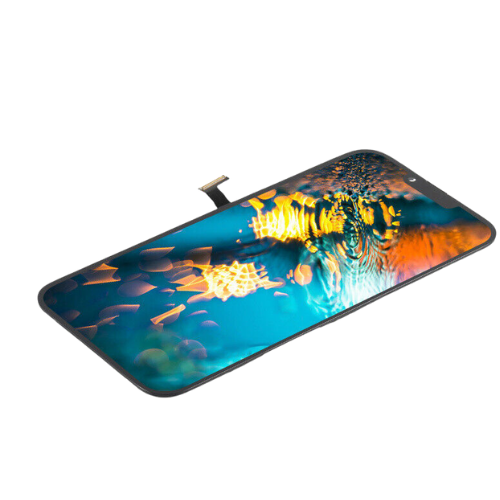
Τα πάνελ Super AMOLED βασίζονται σε μια αρχιτεκτονική εικονοστοιχείων που εκπέμπουν μόνοι τους. Κάθε pixel παράγει το δικό του φως, Σε αντίθεση με τις οθόνες LCD που εξαρτώνται από έναν συνεχώς εκτελούμενο οπίσθιο φωτισμό. Όταν ένα pixel εμφανίζεται μαύρο, απλά σβήνει. Το αποτέλεσμα? Αληθινό μαύρο, άπειρη αντίθεση, και ένα πιο καθηλωτικό οπτικό βάθος.
Το ενσωματωμένο στρώμα αφής είναι ένα άλλο βασικό πλεονέκτημα. Αντί να στοιβάζετε ένα ξεχωριστό ψηφιοποιητή από πάνω, Το Super AMOLED ενσωματώνει την ανίχνευση αφής στον πίνακα. Αυτό μειώνει τις εσωτερικές αντανακλάσεις και βελτιώνει την αναγνωσιμότητα του ηλιακού φωτός—κάτι που οι χρήστες παρατηρούν αμέσως σε εξωτερικούς χώρους.
Χαρακτηριστικά απόδοσης εμφάνισης
Ένα από τα πιο εντυπωσιακά χαρακτηριστικά του Super AMOLED είναι η αντίθεση. Με pixel που μπορούν να απενεργοποιηθούν πλήρως, Οι λόγοι αντίθεσης μπορούν θεωρητικά να φτάσουν 1,000,000:1. Με πραγματικούς όρους, αυτό σημαίνει βαθύτερες σκιές, punchier highlights, και μια πιο κινηματογραφική εμφάνιση κατά την παρακολούθηση βίντεο.
Η απόδοση χρώματος είναι εξίσου εντυπωσιακή. Οι οθόνες της σειράς Galaxy A συνήθως καλύπτονται από πάνω 100% του χρωματικού χώρου DCI-P3, το ίδιο πρότυπο που χρησιμοποιείται στον ψηφιακό κινηματογράφο. Τα χρώματα φαίνονται ζωντανά χωρίς να φαίνονται τεχνητά, και η εργοστασιακή βαθμονόμηση της Samsung συμβάλλει στη διατήρηση της συνέπειας μεταξύ των μονάδων.
Φωτεινότητα και ορατότητα σε εξωτερικούς χώρους
Η φωτεινότητα συχνά παρεξηγείται. Δεν πρόκειται μόνο για τους μέγιστους αριθμούς - είναι για τη χρηστικότητα. Οι οθόνες Super AMOLED της σειράς Galaxy A μπορούν να φτάσουν τα μέγιστα επίπεδα φωτεινότητας περίπου 1,200 nits σε υποστηριζόμενα σενάρια, όπως αναπαραγωγή HDR ή άμεσο ηλιακό φως.
Η τεχνολογία Vision Booster της Samsung προσαρμόζει δυναμικά την αντίθεση και τη χαρτογράφηση τόνου με βάση το φως του περιβάλλοντος. Αντί απλά να εκτινάσσεται φωτεινότητα, βελτιώνει έξυπνα την ορατότητα, καθιστώντας το κείμενο και τις εικόνες πιο καθαρά κάτω από σκληρές συνθήκες φωτισμού.
Απόδοση ισχύος και αντίκτυπος μπαταρίας
Ένα υποτιμημένο πλεονέκτημα του Super AMOLED είναι η απόδοση ισχύος. Επειδή τα μαύρα pixel δεν καταναλώνουν σχεδόν καθόλου ενέργεια, Η σκοτεινή λειτουργία δεν είναι απλώς πιο εύκολη για τα μάτια - εξοικονομεί πραγματικά τη διάρκεια ζωής της μπαταρίας. Αυτό είναι ιδιαίτερα αισθητό σε καθημερινές εφαρμογές που χρησιμοποιούν σκοτεινά στοιχεία διεπαφής χρήστη.
Σε σύγκριση με πάνελ LCD, το οποίο πρέπει να διατηρεί πάντα αναμμένο τον οπίσθιο φωτισμό, Οι οθόνες AMOLED μπορούν να μειώσουν σημαντικά την κατανάλωση ενέργειας σε σενάρια μικτής χρήσης. Για τηλέφωνα μεσαίας κατηγορίας με μεγάλες μπαταρίες, αυτή η αποτελεσματικότητα μεταφράζεται σε μεγαλύτερο χρόνο παραμονής στην οθόνη.
Ρυθμός ανανέωσης και εμπειρία χρήστη
Οι σύγχρονες συσκευές της σειράς Galaxy A υποστηρίζουν συχνά υψηλούς ρυθμούς ανανέωσης, τυπικά 90Hz ή 120Hz, ανάλογα με το μοντέλο. Ο υψηλότερος ρυθμός ανανέωσης κάνει την κύλιση πιο ομαλή και τις κινούμενες εικόνες πιο ρευστές. Μόλις το συνηθίσεις, Η επιστροφή στα 60 Hz είναι σαν να βγαίνεις από έναν κινούμενο διάδρομο.
Ορισμένα μοντέλα χρησιμοποιούν επίσης τεχνολογία προσαρμοστικού ρυθμού ανανέωσης, προσαρμόζοντας δυναμικά τον ρυθμό ανανέωσης με βάση το περιεχόμενο. Οι στατικές εικόνες δεν χρειάζονται 120 Hz, έτσι το τηλέφωνο το καλεί για εξοικονόμηση ενέργειας—έξυπνη απόδοση χωρίς παρέμβαση του χρήστη.
Ανθεκτικότητα και προστασία οθόνης
Ενώ τα πάνελ AMOLED είναι προηγμένα, είναι επίσης λεπτές. Η Samsung συνδυάζει οθόνες της σειράς Galaxy A με ενισχυμένο προστατευτικό γυαλί, συχνά από καθιερωμένους προμηθευτές. Αυτό βοηθά στην προστασία από γρατσουνιές και μικρές κρούσεις.
Το Burn-in είναι μια άλλη ανησυχία που αναφέρεται συχνά στην τεχνολογία OLED. Η Samsung μετριάζει αυτό μέσω της αλλαγής pixel, διαχείριση φωτεινότητας, και βελτιστοποιήσεις σε επίπεδο λογισμικού. Σε κανονική χρήση, Το burn-in είναι απίθανο να είναι πρόβλημα για τον μέσο χρήστη.
Σύγκριση με άλλους τύπους οθόνης
Δεν δημιουργούνται όλες οι οθόνες ίσες. Οι οθόνες LCD και TFT εξακολουθούν να υπάρχουν στην αγορά, ειδικά σε συσκευές προϋπολογισμού. Αυτές οι οθόνες βασίζονται σε οπίσθιο φωτισμό και παντζούρια υγρών κρυστάλλων για τον έλεγχο του φωτός, που περιορίζει την αντίθεση και αυξάνει το πάχος.
Η τεχνολογία INCELL βελτιώνει τις οθόνες LCD ενσωματώνοντας αισθητήρες αφής στον πίνακα, καθιστώντας τα πιο λεπτά και πιο ευαίσθητα. Ωστόσο, ακόμη και η καλύτερη οθόνη LCD INCELL δεν μπορεί να αντιγράψει τα πραγματικά μαύρα ή την απόδοση ισχύος της Super AMOLED.
AMOLED έναντι LCD: Πρακτικές διαφορές
Με πρακτικούς όρους, Οι οθόνες AMOLED φαίνονται πιο ζωντανές, αισθανθείτε πιο ανταποκρινόμενοι, και ενεργοποιήστε πιο λεπτά σχέδια τηλεφώνου. LCD, από την άλλη, μπορεί να προσφέρει σταθερή φωτεινότητα και μερικές φορές καλύτερη μακροζωία σε σενάρια στατικής εικόνας.
Για τη σειρά Galaxy A, Η επιλογή της Samsung για το Super AMOLED ευθυγραμμίζεται με τον στόχο της: παρέχοντας μια σχεδόν κορυφαία οπτική εμπειρία σε μεσαία τιμή.
Αυθεντικές οθόνες Samsung Επεξήγηση
Μια γνήσια οθόνη Samsung κατασκευάζεται από Samsung Display ή επίσημα πιστοποιημένο συνεργάτη. Αυτά τα πάνελ πληρούν τις ακριβείς προδιαγραφές φωτεινότητας, ακρίβεια χρώματος, ευαισθησία αφής, και συμβατότητα συστήματος.
Κάθε πρωτότυπο πάνελ υποβάλλεται σε εργοστασιακή βαθμονόμηση για να διασφαλιστεί η ομοιομορφία. Αυτό είναι σημαντικό για χαρακτηριστικά όπως η προσαρμοστική φωτεινότητα, αναγνώριση δακτυλικών αποτυπωμάτων, και εμφάνιση χρωματικών λειτουργιών.
Aftermarket και ανταλλακτικές οθόνες
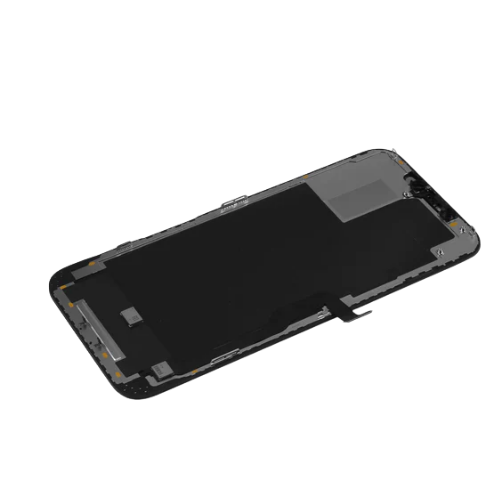
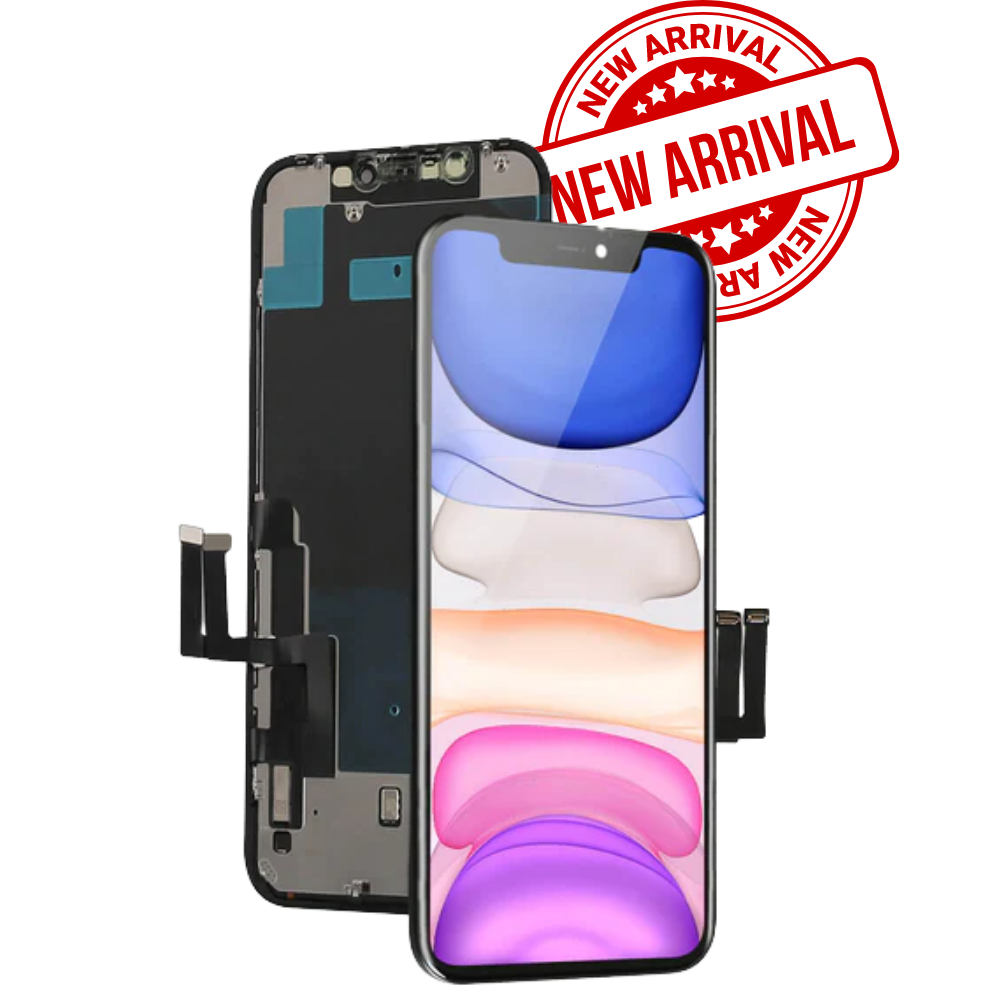
Οι οθόνες αντικατάστασης τρίτων διαφέρουν πολύ σε ποιότητα. Ορισμένα είναι ανακαινισμένα πρωτότυπα, άλλα συναρμολογούνται χρησιμοποιώντας μικτά εξαρτήματα, και μερικά είναι πλήρη αντίγραφα που χρησιμοποιούν διαφορετικές τεχνολογίες.
Ενώ φθηνότερο, Αυτές οι εναλλακτικές συχνά διακυβεύουν τη φωτεινότητα, ακρίβεια χρώματος, και απόδοση αφής. Μπορεί να προκύψουν προβλήματα συμβατότητας, ειδικά με αισθητήρες δακτυλικών αποτυπωμάτων κάτω από την οθόνη και ρύθμιση οθόνης σε επίπεδο συστήματος.
Δακτυλικό αποτύπωμα, Επαφή, και Ενοποίηση Συστήματος
Πολλά τηλέφωνα της σειράς Galaxy A χρησιμοποιούν αισθητήρες δακτυλικών αποτυπωμάτων κάτω από την οθόνη που βασίζονται σε ακριβή οπτική μετάδοση μέσω του πίνακα. Οι γνήσιες οθόνες Super AMOLED έχουν σχεδιαστεί για να λειτουργούν απρόσκοπτα με αυτούς τους αισθητήρες.
Οι μη γνήσιες οθόνες ενδέχεται να μπλοκάρουν ή να διαχέουν το φως διαφορετικά, οδηγεί σε αργή ή αναξιόπιστη αναγνώριση δακτυλικών αποτυπωμάτων. Αυτό είναι ένα από τα πιο κοινά παράπονα μετά από αντικαταστάσεις οθόνης τρίτων.
Μελέτη περίπτωσης οθόνης Galaxy A Series
Πάρτε για παράδειγμα το Galaxy A56 5G. Διαθέτει οθόνη 6,7 ιντσών FHD+ Super AMOLED με υψηλή φωτεινότητα, μεγάλη χρωματική γκάμα, και ομαλή υποστήριξη ρυθμού ανανέωσης. Σε καθημερινή χρήση, αυτό μεταφράζεται σε καθαρό κείμενο, ζωντανή αναπαραγωγή πολυμέσων, και εξαιρετική ορατότητα σε εξωτερικούς χώρους.
Είτε ροή βίντεο, περιήγηση στα μέσα κοινωνικής δικτύωσης, ή πλοήγηση στους χάρτες κάτω από τον ήλιο, η οθόνη αποδίδει σταθερά πάνω από τις προσδοκίες για την κατηγορία της.
Συστάσεις για επισκευή και αντικατάσταση
Κατά την αντικατάσταση οθόνης, Η επιλογή ενός πρωτότυπου ή επίσημα πιστοποιημένου πίνακα συνιστάται ανεπιφύλακτα. Ενώ το αρχικό κόστος είναι υψηλότερο, η μακροχρόνια εμπειρία — οπτική ποιότητα, ακρίβεια αφής, σταθερότητα συστήματος — αξίζει τον κόπο.
Εάν οι περιορισμοί του προϋπολογισμού απαιτούν εναλλακτικές λύσεις, Οι χρήστες θα πρέπει να κατανοούν σαφώς τις ανταλλαγές. Η εξοικονόμηση χρημάτων σημαίνει συχνά θυσία της φωτεινότητας, αντοχή, ή συμβατότητα χαρακτηριστικών.
Μελλοντικές τάσεις στις οθόνες Galaxy A
Κοιτάζοντας μπροστά, Η Samsung αναμένεται να βελτιώσει περαιτέρω την ενεργειακή απόδοση, βιωσιμότητα, και τεχνολογίες προσαρμοστικής οθόνης στη σειρά Galaxy A. Φωτεινότερα πάνελ με χαμηλότερη κατανάλωση ενέργειας και μεγαλύτερη διάρκεια ζωής βρίσκονται ήδη σε εξέλιξη.
Καθώς η τεχνολογία οθόνης ωριμάζει, το χάσμα μεταξύ των εμπειριών μεσαίας κατηγορίας και εμπειριών ναυαρχίδας θα συνεχίσει να συρρικνώνεται—ειδικά στις οθόνες.
Σύναψη
Τα smartphone της σειράς Samsung Galaxy A ξεχωρίζουν στην αγορά μεσαίας κατηγορίας κυρίως λόγω της τεχνολογίας οθόνης τους. Υιοθετώντας πάνελ Super AMOLED, Η Samsung προσφέρει υψηλή αντίθεση, ζωηρά χρώματα, εξαιρετική αποτελεσματικότητα, και ισχυρή ενοποίηση συστήματος σε προσιτές τιμές.
Κατανόηση των διαφορών μεταξύ Super AMOLED, οθόνη υγρού κρυστάλλου, INCELL, πρωτότυπο, και οι οθόνες aftermarket βοηθούν τους χρήστες να λαμβάνουν τεκμηριωμένες αποφάσεις—είτε αγοράζουν μια νέα συσκευή είτε αντικαθιστούν μια κατεστραμμένη οθόνη. Στο τέλος, η οθόνη δεν είναι απλώς ένα στοιχείο; είναι το παράθυρο μέσα από το οποίο οι χρήστες βιώνουν όλα όσα έχει να προσφέρει το τηλέφωνό τους.
Συχνές Ερωτήσεις (Συχνές ερωτήσεις)
1. Όλα τα τηλέφωνα της σειράς Samsung Galaxy A χρησιμοποιούν οθόνες Super AMOLED?
Τα πιο πρόσφατα μοντέλα Galaxy A χρησιμοποιούν Super AMOLED, αν και ορισμένες παραλλαγές αρχικού επιπέδου ενδέχεται να εξακολουθούν να χρησιμοποιούν LCD ανάλογα με την περιοχή και το επίπεδο τιμής.
2. Είναι το Super AMOLED καλύτερο από το INCELL LCD?
Ναί, όσον αφορά την αντίθεση, αποδοτικότητα ισχύος, πάχος, και χρωματική απόδοση. Το INCELL βελτιώνει την οθόνη LCD αλλά δεν ταιριάζει με τις βασικές αρχές της AMOLED.
3. Μια μη πρωτότυπη οθόνη θα επηρεάσει το ξεκλείδωμα με δακτυλικό αποτύπωμα?
Σε πολλές περιπτώσεις, Ναί. Οι αισθητήρες δακτυλικών αποτυπωμάτων κάτω από την οθόνη έχουν βελτιστοποιηθεί για αυθεντικά πάνελ Super AMOLED.
4. Η υψηλότερη φωτεινότητα σημαίνει μεγαλύτερη εξάντληση της μπαταρίας?
Μόνο όταν χρησιμοποιείται συνεχώς. Η προσαρμοστική φωτεινότητα και η απόδοση AMOLED βοηθούν στην εξισορρόπηση της κατανάλωσης ενέργειας.
5. Το έγκαυμα είναι ένα σοβαρό πρόβλημα στις οθόνες της σειράς Galaxy A?
Με κανονική χρήση και προστασία λογισμικού της Samsung, Το burn-in είναι απίθανο για τους περισσότερους χρήστες.