Wstęp
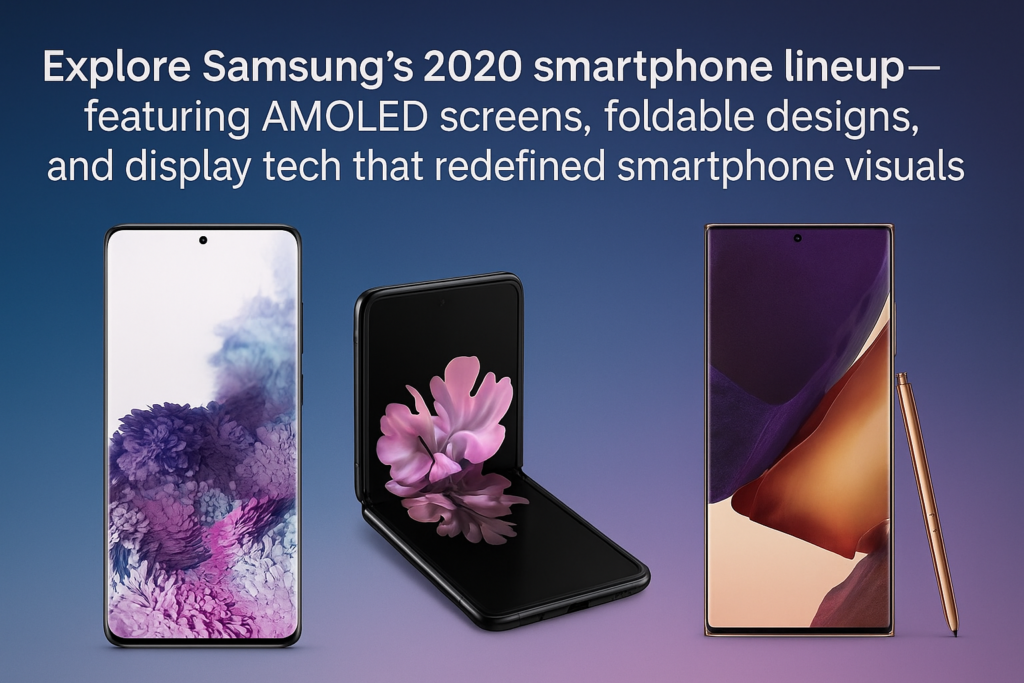
W 2020, Samsung zademonstrował swoją niezrównaną dominację w zakresie innowacji w wyświetlaczach smartfonów. Od składanych flagowców po bohaterów średniej klasy, każdy skład pokazywał, jak daleko zaszła technologia AMOLED. Rok był kluczowy — Samsung nie tylko udoskonalił swój Dynamiczny AMOLED 2X panele do telefonów z najwyższej półki, ale też się rozwinął Super AMOLED-owy ekrany do tańszych urządzeń, oznaczając niemal całkowite wycofywanie ekranów LCD ze swojej globalnej oferty.
Ewolucja wyświetlaczy Samsunga
Zanim 2020, Ekrany LCD były nadal powszechne w różnych poziomach smartfonów. Ale do tego roku, Samsung wyjaśnił jedną rzecz — AMOLED był przyszłością. Z bogatszymi kolorami, lepszy kontrast, i doskonałą efektywność energetyczną, Panele AMOLED stały się kamieniem węgielnym wrażeń wizualnych Samsunga.
Dynamiczny AMOLED 2X vs. Super AMOLED-owy
- Dynamiczny AMOLED 2X: Występuje we flagowych modelach, to wspiera HDR10+, 120Adaptacyjne częstotliwości odświeżania Hz, I doskonała kalibracja jasności.
- Super AMOLED-owy: Używany do połowy- i modele z wyższej półki średniej, nadal zapewnia doskonały kontrast, ale brakuje mu niektórych zaawansowanych funkcji, takich jak adaptacyjna częstotliwość odświeżania i obsługa HDR10+.
Krótko mówiąc, Dynamiczny AMOLED 2X był zapowiedzią Samsunga, podczas gdy Super AMOLED był najważniejszą technologią, która zapewniła jej dominację na rynku masowym.
Składane statki flagowe – seria Z
Galaxy Z Fold2 5G
Składany Samsung drugiej generacji, the Z Fold2, zaprezentował masowo 7.6-calowy wyświetlacz główny Dynamic AMOLED 2X z 120Adaptacyjna częstotliwość odświeżania Hz. . 6.23-calowy ekran osłonowy wyposażony był także w technologię AMOLED, co czyni go pełnoprawnym smartfonem nawet po zamknięciu. Jego Ultra-cień szkła (Publikować) zwiększona trwałość i wrażliwość na dotyk, co czyni go jednym z najbardziej zaawansowanych składanych ekranów, jakie kiedykolwiek wyprodukowano.
Galaxy Z Flip
W przeciwieństwie do Folda, the Z Odwróć przyjął nostalgiczny, pionowy projekt z klapką. Jego 6.7-calowy dynamiczny wyświetlacz AMOLED składane bezproblemowo, oferując A kompaktowe, kieszonkowe doświadczenie bez uszczerbku dla dokładności kolorów i jasności. Mały 1.1-calowy wyświetlacz Super AMOLED dodana funkcjonalność do szybkich powiadomień i selfie.
Seria Galaxy S – flagowy standard
Galaxy S20 Ultra 5G
Na szczycie oferty S, the S20 Ultra przedstawiał oszałamiający 6.9-calowy wyświetlacz WQHD+ Dynamic AMOLED 2X. To wspierało 120Hz Szybkość odświeżania, zapewniając wyjątkowo płynną grafikę podczas grania i przewijania. Jednakże, wczesne wersje oprogramowania ograniczały częstotliwość 120 Hz przy pełnej rozdzielczości — kompromis, który Samsung później udoskonalił.
Galaxy S20+ i S20
Obydwa modele odzwierciedlały blask Ultra, ofiara 6.7-calowe i 6,2-calowe panele Dynamic AMOLED 2X odpowiednio. Każdy dostarczony żywe kolory, głęboka czerń, I Certyfikat HDR10+, kontynuując tradycję doskonałości wyświetlaczy firmy Samsung.
Galaxy S20 FE 5G
. Wydanie dla fanów przyniósł sztandarowy występ szerszej publiczności. Chociaż użył Super AMOLED-owy ekran zamiast Dynamic AMOLED, zachowało A 120Hz Szybkość odświeżania, oferując wrażenia niemal premium w średniej cenie.
Potężne urządzenia klasy biznesowej – seria Galaxy Note
Galaxy Note20 Ultra 5G
. Uwaga 20 Ultra było pierwszym urządzeniem Samsunga wyposażonym w zmienna częstotliwość odświeżania począwszy od 10Hz do 120 Hz, inteligentnie dostosowując się do oszczędzania energii. Jego 6.9-calowy dynamiczny wyświetlacz AMOLED 2X było arcydziełem – ostrym, wibrujący, i jedwabiście gładki, dzięki czemu można go używać za pomocą rysika S Pen.
Galaxy Note20
Dla kontrastu, standardowy Note20 zawierał a 6.7-calowy wyświetlacz Super AMOLED Plus z 60Hz Szybkość odświeżania. Pominął kilka zaawansowanych funkcji, ale pozostał idealnym rozwiązaniem dla profesjonalistów, którzy cenią praktyczność ponad lampę błyskową.
Mistrzowie średniej klasy – seria Galaxy A
Samsunga Seria A stał się liderem wolumenowym marki w 2020. Wyposażone głównie w Super AMOLED-owy ekrany, telefony te osiągnęły równowagę pomiędzy przystępnością cenową a doskonałością wizualną.
- Galaxy A71 5G – 6,7-calowy Super AMOLED Plus, Konstrukcja Infinity-O, jasne i żywe.
- Galaxy A51 5G – 6,5-calowy Super AMOLED, jeden z najlepiej sprzedających się telefonów z systemem Android na całym świecie.
- Galaxy A41 & A31 – Wyświetlacze Super AMOLED o rozdzielczości Full HD+.
- Galaxy A21s & A11 – Używanie modeli przyjaznych dla budżetu PLS TFT LCD, rzadki wybór inny niż AMOLED w Samsungach 2020 skład.
Wydajność w przystępnej cenie – seria Galaxy M
Samsunga Seria M, koncentruje się na rynkach internetowych i kupujących dbających o budżet, zapewnił solidne wrażenia AMOLED.
- Galaktyka M51 – Wyróżnione A 6.7-calowy Super AMOLED Plus ekran i ogromny 7000bateria mAh.
- Galaxy M31s & M21 – Obaj uprawiali sport Super AMOLED-owy wyświetla, oferując żywe efekty wizualne po konkurencyjnych cenach.
Modele te udowodniły, że świetne ekrany nie są tylko dla nabywców premium.
Kluczowe trendy w wyświetlaniu 2020
- Wysokie częstotliwości odświeżania trafiają do głównego nurtu – Samsung stworzył wyświetlacze 120 Hz, które wyznaczają nowy standard dla flagowców.
- Dominacja AMOLED-ów – Prawie wszystkie modele posiadały technologię AMOLED, zmniejszenie zależności od wyświetlaczy LCD.
- Składana innowacja – Modele Z Fold2 i Z Flip stanowią ważny krok w kierunku elastycznych przyszłych projektów.
- Adaptacyjna jasność & Efektywność – Wyświetlacze stały się inteligentniejsze, dostosowywanie częstotliwości odświeżania i jasności w celu oszczędzania energii.
Jak Samsung ustanowił standard dla wyświetlaczy smartfonów
W 2020, konkurenci, tacy jak Apple i Huawei, pozostawali w tyle za specjalistyczną wiedzą Samsunga na temat OLED. Podczas gdy inni przyjęli panele OLED później, Wyświetlacz Samsunga pozostał główny dostawca dla wielu marek, łącznie z rywalami. Ta dominacja nie była wynikiem szczęścia – były to lata udoskonalania kontroli kontrastu, integracja dotykowa, i zarządzanie energią.
Przyszłość wyświetlaczy Samsunga
Wizja firmy Samsung dotycząca technologii wyświetlania wykracza poza nią 2020. Firma ciągle się rozwija:
- Kamery pod wyświetlaczem
- Ekspozytory rolowane i składane na trzy części
- Ekologiczne materiały OLED
Każda innowacja popycha smartfony w stronę ery, w której wyświetlacze to nie tylko narzędzia, ale doświadczenia.
Wniosek
Samsunga 2020 skład był czymś więcej niż wydaniem produktu — był wizytówką innowacji. Z składany Z Fold2 do serie A i M oparte na wartościach, Samsungowi udało się uczynić AMOLED złotym standardem. Niezależnie od tego, czy zależy Ci na najnowocześniejszej wydajności, czy na codziennej niezawodności, Samsung miał dla Ciebie ekran – i prawdopodobnie był to AMOLED.
FAQ
1. Jaka jest różnica między Dynamic AMOLED 2X a Super AMOLED?
Dynamiczny AMOLED 2X oferuje wyższą jasność, HDR10+, i adaptacyjne częstotliwości odświeżania do 120 Hz. Super AMOLED zapewnia doskonały obraz, ale brakuje mu tych zaawansowanych funkcji.
2. Który 2020 Telefon Samsung miał najlepszy wyświetlacz?
. Galaxy Note20 Ultra 5G I Galaxy S20 Ultra znalazł się na szczycie listy dzięki rozdzielczości WQHD+ i technologii adaptacyjnego odświeżania.
3. Dlaczego Samsung odszedł od ekranów LCD?
Panele AMOLED są cieńsze, bardziej energooszczędny, i zapewniają doskonały kontrast, czyniąc LCD mniej konkurencyjnym.
4. Czy jest duża różnica pomiędzy wyświetlaczami serii A i serii M??
Obydwa wykorzystują technologię Super AMOLED, ale modele serii A często charakteryzują się nieco lepszą kalibracją i jakością wykonania.
5. Jakie innowacje w wyświetlaczach wprowadził Samsung 2020?
Zawiera kluczowe innowacje składane ultracienkie szkło, adaptacyjne częstotliwości odświeżania, I pełnoekranowy zasięg AMOLED w większości modeli.