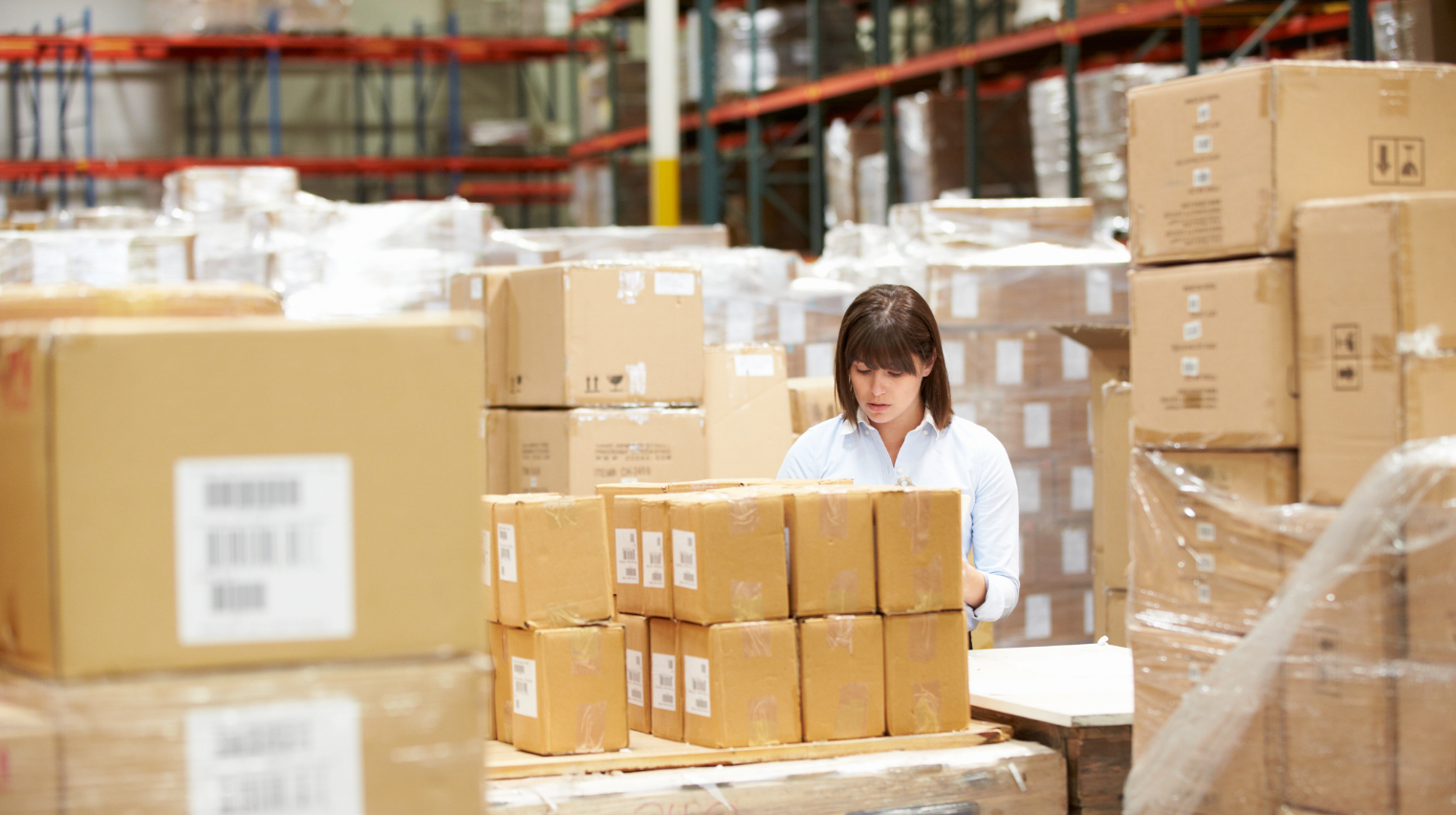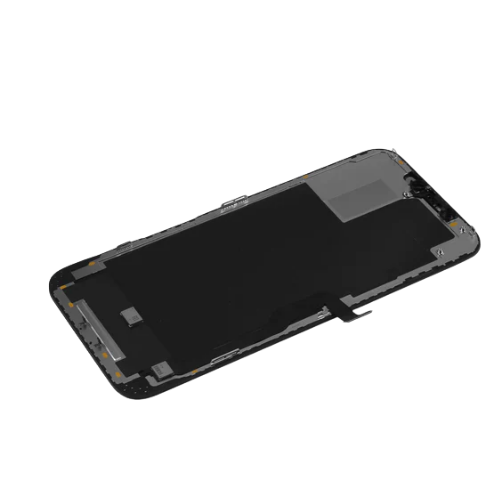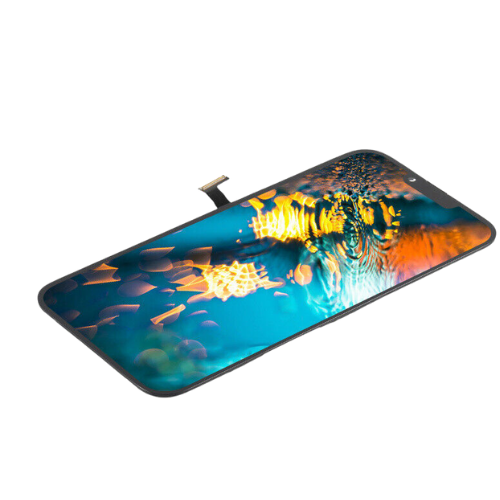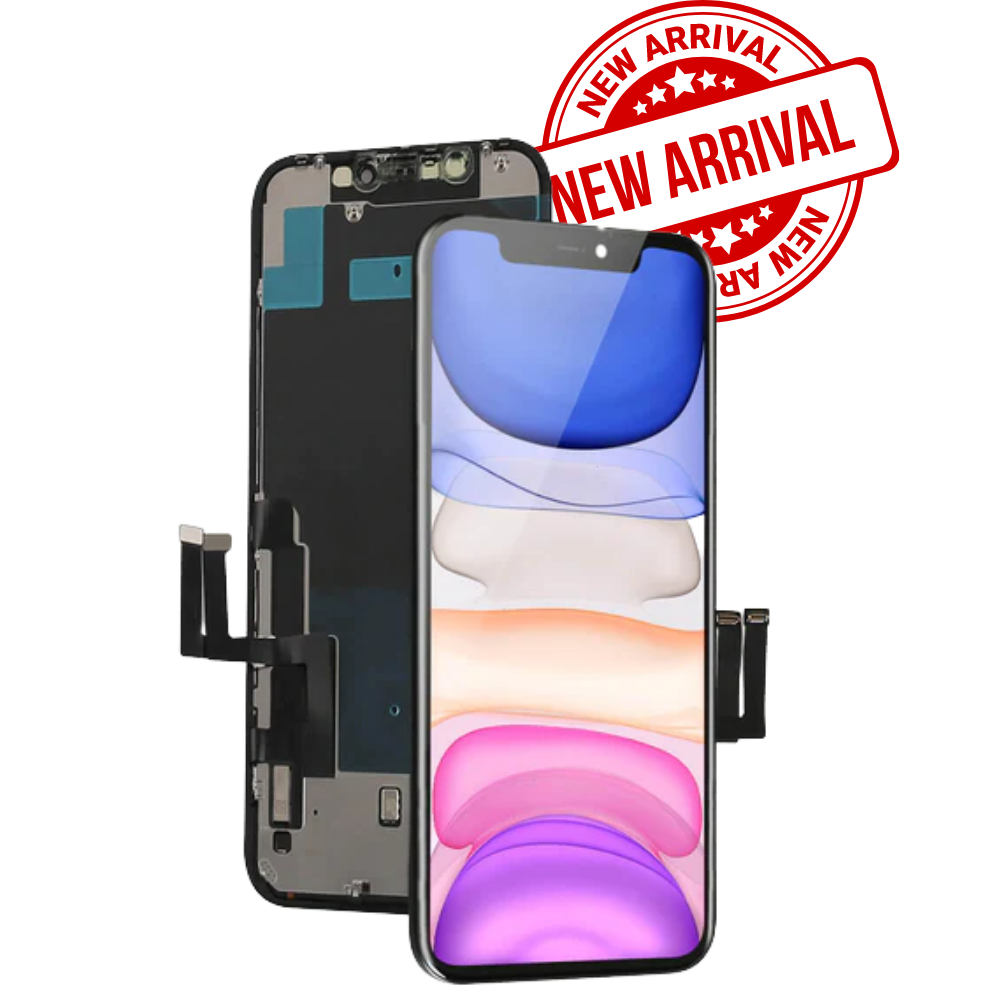
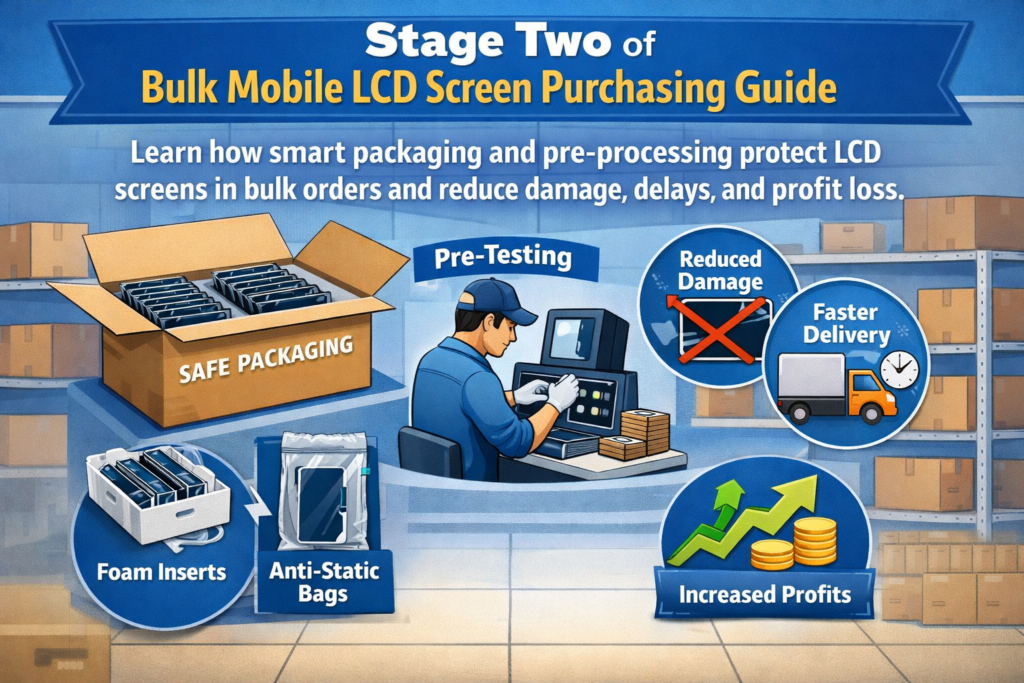
När det gäller bulkköp mobiltelefon LCD-skärmar, många köpare fokuserar mycket på priset, kvalitet, och leverantörer i tidiga skeden. Men här är sanningen de flesta nybörjare lär sig den hårda vägen: även de bästa LCD-skärmarna kan komma skadade om förpackning och förbearbetning görs dåligt.
Tänk på LCD-skärmar som ägg — ömtåliga, känslig, och oförlåtande. Ett fel drag under packning eller frakt, och din vinstmarginal spricker direkt. Det är därför Steg två: Förpackning & Förbearbetning är inte valfritt – det är avgörande.
I den här guiden, vi går igenom Steg 15 till 28 i ett praktiskt, människovänligt sätt. Oavsett om du är en grossist, distributör, eller reparationskedja köpare, detta steg skyddar din investering och säkerställer att dina skärmar kommer fram säkert, kompatibla, och redo för försäljning.
Förstå varför förpackningar är viktiga för LCD-skärmar
Varför LCD-skärmar är högriskprodukter
LCD-skärmar är:
- Ytterst bräcklig
- Starkt statisk känslig
- Sårbar för tryck, vibration, och fukt
En enda sprucken panel kan förvandlas till ett kundklagomål, återvända, eller total förlust.
Förpackning som ett vinstskyddsverktyg
Bra förpackningar är inte en kostnad – det är det försäkring. Rätt förpackning:
- Minskar skadefrekvensen
- Minskar tvister efter försäljning
- Förbättrar tullklareringen
- Bygger leverantörsprofessionalitet
15. Antistatisk förpackning: Första försvarslinjen
Varför antistatiskt skydd är obligatoriskt
Statisk elektricitet kan tyst förstöra LCD-komponenter. Du kommer inte att se det – men din skärm fungerar inte.
Rekommenderade antistatiska material
Varje LCD-skärm måste vara individuellt förseglade använder:
- Antistatiska påsar av aluminiumfolie
- Rosa antistatiska bubbelpåsar
Bästa metoder
- En skärm per påse
- Värmeförseglad eller tätt stängd
- Ingen stapling utan isolering
16. Dämpningsskydd: Absorberar yttre påverkan
Varför dämpning är avgörande
Transport är lika med vibrationer. Dämpning absorberar stötar som en bils fjädring.
Vanliga dämpningsmaterial
- Pärlbomull (EPE-skum)
- Tjockt svampskum
- Bubbelplast (används på rätt sätt)
Nyckeltips
Sjal utanför den antistatiska påsen, aldrig inuti den.
17. Innerboxförstärkning: Förhindra rörelse
Varför individuella innerlådor är viktiga
Lösa skärmar är trasiga skärmar.
Hur man gör det rätt
- Använd storleksanpassade små kartonger
- Lägg till inre fyllmedel
- Ingen skakning tillåten när den är förseglad
Detta steg förvandlar ömtåliga skärmar till stabila lastenheter.
18. Val av ytterkartong & Tydlig märkning
Att välja rätt kartong
Använd alltid:
- Femlagers wellpappkartong
- Kompressionsresistenta material
Obligatoriska varningsetiketter
Markera tydligt:
- Bräcklig
- Håll torrt
- Denna sida upp
Dessa etiketter vägleder hanterare – även om de inte alltid lyssnar.
19. Fylla tomma utrymmen inuti kartongen
Varför tom utrymme är farligt
Tomt utrymme = rörelse = slagskada.
Bästa fyllningsalternativen
- Skumblock
- Luftkuddar
- Skrynkligt kraftpapper
Gyllene regeln
Inga inre rörelser när lådan skakas försiktigt.
20. Kartongförsegling & Strukturell förstärkning
Tätning är inte bara tejpning
Svag tätning leder till krossade hörn.
Rekommenderad tätningsmetod
- Höghållfast packtejp
- "H" eller "I" tätningsmönster
- Förstärkta kanter och spänningspunkter
Detta steg skyddar mot fall och staplingstryck.
21. Test av förpackningsmaterial för stora försändelser
Varför det är viktigt att testa
Stor volym = hög risk. En svag kartongdesign kan förstöra hundratals skärmar.
Släpptestkrav
Be leverantörer att utföra:
- Släpp tester
- Kompressionstester
- Vibrationssimuleringar
Att testa idag förhindrar katastrofer i morgon.
22. Enkel kartongvikt & Storlekskontroll
Varför överviktiga kartonger är ett problem
- Svårare att hantera
- Högre brottrisk
- Ökad fraktkostnad
Riktlinjer för bästa praxis
- Rimlig manuell lyftvikt
- Optimerade dimensioner för logistikprissättning
Mindre, smartare kartonger = säkrare transport.
23. Fraktmärken (Kartongmärkningar) Förberedelse
Vad är ett fraktmärke?
Ett fraktmärke är kartongens identitetskort.
Obligatorisk information
- Mottagarens namn
- Destinationshamn
- Kartongnummer
- Brutto & nettovikt
- Ordernummer
Placeringsregler
- Rensa
- Vattentät
- Fast fäst
24. Vägledning för containerlastning (För fulla containerlaster)
Varför containerlastning är viktig
Dålig belastning orsakar tryckskador – speciellt på bottenskikten.
Principer för nyckelladdning
- Jämn viktfördelning
- Ingen överstapling
- Använd pallar om möjligt
Att tillhandahålla ett lastdiagram är ett smart drag.
25. Förberedelse av kommersiella fakturor
Varför den kommersiella fakturan är avgörande
Tullen ser detta först. Fel orsakar förseningar och böter.
Faktura måste innehålla
- Köpare & säljarens uppgifter
- Produktbeskrivningar
- Enhetspris & totalt värde
- Valuta
- Incoterms
Noggrannhet är lika med snabbare rensning.
26. Förberedelse av packlista
Vad en packlista gör
Det berättar tull och lager exakt vad som finns inuti.
Obligatoriska detaljer
- Antal per kartong
- Bruttovikt
- Nettovikt
- Volym
Gyllene regeln
Packlista måste matcha de faktiska varorna 100%.
27. Förberedelse av försäljningskontrakt
Varför kontrakt är viktiga
De bevisar handelns äkthet.
Vanliga användningsområden
- Tullkontroll
- Bankdokument
- Tvistlösning
Ha alltid ett signerat exemplar redo.
28. Ansökan om ursprungsintyg
Vad är ett ursprungsintyg?
Det bevisar att varorna tillverkas i Kina.
Varför det är viktigt
- Möjliggör förmånliga tariffer
- Krävs av många länder
Var man ansöker
- Kinas råd för främjande av internationell handel (CCPIT)
- Auktoriserade lokala kammare
Detta steg kan spara riktiga pengar i avgifter.
Vanliga förpackningsmisstag att undvika
Med utsikt över antistatiskt skydd
Statisk skada dyker ofta upp efter förlossningen.
Använda svaga kartonger
Billiga kartonger kollapsar under tryck.
Ofullständiga dokument
Saknade pappersarbete försenar leveranser.
Undvik dessa misstag för att skydda dina marginaler.
Hur steg två påverkar den övergripande framgången i leveranskedjan
Förpackningar är inte bara logistik – det är det varumärkesskydd. Professionell förpackning:
- Skapar förtroende hos köpare
- Minskar avkastning
- Förbättrar leverantörernas trovärdighet
Det är den tysta hjälten i framgångsrik LCD-sourcing.
Slutsats
Steg två av bulkköp av mobiltelefoner med LCD-skärm—Förpackning & Förbearbetning—är där smarta köpare skiljer sig från riskfyllda. Från antistatiska påsar till ursprungscertifikat, varje steg skyddar dina produkter, dina pengar, och ditt rykte.
Om Stage One handlar om att välja rätt skärmar, Steg två handlar om att se till att de kommer levande. Bemästra detta stadium, och din försörjningskedja blir starkare, smidigare, och mycket mer lönsamt.
Vanliga frågor (Vanliga frågor)
1. Varför är antistatisk förpackning obligatorisk för LCD-skärmar?
Eftersom statisk elektricitet kan skada interna kretsar även utan synliga tecken.
2. Kan bubbelplast ersätta antistatiska påsar?
Inga. Bubbelplast ger dämpning men ger inget statiskt skydd.
3. Vilken är den idealiska kartongstorleken för LCD-försändelser?
En storlek som förhindrar rörelse samtidigt som den är enkel för manuell hantering.
4. Är fraktmärken verkligen nödvändiga?
Ja. De hjälper logistikteam, tull, och lager identifierar varor korrekt.
5. Minskar ett ursprungsintyg verkligen importkostnaderna?
I många länder, ja – det möjliggör förmånliga tullsatser.