Der Markt für iPhone-Bildschirmreparaturen ist riesig. Nicht nur groß – komplex, geschichtet, und manchmal verwirrend. Für Werkstätten und Großhändler, Das Verständnis der Aftermarket-Bildschirmspezifikationen ist nicht optional. Es ist der Unterschied zwischen hohen Gewinnen und ständigen Kundenbeschwerden.
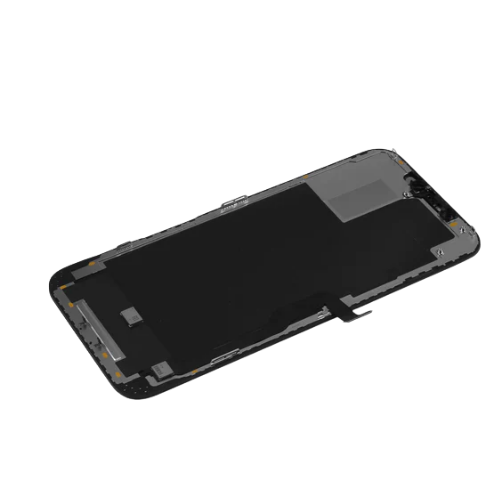
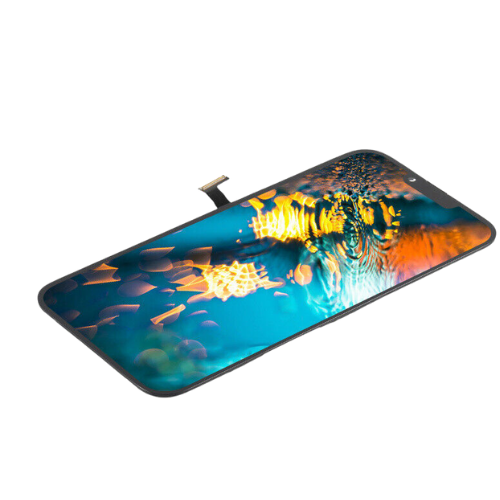
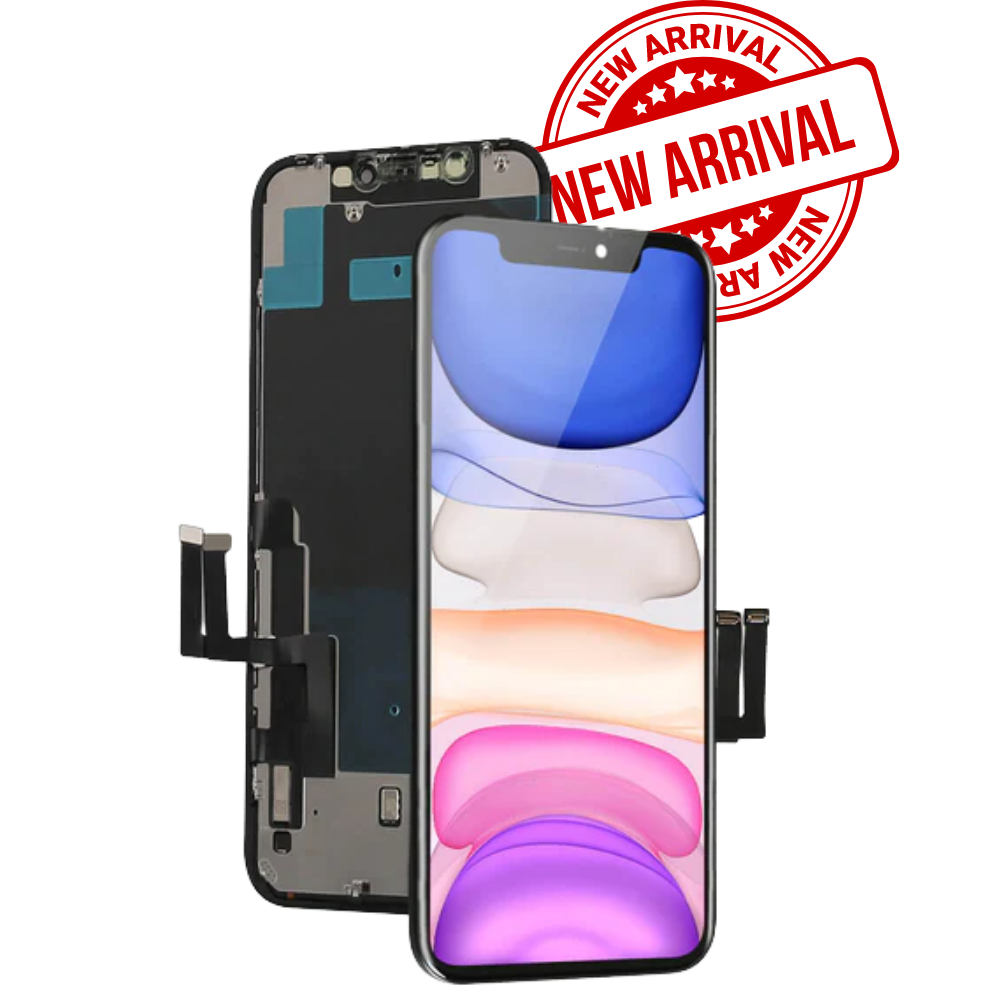
Stellen Sie sich einen iPhone-Bildschirm wie das Herzstück des Telefons vor. Es ist nicht nur ein Stück Glas. Es handelt sich um ein vollständig integriertes Modul, das die Anzeige kombiniert, Touch-Digitalisierer, Face-ID-Komponenten, Näherungssensoren, Hörmuschel, und mehr. Ersetzen Sie es falsch, und die gesamte Erfahrung verändert sich.
Wie wählt man also den richtigen Bildschirm aus?? Lassen Sie es uns Schritt für Schritt aufschlüsseln.
Warum iPhone-Bildschirme die Reparaturbranche dominieren
Displayschäden sind weltweit die Nummer eins unter den iPhone-Reparaturen. Es kommt zu Stürzen. Glasrisse. Displays werden schwarz. Und wenn das passiert, Kunden wollen keine Erklärungen – sie wollen Lösungen.
Aber hier ist der schwierige Teil: Nicht alle Ersatzbildschirme sind gleich.
Sie können einen Bildschirm dafür kaufen $15 oder $150. Beide „passen“. Aber leisten sie die gleiche Leistung?? Absolut nicht.
Hier wird das Verständnis von Spezifikationen zu Ihrem Wettbewerbsvorteil.
Die Grundlage – zwei Kernbildschirmtechnologien
Bevor wir überhaupt über Aftermarket-Qualitäten sprechen, Wir müssen eine grundlegende Wahrheit verstehen:
Bei iPhones gibt es nur zwei zentrale Anzeigetechnologien.
LCD-Technologie erklärt
LCD (Flüssigkristallanzeige) Bildschirme wurden in Modellen wie verwendet:
- iPhone 6 / 7 / 8
- iPhone XR
- iPhone 11
- iPhone SE-Serie
LCD-Bildschirme benötigen eine Hintergrundbeleuchtung, um die Pixel zu beleuchten. Deshalb erscheinen Schwarztöne leicht grau – die Hintergrundbeleuchtung ist immer eingeschaltet.
Vorteile:
- Niedrigere Kosten
- Ausgereiftes Aftermarket-Angebot
- Stabile Leistung
Einschränkungen:
- Geringerer Kontrast
- Weniger leuchtende Farben
- Etwas dickere Struktur
OLED-Technologie erklärt
Ab dem iPhone X, Apple ist bei den meisten Premium-Modellen auf OLED umgestiegen.
OLED-Panels werden verwendet:
- iPhone X
- iPhone 12 / 13 / 14 / 15 / 16 Serie (außer SE)
Jedes Pixel sendet sein eigenes Licht aus. Das bedeutet echte Schwarze, unendlicher Kontrast, und bessere Energieeffizienz.
OLED ist dünner, heller, und lebendiger – aber auch viel teurer in der Herstellung.
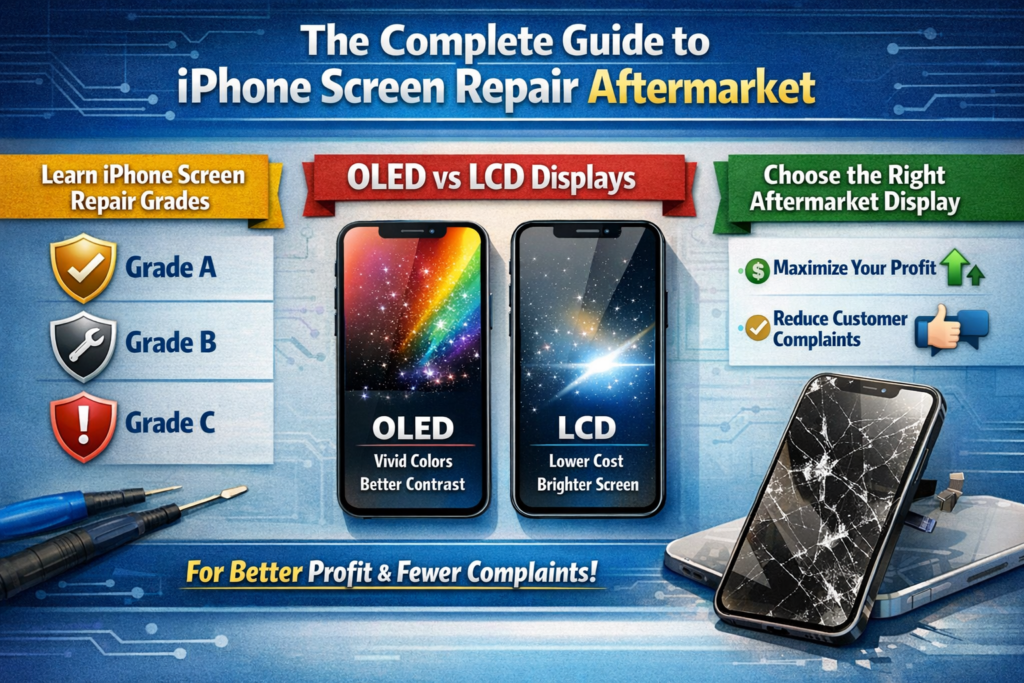
Hauptunterschiede zwischen LCD und OLED
| Besonderheit | LCD | OLED |
|---|---|---|
| Hintergrundbeleuchtung | Erforderlich | Nicht erforderlich |
| Schwarze Farbe | Gräulich | Echtes Schwarz |
| Kontrast | Beschränkt | Unendlich |
| Dicke | Dicker | Verdünner |
| Kosten | Untere | Höher |
Dieser Technologieunterschied bestimmt alles im Aftermarket.
Fünf wichtige Aftermarket-iPhone-Bildschirmqualitäten
Kommen wir nun zum eigentlichen Schlachtfeld – der Aftermarket-Klassifizierung.
1. Original gezogene Bildschirme (OEM zerlegt)
Hierbei handelt es sich um Original-Apple-Bildschirme, die von gebrauchten Geräten entfernt wurden.
Keine Fremdfertigung. Kein Komponententausch.
Warum sie Premium sind:
- Perfekte Farbgenauigkeit
- Ursprüngliche Helligkeitsstufen
- Wahrer Ton & ProMotion wird vollständig unterstützt
- Die Face-ID-Kompatibilität bleibt erhalten
Sie liefern Leistung auf Werksniveau.
Nachteil? Hohe Kosten und begrenztes Angebot.
2. Überholte Originalbildschirme (Glas ersetzt)
Hier wird es interessant.
Techniker entfernen zerbrochenes Glas von einer Originalscheibe und laminieren eine neue Glasschicht.
Das interne OLED- oder LCD-Panel bleibt original.
Leistung:
- Anzeigequalität nahezu identisch mit OEM
- Die Touch-Leistung hängt von der Glasqualität ab
- Der True Tone bleibt normalerweise erhalten
Stellen Sie sich das so vor, als würden Sie das „Fenster“ reparieren und gleichzeitig den Originalmotor behalten.
Preis: Niedriger als OEM gezogen, aber immer noch Premium.
3. Diagnosegeprüfte Originalbildschirme
Es handelt sich um Originalbildschirme, die professionell getestet und bewertet wurden.
Sie können von offiziellen Serviceprogrammen oder großen Aufarbeitungszentren stammen.
Die Leistung ist konstant und zuverlässig, Es können jedoch geringfügige kosmetische Mängel vorhanden sein.
Diese Kategorie bietet ein ausgewogenes Verhältnis zwischen Preis und Zuverlässigkeit.
4. OLED-Bildschirme von Drittanbietern
Dies ist das wettbewerbsintensivste Segment auf dem heutigen Markt.
Komplett von Drittfabriken hergestellt.
Es gibt zwei Haupttypen:
Hartes OLED
Verwendet starre Substrate.
Eigenschaften:
- Etwas dicker
- Breitere untere Blende ("kinn")
- Günstiger
Leistung:
- Anständige Farbe
- Mäßige Helligkeit
- Geringere Haltbarkeit im Vergleich zum Original
Flexibel (Weich) OLED
Verwendet flexible Substrate ähnlich den Originalpanels von Apple.
Vorteile:
- Schlankes Design
- Schmale Lünette
- Bessere Farbwiedergabe
- Höhere Helligkeit
High-End-Soft-OLED-Bildschirme können nach der Datenübertragung sogar True Tone unterstützen.
Aber auch weiche OLED-Bildschirme der Spitzenklasse können angezeigt werden:
- Leichte Farbverschiebung bei extremen Winkeln
- Höheres Einbrennrisiko
- Geringere Gleichmäßigkeit bei geringer Helligkeit
Systemwarnung? Ja – das iPhone wird wahrscheinlich die Meldung „Es konnte nicht überprüft werden, ob dieses iPhone über ein echtes Apple-Display verfügt“ anzeigen.
5. LCD von Drittanbietern (Incell / TFT) für OLED-Modelle
Dies ist die Budgetoption.
Einige Reparaturmärkte ersetzen OLED-Bildschirme durch LCD-Alternativen, um die Kosten zu senken.
Leistungskompromisse:
- Niedrigere Helligkeit
- Ausgewaschene Farben
- Schlechte Blickwinkel
- Kein wahrer Ton
Es funktioniert – aber es ist, als würde man einen Sportwagen mit Economy-Reifen ausstatten.
Für native LCD-Modelle (wie iPhone 11), Die LCD-Qualität von Drittanbietern ist ausgereifter und akzeptabler, wenn auch immer noch schlechter als das Original.
Vergleich der Kernleistung
Vereinfachen wir es.
| Grad | Farbe | Helligkeit | Wahrer Ton | Haltbarkeit | Preis |
|---|---|---|---|---|---|
| OEM gezogen | Exzellent | Exzellent | Ja | Exzellent | $$$$ |
| Generalüberholter OEM | Exzellent | Exzellent | Ja | Sehr gut | $$$ |
| Weiches OLED | Sehr gut | Sehr gut | Teilweise | Gut | $$ |
| Hartes OLED | Mäßig | Mäßig | NEIN | Mäßig | $$ |
| Incell-LCD | Basic | Niedrig | NEIN | Basic | $ |
Eines ist klar: Der Preis spiegelt die Leistung wider.
Wichtige Fachbegriffe, die Sie kennen müssen
Incell-Technologie
Incell integriert Touch in die LCD-Schicht.
In der Aftermarket-Sprache, es bezieht sich normalerweise auf kostengünstigere LCD-Ersatzteile.
True Tone-Funktionalität
True Tone passt die Farbtemperatur basierend auf dem Umgebungslicht an.
Ohne Original-Datenübertragungstools, Diese Funktion funktioniert auf den meisten Bildschirmen von Drittanbietern nicht.
IC-Chip-Kompatibilität
Der Display-Treiber-IC steuert Helligkeit und Touch-Reaktion.
High-End-Bildschirme ermöglichen möglicherweise die IC-Übertragung von Originalpanels, Verbesserung der Stabilität.
Hartes OLED vs. flexibles OLED
Flexibles OLED bedeutet höhere Stufe.
Wenn ein Lieferant dies nicht klar angeben kann, ist das ein Warnsignal.
Preisstrategie für Reparaturwerkstätten
Smart Shops bieten keine Option. Sie bieten drei an.
- Budget
- Standard
- Prämie
Erklären Sie Unterschiede deutlich.
Kunden hassen Überraschungen mehr als hohe Preise.
Transparenz schafft Vertrauen.
Vermeidung von Niedrigpreisfallen
Wenn der Preis zu gut klingt, um wahr zu sein, dann ist er es auch.
Einige Anbieter bezeichnen hartes OLED als „Originalqualität“.
Stellen Sie direkte Fragen:
- Ist es flexibles OLED??
- Unterstützt es True Tone nach der Übertragung??
- Wie hoch ist die Helligkeit??
Details unterscheiden Profis von Amateuren.
Einkaufsberatung für Großhändler
Mittlerweile dominieren OLED-Modelle den Markt.
Die Nachfrage nach Low-End-LCD-Ersatzteilen für OLED-Geräte sinkt.
Die Lagerstrategie sollte sich darauf konzentrieren:
- Flexibler OLED
- Generalüberholter OEM
- Wählen Sie OEM Pulled Stock
Billige Incell-Ersatzteile können das Volumen bewegen, aber die Margen sind gering und die Beschwerden höher.
Abschließende Gedanken zum Treffen intelligenterer Entscheidungen
Beim Ersatzteilmarkt für iPhone-Bildschirme geht es nicht nur darum, günstigere Teile zu kaufen.
Es geht darum, Technologie zu verstehen, Benotung, Leistung, und Kundenerwartungen.
Betrachten Sie es wie Wein. Es gibt Tischflaschen und Vintage-Auswahl. Beide sind trinkbar. Aber sie bedienen unterschiedliche Zielgruppen.
Ihr Job? Passen Sie das Produkt an den Kunden an.
Bringen Sie Budget und Leistung in Einklang.
Und denken Sie daran – beim Bildschirmaustausch, Sie bekommen wirklich das, wofür Sie bezahlen.
Abschluss
Der Markt für iPhone-Bildschirmreparaturen ist riesig, wettbewerbsfähig, und hochtechnisch. Von originalen Pulled-Displays bis hin zu flexiblen OLED- und preisgünstigen Incell-LCD-Optionen, Jede Kategorie dient einem anderen Zweck. Für Reparaturwerkstätten, Das Anbieten abgestufter Optionen sorgt für eine bessere Kundenzufriedenheit. Für Großhändler, Das Verständnis der Qualitätsunterschiede sorgt für gesündere Margen und weniger Retouren. Am Ende, Die Beherrschung der Bildschirmspezifikationen ist nicht nur technisches Wissen, sondern eine Geschäftsstrategie.
FAQs
1. Ist flexibles OLED immer besser als hartes OLED??
Ja, in den meisten Fällen. Flexibles OLED bietet eine bessere Anzeigequalität, dünneres Design, und eine bessere Leistung als Originalbildschirme.
2. Können Bildschirme von Drittanbietern True Tone unterstützen??
Einige flexible High-End-OLED-Bildschirme können True Tone unterstützen, nachdem die ursprünglichen Anzeigedaten mithilfe spezieller Tools übertragen wurden.
3. Warum zeigt das iPhone die Warnung „nicht originales Display“ an??
Weil Apple die Seriennummern der Bildschirme überprüft. Die meisten Bildschirme von Drittanbietern lösen diese Benachrichtigung aus.
4. Sind generalüberholte Originalbildschirme zuverlässig??
Wenn professionell renoviert, Sie behalten die Original-Anzeigetafeln bei und bieten nahezu OEM-Leistung.
5. Sollten Reparaturwerkstätten Incell LCD für OLED-Modelle auf Lager haben??
Nur für extrem preissensible Märkte. Die Kundenzufriedenheit kann im Vergleich zu OLED-Ersatzprodukten geringer sein.