Wstęp
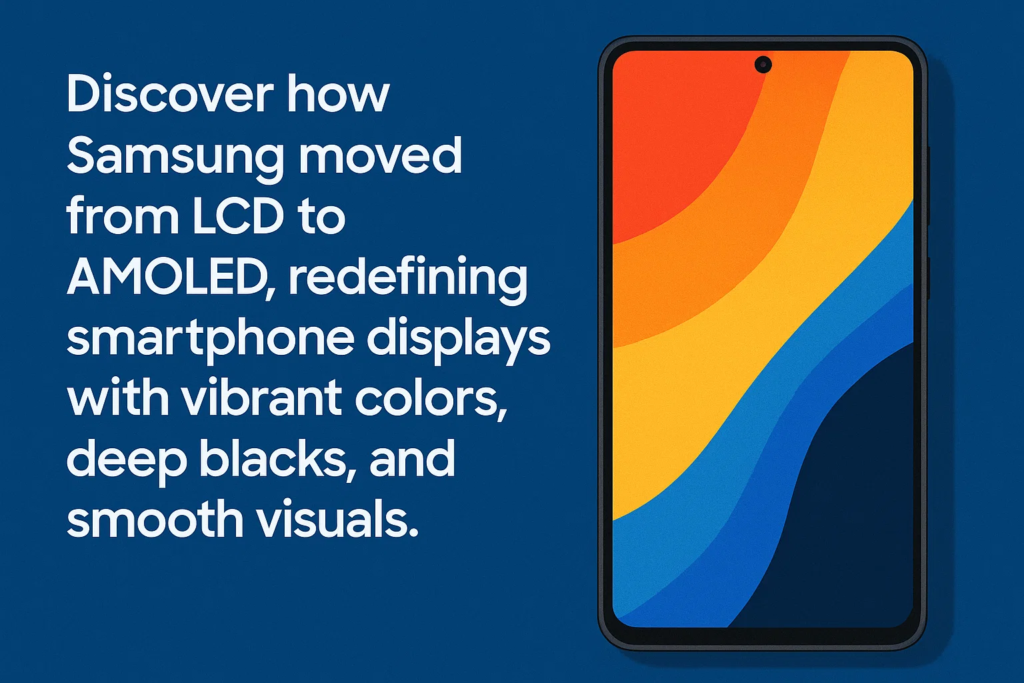
Gdy weźmiesz do ręki nowoczesny flagowy telefon Samsunga, pierwszą rzeczą, która cię uderza, jest wyświetlacz. Żywe kolory, nieskończona czerń, niezwykle płynne częstotliwości odświeżania — masz wrażenie, jakbyś patrzył w inną rzeczywistość. Ale ta magia nie wydarzyła się z dnia na dzień. To wynik długiego czasu, kręta podróż, podczas której Samsung przekształcił się z naśladowcy ery LCD w niekwestionowanego lidera technologii AMOLED.
Podstawy i era nadrabiania zaległości (Wiek LCD)
Na początku lat 2000, Na smartfonach Samsunga można było polegać LCD (Wyświetlacz ciekłokrystaliczny) panele. Ówcześnie, Japońscy giganci, tacy jak Sharp i JDI (Japan Display Inc.) byli pionierami, ustawienie poprzeczki jakości wyświetlania. Wyświetlacze LCD Samsunga były wystarczająco dobre, ale nie spektakularne. Ich głównymi atutami były efektywność kosztowa i masowa produkcja, ale pod względem dokładności kolorów, jasność, i czytelność na zewnątrz, pozostawali w tyle.
To była faza „nadrabiania zaległości” dla firmy Samsung – budowania kompetencji przy jednoczesnym uświadomieniu sobie, że nie da się wyprzedzić samą grą na wyświetlaczach LCD.
Strategiczny punkt zwrotny: Obstawiam AMOLED
Prawdziwy punkt zwrotny nastąpił, gdy Samsung zdecydował się na tę decyzję idź na całość na AMOLED (Aktywna macierz organiczna dioda emitująca światło) wyświetla. Około połowy 2000 roku, gdy inne firmy odrzuciły AMOLED jako drogi i zawodny, Samsung dostrzegł potencjał.
Dlaczego?
- Rozróżnianie: AMOLED oferował wyjątkowe zalety, takie jak prawdziwa czerń, cieńsze panele, i wyższe współczynniki kontrastu.
- Kontrola: Inwestując w AMOLED, Samsung mógłby zmniejszyć zależność od japońskich dostawców wyświetlaczy.
- Wizja: Firma przewidziała boom na smartfony i zrozumiała, że ostatecznym polem bitwy stanie się wyświetlacz.
To śmiałe założenie ostatecznie przekształci całą branżę.
Przełom z technologią AMOLED
AMOLED pierwszej generacji
Samsung wprowadził panele AMOLED w swoich wczesnych modelach Galaxy S. Kolory były wyraziste, czerń była głęboka, i poprawiona widoczność na zewnątrz. Ale to nie było idealne.
- Problem z macierzą pentylową: Wczesne AMOLEDy wykorzystywały układ subpikseli, który zmniejszał ostrość przy tej samej rozdzielczości w porównaniu z wyświetlaczami LCD. Krytycy argumentowali, że tekst wyglądał na niewyraźny.
- Obawy dotyczące trwałości: Częstymi skargami były problemy z wypaleniem i żywotnością.
Nadal, był to solidny fundament, na którym można było budować.
Innowacja Super AMOLED
Nadszedł kolejny krok Samsunga Super AMOLED-owy, gdzie firma zintegrowała czujnik dotykowy bezpośrednio z wyświetlaczem.
Korzyści?
- Jaśniejsze i bardziej żywe efekty wizualne.
- Cieńsze ekrany, umożliwiając tworzenie bardziej eleganckich projektów smartfonów.
- Lepsza czytelność na zewnątrz.
To wtedy AMOLED zaczął zyskiwać na popularności, szczególnie w urządzeniach premium.
Era dynamicznego AMOLED-a
Z Galaxy S10 i nie tylko, Dynamiczny AMOLED wszedł na scenę. Samsung pchnął kopertę:
- Wysokie częstotliwości odświeżania (120Hz i więcej) dla wyjątkowo płynnych interakcji.
- Certyfikat HDR10+, dzięki czemu filmy i nagrania wideo wyglądają oszałamiająco realistycznie.
- Poprawiona dokładność kolorów, przeciwstawiając się starej krytyce „przesyconych” AMOLED-ów.
W tym momencie, Wyświetlacze Samsunga były nie tylko efektowne – były lepsze pod względem naukowym.
Szczyt i przywództwo w branży
Materiały serii M
Samsung opracował zaawansowane Materiały serii M, używany wyłącznie w swoich flagowcach premium. Materiały te dostarczone:
- Rekordowy poziom jasności.
- Wyższa efektywność energetyczna, zwiększenie żywotności baterii.
Seria E dla innych marek
Co ciekawe, Samsung nie zatrzymuje całej swojej technologii dla siebie. Zaopatruje także Materiały serii E chińskim producentom i innym partnerom. Różnica? Panele z serii E są nieco mniej zaawansowane, zapewniając Samsungowi utrzymanie przewagi w zakresie własnych flagowców Galaxy.
Samsung Display jako król rynku
Samsung Display nie tylko zasila urządzenia Galaxy — to cichy twórca iPhone'ów firmy Apple, Piksele Google’a, a nawet chińskie marki, takie jak Xiaomi i OnePlus. Ich skala produkcyjna, stopy plonów, i kontrola jakości sprawiają, że są to sprawdzony dostawca paneli OLED na całym świecie.
Definicja standardu premium
Konkurenci lubią Wyświetlacz LG I BOE poczynili postępy, ale Samsung ustawił złoty standard do wyświetlaczy smartfonów. Jeśli chcesz wiedzieć, co jest „najlepsze w swojej klasie”.,” wystarczy spojrzeć na najnowszy panel Samsunga – określa on, za czym muszą podążać inni.
Przyszłe perspektywy technologii Samsung Display Tech
Składany wyświetlacz OLED
Samsung był pionierem w dziedzinie urządzeń składanych, wprowadzając serię Galaxy Z Fold and Flip. Te elastyczne panele OLED otworzyły nowe możliwości w zakresie form i będą nadal ewoluować w kierunku trwałości i przystępności cenowej.
Kamera podpanelowa
Prawdziwy projekt obejmujący cały ekran wymaga ukrycia kamer pod wyświetlaczem. Samsung już eksperymentuje z aparatem podpanelowym (UPC) technologia, mając na celu zrównoważenie przejrzystości z jakością obrazu.
Układ mikrosoczewek (MLA/MLP)
To nowatorskie udoskonalenie wykorzystuje mikroskopijne soczewki do efektywniejszego kierowania światła, zapewniając wyższą jasność bez zużywania większej ilości energii – to przełom w zakresie wydajności.
Długoterminowa wizja
Pomyśl o przezroczystych wyświetlaczach, Rolowalne ekrany, i technologie noszenia — Samsung ma na nie oko.
Przepis na sukces
Dominacja Samsunga sprowadza się do trzech składników:
- Długoterminizm: Postaw na AMOLED, gdy inni w to wątpili.
- Integracja pionowa: Posiadanie całego łańcucha dostaw, od R&D do masowej produkcji.
- Nieustanna innowacja: Nigdy się nie osiedlam, zawsze naciskasz na następny skok.
Wniosek
Od skromnych początków LCD po olśniewające wyświetlacze AMOLED we współczesnych flagowcach, Firma Samsung udowodniła, że odważne założenia i nieustanne innowacje mogą zamienić pretendenta w lidera. Firma nie tylko przekształciła własne produkty, ale także na nowo zdefiniowała całą branżę wyświetlaczy do smartfonów.
Droga przed nami — składane, kamery podpanelowe, i nie tylko — sugeruje, że panowanie Samsunga w technologii wyświetlaczy jeszcze się nie skończyło.
FAQ
1. Dlaczego Samsung wybrał AMOLED zamiast LCD?
Ponieważ AMOLED oferował wyjątkowe korzyści, takie jak głębsza czerń, cieńsze panele, i wyższy kontrast, dając Samsungowi sposób na wyróżnienie się na tle konkurencji utkniętej w wyświetlaczu LCD.
2. Jaka jest różnica między Super AMOLED a Dynamic AMOLED?
Super AMOLED zintegrował warstwę dotykową dla cieńszej, jaśniejsze panele. Dynamiczny AMOLED dodał HDR10+, wyższe częstotliwości odświeżania, i lepszą dokładność kolorów.
3. Czym seria M firmy Samsung różni się od materiałów z serii E?
Seria M przeznaczona jest dla urządzeń premium firmy Samsung, oferując najnowocześniejszą jasność i wydajność. Seria E jest dostarczana do innych marek, nieco mniej zaawansowany.
4. Czy składane wyświetlacze zastąpią tradycyjne płaskie ekrany??
Nie do końca. Popularność modeli składanych będzie rosła, jednak płaskie ekrany nadal będą dominować pod względem przystępności cenowej i prostoty.
5. Jak Samsung utrzymuje pozycję lidera pomimo rosnącej konkurencji?
Poprzez integrację pionową, masywny r&Inwestycja D, i utrzymanie najlepszej technologii (jak seria M) wyłącznie dla własnych flagowców.