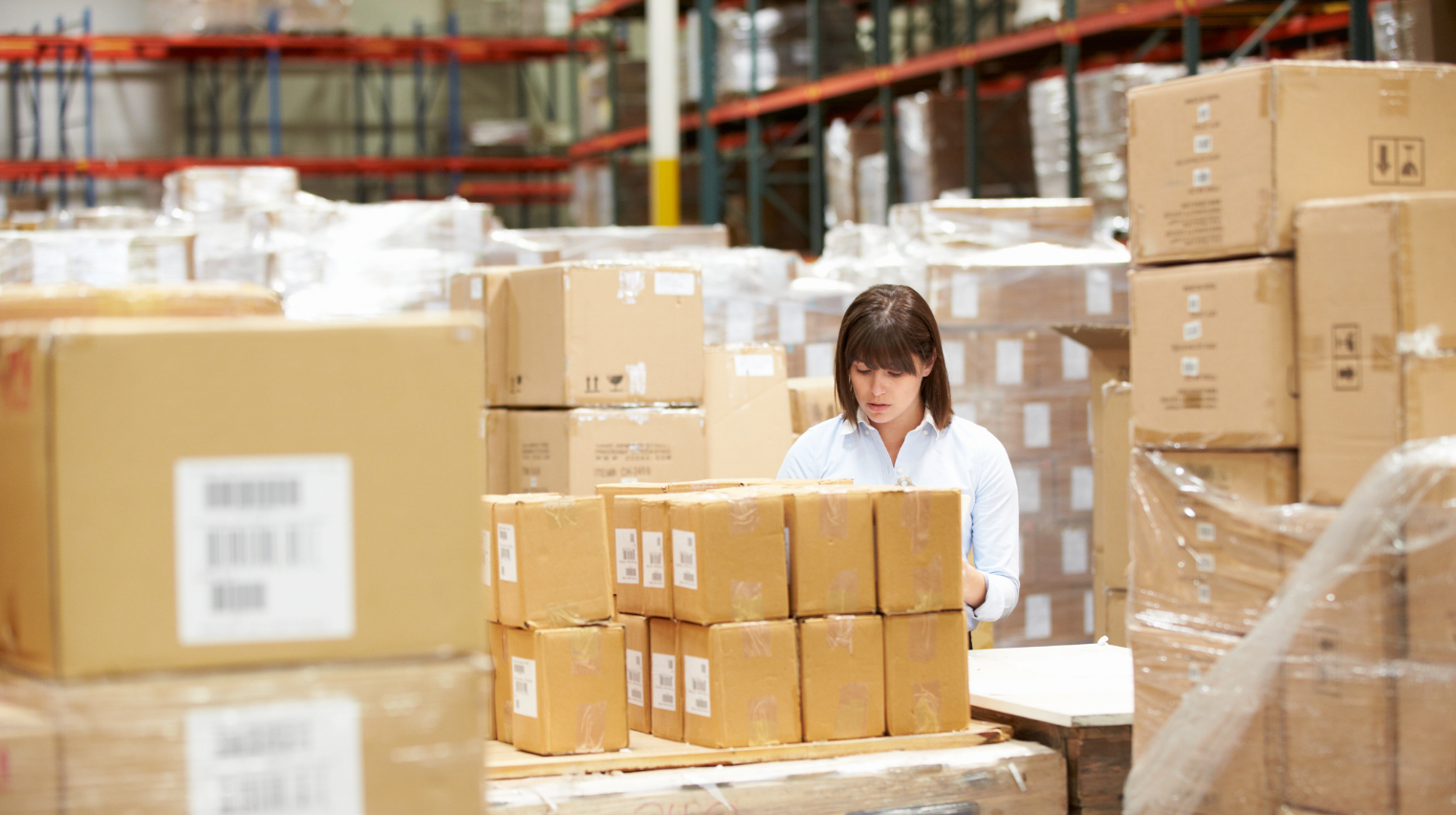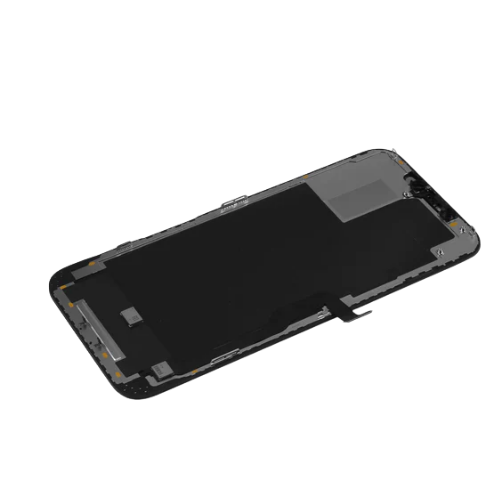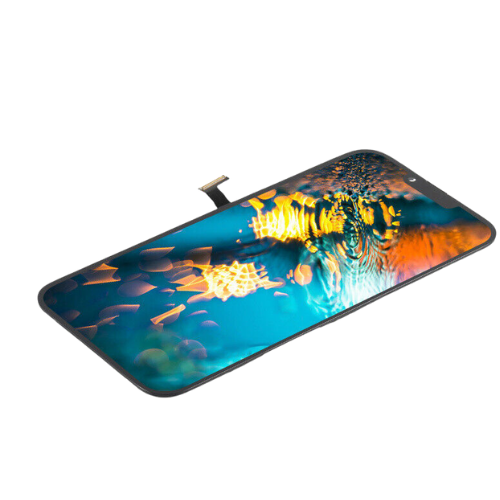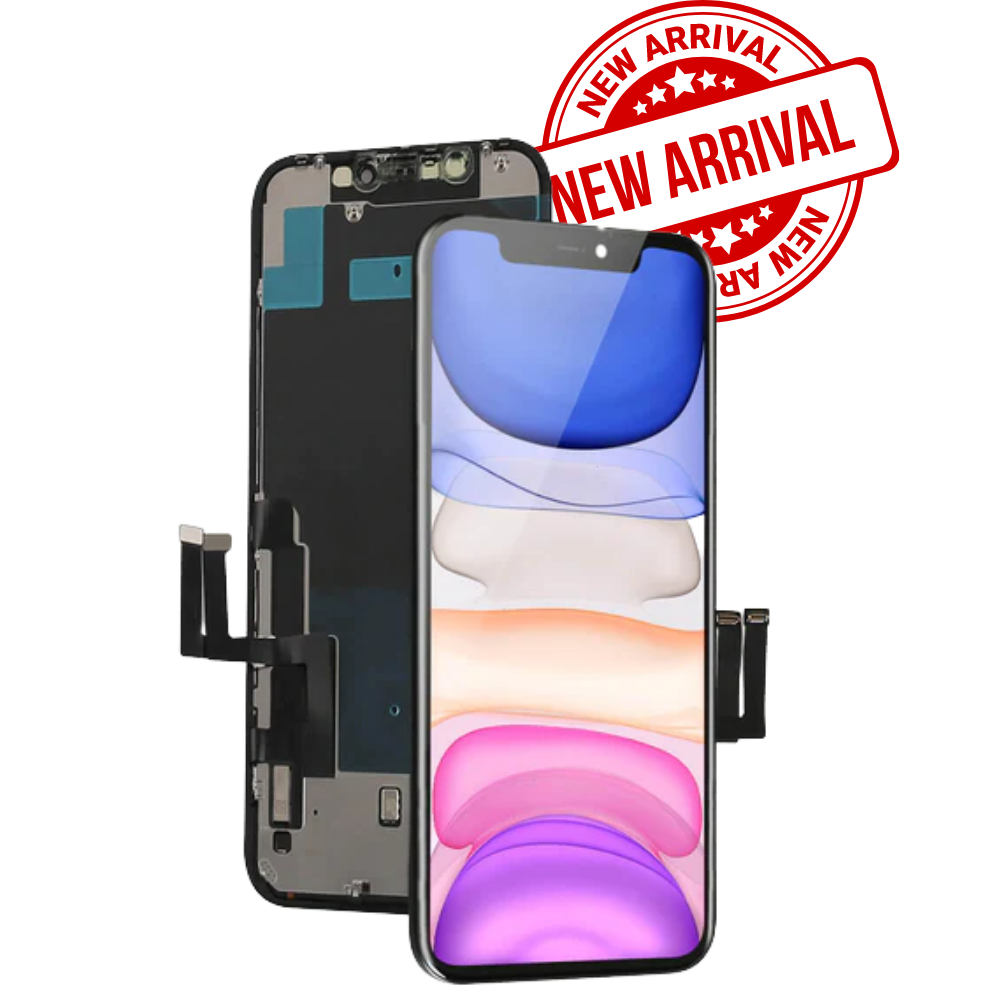
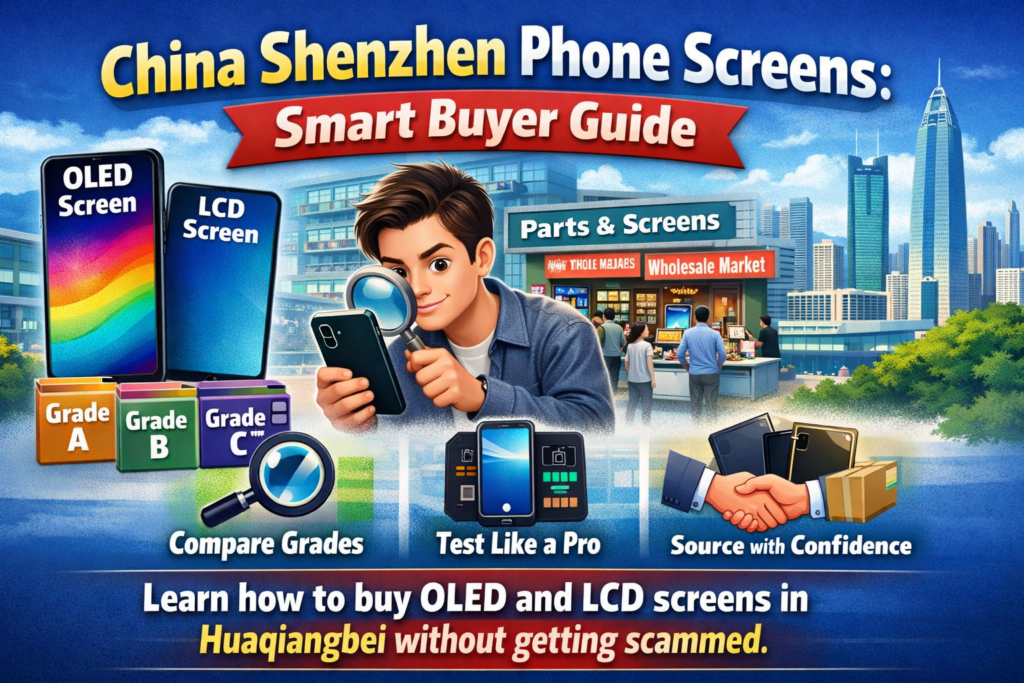
Stellen Sie sich einen Ort vor, an dem alle erdenklichen Mobiltelefone vorhanden sind, Zubehör, und Ausstellungen, von deren Kauf Sie nur träumen können, finden sich unter gebündelten Dächern und endlosen Gängen. Das ist Huaqiangbei für Sie. Es erstreckt sich über mehrere weitläufige Einkaufszentren und Dutzende Etagen voller Millionen von Produkten, das ist Die Quelle für die weltweite Versorgung mit Telefonteilen – einschließlich stark nachgefragter OLED- und LCD-Bildschirme. Das Besondere an Huaqiangbei ist, dass es sich nicht um einen einzelnen Laden oder Flagship-Store handelt: Es handelt sich um ein vernetztes Ökosystem von Großhändlern, Direktlieferanten, kleine Stände, und Reparaturzentren, die E-Commerce-Shops und Reparaturwerkstätten weltweit beliefern.
Jedoch, dass Vielfalt sowohl ein Segen als auch ein Fluch ist. Während du dürfen tolle Angebote finden, Viele Anbieter versuchen lediglich, als Premium-Bildschirme getarnte kostengünstige Kopien an ahnungslose Käufer zu verkaufen. Deshalb ist es wirklich wichtig, das zu kennen Einstufung von Bildschirmen, worauf man testen sollte, Und wo Sie zuverlässige Ersatzteile finden, ist entscheidend, damit Ihre Huaqiangbei-Reise zu einem Gewinn und nicht zu einer Enttäuschung wird.
Die drei Haupttypen von Telefonbildschirmen verstehen
In Huaqiangbei, Bildschirme sind nicht monolithisch – sie sind deutlich abgestuft, und diese Qualitäten bestimmen sowohl die Qualität als auch den Preis.
Originaler Werksbildschirm (Original C)
Diese Bildschirme sind die nächstgelegenen, die Sie erreichen können echt – typischerweise von einwandfrei funktionierenden, aber von der Garantie ausgeschlossenen Telefonen oder von offiziellen Kundendienst-Lieferketten gewonnen. Sie nutzen beides originale LCD- oder OLED-Panels und originales Deckglas, Bedeutung Farbgenauigkeit, Helligkeit, und Touch-Reaktionsfähigkeit entsprechen den Originalspezifikationen des Telefons. Dies ist das höchste Qualitätsniveau in Huaqiangbei, aber es ist auch so das teuerste und am wenigsten konsistente verfügbare Produkt Option, da das Angebot begrenzt ist. Händler beziehen diese häufig aus offiziellen Streams oder hochwertigen zerlegten Telefonen.
Originaler Nachdruckbildschirm (Original B)
Diese Sorte ist in Huaqiangbei der ideale Kompromiss zwischen Preis und Zuverlässigkeit. Der Anzeigetafel ist original, aber das äußere Glas wurde aufgrund einer Beschädigung ersetzt. Durch professionelle Laminier- und Druckmaschinen, Eine neue Glasschicht wird aufgeklebt – bei richtiger Ausführung oft nicht vom Original zu unterscheiden. Viele Wiederverkäufer und sogar Reparaturwerkstätten bevorzugen diese Option, da sie eine hervorragende Leistung bietet wesentlich geringere Kosten. Jedoch, Die Qualität hängt ganz vom Können des Technikers ab, und eine unsachgemäße Laminierung kann zu Staubeinschlüssen führen, ungleichmäßige Hintergrundbeleuchtung, oder verringerte Haltbarkeit, wenn die Inspektion übersprungen wird.
Inländisch montierter Bildschirm (Original A / Hohe Kopie)
Dies ist die preisgünstige Wahl – oft mit der Bezeichnung „Original“.,”aber nicht aus der Fabrik des Telefonherstellers. Stattdessen, Sie stammen aus inländischen Fabriken, die Bildschirme mit lokal beschafften LCD- oder OLED-Panels und Glas zusammenbauen. Im Laufe der Zeit, Diese haben sich hinsichtlich der Farbgenauigkeit und des Tastgefühls erheblich verbessert, Sie liegen jedoch in puncto Leistung immer noch hinter den Original- und Nachdruckplatten zurück Langlebigkeit, Gleichmäßigkeit, und präzise Kalibrierung. Deshalb viele Käufer Ich möchte sie als Ersatzgeräte, Masseninventar, oder Projekte mit geringer Marge aber meiden Sie sie für Premium-Reparaturen.
Schmerzpunkt des Käufers #1 — „Originalbildschirm?„Ist nicht genug.“
Ein häufiger Fehler, den Anfänger machen, besteht darin, in einen Stand zu gehen und nachzufragen, „Haben Sie originale Werksbildschirme??„Fast jeder Anbieter wird „Ja“ sagen!” standardmäßig – aber es sei denn, Sie Stellen Sie die richtigen Fragen (Originaltyp? Panel-Quelle? Garantie?), Sie geben Ihnen ein Exemplar der mittleren Klasse. Der wahre Trick des Käufers besteht darin, das zu verstehen Sie müssen zwischen Originalfabrikaten unterscheiden, Original-Nachdruck, und Hausmontage. Anzeichen wie enorme Preisunterschiede, fehlende Garantie, oder die Testverweigerung kann Ihnen oft Aufschluss geben was Sie wirklich kaufen.
So erkennen Sie, ob sich der Kauf eines Bildschirms lohnt
Um kostspielige Fehler zu vermeiden, Stellen Sie den Anbietern sehr spezifische Fragen, z:
- Ist das Panel original oder heimisch??
- Wird das Glas ausgetauscht? (Nachdruck) oder unberührt?
- Kann ich den Bildschirm testen, bevor ich bezahle??
- Was ist die Garantiezeit und der Umfang??
Ein guter Anbieter wird Sie gerne vermieten Testen Sie den Bildschirm auf einem kompatiblen Gerät vor der Transaktion. Dies ist nicht nur empfehlenswert – es ist wichtig.
Persönliche Tests: 4 Unverzichtbare Schritte
Bildschirme von schlechter Qualität sehen auf den ersten Blick oft gut aus, aber sie versagen in der Leistung. So testen Sie wie ein Profi:
1. Test auf reines Weiß und reine Farben
Zeigen Sie ein reinweißes Bild bei maximaler Helligkeit an, um den Bildschirm auf Gelbstich oder Blauverschiebungen zu prüfen. Wechseln Sie dann zu reinem Schwarz, Rot, Grün, und Blau, um tote Pixel oder abnormale Farbflecken zu identifizieren.
2. Touch-Reaktionsfähigkeit
Schieben Sie App-Symbole über das Hintergrundbild und testen Sie Kanten und Ecken, um sicherzustellen, dass keine toten Berührungszonen vorhanden sind. Billige Bildschirme oft verlieren an den Rändern an Touch-Treue.
3. Druck und Hintergrundbeleuchtung
Überprüfen Sie, ob die Hintergrundbeleuchtung gleichmäßig ist – wenn der Bildschirm ungleichmäßige Helligkeit oder „Flecken“ aufweist,„Es ist ein Zeichen für eine schlechte Laminierung oder Panelqualität.“.
4. Inspektion von Rahmen und Lünette
Für Nachdrucksiebe, Untersuchen Sie die Schwarzer Kleber und Umfangspassung. Überschüssiger Kleber oder ungleichmäßige Lücken deuten auf überstürztes Arbeiten und wahrscheinliches zukünftiges Eindringen oder Ablösen von Staub hin.
Preisfallen und was sie offenbaren
Wenn der Preis eines Premium-Telefonbildschirms weit unter dem marktüblichen Angebot liegt – sagen wir 30–40 % günstiger als bei Anbietern in der Nähe – ist das kein Rabatt: Das ist eine rote Fahne. Die Preise der meisten Huaqiangbei-Anbieter sind wettbewerbsfähig, Aber Unrealistische Angebote deuten meist auf schlechtere Noten hin, falsch dargestellte Tafeln, oder sogar defekte Einheiten. Verhandeln ist normal und wird erwartet, Aber verstehen Sie zunächst die Grundpreise, indem Sie mehrere Stände vergleichen.
Warum Garantien in Huaqiangbei wichtig sind
Ein Anbieter, der zu seinem Produkt steht, wird anbieten Mindestens 3-monatiger Versicherungsschutz auf Funktionen wie Display und Touch. Manche gehen bis 1 Jahr für ernsthafte Käufer. Wenn ein Verkäufer sagt: „Sobald Sie den Stand verlassen, keine Rücksendungen,„Das ist normalerweise ein Zeichen dafür, dass sie ihrem eigenen Produkt nicht vertrauen – und das sollten Sie auch nicht.
Die Wahl zwischen OLED und LCD – Was Sie wissen müssen
OLED – Premium-Grafik, Sensible Leistung
OLED bietet lebendiger Kontrast, tiefe Schwarztöne, und dünne Formfaktoren, Damit ist es die erste Wahl für High-End-Android- und iPhone-Bildschirme. Aber seien Sie vorsichtig: minderwertige OLED-Kopien können auftreten unerwünschtes Flimmern und eine Überanstrengung der Augen verursachen, insbesondere wenn die Aktualisierungssteuerung schlecht implementiert ist. Testen Sie immer die Helligkeit, Farbverläufe, und Reaktion.
LCD – Budgetfreundlich und augenfreundlich
LCD-Bildschirme sind dicker, da sie Hintergrundbeleuchtungspanels erfordern, Sie sind jedoch in der Regel günstiger zu beschaffen und weisen kein Flimmern auf. Die wichtigsten Prüfungen hier sind Gleichmäßigkeit der Hintergrundbeleuchtung Und Fehlen von Kantenlecks, Dies kann das Ansehen von Videos und das Spielerlebnis beeinträchtigen.
Probleme mit Fingerabdrucksensoren bei OLED verstehen
Einige billige OLED-Baugruppen können die Entsperrleistung per Fingerabdruck unter dem Display drastisch beeinträchtigen – entweder langsamer oder völlig inkonsistent. Es sei denn, Sie testen dies explizit auf dem tatsächlichen Telefonmodell, Möglicherweise erhalten Sie am Ende ein vollkommen gutes Display, das den Komfort zunichte macht.
Top-Marktzonen für Bildschirme und Teile
Huaqiangbei ist nicht nur ein Gebäude, es ist ein Netzwerk spezialisierter Einkaufszentren und Etagen:
- Große Einkaufszentren wie SEG Electronics und Yuanwang Digital Mall bieten Vielfalt und Zuverlässigkeit.
- Kleinere Märkte wie Feiyang und Tongtiandi sind darauf spezialisiert Ersatzteile und Reparaturkomponenten.
- Gehen Sie vor dem Kauf immer über mehrere Etagen, um Preise und Qualität zu vergleichen.
Sprachbarriere und Verhandlungsstrategie
Denn die meisten Anbieter sprechen hauptsächlich Mandarin, Bringen Sie Übersetzungs-Apps mit (WeChat-Übersetzung, Google Translate) und lernen Sie Schlüsselbegriffe zu Qualitätsprüfungen. Verhandeln ist Teil der Kultur – beginnen Sie mit einem niedrigeren Angebot und steigern Sie es, während Sie Ihren Kaufpreis verfeinern.
Bargeld vs. digitales Bezahlen – Was Sie vorbereiten sollten
Viele Stände akzeptieren mittlerweile WeChat Pay oder Alipay, aber einige bevorzugen immer noch Bargeld (RMB), vor allem an kleineren Ständen. Planen Sie im Voraus und bestätigen Sie die Zahlungsoptionen, bevor Sie sich auf ein Geschäft einigen.
So vermeiden Sie Fälschungen und Billigkopien
Im Zweifelsfall:
- Überprüfen Sie die Teilenummern.
- Vergleichen Sie es direkt mit dem Bildschirm eines anderen Anbieters.
- Fragen Sie nach Rückgabeaufklebern oder schriftlichen Garantiebedingungen.
- Nutzen Sie Testgeräte anstelle einer bloßen Sichtprüfung.
Diese einfachen Gewohnheiten ersparen Tausende von Fehlkäufen.
So bauen Sie Vertrauen bei Stammverkäufern auf
Wenn Sie einen zuverlässigen Lieferanten gefunden haben – insbesondere einen, der Garantie und gute Kommunikation bietet – bleiben Sie mit ihm in Kontakt (WeChat-ID, Standnummer). Wiederholungskäufer erhalten in der Regel bessere Preise, Vorrangiger Zugang zum Lagerbestand, und frühzeitige Benachrichtigungen, wenn neue Teile eintreffen.
Fallstudie: Typische Preise für beliebte Telefonbildschirme
Die tatsächlichen Preise schwanken je nach Modell und Klasse, aber ein sorgfältiger Besuch offenbart das meist:
- Premium-OLED-Original- oder Nachdruckbildschirme höhere Preise und ein knapperes Angebot verlangen.
- Mittelklasse-LCD-Bildschirme kann günstig beschafft werden.
- Bei Großbestellungen reduzieren sich die Stückkosten oft erheblich.
Versand- und Logistiktipps
Wenn Sie die Ware zum Weiterverkauf oder in großen Mengen beschaffen, vereinbaren Sie bitte den Versand vor kaufen. DHL, FedEx, und andere Expresskuriere werden häufig von Huaqiangbei-Anbietern eingesetzt. Oftmals kann der Verkäufer die Verpackung und den Versand noch am selben Tag veranlassen.
Häufige Betrügereien und Warnsignale
Vorsicht:
- Produkte, die für den Preis zu neu aussehen,
- Keine Garantie- oder Vertragsbedingungen,
- Anbieter drängen Sie, ohne Tests zu bezahlen,
- Preise weit unter der Marktspanne.
Warum erfahrene Käufer immer prüfen, Immer testen
Erfahrene Käufer wissen das Der Schein kann täuschen. Bildschirme, die gut aussehen, aber eine schlechte Leistung erbringen, stammen in der Regel aus schlecht zusammengebauten Chargen oder aus Chargen mit geringer Auflage. Ihre Zeit auf dem Markt sollte sein über das Testen zuerst, Zweiter Kauf – und die Käufer, die das tun, verlieren selten Geld.
Fazit – Werden Sie ein intelligenter Käufer von Huaqiangbei-Bildschirmen
Huaqiangbei bietet eines der dynamischsten, vielfältig, und möglichkeitenreiche Umgebungen für die Beschaffung von Smartphone-Bildschirmen auf der Welt. Aber es ist ein zweischneidiges Schwert: Sie können enorme Einsparungen erzielen, wenn Sie sich mit der Navigation auskennen, prüfen, verhandeln, und vermeiden Sie Betrug. Lernen Sie die Bildschirmbewertung, Bestehen Sie auf Tests, Verstehen Sie die Stärken von OLED und LCD, und fallen Sie nicht auf Preise herein, die zu gut scheinen, um wahr zu sein. Diese Strategie hilft Ihnen, Ihren Geldbeutel zu schützen, Bauen Sie Vertrauen bei Anbietern auf, und verwandeln Sie jeden Huaqiangbei-Besuch in eine gewinnende Geschichte.
FAQs zum Huaqiangbei Screen Shopping
1. Was ist der Unterschied zwischen Original-Fabrik- und Nachdrucksieben??
Die originalen Werksplatten stammen unberührt aus einer seriösen Quelle; Re-Pressure-Panels verwenden Originaldisplays, die mit neuem Glas verbunden sind. Letzteres ist kostengünstig, variiert jedoch je nach Qualifikationsqualität.
2. Sollte ich den Bildschirm vor dem Kauf immer testen??
Absolut – Prüfung auf Berührung, Helligkeit, tote Pixel, und die Farbgleichmäßigkeit ist vor der Zahlung von entscheidender Bedeutung.
3. Sind OLED-Bildschirme deutlich besser als LCD??
OLED bietet einen satteren Kontrast und tiefere Schwarztöne, kann aber zu Flimmerproblemen und höheren Kosten führen. LCD ist langlebig und preisgünstig, perfekt für den täglichen Gebrauch.
4. Wie vermeide ich Fälschungen??
Stände vergleichen, Stellen Sie detaillierte Fragen zur Panel-Quelle, gründlich testen, und überprüfen Sie immer die schriftlichen Garantiebedingungen.
5. Bieten Anbieter Garantien an??
Ja, Seriöse Anbieter bieten oft Garantien in der Größenordnung von 3 Monate bis zu einem Jahr – ein verlässliches Qualitätsmerkmal.