1. Piața globală de afișare a telefoanelor mobile în 2026
1.1 Creșterea pieței și dimensiunea industriei
Industria display-urilor mobile continuă să evolueze rapid în 2026, condus de upgrade-uri pentru smartphone, înlocuiri de ecran, și piața în creștere a renovărilor. Conform datelor din industrie, globala telefon mobil ecran LCD de piaţă este de aşteptat să ajungă la aproximativ $15.31 miliarde in 2026, cu o creștere puternică pe termen lung proiectată în următorul deceniu.
Acest număr spune o poveste mult mai mare decât doar venituri. Gândiți-vă la miliardele de smartphone-uri care circulă astăzi în întreaga lume. Fiecare afișaj crăpat, fiecare atelier de reparații, și fiecare dispozitiv recondiționat se bazează pe ecrane de înlocuire. Aceste ecrane sunt sângele vital al unui ecosistem masiv de piață de schimb care include companii de reparații, angrosisti, si distribuitori.
De fapt, chiar dacă tehnologia OLED câștigă popularitate, Ecranele LCD rămân o parte uriașă a pieței. Datele de expediere arată asta display-urile LCD mobile reprezintă încă aproximativ 43% a livrărilor globale de display mobile, cu mai mult de 1.28 miliarde de unități livrate 2026.
De ce contează acest lucru pentru cumpărători? Pentru că lanțul de aprovizionare LCD este încă masiv, competitiv, si plina de furnizori. Pentru companiile care aprovizionează ecrane în vrac, indiferent dacă sunt pentru afaceri de reparații, distributie angro, sau recondiționarea smartphone-ului — această abundență de furnizori creează atât oportunități, cât și riscuri.
Oportunitatea constă în prețuri competitive și aprovizionare stabilă. Riscul constă în diferențele de calitate, probleme de compatibilitate, și producători nesiguri. Înțelegerea peisajului pieței este primul pas pentru a lua decizii inteligente de cumpărare.
1.2 LCD vs OLED: De ce contează încă LCD-ul
Dacă urmăriți știrile despre tehnologie pentru smartphone, ați putea crede că afișajele OLED au preluat complet piața. Deși este adevărat că livrările OLED au depășit recent LCD-ul în unele categorii de smartphone-uri premium, Tehnologia LCD joacă încă un rol crucial în industrie.
De ce? Deoarece ecranele LCD rămân semnificativ mai ieftine de fabricat decât panourile OLED. Acest lucru le face alegerea preferată pentru smartphone-urile cu buget redus, dispozitive de gamă medie, si piese de schimb. În ateliere de reparații și fabrici de recondiționări, eficiența costurilor contează adesea mai mult decât tehnologia de ultimă oră.
Imaginați-vă că conduceți o afacere de reparații de telefoane. Un client intră cu un ecran spart pe un dispozitiv Android de gamă medie care costa inițial $250. Instalarea unui înlocuitor OLED premium ar putea costa aproape jumătate din valoarea telefonului. Dar un înlocuitor LCD menține reparația la preț accesibil și practic.
Un alt motiv pentru care LCD-ul rămâne relevant este maturitatea producției. Producția LCD a fost optimizată de zeci de ani, ceea ce înseamnă că fabricile pot produce ecrane cu o calitate constantă la volume mari. China singură ține în jur 65% a capacității globale de producție LCD, făcându-l în centrul lanțului de aprovizionare cu afișaje.
Pentru cumpărători în vrac, acest lucru se traduce prin aprovizionare fiabilă și prețuri predictibile - doi factori esențiali atunci când derulați o afacere mare de reparații sau distribuție.
2. De ce companiile mai cumpără ecrane LCD în vrac
2.1 Avantajele de cost pentru piețele de reparații și reamenajări
Achizițiile în vrac reprezintă coloana vertebrală a multor afaceri din ecosistemul de reparații și recondiționări smartphone. Indiferent dacă utilizați un lanț de reparații, vinde piese de schimb online, sau recondiționați telefoanele uzate pentru revânzare, cumpărarea de ecrane LCD în cantități mari reduce drastic costurile.
Economia este simplă: producatorii si angrosistii ofera preturi mai mici pentru comenzi mai mari. Comandă 50 ecranele pot oferi economii minime, dar ordonând 1,000 sau 5,000 unitățile pot reduce semnificativ prețul pe unitate. Pentru companiile care operează pe marje strânse, acea diferență poate determina rentabilitatea.
Achizițiile în vrac ajută, de asemenea, la stabilizarea ofertei. Imaginați-vă să rulați un magazin online care vinde ecrane de schimb pentru modele de telefoane populare. Dacă depindeți de comenzi mici de la mai mulți furnizori, riscați lipsa stocurilor, calitate inconsistentă, și întârzieri imprevizibile de livrare.
Prin stabilirea de acorduri de aprovizionare în vrac cu producători de încredere, afacerile obțin trei avantaje majore:
- Cost mai mic pe unitate
- Aprovizionare stabilă a stocurilor
- Calitate constantă a produsului
Acest lucru este deosebit de important deoarece piața de smartphone-uri recondiționate continuă să crească la nivel global. Milioane de dispozitive uzate sunt reparate și revândute în fiecare an, creând o cerere continuă pentru module LCD de înlocuire.
2.2 Cererea de la smartphone-uri de buget și de gamă medie
Un alt motiv major pentru care companiile cumpără ecrane LCD în vrac este popularitatea continuă a smartphone-urilor de buget și de gamă medie. În timp ce dispozitivele premium folosesc adesea afișaje OLED, multe smartphone-uri cu prețuri între $150 şi $350 încă se bazează pe panouri LCD.
Analiza pieței arată că smartphone-urile de nivel mediu sunt cel mai mare segment de aplicații pentru panourile LCD, în special cei care utilizează tehnologia LTPS TFT-LCD.
De ce producătorii încă mai folosesc LCD-ul? Răspunsul este simplu: controlul costurilor. Mărcile de smartphone-uri trebuie să mențină prețurile competitive ale dispozitivelor, în special în piețele emergente, în care consumatorii acordă prioritate accesibilității față de funcțiile avansate de afișare.
Pentru ateliere de reparații și distribuitori de piese de schimb, acest lucru creează o cerere masivă și constantă pentru ecrane LCD de înlocuire. În fiecare an, milioane de aceste dispozitive se sparg, sparge, sau defecțiune — și fiecare necesită un afișaj de schimb compatibil.
Această cerere face ca ecranele LCD să fie unul dintre cele mai consistente componente comercializate pe piața pieselor de schimb electronice.
3. Factori cheie de luat în considerare înainte de a cumpăra în vrac ecrane LCD
3.1 Compatibilitate cu modelele de smartphone
Una dintre cele mai frecvente greșeli pe care le fac cumpărătorii atunci când își aprovizionează ecranele LCD este trecerea cu vederea compatibilitatea. Nu toate ecranele sunt interschimbabile, chiar dacă par similare la prima vedere.
Diferite modele de smartphone folosesc conectori de ecran diferiți, circuite integrate de driver, rezoluții de afișare, și module tactile. Instalarea unui ecran incompatibil poate duce la probleme de afișare, cum ar fi pâlpâirea, eșec la atingere, culori incorecte, sau defecțiune completă.
Înainte de a plasa o comandă în vrac, cumpărătorii ar trebui să verifice cu atenție:
- Compatibilitate exactă cu modelul de telefon
- Tipul conectorului și dispunerea pinului
- Rezoluția ecranului și rata de reîmprospătare
- Integrarea panoului tactil
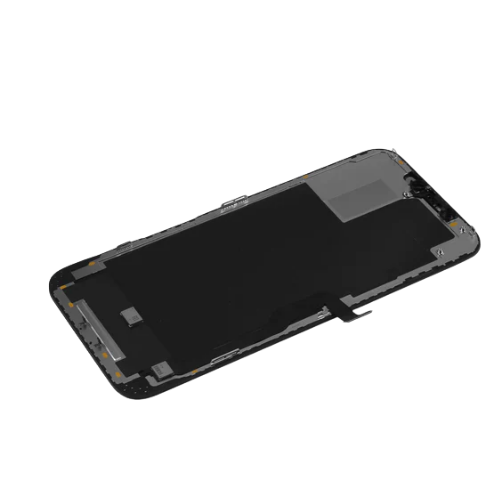
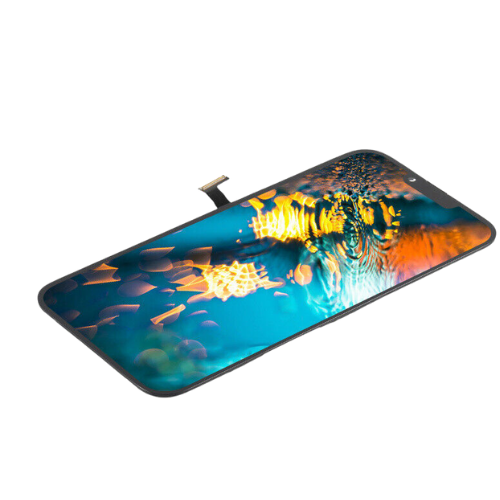
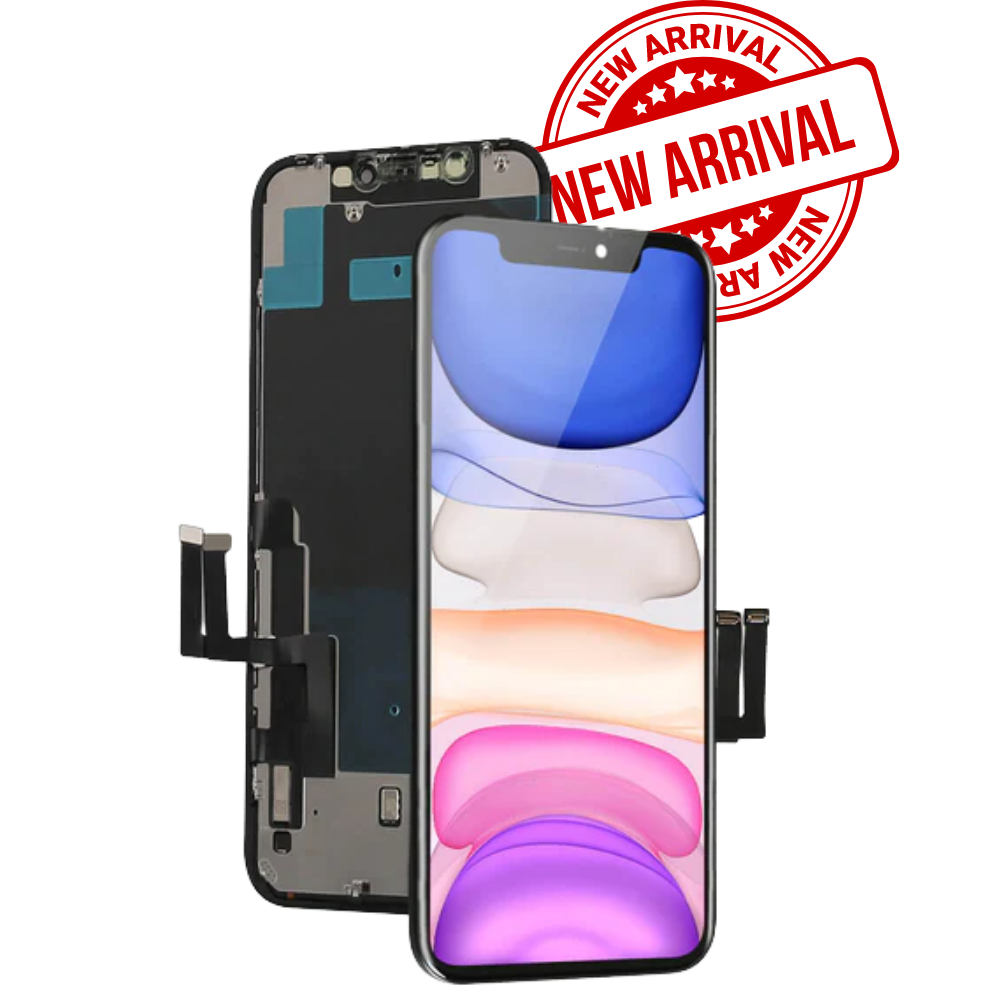
De asemenea, este important să confirmați dacă ecranul include ansamblu display complet sau doar panoul LCD în sine. Multe smartphone-uri moderne integrează mai multe componente într-un singur modul, inclusiv afișajul, digitizator tactil, iar uneori chiar cadrul.
Comandarea unei configurații greșite poate duce la probleme costisitoare de inventar.
3.2 Calitatea ecranului și tehnologia afișajului
Nu toate ecranele LCD sunt create la fel. Chiar și ecranele proiectate pentru același model de smartphone pot varia foarte mult în calitate, în funcție de producător.
Diferențele comune includ:
- Niveluri de luminozitate
- Precizia culorii
- Reactivitatea la atingere
- Durabilitatea sticlei
- Eficiența puterii
De exemplu, Panourile LCD LTPS oferă de obicei o luminozitate mai bună și un consum mai mic de energie în comparație cu panourile LCD TFT tradiționale. Higher-end LCD variants may also support faster refresh rates or improved color performance.
When sourcing screens in bulk, it’s critical to request samples before committing to large orders. Testing a few units can reveal important quality differences that might not appear in supplier specifications.
3.3 Supplier Reliability and Manufacturing Standards
Choosing the right supplier is perhaps the most important decision in the entire procurement process. A good supplier doesn’t just provide products—they provide consistency, fiabilitate, and long-term support.
La evaluarea furnizorilor, buyers should consider several factors:
- Manufacturing certifications
- Production capacity
- Quality control processes
- Industry reputation
- Politici de garanție
Large manufacturers typically have stricter quality control systems, including automated inspection and display testing. Fabricile mai mici pot oferi prețuri mai mici, dar ar putea avea standarde de producție inconsecvente.
În achiziție în vrac, fiabilitatea este adesea mai valoroasă decât prețul cel mai mic.
4. Înțelegerea diferitelor tipuri de panouri LCD pentru smartphone-uri
4.1 Panouri TFT-LCD
Panourile TFT-LCD sunt printre cele mai utilizate tehnologii de afișare în industria smartphone-urilor. Ei folosesc tehnologia tranzistorului cu peliculă subțire pentru a controla pixelii individuali, permițând luminozitate și timpi de răspuns mai buni în comparație cu modelele LCD mai vechi.
Ecranele LCD TFT sunt utilizate în mod obișnuit în smartphone-urile de bază, datorită accesibilității și procesului de producție stabil.. Deși este posibil să nu ofere aceeași profunzime de culoare ca afișajele OLED, oferă performanțe fiabile la un cost mult mai mic.
Pentru companiile care aprovizionează ecrane în vrac, Panourile LCD TFT rămân una dintre cele mai economice opțiuni.
4.2 Tehnologie LTPS LCD
LTPS (Siliciu policristalin la temperatură joasă) Panourile LCD reprezintă o îmbunătățire semnificativă față de afișajele TFT tradiționale. Ele oferă o mobilitate mai mare a electronilor, ceea ce permite o rezoluție mai mare, consum redus de energie, și module de afișare mai subțiri.
Aceste ecrane sunt adesea folosite în smartphone-urile de gamă medie, deoarece oferă o calitate vizuală mai bună, menținând în același timp eficiența costurilor.
Din perspectiva achizițiilor, Panourile LTPS sunt puțin mai scumpe decât ecranele LCD de bază, dar adesea oferă o satisfacție mai bună a clienților pe termen lung.
4.3 IGZO și panouri LCD avansate
IGZO (Indiu Galiu Zinc Oxid) Tehnologia LCD este o altă opțiune avansată folosită în dispozitivele de ultimă generație. Panourile IGZO oferă o eficiență energetică excelentă și rate de reîmprospătare îmbunătățite, făcându-le potrivite pentru dispozitivele care necesită performanțe grafice fluide.
Deși mai puțin obișnuit decât panourile LCD standard, Tehnologia IGZO câștigă popularitate pe anumite dispozitive mobile și tablete.
Pentru cumpărătorii care au nevoie de performanță LCD premium fără costul OLED, Panourile IGZO pot fi o opțiune atractivă.
5. Tendințele prețurilor și costurile pieței în 2026
5.1 Factori de preț cu ridicata
Prețurile ecranului LCD variază în funcție de mai mulți factori:
| Factor | Impactul asupra prețului |
|---|---|
| Dimensiunea ecranului | Ecranele mai mari costă mai mult |
| Tehnologia panourilor | Panourile LTPS și IGZO costă mai mult |
| Volumul comenzii | Volumul mai mare reduce costurile |
| Compatibilitate cu marca | Modelele de telefoane populare pot costa mai mult |
| Condițiile lanțului de aprovizionare | Lipsa componentelor afectează prețul |
Cumpărătorii în vrac negociază de obicei prețurile direct cu producătorii sau cu marii distribuitori. Stabilirea de relații pe termen lung are ca rezultat adesea reduceri mai bune și aprovizionare prioritară.
5.2 Impactul schimbărilor lanțului global de aprovizionare
Industria smartphone-urilor s-a confruntat cu schimbări semnificative în lanțul de aprovizionare în ultimii ani. Costurile în creștere ale componentelor și schimbările globale de producție au afectat prețurile și disponibilitatea afișajelor.
Analiștii din industrie prevăd că livrările de smartphone-uri ar putea scădea semnificativ 2026 datorita cresterii costurilor componentelor, în special cipurile de memorie.
Când producția smartphone-ului încetinește, Producătorii de afișaje redirecționează adesea producția către piese de schimb și cererea pieței de schimb. Această dinamică poate crea uneori oportunități de prețuri favorabile pentru cumpărătorii în vrac.
Înțelegerea acestor cicluri industriale poate ajuta companiile să-și cronostreze achizițiile în mod strategic.
6. Controlul calității și testarea înainte de expediere
6.1 Inspecție vizuală și testare pixeli
Controlul calității este esențial atunci când achiziționați ecrane LCD în vrac. Chiar și fabricile de înaltă calitate produc ocazional panouri defecte, deci este necesară testarea sistematică.
Procedurile comune de inspecție includ:
- Verificări pixeli morți
- Teste de uniformitate a culorii
- Evaluarea luminozității
- Verificarea zgârieturilor la suprafață
Aceste teste vă ajută să vă asigurați că ecranele defecte sunt identificate înainte de expediere.
6.2 Testare funcțională pentru modulele tactile
Ecranele moderne ale smartphone-urilor integrează atât funcționalitatea de afișare, cât și funcționalitatea tactilă. Aceasta înseamnă că testarea trebuie să includă:
- Sensibilitate la atingere
- Precizie multi-touch
- Viteza de raspuns
- Fiabilitatea conectorului
Furnizorii profesioniști oferă adesea rapoarte de testare pentru fiecare lot, care îi ajută pe cumpărători să verifice calitatea înainte de livrare.
7. Logistică, Ambalare, și prevenirea daunelor
Ecranele LCD sunt componente extrem de fragile. Ambalarea sau expedierea necorespunzătoare pot provoca cu ușurință fisuri, urme de presiune, sau deteriorarea conectorului.
Furnizorii de încredere folosesc de obicei ambalaje de protecție, cum ar fi:
- Saci antistatici
- Captuseala din spuma
- Cutii de carton armate
Ambalarea adecvată reduce semnificativ daunele de transport, în special pentru transporturile internaționale.
8. Riscuri comune atunci când cumpărați ecrane LCD în vrac
Achizițiile în vrac implică anumite riscuri pe care cumpărătorii ar trebui să le ia întotdeauna în considerare.
Cele mai frecvente probleme includ:
- Primirea de ecrane de calitate inferioară decât cea anunțată
- Compatibilitate incorectă a modelului
- Daune de transport
- Întârzieri în livrarea furnizorului
Atenuarea acestor riscuri necesită o evaluare atentă a furnizorilor, specificații clare ale produsului, și testare amănunțită.
9. Cele mai bune practici pentru relațiile pe termen lung cu furnizorii
Companiile care cumpără în mod regulat ecrane LCD beneficiază de parteneriate pe termen lung cu furnizori de încredere. În loc să schimbați constant furnizorii pentru diferențe mici de preț, construirea de relații stabile duce adesea la rezultate mai bune.
Furnizorii de încredere oferă avantaje precum:
- Programare prioritară a producției
- Acorduri stabile de prețuri
- Control mai bun al calității
- Comunicare mai rapidă
Peste orar, această abordare de parteneriat reduce riscurile de achiziție și îmbunătățește eficiența generală a afacerii.
Concluzie
Achiziționarea în vrac de ecrane LCD pentru telefoane mobile în 2026 necesită un echilibru atent al managementului costurilor, controlul calitatii, și fiabilitatea furnizorului. În timp ce industria display-urilor continuă să evolueze către tehnologia OLED, Ecranele LCD rămân o componentă critică a ecosistemului smartphone-ului, în special în reparații, recondiționare, și piețele de dispozitive de gamă medie.
Înțelegerea diferitelor tehnologii de panouri, verificarea compatibilităţii, iar selectarea furnizorilor de încredere sunt pași esențiali pentru o achiziție de succes. Afacerile care abordează aprovizionarea în mod strategic pot asigura o aprovizionare stabilă, mentine calitatea produsului, și să-și protejeze marjele de profit.
Pe o piață globală, livrează miliarde de afișaje în fiecare an, deciziile inteligente de cumpărare fac diferența între o funcționare bună și greșeli costisitoare de inventar.
Întrebări frecvente
1. De ce ecranele LCD sunt încă utilizate pe scară largă în smartphone-uri?
Ecranele LCD rămân populare deoarece sunt mai ieftine de fabricat și oferă performanțe fiabile. Multe smartphone-uri de buget și de gamă medie continuă să folosească tehnologia LCD.
2. Care este cantitatea minimă pentru achizițiile în vrac LCD?
Cantitățile minime de comandă variază în funcție de furnizor, dar de obicei variază de la 100 la 1,000 unități în funcție de modelul ecranului și producător.
3. Cum pot cumpărătorii să verifice calitatea ecranului LCD înainte de a comanda cantități mari?
Solicitarea mostrelor de produse și efectuarea testelor de compatibilitate și performanță este cea mai eficientă modalitate de a evalua calitatea ecranului.
4. Care țări produc majoritatea ecranelor LCD pentru smartphone-uri?
China domină capacitatea globală de producție LCD și furnizează un procent mare din ecranele smartphone-urilor din lume.
5. Ecranele OLED înlocuiesc complet LCD-ul?
Tehnologia OLED crește rapid, mai ales la smartphone-urile premium, dar ecranele LCD rămân utilizate pe scară largă în dispozitivele accesibile și pe piața reparațiilor.