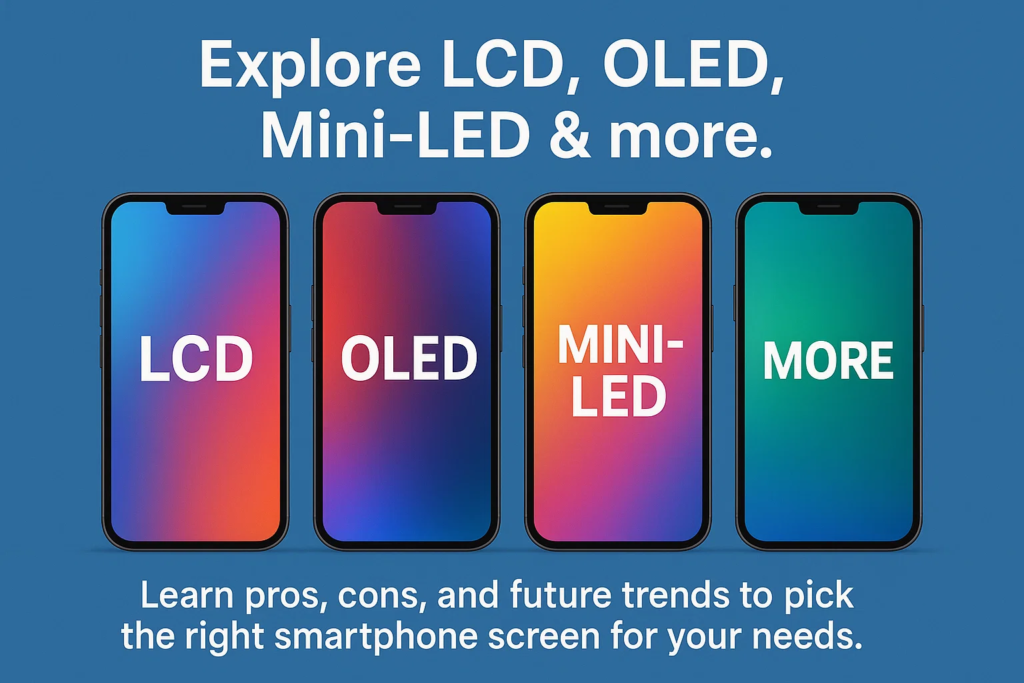
Inleiding – Waarom schermtechnologie belangrijk is
Denk na over het eerste wat je opvalt als je je telefoon ontgrendelt. Het is het scherm: uw venster naar apps, spellen, films, en alles daar tussenin. Nog, wanneer mensen een nieuw apparaat kopen, ze horen meestal maar twee woorden: LCD En OLED. Klinkt eenvoudig, rechts? Maar de waarheid ligt veel dieper. Binnen deze twee categorieën liggen meerdere subtypen, elk heeft invloed op hoe scherp, kleurrijk, duurzaam, en zelfs hoe batterijvriendelijk uw telefoon aanvoelt. Laten we het stap voor stap opsplitsen.
De basisprincipes van smartphoneschermen
Wat is een weergavepaneel?
Een smartphonescherm is meer dan alleen glas. Onder het oppervlak zit de weergavepaneel, de echte magiemaker die verantwoordelijk is voor het tonen van elke pixel.
De rol van tegenlicht vs. Zelf-emitterende technologie
Het belangrijkste verschil tussen weergavetypen komt hierop neer:
- LCD's hebben achtergrondverlichting nodig (als een lamp die van achteren schijnt).
- OLED's zijn zelf-emitterend, wat betekent dat elke pixel vanzelf oplicht.
Deze fundamentele splitsing beïnvloedt al het andere: de dikte, stroomverbruik, en beeldkwaliteit.
LCD-technologie uitgelegd
Hoe LCD werkt
LCD staat voor Vloeibare kristalweergave. De vloeibare kristallen zenden zelf geen licht uit; in plaats van, ze bepalen hoeveel tegenlicht er doorlaat om een beeld te vormen.
IPS LCD – Evenwichtige kleuren en kijkhoeken
- IPS (Schakelen in het vlak) LCD's zijn populair vanwege hun consistente kleuren en brede kijkhoeken.
- Gebruikt in veel telefoons uit het middensegment, ze bieden een goed evenwicht tussen prijs en kwaliteit.
TFT LCD – Betaalbaar maar beperkt
- Tft (Dunne-film transistor) LCD's zijn goedkoper om te maken, maar hebben kleinere kijkhoeken en minder levendige kleuren.
- Vaak te vinden in budgetmodellen.
OLED-technologie uitgelegd
Hoe OLED werkt
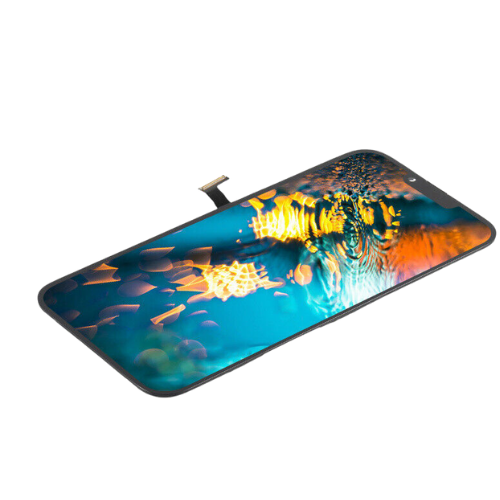
OLED staat voor Organische lichtemitterende diode. Hier, elke pixel is een kleine lichtbron. Als het uit is, de pixel is echt zwart. Daarom kunnen OLED's een verbluffend contrast leveren.
Stijve OLED – Duurzaam maar dik
- Gebouwd op een glazen substraat.
- Betaalbaarder dan flexibele OLED's, maar voegt wat dikte toe aan het apparaat.
Flexibele OLED – dun, Gebogen, en Premie
- Gemaakt op een kunststof substraat, waardoor buig- en zelfs opvouwbare ontwerpen mogelijk zijn.
- Lichter en dunner, veel gebruikt in high-end vlaggenschepen zoals Samsung Galaxy en iPhones.
Belangrijkste verschillen tussen LCD en OLED
Dikte en flexibiliteit
- LCD: Volumineuzer vanwege achtergrondverlichtingslagen.
- OLED: Kan extreem dun zijn, bijzonder flexibele versies.
Weergavekwaliteit – Kleuren en contrast
- LCD: Goede helderheid, maar zwarten zien er grijsachtig uit.
- OLED: Echte zwarten, rijker contrast, en vaak meer verzadigde kleuren.
Stroomverbruik
- LCD: Achtergrondverlichting is altijd aan → hoger energieverbruik.
- OLED: Bespaart energie bij het weergeven van donkere inhoud (omdat zwarte pixels zijn uitgeschakeld).
Kosten en productiecomplexiteit
- LCD: Goedkoper en gemakkelijker in massa te produceren.
- OLED: Duurder, vooral flexibele OLED's, vanwege complexe productie.
Algemene connectorstijlen (“Flexkabels”)
Wat is een flexkabel?
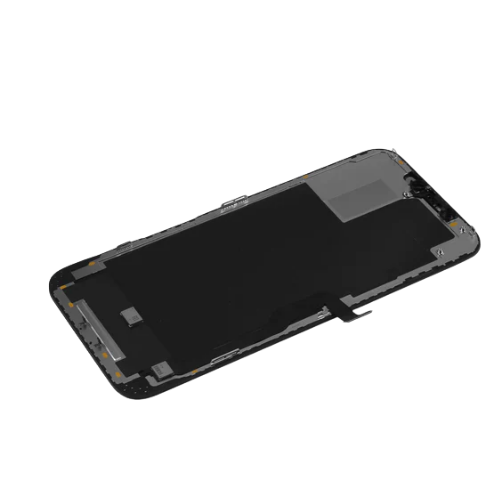
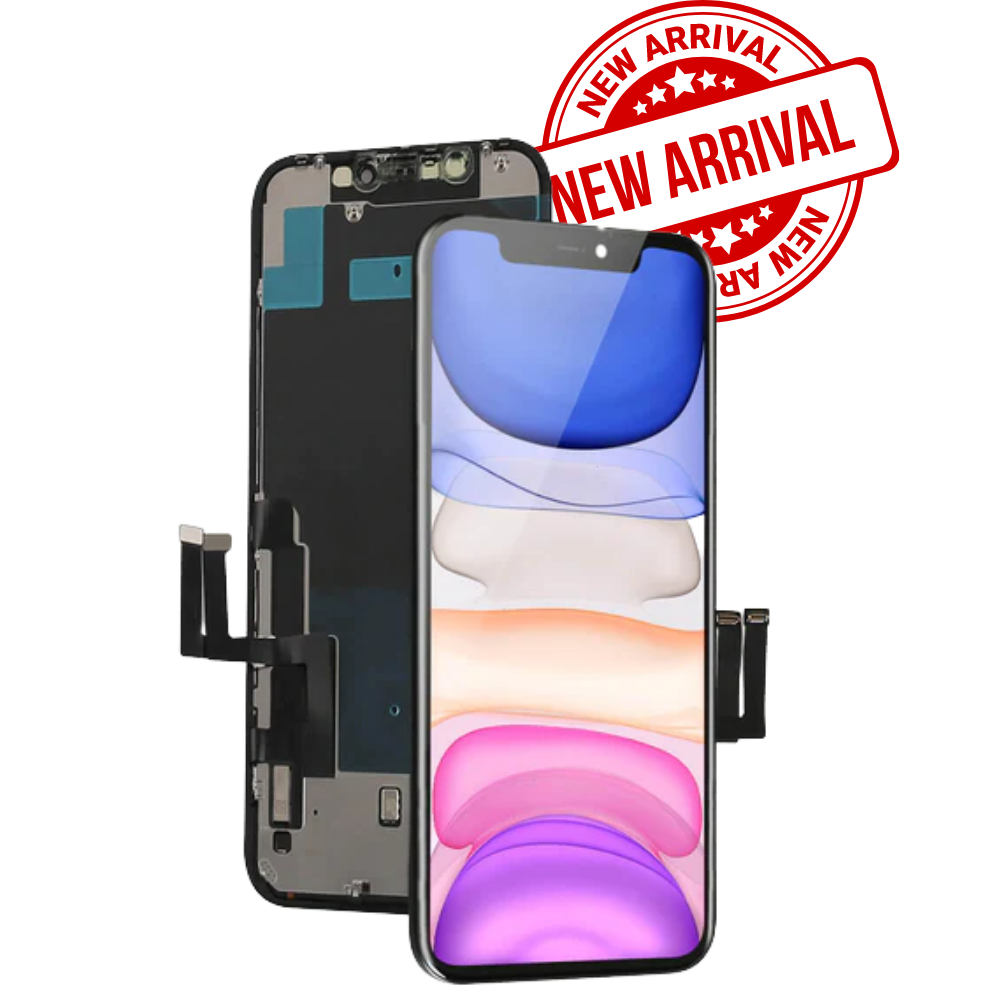
De flexibele kabel is als het bloedvat dat het scherm verbindt met het moederbord van de telefoon. Zonder, geen enkel displaysignaal of aanraakinvoer zou werken.
Typische stijlen in LCD
- Gebruikelijk enkele flex-connectoren onderaan.
- Eenvoudiger en goedkoper te vervangen.
Typische stijlen in OLED
- Vaak L-vormige of dual flex-ontwerpen.
- Nodig voor dunner, gebogen, of opvouwbare displays.
- Reparaties kunnen lastiger en duurder zijn.
Voors en nadelen van elk schermtype
LCD-voordelen en nadelen
- ✅Betaalbaarder
- ✅ Buiten vaak helderder
- ❌ Dikker en zwaarder
- ❌ Zwakker contrast
OLED-voordelen en nadelen
- ✅ Slank, lichtgewicht, premium uitstraling
- ✅ Superieur contrast en levendige kleuren
- ✅ Energiezuinig met donkere thema's
- ❌ Kostbaarder
- ❌ Risico op inbranden na verloop van tijd
Misvattingen over schermkwaliteit
Hogere prijs ≠ Altijd beter
Niet elke OLED verslaat automatisch een LCD. Een hoogwaardig IPS LCD-scherm kan qua consistentie en duurzaamheid beter presteren dan een low-tier OLED.
Duurzaamheid versus. Weergaveprestaties
Stijve OLED's kunnen gemakkelijker barsten in vergelijking met geharde LCD's. Flexibele OLED's buigen, maar kunnen op de vouw kwetsbaar zijn.
Toekomst van smartphoneschermen
Mini-LED en Micro-LED
- Mini-LED gebruikt duizenden kleine achtergrondverlichtingszones voor een beter contrast.
- Micro-LED combineert OLED-achtige zelfuitstoot met een langere levensduur – gezien als de ‘heilige graal’ van toekomstige beeldschermen.
Opkomende flexibele en opvouwbare schermen
Verwacht meer opvouwbare en oprolbare telefoons, naarmate flexibele OLED-technologie volwassener wordt.
Conclusie – Kies het juiste scherm voor uw behoeften
Aan het einde van de dag, geen enkel schermtype is perfect. LCD's winnen qua betaalbaarheid en helderheid, OLED's schitteren in kleur en dunheid, en toekomstige technologie zoals Micro-LED kan het beste van twee werelden combineren. Bij het kiezen, denk na over uw behoeften: Bent u een prijsbewuste gebruiker?, een gamer die verlangt naar levendige beelden, of iemand die gewoon de dunste telefoon wil? Het schermtype is belangrijker dan je denkt.
FAQ's
Q1: Wat beter is voor gamen, LCD- of OLED-scherm?
OLED zorgt doorgaans voor diepere zwarttinten en vloeiendere beelden, maar een hoogwaardig IPS LCD-scherm kan nog steeds uitstekend zijn voor gamen.
Q2: Doen OLED-schermen de batterij sneller leeg??
Niet altijd. OLED's besparen feitelijk energie bij donkere inhoud, omdat zwarte pixels zijn uitgeschakeld.
Q3: Is scherminbranden nog steeds een groot probleem voor OLED's??
Het kan gebeuren, maar moderne OLED's hebben een betere bescherming. Casual gebruikers merken het zelden.
Q4: Waarom zijn flexibele OLED-telefoons zo duur??
Het productieproces is complex, en de opbrengsten zijn lager, kosten opdrijven.
Q5: Zal Micro-LED binnenkort OLED in smartphones vervangen??
Niet onmiddellijk. Hoewel veelbelovend, Micro-LED is nog steeds te duur voor massale adoptie van smartphones.