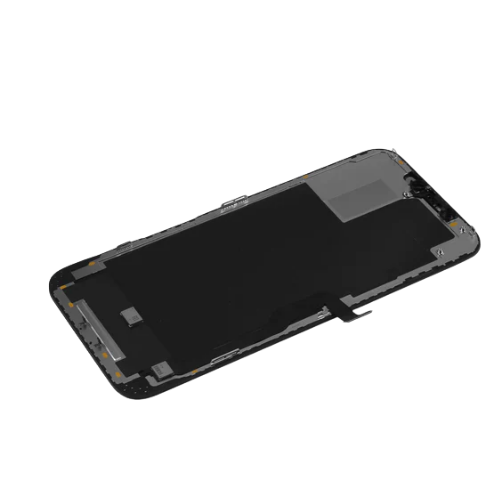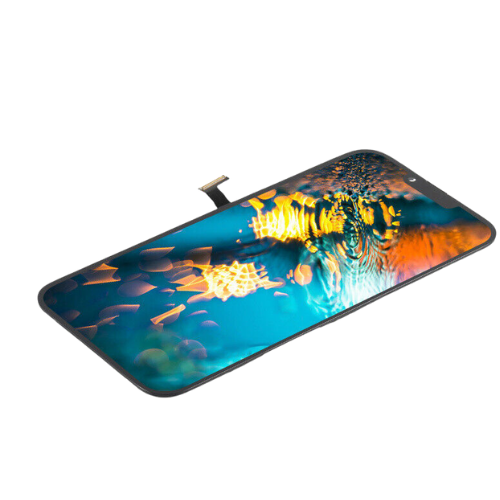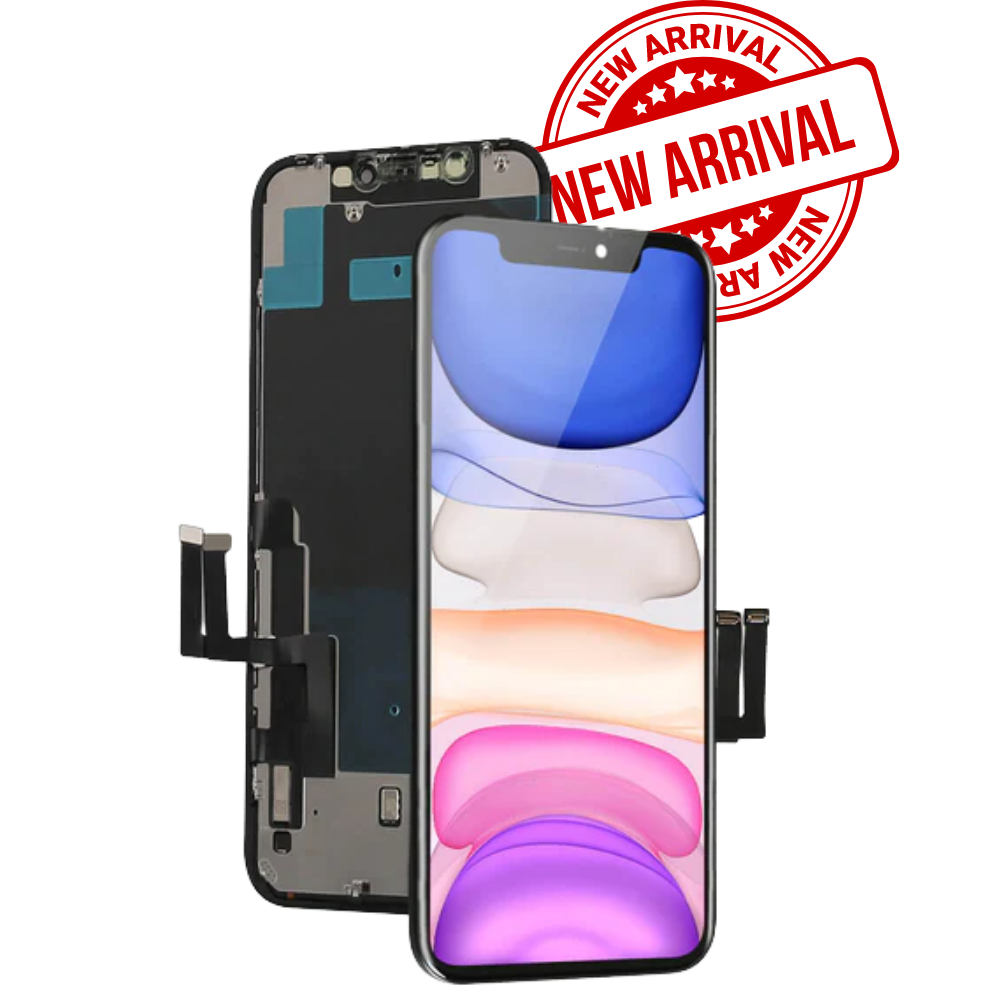

Importarea ecranelor LCD mobile sună simplu, dar în realitate, presupune o manipulare delicată, reguli stricte de ambalare, și proceduri complexe de conformitate. Pentru că ecranele LCD sunt componente fragile și de mare valoare, chiar și o mică greșeală în logistică sau documentare poate duce la deteriorarea mărfurilor, întârzieri vamale, sau costuri neașteptate.
Acest ghid vă prezintă toate cunoștințele esențiale de logistică și conformitate de care aveți nevoie pentru a importa în siguranță și eficient ecrane LCD mobile — de la metodele de ambalare și expediere până la documentația vamală, Codurile HS, și considerații fiscale.
Înțelegerea naturii fragile a ecranelor LCD mobile
Ecranele LCD sunt printre cele mai sensibile componente din industria reparațiilor mobile. Ele pot crăpa sub presiune, a fi deteriorat de electricitatea statică, sau eșuează din cauza umidității.
Riscurile comune în timpul transportului includ:
- Îndoirea ecranului sau micro-fisuri
- ESD (descărcare electrostatică) deteriorarea cipurilor IC
- Pătrunderea umezelii
- Defecte ale pixelilor induse de vibrații
Cu cunoștințele și pregătirea potrivită, majoritatea acestor riscuri pot fi prevenite.
Cerințe de ambalare pentru ecranele LCD mobile
De ce contează ambalajul adecvat
Ecranele LCD sunt extrem de fragile și sensibile la electricitatea statică. Ambalajul de înaltă calitate îi asigură că supraviețuiesc călătoriilor lungi, mai multe puncte de manipulare, și diferite condiții de temperatură.
ESD (Descărcare electrostatică) Protecţie
Dacă electricitatea statică lovește IC-ul tactil al LCD-ului sau IC-ul driverului de afișare, ecranul poate eșua chiar înainte de a-l instala.
Standardele cheie de ambalare ESD includ:
- Saci antistatici (pungi roz sau de ecranare) pentru a preveni acumularea electrostatică
- Spumă sau burete conductiv pentru a proteja cablurile flexibile sensibile
- Materiale de ambalare împământate pentru transporturile manipulate în spații de lucru controlate de ESD
Standarde de ambalare rezistente la șocuri
Pentru a proteja împotriva impactului și vibrațiilor, furnizorii profesioniști de LCD urmează, de obicei, metode de ambalare aprobate de testul de cădere:
- Amortire cu mai multe straturi (spumă, înveliș cu bule, umpluturi ondulate)
- Cutii de ecran individuale pentru a preveni zgârieturile și deteriorarea flexului
- Cutii de carton armate evaluat pentru cel puțin 3-5 straturi
- Structură internă rezistentă la vibrații pentru a preveni mișcarea
Protecție la umiditate și temperatură
Umiditatea poate aburi ecranul, deteriora straturile de iluminare de fundal, sau corodează cablurile flexibile.
Protecțiile recomandate includ:
- Pungi sigilate rezistente la umiditate
- Silicagel / desicanți în interiorul fiecărui pachet
- Cutii de carton sigilate pentru transport maritim
Alegerea corectă a metodei de livrare
Transportul aerian vs. Prezentare generală a transportului maritim
Alegerea metodei corecte de transport afectează costul, viteza de livrare, și nivelurile de risc. Iată o defalcare a ambelor.
Avantajele transportului aerian de marfă
- Cel mai rapid timp de livrare (2-7 zile)
- Risc mai mic de deteriorare prin umiditate și presiune
- Ideal pentru valoare mare, comenzi urgente
Transportul aerian este utilizat pe scară largă pentru ecranele LCD, deoarece produsele sunt mici, aprinde, și fragilă.
Dezavantajele transportului aerian de marfă
- Costuri mai mari, mai ales în perioadele de vârf
- Cerințe de siguranță mai stricte pentru bunuri electronice
- Unele companii aeriene restricționează transporturile de baterii cu litiu, care afectează transporturile combinate
Avantajele transportului maritim
- Mult mai rentabil pentru comenzi în vrac
- Greutate permisă mai mare
Transportul maritim este potrivit pentru reaprovizionarea depozitelor cu volum mare.
Dezavantajele transportului maritim
- Livrare lenta (15–45 zile in functie de destinatie)
- Vibrație mai mare, umiditate, și riscul de temperatură
- Necesită ambalaj mai puternic decât transportul aerian
Elemente esențiale de conformitate pentru import și export
Pentru a evita întârzierile vamale și problemele legale, importatorii trebuie să înțeleagă cerințele de conformitate.
Înțelegerea codului HS pentru LCD-urile mobile
Ecranele LCD mobile folosesc de obicei acest cod HS:
- Cod HS: 8524.91 / 8524.99 (variază în funcție de țară) pentru module de afișare
De ce contează codurile HS:
- Ei determină ratele taxelor de import
- Acestea afectează dacă sunt necesare teste sau certificări suplimentare
- Clasificarea greșită poate duce la amenzi sau reținerea mărfurilor
Documente necesare pentru vămuire
Factură comercială
Conține valoarea produsului, descriere, Incoterms, și informații despre cumpărător/vânzător.
Lista de ambalare
Enumeră cantitățile, greutăți, și detalii cutie.
Certificat de origine
Unele țări îi solicită să stabilească ratele taxelor sau beneficiile în temeiul acordurilor comerciale.
Alte documente posibile
- Licență de import (în regiuni speciale)
- Rapoarte de testare, dacă sunt solicitate
- MSDS (Fișă cu date de securitate a materialelor) pentru anumite materiale electronice
Greșeli frecvente de conformitate de evitat
- Utilizarea codului HS incorect
- Descrieri incomplete sau vagi ale produselor
- Lipsa sau nepotrivirea datelor despre factură și ambalare
- Nu se pregătește un COO atunci când se importă în regiunile care necesită acest lucru
Îndatoriri, Tarife, și Politici TVA
Taxe de import pe piețele majore
- Statele Unite: Multe module LCD intră cu 0-5% taxă, in functie de clasificare.
- Uniunea Europeană: Aproximativ 0–14%, în funcție de tipul afișajului și codul HS.
- Asia de Sud-Est: Variază foarte mult; unele ţări au 0% datorie în temeiul ALS.
Considerații privind TVA și GST
TVA/GST se calculează pe Valoarea CIF (Cost + Asigurare + Marfa) in multe tari.
Rate comune de TVA/GST:
- UE: ≈20%
- Regatul Unit: 20%
- Asia de Sud-Est: 7–12%
Pregătește-te pentru:
- Cerințe de preînregistrare (pentru afaceri)
- Documentatie pentru solicitarea reducerilor de TVA
Sfaturi pentru a reduce costurile de import din punct de vedere legal
- Utilizare depozitare în depozit a amâna plata taxelor
- Consolidați expedierile pentru a reduce costul de transport
- Colaborați cu furnizorii pentru a optimiza valorile declarate în limitele legale
Cele mai bune practici pentru importuri fluide și sigure de ecrane LCD
- Păstrați clar, comunicare scrisă cu furnizorul
- Cerere Inspecție înainte de expediere (PSI)
- Luați în considerare asigurare de marfă, în special pentru transportul maritim
- Lucrați cu expeditori cu experiență în electronică
Acești pași simpli vă reduc semnificativ riscul de import și vă protejează investiția.
Concluzie
Importarea ecranelor LCD mobile nu înseamnă doar cumpărare și expediere; necesită cunoștințe solide despre standardele de ambalare, metode de expediere, conformarea vamală, și politici fiscale. Cu o pregătire corespunzătoare—protecție ESD, ambalaj rezistent la socuri, codurile HS corecte, documente clare, și modul de transport potrivit - vă asigurați că ecranele dvs. ajung în siguranță, la timp, și fără costuri inutile.
Înțelegerea și aplicarea acestor elemente fundamentale ale logisticii și conformității este cheia pentru construirea unui stabil, eficient, și afaceri de import profitabile.
Întrebări frecvente
1. Care este cea mai bună metodă de livrare pentru ecranele LCD mobile?
Transportul aerian este cel mai frecvent din cauza vitezei și a riscului de deteriorare mai mic.
2. Ecranele LCD mobile au nevoie de protecție ESD în timpul transportului?
Da, Ambalajul antistatic este esențial pentru a preveni defectarea cipurilor.
3. Ce cod HS ar trebui să folosesc pentru ecranele LCD mobile?
De obicei 8524.91 sau 8524.99, dar verificați întotdeauna cu autoritatea vamală locală.
4. Transportul maritim este sigur pentru ecranele LCD?
Da, dar numai cu ambalaje rezistente la umiditate și șocuri.
5. Ce documente sunt necesare pentru import?
Factură comercială, Lista de ambalare, și certificatul de origine sunt cele mai comune.