Invoering
Het goede kiezen iPhone-vervangingsscherm is niet langer zo eenvoudig als het selecteren van de goedkoopste beschikbare optie. De afgelopen jaren, de aftermarket heeft zich snel ontwikkeld, het aanbieden van meerdere displaytechnologieën die zijn ontworpen om aan verschillende klantverwachtingen en bedrijfsmodellen te voldoen. Reparatiewerkplaatsen, groothandelaren, opknappers, en distributeurs staan nu voor een belangrijke beslissing tussen Flexibele OLED (Zachte OLED) En Harde OLED, twee producten die op het eerste gezicht hetzelfde lijken, maar bij dagelijks gebruik heel anders presteren.
Als u een reparatiebedrijf exploiteert, uw reputatie hangt sterk af van de kwaliteit van elk vervangend scherm dat u installeert. Klanten verwachten levendige kleuren, responsieve aanraakgevoeligheid, hoge helderheid, en duurzaamheid op lange termijn. Het installeren van een inferieur beeldscherm kan in eerste instantie geld besparen, maar het kan leiden tot garantieclaims, klachten van klanten, en verloren zaken. Anderzijds, Door alleen premiumschermen te kopen, kunnen de winstmarges afnemen als uw klanten vooral op zoek zijn naar betaalbare reparaties.
Door de sterke en zwakke punten van elke OLED-technologie te begrijpen, kunnen kopers slimmere aankoopbeslissingen nemen. In deze gids wordt alles uitgelegd, van productietechnologie en displayprestaties tot leveranciersselectie, kwaliteitscontrole, en groothandelsaankoopstrategieën, helpt u zowel de klanttevredenheid als de winstgevendheid te maximaliseren.
Inzicht in de markt voor iPhone-vervangingsschermen
Apple introduceerde OLED-technologie vanaf de iPhone X, de smartphone-display-industrie fundamenteel veranderen. Sindsdien, bijna elke vlaggenschip-iPhone heeft OLED-panelen gebruikt omdat ze een uitzonderlijk contrast bieden, echte zwarten, uitstekende energie-efficiëntie, en dunnere constructie vergeleken met traditionele LCD-schermen. Omdat de vraag naar vervangende schermen is toegenomen, de aftermarket-industrie heeft verschillende alternatieven ontwikkeld die kwaliteit en betaalbaarheid in evenwicht houden.
Vandaag, de vervangingsmarkt bestaat doorgaans uit vijf categorieën:
| Schermtype | Kwaliteit | Prijs | Beste voor |
|---|---|---|---|
| OEM-origineel | Uitstekend | Hoogste | Premium reparaties |
| Gerenoveerd origineel | Uitstekend | Hoog | Professionele reparatiewerkplaatsen |
| Flexibele (Zacht) OLED | Zeer hoog | Middelhoog | Aftermarket-reparaties van hoge kwaliteit |
| Harde OLED | Goed | Medium | Budgetbewuste klanten |
| Incell-LCD | Basis | Laagste | Economische reparaties |
Elke categorie bedient een ander klantensegment. Premium-gebruikers geven meestal de voorkeur aan OEM- of gereviseerde originele beeldschermen, terwijl de meeste onafhankelijke reparatiewerkplaatsen sterk afhankelijk zijn van Soft OLED omdat het de originele kijkervaring van Apple nauwkeurig nabootst tegen veel lagere kosten. Harde OLED is populair geworden onder groothandelaren die opkomende markten bedienen waar betaalbaarheid vaak belangrijker is dan het behalen van prestaties op fabrieksniveau.
Wat is flexibel (Zacht) OLED?
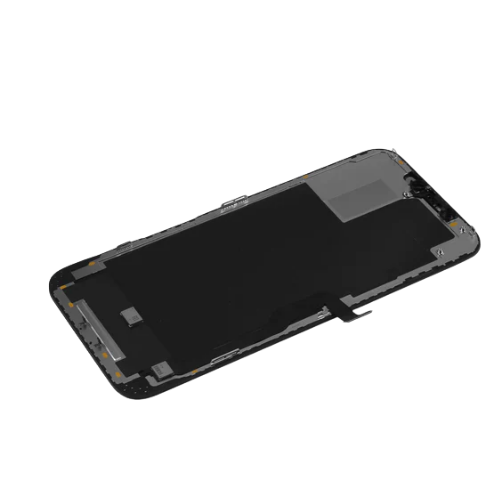
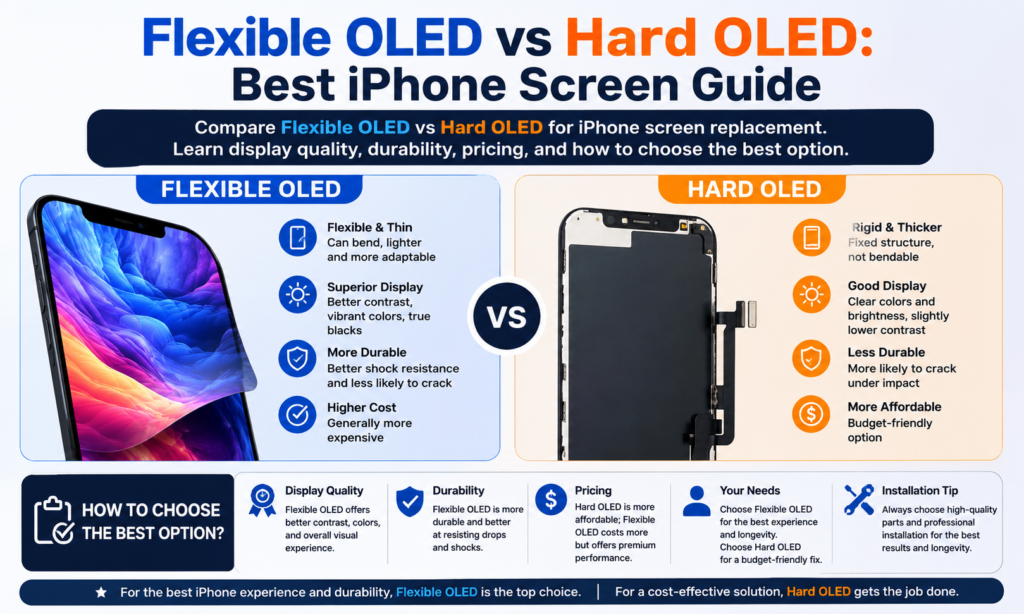
Flexibele OLED, gewoonlijk genoemd Zachte OLED, gebruikt een kunststof substraat in plaats van glas. Deze flexibele basis zorgt ervoor dat het beeldschermpaneel licht kan buigen, waardoor het opmerkelijk veel lijkt op de OLED-panelen die oorspronkelijk door Apple zijn geïnstalleerd. Vanwege de constructie, Zachte OLED biedt dunnere afmetingen, verbeterde schokbestendigheid, en eenvoudiger installatie vergeleken met starre alternatieven.
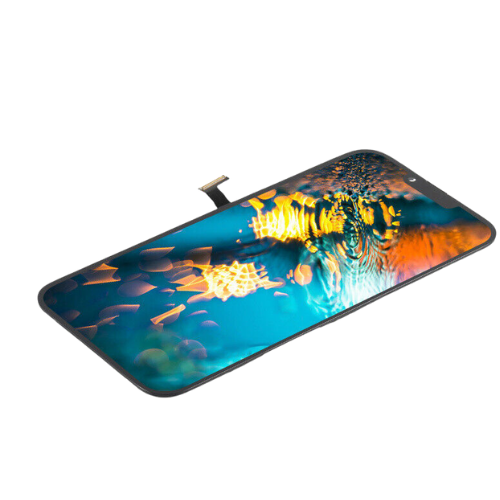
Een van de grootste voordelen zijn de weergaveprestaties. Kleuren zien er levendig en natuurlijk uit, zwartniveaus blijven perfect diep, en de helderheid ligt doorgaans zeer dicht bij de originele Apple-specificaties. Kijkhoeken blijven consistent, video's maken, spellen, en foto's zien er bijna identiek uit als de foto's die worden weergegeven op in de fabriek geïnstalleerde schermen.
Professionele technici waarderen Soft OLED ook omdat de installatie minder stressvol is. Het flexibele paneel is vergevingsgezinder tijdens de montage, waardoor de kans op onbedoeld barsten wordt verkleind terwijl het scherm in het telefoonframe wordt geplaatst. Dit vertaalt zich in lagere installatierisico's en minder garantieretouren.
Al kost Soft OLED meer dan Hard OLED, veel groothandels vinden de extra investering de moeite waard omdat de klanttevredenheid aanzienlijk hoger blijft. Premium reparatiewerkplaatsen adverteren Soft OLED vaak als hun standaard vervangingsoptie, omdat het een uitstekende balans biedt tussen prijs en prestatie. Koopgidsen uit de branche identificeren Soft OLED consequent als het aftermarket-alternatief dat het dichtst in de buurt komt van originele Apple-beeldschermen, met ongeveer 90-95% van de oorspronkelijke visuele ervaring.
Wat is harde OLED?
Harde OLED is een andere veelgebruikte weergavetechnologie in de aftermarket-iPhone-reparatie-industrie. In tegenstelling tot flexibele OLED, Harde OLED wordt vervaardigd met behulp van een stevig glazen substraat, waardoor het paneel een stevige structuur krijgt, maar de flexibiliteit aanzienlijk wordt verminderd. Dit productieproces maakt harde OLED goedkoper om te produceren, waardoor groothandels en reparatiewerkplaatsen goedkopere schermvervangingen kunnen aanbieden aan klanten die prijs belangrijker vinden dan premium schermprestaties.
Een van de belangrijkste redenen waarom Hard OLED aan populariteit heeft gewonnen, is de uitstekende prijs-prestatieverhouding. Vergeleken met traditionele Incell LCD-schermen, Harde OLED zorgt voor diepere zwarttinten, hogere contrastverhoudingen, en levendigere kleuren omdat elke OLED-pixel zijn eigen licht uitstraalt. Gebruikers die overstappen van LCD merken meestal een dramatische verbetering in de beeldkwaliteit. Voor reparatiebedrijven die actief zijn in zeer competitieve markten, Harde OLED biedt een aantrekkelijke oplossing die de kloof overbrugt tussen budget-LCD's en hoogwaardige zachte OLED-panelen.
Er zijn, Echter, verschillende afwegingen die kopers moeten begrijpen voordat ze bulkbestellingen plaatsen. Omdat het glazen substraat niet kan buigen, Harde OLED-panelen zijn over het algemeen dikker dan flexibele OLED-schermen. Tijdens de installatie, technici moeten grotere voorzichtigheid betrachten, omdat overmatige druk rond de randen het scherm kan doen barsten. De stijve constructie maakt het scherm ook iets minder bestand tegen vallen en stoten na installatie. Terwijl de huidige productieprocessen aanzienlijk zijn verbeterd, Harde OLED-panelen reproduceren nog steeds niet perfect het dunne profiel en de flexibiliteit van de originele beeldschermen van Apple.
Ondanks deze beperkingen, Harde OLED blijft wereldwijd een van de best verkochte aftermarket-opties. Veel groothandels leveren Hard OLED-displays om kettingen te repareren, distributeurs, en online retailers omdat ze betrouwbare kwaliteit bieden tegen een concurrerende groothandelsprijs. Voor klanten die op zoek zijn naar een betaalbare reparatie zonder terug te keren naar LCD-technologie, Harde OLED vertegenwoordigt een uitstekend compromis tussen kosten en visuele prestaties.
Flexibele OLED versus harde OLED-vergelijking
De keuze tussen flexibele OLED en harde OLED hangt uiteindelijk af van uw doelgroep, reparatie normen, en bedrijfsstrategie. Beide technologieën maken gebruik van OLED-pixels die uitzonderlijk contrast en echte zwarttinten kunnen produceren, toch creëren hun productiemethoden merkbare verschillen in duurzaamheid, installatie, en algemene gebruikerservaring.
Weergavekwaliteit
Flexibele OLED biedt over het algemeen de visuele ervaring die het dichtst in de buurt komt van een origineel Apple-display. De helderheidsniveaus zijn hoger, kleurreproductie is nauwkeuriger, en de kijkhoeken blijven vanuit vrijwel elke richting consistent. Blanken zien er schoner uit, zwarten blijven perfect diep, en HDR-inhoud ziet er rijker uit. Professionele reparatiewerkplaatsen die zich richten op premium service raden Soft OLED vaak aan omdat klanten minder snel een verschil merken vergeleken met het in de fabriek geïnstalleerde scherm.
Harde OLED produceert bovendien een uitstekende beeldkwaliteit, vooral in vergelijking met Incell LCD-alternatieven. Kleuren blijven levendig, en het contrast is aanzienlijk beter dan bij LCD-technologie. Echter, kleine verschillen in maximale helderheid, kleurkalibratie, en de uniformiteit van het scherm kan merkbaar worden als het naast elkaar wordt vergeleken met een origineel Apple-scherm of een hoogwaardig flexibel OLED-paneel.
Duurzaamheid
Flexibele OLED heeft een duidelijk voordeel op het gebied van duurzaamheid dankzij het plastic substraat. Het display kan kleine schokken effectiever opvangen, waardoor het risico op barsten tijdens installatie en dagelijks gebruik wordt verminderd. Deze flexibiliteit stelt fabrikanten ook in staat dunnere beeldschermen te bouwen die beter aansluiten bij het oorspronkelijke ontwerp van Apple.
De stijve glasconstructie van Hard OLED maakt het gevoeliger voor breuken onder overmatige belasting. Terwijl modern beschermglas de duurzaamheid heeft verbeterd, technici melden over het algemeen een hoger breukpercentage tijdens de installatie vergeleken met flexibele OLED.
Installatie moeilijkheidsgraad
Installatie is een ander belangrijk aandachtspunt voor groothandels die aan reparatiebedrijven leveren. Flexibele OLED-panelen passen op natuurlijke wijze in het iPhone-frame, waardoor de installatie eenvoudiger wordt en de kans op accidentele schade wordt verminderd. Dit lagere installatierisico vertaalt zich vaak in lagere arbeidskosten en minder garantieclaims.
Harde OLED-panelen vereisen extra zorg tijdens de installatie. Omdat het paneel niet kan buigen, technici moeten voorkomen dat ze draaien of ongelijkmatige druk uitoefenen. Winkels met ervaren technici kunnen nog steeds uitstekende resultaten behalen, maar onervaren installateurs lopen mogelijk een hoger risico op accidentele schade.
Prijsvergelijking
Het grootste voordeel van Hard OLED is ongetwijfeld de betaalbaarheid. Groothandelsprijzen variëren doorgaans tussen 20% En 40% lager dan vergelijkbare flexibele OLED-schermen, hoewel de werkelijke prijzen variëren afhankelijk van het model, kwaliteitsklasse, bestelhoeveelheid, en leverancier.
| Functie | Flexibele OLED | Harde OLED |
|---|---|---|
| Weergavekwaliteit | ★★★★★ | ★★★★☆ |
| Helderheid | Uitstekend | Erg goed |
| Kleurnauwkeurigheid | Uitstekend | Goed |
| Installatie | Makkelijker | Gematigd |
| Dikte | Dunner | Iets dikker |
| Duurzaamheid | Beter | Goed |
| Groothandelsprijs | Hoger | Lager |
| Klanttevredenheid | Zeer hoog | Hoog |
Voor reparatiewerkplaatsen die premiumklanten bedienen, Flexibele OLED levert vaak de beste waarde op de lange termijn dankzij lagere garantieclaims en een grotere klanttevredenheid. Bedrijven richtten zich op grote volumes, prijsgevoelige markten vinden harde OLED wellicht de meest winstgevende optie.
Welke iPhone-modellen gebruiken OLED?
Door te begrijpen welke iPhone-modellen zijn uitgerust met OLED-schermen kunnen groothandelaren hun voorraad effectiever beheren en klanten compatibele vervangende schermen aanbevelen. Apple begon met de overstap naar OLED-technologie iPhone X in 2017, en tegenwoordig zijn bijna alle vlaggenschip-iPhone-modellen voorzien van OLED-schermen.
De volgende tabel geeft een overzicht van de weergavetechnologieën die in recente iPhone-generaties zijn gebruikt:
| iPhone-model | Originele weergavetechnologie | Aanbevolen aftermarket-vervanging |
| iPhone X | OLED | Flexibele OLED |
| iPhone XS / XSMax | OLED | Flexibele OLED |
| iPhone 11 Pro / ProMax | OLED | Flexibele OLED |
| iPhone 12 Serie | OLED | Flexibele of harde OLED |
| iPhone 13 Serie | OLED | Flexibele of harde OLED |
| iPhone 14 Serie | OLED | Flexibele of harde OLED |
| iPhone 15 Serie | OLED | Premium flexibele OLED |
| iPhone 16 Serie | OLED | Premium flexibele OLED |
Reparatiewerkplaatsen moeten ook rekening houden met de verwachtingen van klanten bij het aanbevelen van vervangende schermen. Eigenaars van nieuwere vlaggenschipmodellen verwachten over het algemeen dat de weergavekwaliteit zeer dicht bij het origineel ligt, waardoor flexibele OLED de voorkeursoptie wordt. Oudere apparaten of budgetreparaties zijn mogelijk beter geschikt voor harde OLED, waarbij kostenbesparingen vaak de doorslaggevende factor zijn.
Terwijl Apple de OLED-technologie blijft verfijnen met helderdere panelen, verbeterde efficiëntie, en verbeterde duurzaamheid, de aftermarket zal naar verwachting op de voet volgen. Fabrikanten investeren zwaar in de productie van zachte OLED-schermen van hogere kwaliteit die de oorspronkelijke gebruikerservaring nabootsen en tegelijkertijd betaalbaar blijven voor groothandelaren en reparatiebedrijven.
Hoe u de schermkwaliteit kunt evalueren vóór aankoop
Het selecteren van de juiste leverancier is slechts de helft van het verhaal. Even belangrijk is het evalueren van de kwaliteit van elk vervangend scherm voordat het uw klanten bereikt. Ervaren groothandelaren en professionele reparatiewerkplaatsen begrijpen dat niet alle OLED-schermen volgens dezelfde normen worden vervaardigd. Zelfs schermen die er op papier identiek uitzien, kunnen aanzienlijk variëren in helderheid, aanraakgevoeligheid, duurzaamheid, en algemene gebruikerservaring.
Helderheid en weergaveprestaties
Helderheid is een van de eerste indicatoren van een hoogwaardig OLED-display. Een premium vervangingsscherm moet helder en leesbaar blijven in direct zonlicht, terwijl de verlichting over het hele paneel consistent blijft. Ongelijkmatige helderheid, zichtbare donkere vlekken, of buitensporige kleurverschuivingen zijn veel voorkomende tekenen van productie van lagere kwaliteit.
Bij het testen van een scherm, onderzoeken:
- Maximale helderheid
- Uniforme kleurverdeling
- Consistentie van het zwartniveau
- Nauwkeurigheid van de witbalans
- Kijkhoeken
Flexibele OLED-panelen van hoge kwaliteit leveren doorgaans helderheidsniveaus die zeer dicht bij de originele beeldschermen van Apple liggen, waardoor ze ideaal zijn voor klanten die een eersteklas visuele ervaring verwachten.
Aanraakgevoeligheid en reactievermogen
Een iPhone-scherm is meer dan alleen een display: het is de primaire interface tussen de gebruiker en het apparaat. Elke veegbeweging, kraan, en gebaren moeten soepel en nauwkeurig aanvoelen. Slechte aanraakprestaties resulteren vaak in vertraagde reacties, geest raakt, of dode zones, wat leidt tot ontevredenheid bij de klant en hogere garantieclaims.
Voordat u in bulk koopt, leveranciers moeten testen:
- Multi-touch-functionaliteit
- Veeg nauwkeurigheid
- Compatibiliteit met Face ID
- Prestaties van de nabijheidssensor
- Omgevingslichtsensorfunctionaliteit
- Aanraaklatentie
Professionele fabrieken voeren tijdens de productie doorgaans meerdere aanraaktests uit om ervoor te zorgen dat elk paneel aan strenge kwaliteitsnormen voldoet.
Kleurnauwkeurigheid
Kleurnauwkeurigheid is een andere essentiële factor, vooral voor klanten die regelmatig video's bekijken, foto's bewerken, of speel mobiele games. Premium OLED-schermen moeten rijk produceren, Levendige kleuren zonder oververzadigd of vervaagd over te komen.
Zoek naar schermen die dat bieden:
- Natuurlijke huidtinten
- Nauwkeurige witbalans
- Breed kleurengamma
- Stabiele kleurconsistentie bij verschillende helderheidsniveaus
Het aanvragen van proefeenheden voordat u grote bestellingen plaatst, is een van de beste manieren om de kleurprestaties onder reële omstandigheden te evalueren.
Een betrouwbare groothandelsleverancier kiezen
Het vinden van een betrouwbare leverancier kan een grotere impact op uw bedrijf hebben dan het kiezen tussen flexibele OLED en harde OLED. Een betrouwbare leverancier levert niet alleen kwaliteitsproducten, maar zorgt ook voor een consistente voorraad, concurrerende prijzen, responsieve after-salesondersteuning, en efficiënte logistiek.
Bij het evalueren van potentiële partners, houd rekening met de volgende factoren:
| Evaluatiecriteria | Waarom het ertoe doet |
|---|---|
| Productie-ervaring | Geeft technische expertise en productiestabiliteit aan |
| Kwaliteitscontroleproces | Vermindert defecte producten en garantieclaims |
| Productcertificeringen | Toont naleving van industrienormen aan |
| Garantiebeleid | Weerspiegelt het vertrouwen van de leverancier in de productkwaliteit |
| Voorraadcapaciteit | Zorgt voor een stabiel aanbod tijdens piekvraag |
| Verzendsnelheid | Minimaliseert stilstand voor reparatiebedrijven |
| Technische ondersteuning | Helpt bij het oplossen van installatie- en compatibiliteitsproblemen |
Voor groothandels en reparatieketens, het opbouwen van een langetermijnrelatie met een vertrouwde fabrikant resulteert vaak in betere prijzen, prioriteitsproductieschema's, en toegang tot de nieuwste displaytechnologieën.
Fabriekscertificeringen
Een professionele beeldschermfabrikant moet opereren onder internationaal erkende kwaliteitsmanagementsystemen. Certificeringen helpen kopers te verifiëren dat productieprocessen gevestigde normen volgen en dat producten consistent worden getest.
Veel voorkomende certificeringen zijn onder meer:
- ISO 9001 voor kwaliteitsmanagement
- RoHS naleving van beperkingen voor gevaarlijke stoffen
- CE certificering voor de Europese markten
- FCC naleving, indien van toepassing
Terwijl certificeringen geen perfecte producten garanderen, ze bieden extra vertrouwen dat de leverancier gestandaardiseerde productie- en kwaliteitsborgingsprocedures volgt.
Kwaliteitsinspectienormen
Toonaangevende fabrieken implementeren uitgebreide inspectieprocedures gedurende het hele productieproces. In plaats van alleen het eindproduct te testen, ze evalueren componenten in meerdere fasen om defecten vroegtijdig te identificeren en een consistente kwaliteit te behouden.
Een typisch kwaliteitscontroleproces omvat::
- Inspectie van grondstoffen
- Testen van beeldschermpanelen
- IC-verificatie van stuurprogramma
- Testen van functionaliteit voor aanraken
- Kalibratie van de helderheid
- Testen van kleurnauwkeurigheid
- Inspectie van dode pixels
- Eindinspectie van het uiterlijk
- Functioneel testen
- Verificatie van de verpakking
Sommige premiumfabrikanten presteren meer dan 30 individuele inspectiestappen voordat elk scherm wordt verzonden, waardoor het aantal defecten aanzienlijk wordt verlaagd en de klanttevredenheid wordt verbeterd.
Veel voorkomende aankoopfouten
Even experienced buyers occasionally make purchasing decisions based solely on price. While reducing costs is important, focusing exclusively on the lowest quotation often leads to higher expenses later through warranty replacements, klachten van klanten, en beschadigde bedrijfsreputatie.
One common mistake is failing to request samples before placing a large order. Testing a small batch allows buyers to evaluate display quality, installation difficulty, and compatibility before committing significant capital.
Another frequent error is ignoring warranty policies. A supplier offering extremely low prices but no warranty may expose your business to considerable financial risk if defects appear after installation.
Buyers should also avoid assuming that all “OLED” screens are identical. Flexibele OLED, Harde OLED, gerenoveerde originele displays, and OEM panels each serve different market segments. Understanding your customers’ Met verwachtingen kunt u het meest geschikte product selecteren en de winstgevendheid maximaliseren.
Eindelijk, denk aan logistiek en voorraadplanning. Door samen te werken met leveranciers die stabiele voorraadniveaus aanhouden en efficiënte internationale verzendingen aanbieden, kunnen vertragingen tijdens periodes van grote vraag worden voorkomen.
Conclusie
Kiezen tussen Flexibele OLED En Harde OLED komt uiteindelijk neer op het balanceren van prestaties, duurzaamheid, en begroting. Flexibele OLED biedt de ervaring die het dichtst in de buurt komt van het originele Apple-scherm, met superieure helderheid, levendige kleuren, eenvoudiger installatie, en verbeterde duurzaamheid. Het is de voorkeurskeuze voor premium reparatiediensten waarbij klanttevredenheid en betrouwbaarheid op de lange termijn topprioriteiten zijn.
Harde OLED, anderzijds, biedt een uitstekende balans tussen kwaliteit en betaalbaarheid. De lagere productiekosten maken het een aantrekkelijke oplossing voor reparatiewerkplaatsen die prijsgevoelige klanten bedienen, terwijl het toch een aanzienlijke upgrade biedt ten opzichte van traditionele LCD-vervangingsschermen.
Voor groothandelaren en distributeurs, succes hangt niet alleen af van het selecteren van de juiste displaytechnologie, maar ook van de samenwerking met een gerenommeerde fabrikant die strenge kwaliteitscontroles handhaaft, betrouwbare inventaris, en responsieve klantenondersteuning. Investeren in producten van hoge kwaliteit en betrouwbare toeleveringsketens helpt garantieclaims te verminderen, klantrelaties versterken, en een duurzaam bedrijf opbouwen in de steeds competitiever wordende smartphonereparatie-industrie.
Veelgestelde vragen
1. Is flexibele OLED beter dan harde OLED??
Ja. Flexibele OLED biedt over het algemeen een betere weergavekwaliteit, hogere duurzaamheid, eenvoudiger installatie, en een gebruikerservaring die veel dichter bij de originele OLED-schermen van Apple ligt.
2. Waarom is harde OLED goedkoper??
Harde OLED maakt gebruik van een stijf glassubstraat dat eenvoudiger en goedkoper te vervaardigen is dan het flexibele plastic substraat dat wordt gebruikt in zachte OLED-schermen.
3. Welk OLED-scherm moeten reparatiewerkplaatsen kiezen??
Reparatiebedrijven die zich richten op premium service moeten kiezen voor Flexibele OLED. Bedrijven die zich richten op prijsbewuste klanten vinden Hard OLED wellicht de betere waarde.
4. Kan Hard OLED een origineel iPhone OLED-scherm vervangen??
Ja. Harde OLED is volledig compatibel met veel iPhone-modellen met OLED, hoewel de prestaties en duurzaamheid mogelijk niet exact overeenkomen met het originele scherm.
5. Waar moeten groothandels op letten bij een OLED-leverancier?
Groothandelaars moeten prioriteit geven aan fabrikanten met sterke kwaliteitscontrolesystemen, erkende certificeringen, uitgebreid garantiebeleid, stabiele voorraad, concurrerende prijzen, en responsieve after-salesondersteuning.