De ce piețele offline încă contează în 2026
Dimensiunea pieței și tendințele cererii
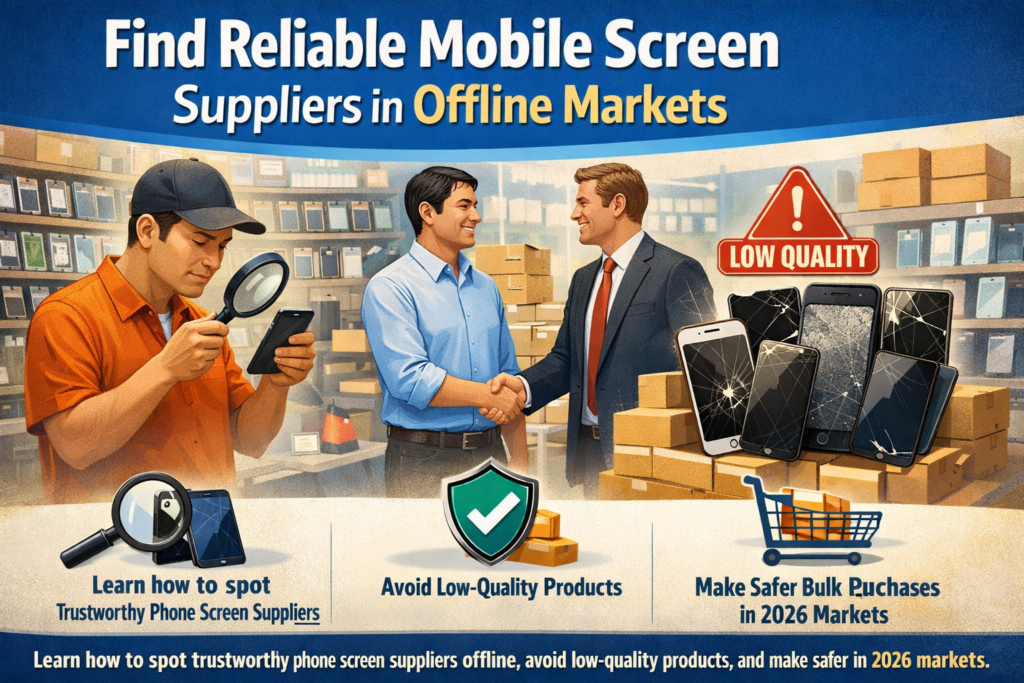
Să fim reali, în ciuda exploziei platformelor de aprovizionare online, piețele angro offline sunt încă câmpul de luptă în care au loc adevărate oferte. Dacă ați trecut vreodată prin Shenzhen Huaqiangbei sau prin hub-uri electronice similare, vei ști exact ce vreau să spun. Negociere față în față, vizibilitate imediată a stocului, și construirea instantanee a încrederii - acestea sunt lucruri pe care nicio platformă online nu le poate înlocui complet.
Și numerele o susțin. În 2026, doar piața globală a LCD-urilor mobile reprezintă peste 1.28 miliarde de unități expediate și $19.7 miliarde de venituri . Asta este masiv. În spatele acestui număr se află o rețea densă de distribuitori offline, angrosisti, și repararea lanțurilor de aprovizionare care încă domină tranzacțiile în vrac.
De ce? Pentru că atunci când cumpărați sute sau mii de ecrane, nu vrei doar un preț, vrei certitudine. Vrei să vezi produsul, testați-l, pune la îndoială, și chiar provocați vânzătorul față în față.
Riscurile furnizorilor neverificați
Dar aici este problema: piețele offline sunt haotice. Oricine poate închiria un stand și poate revendica „calitate de gradul A”. Și acolo lucrurile devin periculoase.
Ai putea crede că primești ecrane de calitate OEM, dar în realitate, ați putea cumpăra unități aftermarket de calitate scăzută, cu luminozitate inconsecventă, sensibilitate la atingere slabă, sau mai rău – rate mari de defecte. Studiile arată că o mare parte a display-urilor defecte de pe piața de schimb nu are o certificare adecvată .
Deci adevărata întrebare este: Cum separă furnizorii adevărați de pretendenți??
Realitatea: De ce calitatea furnizorului variază atât de mult
Diferite grade de produse explicate
Înainte chiar de a judeca un furnizor, trebuie să înțelegi un lucru: nu toate ecranele sunt create egale.
Iată o defalcare simplificată:
| Tipul gradului | Nivel de calitate | Risc |
|---|---|---|
| OEM / Clasa A | Precizie mare, performanță la nivel original | Scăzut |
| Grad B / Renovat | Defecte minore, performanță acceptabilă | Mediu |
| Aftermarket / Copie | Ieftin, calitate inconsistentă | Ridicat |
Ecranele de calitate OEM sunt livrate o mai bună acuratețe a culorii, răspuns la atingere, si durabilitate, în timp ce ecranele aftermarket mai ieftine compromit adesea aceste valori cheie .
Acum, aici este locul în care furnizorii joacă trucuri: folosesc termeni vagi precum „Calitate AAA” sau „copie premium”— ceea ce nu înseamnă absolut nimic.
Preț vs Calitate Capcană
Lasă-mă să te întreb ceva: Dacă un furnizor vă oferă un ecran la 50% sub prețul pieței, care este primul tău gând?
Dacă este „O afacere bună!”—ai deja probleme.
Prețurile cu ridicata tipice variază de la:
- $8– 15 USD pentru LCD buget
- $20– 35 USD pentru OLED de gamă medie
- $40– 70 USD pentru AMOLED premium
Deci, dacă cineva vă oferă un ecran premium la jumătate din preț, nu este o afacere – este un semn de avertizare.
Dimensiunea de bază 1: Dimensiunea standului & Profesionalism
Cum arată un stand profesional
Gândiți-vă la standul unui furnizor ca fiind „cartea lor de vizită”.
Un furnizor de încredere are de obicei:
- Produse clasificate clar (dupa model, nota, marca)
- Curat, afișare organizată
- Testarea echipamentelor la fața locului
- Personal care înțelege detaliile tehnice
Le vei observa adesea nu te grăbi. În schimb, ele explică diferențele dintre tipurile de ecrane, oferă comparații, și chiar sugerează ce se potrivește afacerii tale.
Steaguri roșii de urmărit
Pe reversul, iată ce ar trebui să te facă să pleci imediat:
- Inventar dezordonat sau mixt
- Fără etichetare sau origine neclară a produsului
- Oameni de vânzări care evită întrebările tehnice
- Folosirea excesivă a cuvintelor la modă precum „cea mai bună calitate” fără dovezi
Dacă standul pare o piață de vechituri mai degrabă decât o operațiune profesională, aveți deja răspunsul.
Dimensiunea de bază 2: Lanț de aprovizionare & Capacitatea de inventar
Întrebări pe care trebuie să le puneți
Un furnizor bun nu ar trebui să ezite niciodată când cereți:
- De unde provin ecranele dvs?
- Sunt OEM, recondiționat, sau aftermarket?
- Care este capacitatea dvs. lunară de aprovizionare?
- Puteți garanta loturi consistente?
Aceste întrebări nu sunt opționale – sunt esențiale.
Cum să le verificați răspunsurile
Iată trucul: nu asculta doar — verifică.
Cere:
- Rapoarte de testare pe lot
- Fotografii sau videoclipuri din fabrică
- Date despre capacitatea de producție
Furnizorii de încredere pot dovedi de obicei că produc sau se aprovizionează sute de mii de unități lunar .
Dacă nu pot prezenta dovezi, sunt șanse să fie doar intermediari care răsfoiesc acțiuni aleatorii.
Dimensiunea de bază 3: Testarea probelor & Teste în loturi mici
Lista de verificare esențială pentru testare
Nu cumpărați niciodată în vrac fără a testa mostre. Aceasta este regula numărul unu.
Iată ce ar trebui să testați:
- Luminozitate (minim 400 nits recomandate)
- Uniformitatea culorii
- Sensibilitate la atingere (mai ales colturile)
- Pixeli morți (ideal zero)
- Durabilitate si rezistenta la zgarieturi
Metode reale de testare
Cumpărătorii profesioniști nu „se uită” doar la ecrane, ci le testează la stres.
De exemplu:
- Rotiți ecranul pentru a verifica stabilitatea culorii
- Utilizați instrumente de comparare a luminozității
- Simulați utilizarea pe termen lung (teste de îmbătrânire)
Chiar și mici defecte ca sângerare de fundal sau schimbare de culoare poate duce la rate masive de returnare mai târziu .
Dimensiunea de bază 4: Politica post-vânzare & garanție
Standarde minime de garanție
Iată o regulă simplă:
Dacă un furnizor nu oferă cel puțin 30 zile garantie, nu cumpara.
De ce? Pentru că chiar și cele mai bune ecrane pot eșua – iar un furnizor care refuză responsabilitatea este un furnizor în care nu ar trebui să ai încredere .
Reveni & Logica de înlocuire
Pune aceste întrebări:
- Ceea ce se califică drept produs defect?
- Cine plătește transportul de retur?
- Cât durează înlocuirea?
Un furnizor profesionist va avea politici scrise clare. Orice vag este un steag roșu.
Dimensiunea de bază 5: Reputația de piață & Feedback ascuns
Cum să adunați feedback real
Iată un secret pe care majoritatea începătorilor nu îl cunosc:
Cel mai bun feedback nu vine de la furnizor, ci de la vecinii lor.
Plimbați-vă prin piață și întrebați:
- Alți proprietari de magazine
- Tehnicieni reparatori
- Concurenți din apropiere
Veți auzi rapid care furnizori sunt de încredere și pe care să îi evitați.
Utilizarea vânzătorilor din apropiere ca inteligență
Gândește-te așa:
Piața este un ecosistem viu. Dacă un furnizor vinde în mod constant produse proaste, cuvântul se răspândește rapid.
Așa că nu te baza pe ceea ce spun ei, ci pe ceea ce spun alții despre ei.
Inspecție în fabrică (Inspecție în fabrică) Sfaturi care funcționează cu adevărat
Ce să cauți în interiorul unei fabrici
Dacă ai ocazia să vizitezi o fabrică, nu-l risipi.
Se concentreze pe:
- Condiții de cameră curată (mai ales pentru OLED)
- Linii de producție automatizate
- Posturi de control al calitatii
- Procesul de ambalare
O adevărată fabrică va arăta fluxuri de lucru structurate și controale stricte de calitate.
Opțiuni de inspecție terță parte
Pentru comenzi mari, luați în considerare angajarea agențiilor de inspecție precum:
- SGS
- TÜV
- Intertek
Aceste agenții verifică:
- Materii prime
- Procesul de producție
- Calitatea produsului final
Numai acest pas vă poate economisi mii de pierderi potențiale.
Lista de verificare pentru evaluarea furnizorilor (Printabil)
Folosiți-l înainte de a plasa orice comandă:
- Furnizorul oferă o clasificare clară a produsului?
- Pot să arate rapoarte de testare?
- Oferă ≥30 de zile garanție?
- Este inventarul lor stabil și organizat?
- Pot oferi referințe sau recenzii?
- Permit testarea probelor?
- Sunt disponibile certificări (ISO, RoHS)?
Dacă răspunzi „Nu” la mai mult de două—pleci.
Greșeli frecvente pe care le fac cumpărătorii
Să fim sinceri – cele mai multe pierderi apar din cauza unor greșeli care pot fi evitate:
- Alegerea celui mai ieftin furnizor
- Sari peste testarea eșantionului
- Ignorarea termenilor post-vânzare
- Încredere în promisiuni verbale fără dovezi
- Nu se verifică consistența lotului
A cumpăra ecrane fără o evaluare adecvată este ca cumpărând fructe fără a verifica dacă sunt putrezite în interior— S-ar putea să arate bine, dar vei regreta mai târziu.
Concluzie
Găsirea unui furnizor de încredere de ecran de telefon mobil pe piețele offline nu este despre noroc, ci despre evaluare sistematică.
Dacă vă amintiți un singur lucru din acest ghid, lasa sa fie asta:
Încrederea se construiește prin verificare, nu promisiuni.
Prin concentrarea asupra:
- Stai profesionalismul
- Transparența lanțului de aprovizionare
- Proceduri de testare
- Politici post-vânzare
- Reputația pe piață
-reduceți drastic riscul și creșteți șansele de a construi pe termen lung, parteneriat profitabil.
Întrebări frecvente
1. Câte mostre ar trebui să testez înainte de a cumpăra în vrac?
Cel puțin 5-10 unități în loturi diferite pentru a verifica consistența și ratele de defecte.
2. Care este cea mai sigură calitate a ecranului de cumpărat?
Ecranele de calitate OEM sau A sunt cea mai sigură alegere pentru fiabilitatea pe termen lung și rate mai mici de returnare.
3. Este necesară vizitarea furnizorului?
Nu întotdeauna, dar pentru comenzi mari, vizitarea sau organizarea unei inspecții terțe sunt foarte recomandate.
4. Cum știu dacă un furnizor minte despre calitate?
Probe de testare, cere documentatie, și verificați prin alți vânzători de pe piață.
5. Mă pot baza pe preț ca indicator al calității?
Parțial, dar prețurile extrem de mici sunt de obicei un semnal roșu, nu un chilipir.