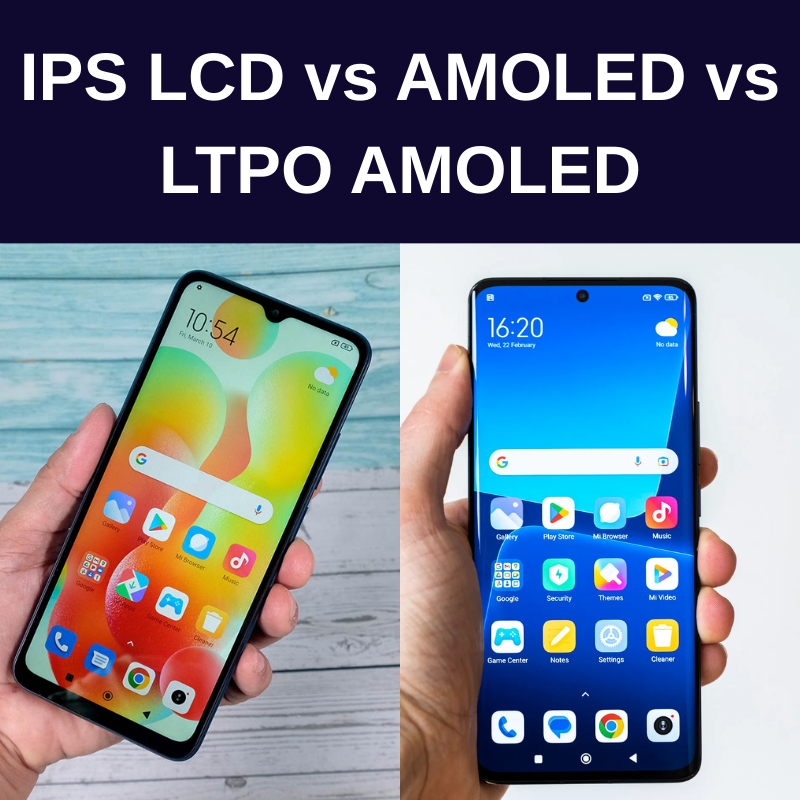
In de smartphone-industrie, het display is het belangrijkste medium voor gebruikersinteractie. Als benchmarkmerk in de budgetvriendelijke markt, De keuze van Xiaomi Redmi voor de weergavetechnologie heeft een directe invloed op de gebruikerservaring en het concurrentievermogen op de markt. Dit artikel gaat dieper in op de technische principes, voor- en nadelen, en de productstrategie van Xiaomi Redmi met betrekking tot IPS LCD, AMOLED, en LTPO AMOLED-weergavetechnologieën.
1. Analyse van de drie displaytechnologieën
1. IPS-LCD: Klassiek en praktisch
IPS (Schakelen in het vlak) LCD-schermen zijn afhankelijk van een achtergrondverlichtingsmodule om licht uit te stralen, met vloeibaar-kristalmoleculen die horizontaal zijn gerangschikt om de kijkhoeken en kleurnauwkeurigheid te verbeteren. De voordelen zijn onder meer lage kosten, lange levensduur, en geen risico op inbranden. Veel instapmodellen Redmi (zoals de Redmi 10A) adopteer dit type display om een basiservaring te garanderen en tegelijkertijd de kosten laag te houden.
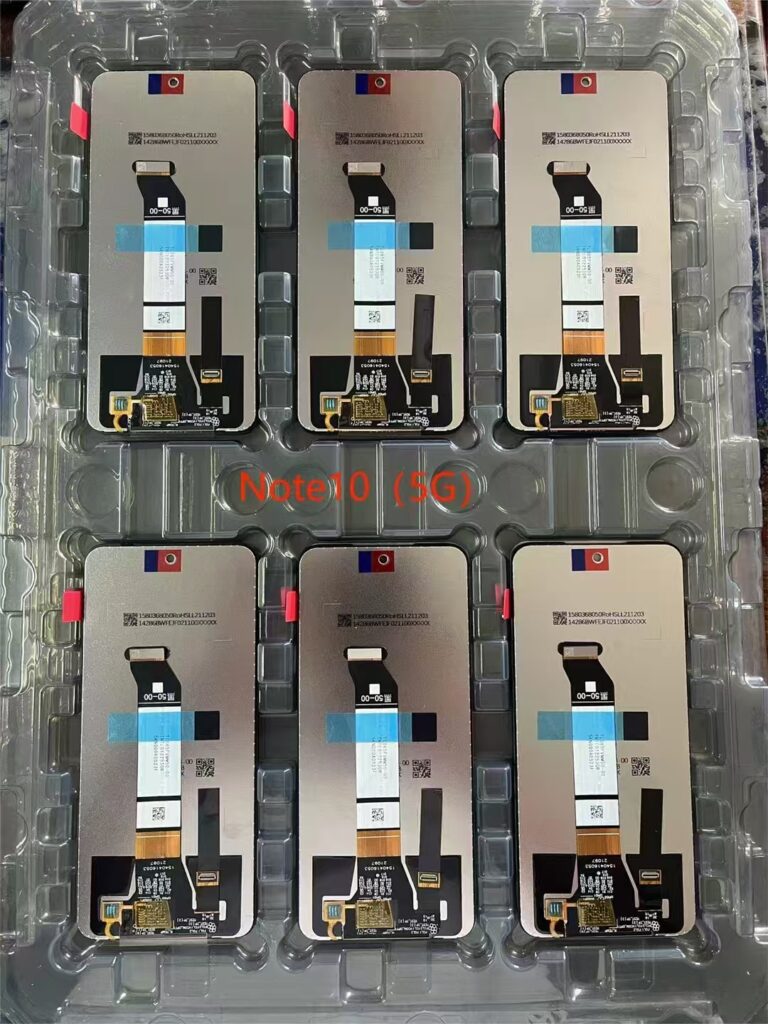
Ondersteunende gegevens: Volgens GSMArena, de Xiaomi Redmi Note 10 beschikt over een 6,43-inch IPS LCD-scherm met een resolutie van 1080p en een typische helderheid van 450 neten. Hoewel voldoende voor dagelijks gebruik, de contrastverhouding is slechts 1500:1.
2. AMOLED: Een revolutie in kleur en efficiëntie
AMOLED (Actieve matrix organische lichtgevende diode) schermen zorgen ervoor dat elke pixel onafhankelijk licht kan uitstralen, waardoor de noodzaak voor een achtergrondverlichtingsmodule wordt geëlimineerd. Dit maakt echte zwarttinten en ultrahoge contrastverhoudingen mogelijk (bijv., 1,000,000:1). AMOLED-voordelen omvatten een breder kleurengamma (DCI-P3), lager energieverbruik in donkere scènes, en het potentieel voor flexibele ontwerpen. Redmi's mid-tot-high-end modellen (zoals de Xiaomi Redmi Note 12 Pro) hebben AMOLED op grote schaal toegepast om de visuele ervaringen te verbeteren.
Ondersteunende gegevens: De Redmi K60 is voorzien van een 6,67-inch AMOLED-display met een maximale helderheid van 1400 neten, een vernieuwingsfrequentie van 120 Hz, en HDR10+-certificering, waardoor de gaming- en videoprestaties aanzienlijk worden verbeterd (bron: GSMArena).

3. LTPO AMOLED: De toekomst van dynamische vernieuwingsfrequenties
LTPO (Polykristallijn oxide bij lage temperatuur) technologie combineert de voordelen van LTPS- en IGZO-transistoren, enabling dynamic refresh rate adjustments between 1Hz and 120Hz (as seen in the Redmi K70 Pro). Compared to traditional AMOLED, LTPO reduces power consumption by 20%-30%. This technology is primarily used in flagship models, balancing high refresh rates with power efficiency.
Industry Trend: De Xiaomi 13 Pro has already adopted LTPO AMOLED, and future iterations of the Redmi K series may incorporate this technology, further bringing high-end display tech to budget-friendly models.
2. Pros and Cons Comparison: The Trade-off Between Data and Experience
| Aspect | IPS-LCD | AMOLED | LTPO AMOLED |
|---|---|---|---|
| Contrast | Laag (~1500:1) | Extreem hoog (1,000,000:1) | Same as AMOLED but optimized for power consumption |
| Stroomverbruik | Always-on backlight, higher power usage | Zero power in black scenes, energiezuiniger | Dynamic refresh rate further reduces power consumption |
| Kosten | Laag (5%-8% of total device cost) | Hoog (10%-15%) | Hoogste (15%-20%) |
| Levensduur | Geen inbrandrisico, long backlight life | Potential burn-in over long-term use | Hetzelfde als AMOLED, maar vereist geoptimaliseerde algoritmen voor pixelvernieuwing |
| Ideale gebruiksscenario's | Basisgebruik, lange levensduur van de batterij nodig | Multimediaal, beelden met hoog contrast | Gamen met hoge verversingssnelheid, batterij-efficiëntie gedurende de hele dag |
3. Redmi's productstrategie: Gerichte positionering en technologische innovatie
- Instapmodellen: IPS LCD voor kosteneffectiviteit
- Voorbeeld: De Xiaomi Redmi 12C beschikt over een 6,71-inch IPS LCD-scherm, het leveren van essentiële functionaliteit tegen een betaalbare prijs. Terwijl de weergavekwaliteit wordt opgeofferd, het zorgt voor een lange levensduur van de batterij en duurzaamheid.
- Modellen uit het midden- tot hogere segment: AMOLED mainstream-adoptie
- Voorbeeld: De Xiaomi Redmi-notitie 12 Pro+ is uitgerust met een 6,67-inch AMOLED-display, ondersteunt een vernieuwingsfrequentie van 120 Hz en Dolby Vision. Gepositioneerd in de prijsklasse ¥ 2.000, het concurreert met rivalen zoals de Realme 10 Pro+, biedt verbeterde kleurnauwkeurigheid en HDR-prestaties.
- Vlaggenschipverkenning: De toekomstperspectieven van LTPO AMOLED
- Hoewel Redmi de LTPO-technologie nog niet op grote schaal heeft geïmplementeerd, de Xiaomi 13 serie’ LTPO-weergave (met adaptieve vernieuwingsfrequenties van 1-120 Hz) bewijst de volwassenheid van de technologie. Er wordt verwacht dat toekomstige modellen uit de Redmi K-serie LTPO zullen integreren, gericht op het marktsegment van ¥ 3.000.
4. Gids voor gebruikersselectie
- Beperkt budget: IPS LCD-modellen (bijv., Xiaomi redmi 12) zijn ideaal voor prijsbewuste gebruikers met basisbehoeften.
- Multimedialiefhebbers: AMOLED-modellen (bijv., Xiaomi Redmi-notitie 12 Pro) bieden een meer meeslepende visuele ervaring.
- Tech-liefhebbers & Gamers: Toekomstige LTPO-modellen (bijv., Xiaomi Redmi K70 Pro) biedt de beste balans tussen hoge vernieuwingsfrequenties en batterijefficiëntie.
Conclusie
Via een gedifferentieerde displaystrategie, Xiaomi Redmi vindt een balans tussen kosten en ervaring. Naarmate LTPO-technologie betaalbaarder wordt, Xiaomi Redmi zal naar verwachting meebrengen “displaytechnologie van het volgende niveau” naar budgetvlaggenschepen, het voortdurend hervormen van het marktlandschap in het middensegment. Voor consumenten, Het kiezen van het juiste scherm hangt uiteindelijk af van de balans tussen behoeften en budget. Het begrijpen van de specificaties zal helpen bij het vinden van het perfecte scherm.