
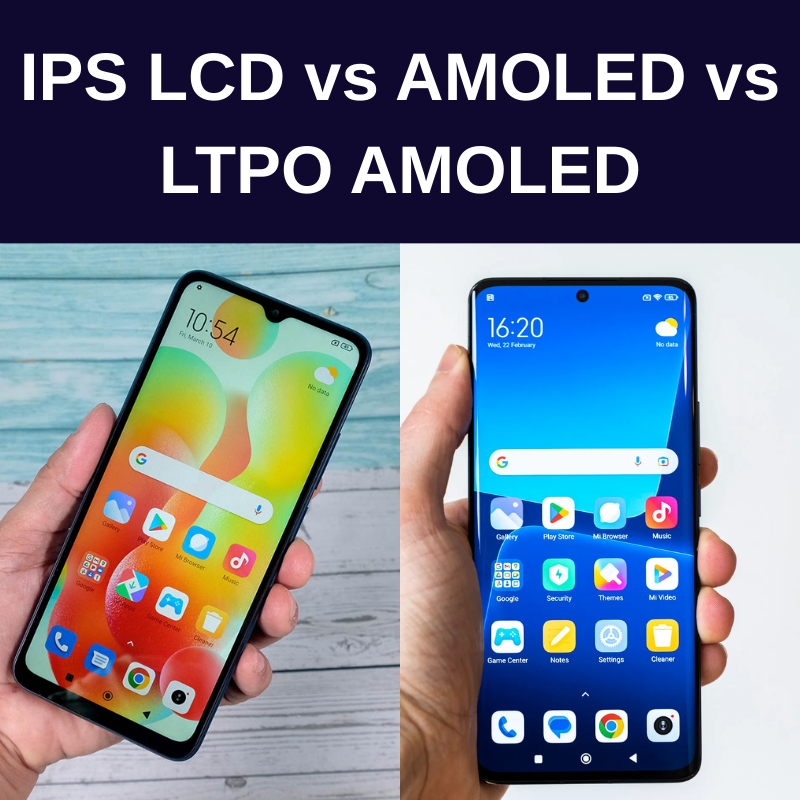
În industria smartphone-urilor, display-ul este mijlocul de bază al interacțiunii utilizatorului. Ca un brand de referință pe piața prietenoasă cu bugetul, Alegerea tehnologiei de afișare de către Xiaomi Redmi are un impact direct asupra experienței utilizatorului și a competitivității pe piață. Acest articol analizează principiile tehnice, argumente pro şi contra, și strategia de produs Xiaomi Redmi în ceea ce privește IPS LCD, Amoled, și tehnologii de afișare LTPO AMOLED.
1. Analiza celor trei tehnologii de afișare
1. LCD IPS: Clasic și practic
IPS (Comutare în plan) Ecranele LCD se bazează pe un modul de iluminare de fundal pentru a emite lumină, cu molecule de cristale lichide dispuse orizontal pentru a îmbunătăți unghiurile de vizualizare și acuratețea culorilor. Avantajele sale includ costul redus, durata de viata lunga, și fără risc de ardere. Multe modele Redmi entry-level (cum ar fi Redmi 10A) adoptați acest tip de afișaj pentru a asigura o experiență de bază, menținând în același timp costurile scăzute.
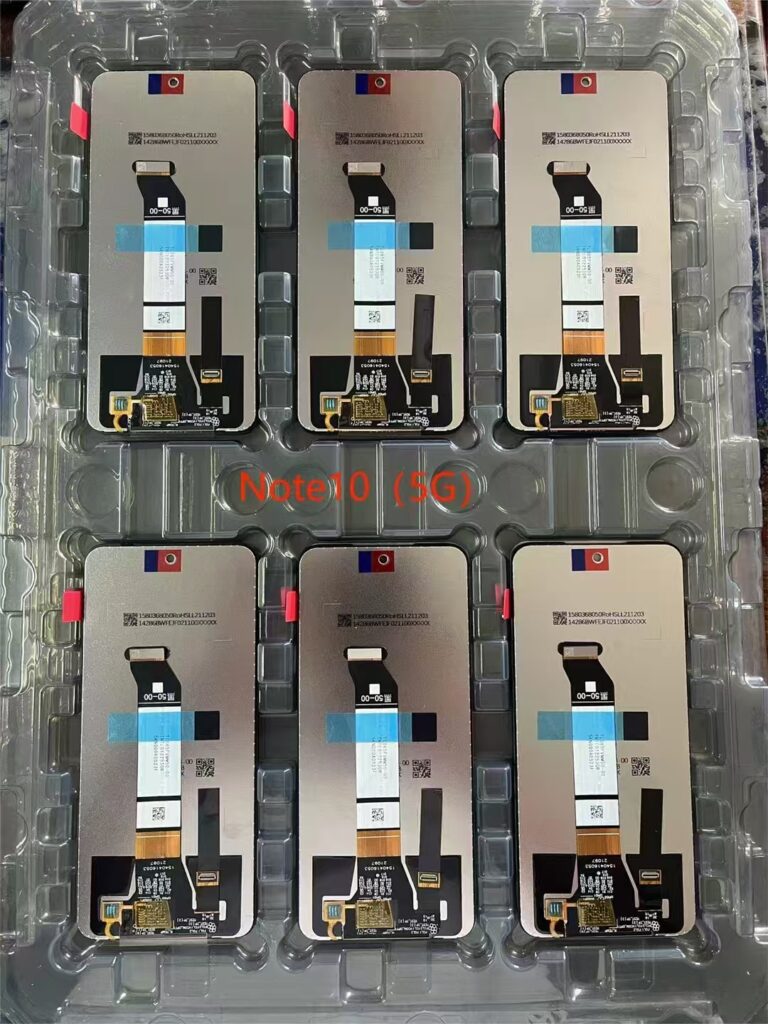
Date suport: Potrivit GSMArena, Xiaomi Redmi Note 10 dispune de un LCD IPS de 6,43 inchi cu o rezoluție de 1080p și o luminozitate tipică de 450 nits. Deși suficient pentru utilizarea zilnică, raportul său de contrast este doar 1500:1.
2. Amoled: O revoluție în culoare și eficiență
Amoled (Diodă emițătoare de lumină organică cu matrice activă) Ecranele permit fiecărui pixel să emită lumină independent, eliminând necesitatea unui modul de iluminare de fundal. Acest lucru permite negru adevărat și rapoarte de contrast ultra-înalte (de ex., 1,000,000:1). Avantajele AMOLED includ o gamă mai largă de culori (DCI-P3), consum redus de energie în scene întunecate, și potențialul pentru modele flexibile. Modelele de gamă medie spre înaltă Redmi (cum ar fi Xiaomi Redmi Note 12 Pro) au adoptat pe scară largă AMOLED pentru a îmbunătăți experiențele vizuale.
Date suport: Redmi K60 are un afișaj AMOLED de 6,67 inci cu o luminozitate maximă de 1400 nits, o rată de reîmprospătare de 120 Hz, și certificare HDR10+, îmbunătățind semnificativ performanța jocurilor și video (sursă: GSMArena).

3. LTPO amoled: The Future of Dynamic Refresh Rates
LTPO (Oxid policristalin la temperatură joasă) technology combines the advantages of LTPS and IGZO transistors, enabling dynamic refresh rate adjustments between 1Hz and 120Hz (as seen in the Redmi K70 Pro). Compared to traditional AMOLED, LTPO reduces power consumption by 20%-30%. This technology is primarily used in flagship models, balancing high refresh rates with power efficiency.
Industry Trend: Xiaomi 13 Pro has already adopted LTPO AMOLED, and future iterations of the Redmi K series may incorporate this technology, further bringing high-end display tech to budget-friendly models.
2. Pros and Cons Comparison: The Trade-off Between Data and Experience
| Aspect | LCD IPS | Amoled | LTPO amoled |
|---|---|---|---|
| Contrast | Scăzut (~1500:1) | Extrem de sus (1,000,000:1) | Same as AMOLED but optimized for power consumption |
| Consumul de energie | Always-on backlight, higher power usage | Zero power in black scenes, mai eficient din punct de vedere energetic | Dynamic refresh rate further reduces power consumption |
| Cost | Scăzut (5%-8% din costul total al dispozitivului) | Ridicat (10%-15%) | Cel mai înalt (15%-20%) |
| Durată de viaţă | Fără risc de ardere, viață lungă la iluminare de fundal | Potențial ardere în timpul utilizării pe termen lung | La fel ca AMOLED, dar necesită algoritmi optimizați de reîmprospătare a pixelilor |
| Cazuri de utilizare ideale | Utilizare de bază, necesită o durată lungă de viață a bateriei | Multimedia, vizuale cu contrast ridicat | Jocuri cu rată de reîmprospătare ridicată, eficiența bateriei pe tot parcursul zilei |
3. Strategia de produs Redmi: Poziționare țintită și inovare tehnologică
- Modele entry-level: LCD IPS pentru rentabilitate
- Exemplu: Xiaomi Redmi 12C are un LCD IPS de 6,71 inchi, oferind funcționalități esențiale la un preț accesibil. În timp ce calitatea afișajului este sacrificată, asigură o durată lungă de viață și durabilitate a bateriei.
- Modele de gamă medie spre înaltă: Adoptarea AMOLED Mainstream
- Exemplu: Xiaomi Redmi Note 12 Pro+ este echipat cu un ecran AMOLED de 6,67 inchi, acceptând o rată de reîmprospătare de 120 Hz și Dolby Vision. Poziționat în intervalul de preț de 2.000 yeni, concurează cu rivali precum Realme 10 Pro+, oferind acuratețe îmbunătățită a culorilor și performanță HDR.
- Explorare emblematică: Perspectivele de viitor ale LTPO AMOLED
- Deși Redmi nu a implementat încă pe scară largă tehnologia LTPO, Xiaomi 13 serie’ Afișaj LTPO (cu rate de reîmprospătare adaptive de 1-120 Hz) demonstrează maturitatea tehnologiei. Este de așteptat ca viitoarele modele Redmi din seria K să integreze LTPO, care vizează segmentul de piață de 3.000 yeni.
4. Ghid de selecție a utilizatorului
- Buget limitat: Modele IPS LCD (de ex., Xiaomi Redmi 12) sunt ideale pentru utilizatorii conștienți de preț și cu nevoi de bază.
- Pasionati de multimedia: Modele AMOLED (de ex., Xiaomi Redmi Note 12 Pro) oferă o experiență vizuală mai captivantă.
- Entuziaști de tehnologie & Jucătorii: Viitoarele modele LTPO (de ex., Xiaomi Redmi K70 Pro) va oferi cel mai bun echilibru între ratele de reîmprospătare ridicate și eficiența bateriei.
Concluzie
Printr-o strategie de afișare diferențiată, Xiaomi Redmi găsește un echilibru între cost și experiență. Pe măsură ce tehnologia LTPO devine mai accesibilă, Se așteaptă să aducă Xiaomi Redmi “tehnologie de afișare de nivel următor” la proiecte emblematice bugetare, remodelând continuu peisajul pieței medii. Pentru consumatori, alegerea afișajului potrivit depinde în cele din urmă de echilibrarea nevoilor și bugetului - înțelegerea specificațiilor va ajuta la găsirea ecranului perfect.



