Introducere
Când iei un smartphone, care este primul lucru pe care îl observi? Sunt șanse, este ecranul. Afișajul este locul unde are loc fiecare interacțiune - mesaje, jocuri, streaming, sau derulând prin rețelele sociale. Pentru Transsion Holdings, o forță în creștere în industria globală a smartphone-urilor, tehnologia de afișare a devenit un domeniu central al inovației. De la panouri LCD accesibile până la ecrane AMOLED de ultimă generație, Transsion și-a îmbunătățit strategic ofertele de afișare pentru a răspunde nevoilor diverse ale utilizatorilor din Africa, Asia, si mai departe.
Privire de ansamblu asupra exploatațiilor de tranziție
Dacă ați auzit de TECNO, Infinix, itel, sau Fantoma, ai întâlnit deja influența lui Transsion. Compania domină piețele din Africa și Asia de Sud-Est prin echilibrarea accesibilității cu inovația. Unul dintre cei mai puternici diferențieri ai săi? Tehnologia de afișare adaptată special pentru mediile în care trăiesc clienții săi, precum regiunile cu lumină solară intensă sau cu alimentare limitată cu energie electrică.
Evoluția tehnologiei de afișare în telefoane inteligente
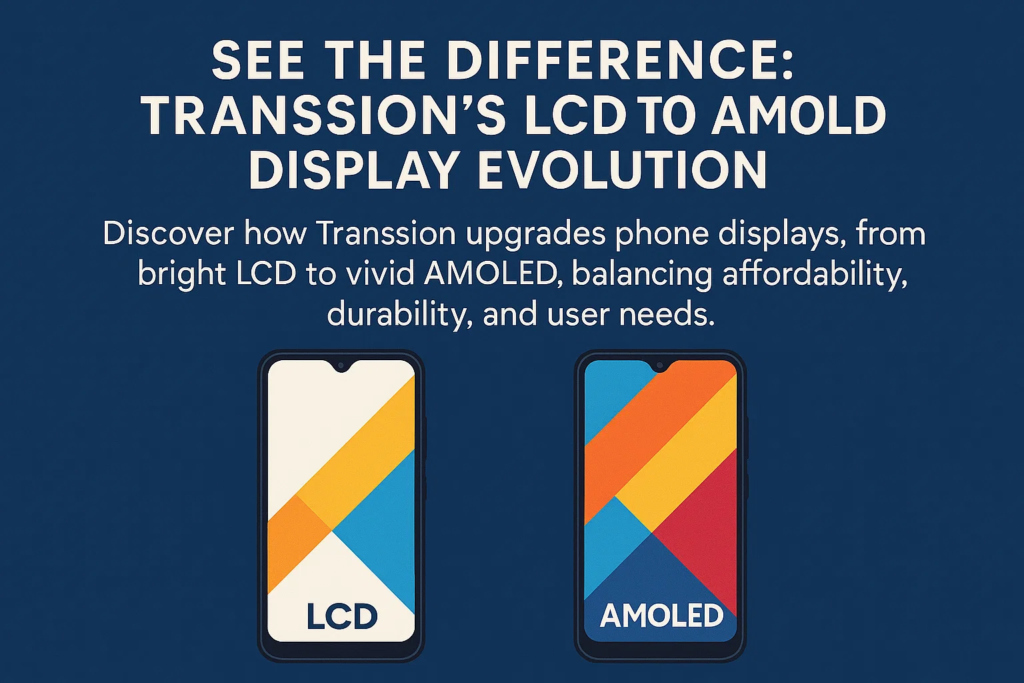
Ecranele smartphone-urilor au parcurs un drum lung. Acum un deceniu, LCD a condus industria. Astăzi, AMOLED este văzut ca alegerea premium. Transsion nu numai că a ținut pasul cu această schimbare, ci și-a adaptat fiecare tip de ecran la segmentele sale de piață – de la cumpărători entry-level la entuziaști emblematici..
Nivel de intrare: Ecrane LCD de înaltă luminozitate
Pentru utilizatorii de telefoane TECNO POP sau itel, LCD-ul este în continuare de preferat. De ce? Pentru că este de încredere, durabil, și rentabil. Transsion a investit în îmbunătățirea nivelurilor de luminozitate, asigurându-se că chiar și în soarele arzător african, utilizatorii pot citi în continuare mesajele fără să miște ochii.
Avantajele ecranelor LCD ale Transsion:
- Cost de producție mai mic, menținerea telefoanelor la prețuri accesibile
- Durată de viață lungă în comparație cu OLED
- Oboseală redusă a ochilor cu calibrarea optimizată a culorii
- Luminozitate ridicată pentru lizibilitate în aer liber
Gama mijlocie: Ecranele LCD LTPS IPS
Treceți la seria CAMON sau Infinix Note, și probabil veți întâlni panouri LCD LTPS IPS. LTPS (Polisilic la temperatură joasă) este o formă rafinată de LCD care oferă imagini mai clare și un consum redus de energie.
De ce contează? Deoarece utilizatorii din acest segment doresc jocuri fluide, redare video clară, și o durată de viață mai lungă a bateriei — fără a plăti prețuri emblematice.
High-End: Afișaje AMOLED
În vârful piramidei se află AMOLED, folosit în seriile PHANTOM și ZERO. Spre deosebire de LCD, Pixelii AMOLED emit propria lumină, care permite un negru profund și un contrast de culori uluitor. Imaginați-vă că vizionați un film în care cerul nopții arată cu adevărat negru, nu gri. Aceasta este diferența AMOLED.
Beneficiile AMOLED-ului Transsion:
- Design ultra-subțire și flexibil
- Eficiența puterii (numai pixelii aprinși consumă energie)
- Rate de contrast ridicate și culori vibrante
- Ideal pentru afișarea fotografiilor premium
Rate de reîmprospătare ridicate și experiență lină
Nu este vorba doar de culori și luminozitate. Netezimea contează și ea. Modelele emblematice ale Transsion oferă rate de reîmprospătare de 90 Hz, 120Hz, sau mai mare. Asta înseamnă că trecerea prin Instagram se simte mătăsos, iar jocurile sunt ultra-responsive în comparație cu ecranele vechi de 60 Hz.
Tehnologii unice de tranziție
Să se deosebească, Transsion integrează funcții adaptate utilizatorilor săi:
- Ajustare inteligentă a ratei de reîmprospătare: Economisește bateria prin scăderea ratelor de reîmprospătare atunci când nu este necesară o performanță ridicată.
- Ecran de lumină solară: Reglează automat luminozitatea și contrastul pentru o mai bună vizibilitate în aer liber.
- Modul de protecție a ochilor: Filtrează lumina albastră pentru a reduce oboseala ochilor în timpul sesiunilor lungi.
Considerații privind durabilitatea și longevitatea
Unul dintre motivele pentru care mulți cumpărători încă preferă LCD-ul este durabilitatea. LCD-urile nu se confruntă cu probleme de ardere precum AMOLED, unde imaginile statice pot lăsa urme permanente. Transsion atenuează acest lucru prin combinarea AMOLED cu optimizări software pentru a prelungi durata de viață a panoului.
Eficiență energetică pe ecrane
În multe piețe emergente, electricitatea este un lux. De aceea, Transsion echilibrează cu atenție performanța cu consumul de energie. Panourile AMOLED economisesc în mod natural energie, dar chiar și modelele LCD sunt optimizate cu luminozitate adaptivă și moduri întunecate pentru a prelungi durata de viață a bateriei.
Calibrarea afișajului și acuratețea culorilor
Transsion știe că clienții săi iubesc îndrăzneala, vizuale vibrante. Ecranele sunt reglate fin pentru a oferi culori atrăgătoare fără a părea nenaturale. Spre deosebire de unii concurenți, Transsion înclină spre un aspect ușor saturat, care atrage gusturile locale din Africa și Asia.
Impactul asupra fotografiei și videografiei
O cameră grozavă înseamnă puțin dacă afișajul nu își poate afișa corect rezultatul. Ecrane AMOLED, cu reproducerea lor precisă a culorilor, oferiți utilizatorilor o vizualizare mai precisă a fotografiilor și videoclipurilor. Acest lucru este crucial în special pentru utilizatorii CAMON și PHANTOM de la TECNO, care acordă prioritate fotografiei.
Comparație cu concurenții
Cum se compară Transsion cu mărci precum Samsung, Xiaomi, sau OPPO? În timp ce Samsung a fost pionierul AMOLED, Strategia Transsion se concentrează pe furnizarea de tehnologie similară la prețuri mai mici. În scurt, este vorba de accesibilitate — funcții premium fără costuri premium.
Viitorul ecranelor pentru smartphone-uri Transsion
Privind în viitor, Ecranele pliabile și tehnologia MicroLED ar putea redefini afișajele smartphone-urilor. Deși încă e scump, Transsion poate explora aceste inovații pentru a ține pasul cu giganții globali. Dacă istoria este un ghid, probabil că le va livra la o fracțiune din cost.
Concluzie
De la începuturi umile LCD până la uimitoare produse AMOLED, Transsion a dovedit că tehnologia ecranului nu este doar despre claritate, ci este despre adaptarea la nevoile utilizatorilor, medii, si bugete. Fie că este un student în Lagos care folosește un telefon itel sau un profesionist creativ din Nairobi care legănă un PHANTOM, Transsion asigură că experiența de afișare este personalizată, de încredere, și gata de viitor.
Întrebări frecvente
1. Ce face LCD-ul Transsion diferit?
Panourile LCD ale Transsion sunt optimizate pentru luminozitate ridicată și lizibilitate în aer liber, mai ales în piețele cu lumină solară intensă.
2. Telefoanele Transsion acceptă HDR?
Da, unele modele Transsion de ultimă generație cu panouri AMOLED acceptă HDR pentru redare video îmbunătățită.
3. Ecranele AMOLED sunt fragile?
Pot fi mai delicate decât LCD-urile, dar Transsion îmbunătățește durabilitatea cu Gorilla Glass și garanțiile software.
4. Care serie Transsion este cea mai bună pentru jocuri?
Serile Infinix ZERO și TECNO PHANTOM sunt ideale, datorită afișajelor AMOLED și ratelor de reîmprospătare de 120 Hz.
5. Transsion va adopta paravane pliabile?
Este posibil în viitor, mai ales că costurile OLED pliabile scad. Tranziția tinde să aducă funcții de ultimă generație pe piețele prietenoase cu bugetul.