Az okostelefon kijelzője az egyik legfontosabb összetevő, amely meghatározza a felhasználói élményt, eszköz értéke, és javítási igény. Amikor az emberek új telefont vesznek, általában a kamerára fókuszálnak, processzor, akkumulátor, és tervezés, de a képernyő az a rész, amellyel minden másodpercben kapcsolatba lépnek. Akár görgeti a közösségi médiát, videók nézése, játékokat játszani, vagy távmunkában, a kijelző közvetlenül befolyásolja a kényelmet és a teljesítményt.
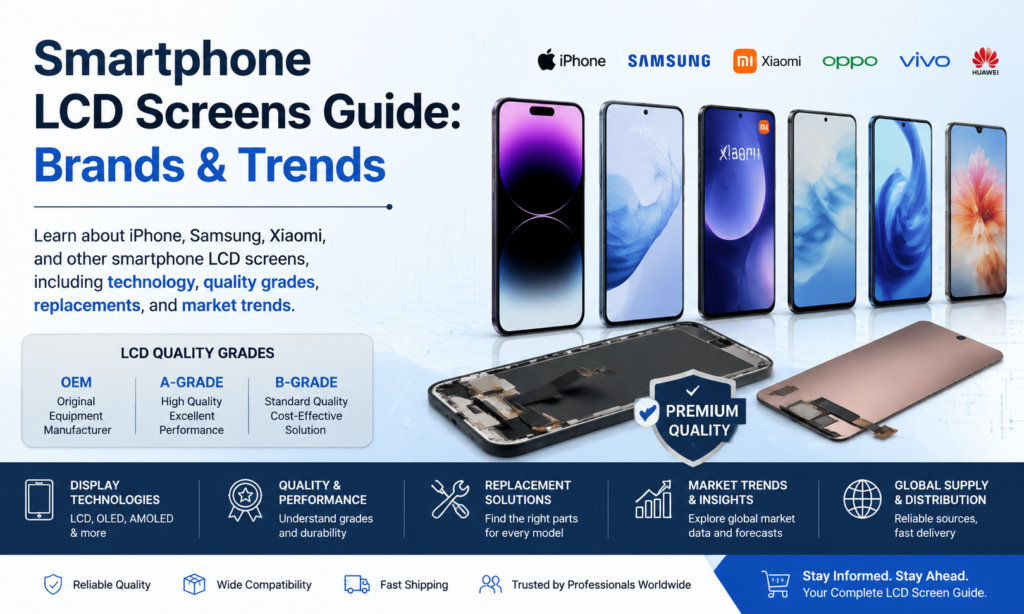
Ma, jelentős okostelefonmárkák, mint pl Apple iPhone, Samsung Galaxy, Xiaomi Redmi, Huawei, Becsület, Oppo, Vivo, és a Google Pixel továbbfejleszti a fejlett megjelenítési technológiákat. A hagyományos LCD-panelektől az OLED-ig, AMOLED, rugalmas kijelzők, és nagy frissítési gyakoriságú képernyők, Az okostelefonok kijelzőtechnológiája gyors fejlődésen ment keresztül.
Mobiltelefon-javító vállalkozásoknak, nagykereskedők, és a forgalmazók, Az LCD képernyő megértése elengedhetetlen. A piac különböző minőségeket tartalmaz, mint pl eredeti képernyők, OEM kijelzők, felújított képernyők, utángyártott képernyők, és kompatibilis csereképernyők. A megfelelő kijelző kiválasztása nemcsak a javítás sikerét befolyásolja, hanem az ügyfelek elégedettségét és az üzleti jövedelmezőséget is.
Ez az útmutató elmagyarázza a népszerű okostelefon márkájú képernyők mögött rejlő ismereteket, beleértve a kijelző technológiát is, gyártási minőség, csere lehetőségek, és a jövőbeli trendek.
Az okostelefonok LCD-képernyőinek és fontosságuk megértése
Mi az a mobiltelefon LCD képernyő?
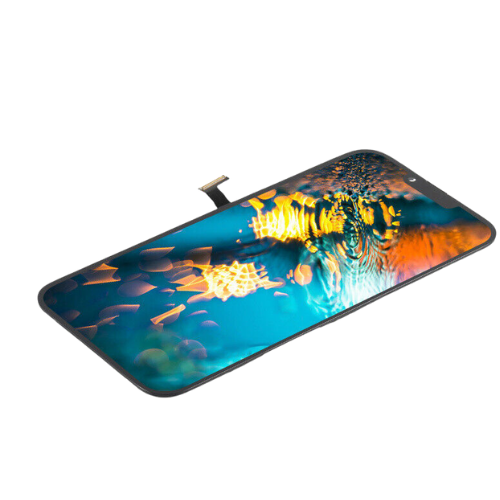
Az okostelefon LCD-képernyője a képek létrehozásáért felelős megjelenítő modul, színeket mutatva, és reagál a felhasználói érintési parancsokra. Az LCD jelentése Folyékony kristály kijelző, olyan technológia, amely elektromos jelekkel vezérelt folyadékkristályokat használ a képek előállításához.
A hagyományos LCD-panelek háttérvilágítást igényelnek, mivel a folyadékkristályok nem képesek saját fényt előállítani. A kijelzőréteg mögött, LED háttérvilágítás világítja meg a pixeleket, lehetővé teszi a felhasználók számára, hogy tisztán lássák a képeket.
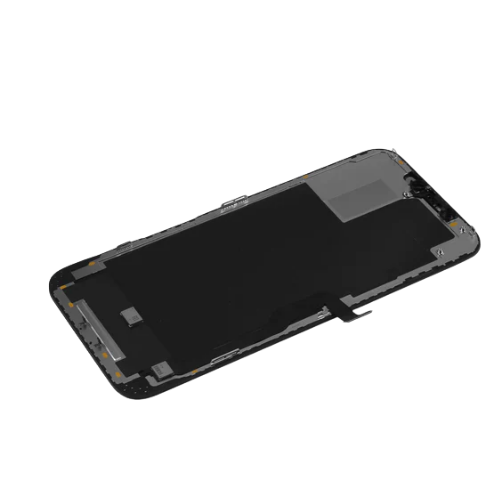
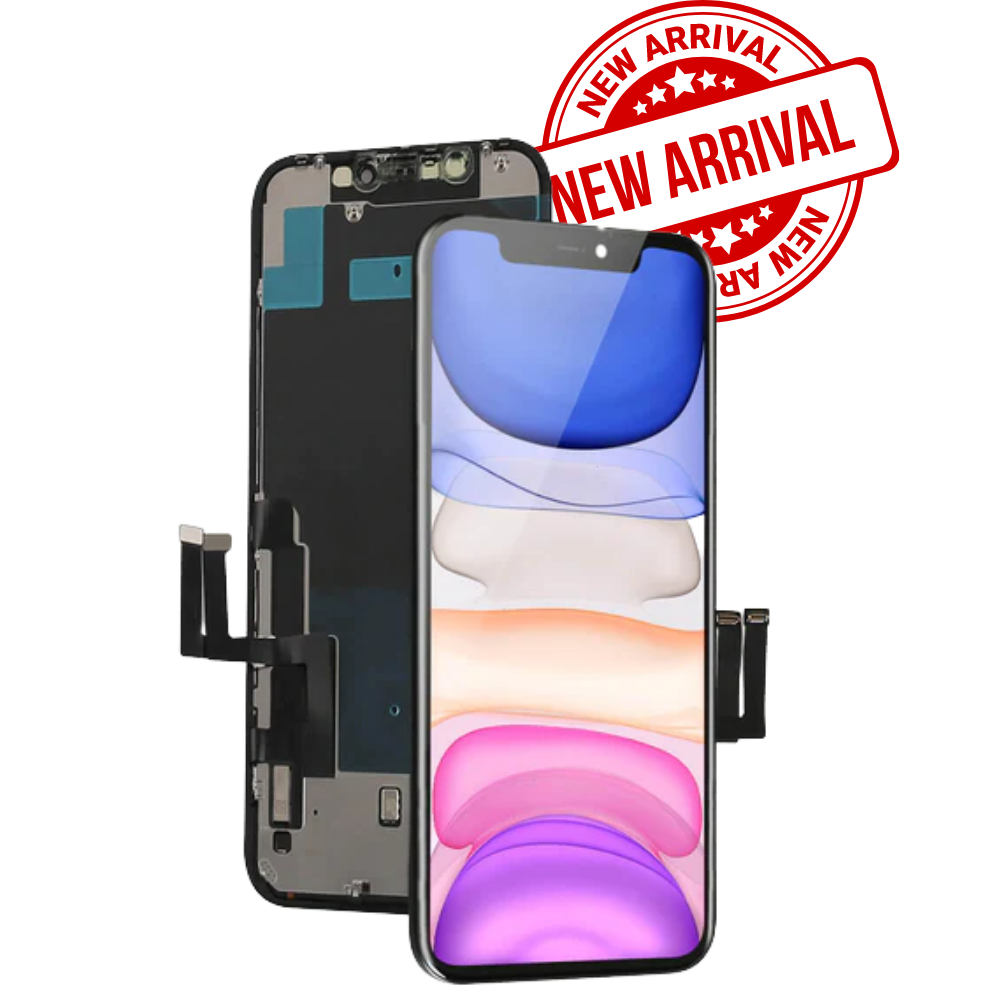
Egy teljes okostelefon-kijelző rendszerint több rétegből áll:
- Takaróüveg
- Érintse meg a digitalizálót
- LCD vagy OLED kijelzőpanel
- Háttérvilágítás modul (LCD képernyőkhöz)
- Rugalmas kábel (FPC)
- Illesztőprogram IC
- Keret vagy konzol
Bár a képernyő úgy néz ki, mint egy darab, valójában egy erősen integrált elektronikus szerkezet. Egy kis probléma bármely rétegben befolyásolhatja a fényerőt, érintésérzékenység, színpontosság, vagy a tartósság.
Például, a csereképernyő jó LCD-panelt használ, de rossz minőségű üveg. A képminőség elfogadhatónak tűnhet, de az érintési reakció vagy az ütésállóság gyengébb lehet. Ez az oka annak, hogy a professzionális vásárlók a teljes kijelző-összeállítást értékelik, nem csak a látható képernyőt.
Az okostelefon kijelzőegységének fő alkotóelemei
Az LCD-modul számos kritikus alkatrészt tartalmaz, amelyek együtt működnek.
A LCD panel létrehozza a képet. Több millió pixelt vezérel, amelyek különböző színeket jelenítenek meg. A jobb minőségű panelek jobb fényerőt biztosítanak, kontraszt, látószögek, és az energiahatékonyság.
A érintéses digitalizáló érzékeli az ujjak mozgását. A modern okostelefonok az érintőfunkciókat a kijelzővel kombinálják olyan fejlett technológiák segítségével, mint például a cellán belüli és a cellán belüli érintőképernyős megoldások.
A fedőüveg védi a kijelzőt a karcolásoktól és ütésektől. Az olyan márkák, mint az Apple és a Samsung, speciálisan megerősített üvegtechnológiákat használnak a tartósság javítására.
A driver IC vezérli a kommunikációt az okostelefon alaplapja és a kijelző között. A sérült vagy gyenge minőségű illesztőprogram-IC problémákat, például villogást okozhat, vonalak, fekete képernyők, vagy érintési hibák.
LCD nagykereskedőknek és javítóműhelyeknek, ezen összetevők megértése segít meghatározni, hogy a képernyő valóban jó minőségű-e.
Az okostelefonok kijelzőtechnológiájának fejlődése
A hagyományos LCD-től a fejlett megjelenítési megoldásokig
Az elmúlt évtizedben az okostelefon-kijelzőipar drámaian megváltozott. A korai okostelefonok főként egyszerű TFT LCD képernyőket használtak, amely elfogadható képminőséget kínált, de a fényerő korlátozott, vastagság, és energiafogyasztás.
Később, a gyártók olyan technológiákat vezettek be, mint pl IPS LCD, amely javította a betekintési szögeket és a színvisszaadást. Az IPS LCD-t széles körben alkalmazták sok középkategóriás okostelefonban, mert megbízható teljesítményt nyújtott elfogadható áron.
Ma, a prémium okostelefonok egyre gyakrabban használnak OLED és AMOLED kijelzőket. Ellentétben az LCD panelekkel, Az OLED pixelek saját fényt állítanak elő, lehetővé teszi a gyártók számára, hogy vékonyabb eszközöket hozzanak létre mélyebb feketével és jobb kontraszttal.
Viszont, Az LCD technológia továbbra is fontos. Sok okostelefon, tabletek, ipari eszközök, és a pénztárcabarát telefonok továbbra is LCD-t használnak az előnyei miatt:
| Funkció | LCD képernyő | OLED/AMOLED képernyő |
|---|---|---|
| Gyártási költség | Alacsonyabb | Magasabb |
| Fényesség | Jó | Kiváló |
| Fekete szint | Átlagos | Tökéletes fekete |
| Beégési kockázat | Nagyon alacsony | Lehetséges |
| Élettartam Stabilitás | Erős | Használattól függ |
| Javítási költség | Általában Alacsonyabb | Általában magasabb |
Az LCD-re továbbra is nagy a kereslet a cserepiacon, mivel világszerte eszközök milliói igényelnek megfizethető javítást.
LCD vs OLED vs AMOLED: Főbb különbségek
Sok fogyasztó összekeveri az LCD-t, OLED, és AMOLED technológiák, de másképp működnek.
LCD kijelzők használjon háttérvilágítási rendszert. Minden pixel hátulról kap fényt, ami megkönnyíti és olcsóbbá teszi a gyártást.
OLED kijelzők használjon szerves anyagokat, amelyek saját fényt bocsátanak ki. Minden pixel teljesen kikapcsolható, igazi fekete színek létrehozása.
AMOLED kijelzők egy fejlett OLED technológia aktív mátrix rendszerrel. Gyorsabb válaszidőt és jobb hatékonyságot kínálnak, népszerűvé téve őket a zászlóshajó okostelefonokban.
Javító vállalkozások számára, Az OLED és AMOLED cserék általában magasabb árat jelentenek, mivel a gyártási technológia bonyolultabb.
Apple iPhone kijelző technológiai ismeretek
iPhone LCD képernyő fejlesztési előzmények
Az Apple mindig is nagy figyelmet fordított a kijelző minőségére. A korábbi iPhone modellek főként LCD technológiát használtak, beleértve a népszerű modelleket, például az iPhone-t 6, iPhone 7, iPhone 8, és iPhone XR.
Az Apple fejlett LCD technológiákat alkalmazott, mint pl Retina kijelző és Folyékony retina kijelző a pixelsűrűség javítására, színpontosság, és a megtekintési élményt.
Az iPhone XR, például, 6,1 hüvelykes Liquid Retina LCD képernyőt használt. Bár nem OLED volt, Az Apple gondosan optimalizálta a panelt, hogy kiváló fényerőt és színteljesítményt biztosítson.
A későbbi iPhone zászlóshajó modellek az OLED technológia felé mozdultak el, különösen az iPhone X sorozat bemutatása után.
Viszont, Az LCD iPhone készülékek továbbra is rendkívül aktívak a javítási piacon, mivel felhasználók milliói használják továbbra is ezeket az eszközöket.
Eredeti, Felújított, és Csere iPhone képernyők
Az iPhone képernyőcsere piaca több minőségi szintet foglal magában.
Eredeti képernyők az Apple eredeti specifikációi szerint gyártott kijelzők. Általában ezek biztosítják a legjobb fényerőt, színpontosság, és érintési teljesítmény.
Eredeti felújított képernyők általában eredeti LCD/OLED paneleket használnak cserélt külső üveggel. A professzionális felújítás visszaállíthatja a kiváló teljesítményt.
Utángyártott képernyők harmadik fél gyártók gyártják. A minőség jelentősen eltér a gyári szabványoktól függően.
Csere iPhone képernyő vásárlásakor, a vásárlóknak ellenőrizniük kell:
- Kijelző fényereje
- Érintésérzékenység
- Színkonzisztencia
- Üveg minőség
- IC teljesítmény
- Garanciális támogatás
Az alacsony árú képernyő több problémát okozhat, mint a megtakarítás, ha az ügyfelek minőségi problémák miatt térnek vissza.
Samsung mobiltelefon képernyő technológia
Super AMOLED és dinamikus AMOLED innováció
A Samsung a világ egyik vezető kijelzőgyártója. A vállalat fejlett AMOLED technológiákat fejlesztett ki, amelyeket a Galaxy zászlóshajó okostelefonjaiban használnak.
A Samsung Galaxy S és Galaxy Note sorozatú készülékek híresek róluk Szuper AMOLED és Dinamikus AMOLED megjeleníti.
A legfontosabb előnyök közé tartozik:
- Magas kontrasztarány
- Kiváló színteljesítmény
- Vékony kialakítás
- Alacsony energiafogyasztás
- Gyors válaszidő
A Samsung kijelzőtechnológiáját más okostelefon-gyártók is szállítják, bemutatva a vállalat erős pozícióját a globális kijelzőiparban.
Samsung LCD cserepiaci elemzés
Bár sok Samsung zászlóshajó telefon AMOLED-et használ, sok Galaxy A sorozat és régebbi modell továbbra is nagy keresletet teremt a csere LCD-szerelvények iránt.
A javítóvállalkozások gyakran tömegesen vásárolják meg a Samsung képernyőit, mivel a Samsung készülékek globális felhasználói bázissal rendelkeznek.
A gyakori csereproblémák közé tartozik:
- Eredeti vs utángyártott AMOLED minőség
- A képernyő fényerejének különbségei
- Ujjlenyomat-érzékelő kompatibilitás
- A keret minősége
- A ragasztó megbízhatósága
A professzionális beszállítók általában több ellenőrzési eljárást hajtanak végre, mielőtt a kijelzőket az ügyfeleknek szállítanák.
Xiaomi és Redmi LCD képernyő jellemzők
Miért népszerűek a Xiaomi képernyők a javítási piacon?
A Xiaomi és Redmi okostelefonok azért váltak rendkívül népszerűvé, mert erős specifikációkat kínálnak versenyképes áron.
Olyan modellek, mint pl Redmi Note sorozat, Redmi K sorozat, és a Xiaomi zászlóshajó telefonok hatalmas globális keresletet teremtettek.
A Xiaomi képernyők javítási piaca tovább növekszik, mert:
- Nagy telepített felhasználói bázis
- Megfizethető eszközárak
- Nagy csereigény
- Erős nemzetközi értékesítés
Sok nagykereskedő azért választja a Xiaomi LCD képernyőket, mert jó piaci forgalmat kínálnak.
Xiaomi cserekijelzők minősége
A Xiaomi csereképernyők általában különböző minőségi kategóriákban jelennek meg:
| Képernyő típusa | Leírás | Piaci pozíció |
|---|---|---|
| Eredeti húzás | Az eredeti telefonokról eltávolítva | Prémium |
| Eredeti Felújított | Eredeti panel cserélt üveggel | Kiváló minőség |
| OEM minőség | Gyári szintű kompatibilis gyártás | Középtől magasig |
| Utángyártott | Harmadik féltől származó gyártás | Költségvetés |
A professzionális vásárlóknak meg kell érteniük, hogy az olcsóbb nem mindig jobb. Egy stabil beszállító állandó minőség-ellenőrzéssel általában értékesebb, mint a legalacsonyabb árat kínáló szállító.
Huawei, Becsület, Oppo, és Vivo Display Technology
A kínai okostelefon-márkák jelentős összegeket fektettek be a kijelző innovációjába.
A Huawei zászlóshajója fejlett OLED kijelzőket mutatott be, ívelt képernyők, és nagy felbontású panelek. A Honor folytatta a prémium megjelenítési technológiák fejlesztését, miután független márkává vált.
Az Oppo és a Vivo is szorgalmazta az okostelefonok kijelzőjének fejlesztését, különösen olyan területeken, mint pl:
- Magas frissítési gyakoriság
- Ívelt kijelzők
- Összecsukható telefonok
- Szemvédő technológia
Ezek a márkák jelentős keresletet teremtenek a csereképernyők iránt a globális piacokon.
LCD elosztóknak, A kínai okostelefon-márkák nagy lehetőséget jelentenek, mivel a javítási igény az eszközök szállításának növekedésével tovább növekszik.
A kiváló minőségű mobiltelefon LCD-képernyők azonosítása
Fontos tesztelési szabványok az LCD-beszállítók számára
A professzionális LCD beszállítónak szigorú minőségellenőrzést kell végeznie a szállítás előtt.
Az általános ellenőrzési eljárások közé tartozik:
- Holt pixel tesztelése
- Érintés funkció tesztelése
- Fényerő tesztelése
- Színvizsgálat
- Keretvizsgálat
- Flex kábel tesztelése
- Üveg minőségellenőrzés
A jó minőségű beszállítók gyakran több tucat ellenőrzési lépést hajtanak végre a vásárlói panaszok csökkentése érdekében.
A vásárlóknak is meg kell fontolniuk:
- Szállítói tapasztalat
- Gyári képesség
- Jótállási politika
- Csomagolás minősége
- Szállítási védelem
A megbízható beszállító nemcsak termékeket értékesít, hanem minőségbiztosítást is nyújt.
Mobiltelefon LCD képernyős nagykereskedelmi piaci ismeretek
Eredeti, OEM, Utángyártott, és Felújított képernyők
A mobiltelefon-javítás globális iparága különböző képernyőellátási csatornáktól függ.
Az eredeti képernyőket előnyben részesítik a prémium javításokhoz, de magasabbak a költségek.
Az OEM és a kompatibilis képernyők egyensúlyt biztosítanak a minőség és az ár között.
A felújított képernyők népszerűek, mert újra felhasználják az eredeti kijelzőpaneleket, miközben csökkentik a költségeket.
Az utángyártott képernyők a megfizethetőségre összpontosítanak, és széles körben használják költségvetési javításokhoz.
Minden kategóriának más az ügyfelek és a piaci kereslet.
Hogyan választanak a vásárlók megbízható LCD-beszállítókat?
A nagykereskedelmi vásárlóknak gondosan értékelniük kell a szállítókat.
A fontos tényezők közé tartozik:
- A termék konzisztenciája
- Készlet elérhetősége
- Minőségellenőrző rendszer
- Gyors szállítás
- Technikai támogatás
- Ügyfélszolgálat
Kínából vásárló nemzetközi vásárlóknak, a szállító elhelyezkedése is fontos. Shenzhen Huaqiangbei negyede a világ egyik legnagyobb elektronikai kereskedelmi központja, kiterjedt mobiltelefon-alkatrész-ellátási láncokkal.
Az okostelefonok kijelzőtechnológiájának jövőbeli trendjei
Rugalmas kijelzők, AI jellemzők, és a következő generációs képernyők
Az okostelefonok kijelzőinek jövője a rugalmasságra fog összpontosítani, tartósság, és intelligens funkciók.
Egyre elterjedtebbek az összecsukható okostelefonok, fejlett rugalmas OLED technológiát igényel.
A jövőbeli kijelzők tartalmazhatnak:
- Magasabb frissítési gyakoriság
- Javított energiahatékonyság
- Kijelző alatti kamerák
- AI-alapú vizuális optimalizálás
- Tartósabb anyagok
A mesterséges intelligencia a megjelenítési technológiát is befolyásolja. Az okostelefonok automatikusan beállíthatják a fényerőt, színhőmérséklet, és frissítési gyakoriság a felhasználói viselkedésnek megfelelően.
Bár az OLED és a rugalmas kijelzők dominálnak a prémium készülékeken, Az LCD technológia továbbra is kiszolgálja a megfizethető okostelefonokat és a cserepiacokat.
Következtetés
Az okostelefonok LCD-képernyői több mint egyszerű kijelzőelemek. Fejlett anyagok kombinációját képviselik, precíziós gyártás, elektronikai mérnöki, és a fogyasztói technológiai trendek.
Népszerű márkák, mint pl alma, Samsung, Xiaomi, Huawei, Oppo, és Vivo folytassák megjelenítési megoldásaik fejlesztését, lehetőségeket és kihívásokat egyaránt teremt a javítási vállalkozások és az LCD-nagykereskedők számára.
Képernyőtípusok megértése, minőségi fokozatok, gyártási különbségek, és a piaci trendek segítik a vásárlókat a jobb vásárlási döntésekben. Akár eredeti képernyőket választ, felújított kijelzők, OEM termékek, vagy utángyártott cserék, a minőség-ellenőrzés továbbra is a kulcstényező.
Ahogy az okostelefon-technológia folyamatosan fejlődik, a kijelző ismerete egyre értékesebb lesz a mobiltelefon-javítással és alkatrészforgalmazással foglalkozó vállalkozások számára.
Gyakran ismételt kérdések az okostelefonok LCD-képernyőivel kapcsolatban
1. Mi a különbség az eredeti LCD képernyő és az utángyártott képernyő között??
Az eredeti LCD-képernyő követi a gyártó specifikációit, és általában jobb fényerőt biztosít, színpontosság, és tartósság. Az utángyártott képernyőket harmadik fél gyárai gyártják, és a minőség a szállítótól függ.
2. Megbízhatóak-e a felújított okostelefon képernyők??
Igen, a professzionálisan felújított képernyők kiváló teljesítményt nyújthatnak, mert gyakran eredeti, cserélt üveggel ellátott kijelzőpaneleket használnak. A minőség a felújítási technológiától és az ellenőrzési szabványoktól függ.
3. Mely okostelefonmárkáknál van a legnagyobb a képernyőcsere-igény?
Apple iPhone, Samsung Galaxy, Xiaomi Redmi, Huawei, Oppo, és a Vivo azon márkák közé tartoznak, amelyek cseréjére nagy a kereslet a nagy globális felhasználói bázisuk miatt.
4. Hogyan ellenőrizhetik a vásárlók a mobil LCD-képernyő minőségét vásárlás előtt??
A vásárlóknak ellenőrizniük kell a szállító hírnevét, vizsgálati eljárások, garanciális feltételek, termékminták, és az ügyfelek visszajelzései a nagy megrendelések leadása előtt.
5. Eltűnnek az LCD képernyők az OLED technológia miatt??
Nem. Az OLED növekszik a prémium okostelefonok terén, de az LCD-képernyők továbbra is fontosak, mert alacsonyabb gyártási költségeket kínálnak, stabil teljesítmény, és erős kereslet a megfizethető eszközök és javítási piacok iránt.