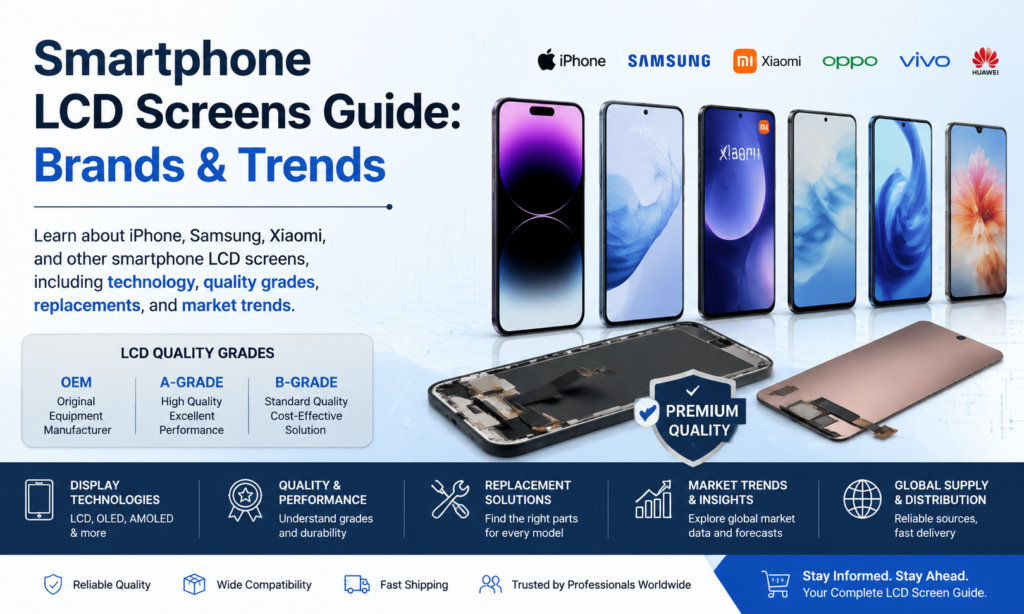
Het smartphonedisplay is een van de belangrijkste componenten die de gebruikerservaring bepaalt, waarde van het apparaat, en reparatievraag. Als mensen een nieuwe telefoon kopen, ze richten zich meestal op de camera, verwerker, batterij, en ontwerp, maar het scherm is het deel waarmee ze elke seconde communiceren. Of het nu gaat om het scrollen op sociale media, video's kijken, spelletjes spelen, of op afstand werken, het display heeft rechtstreeks invloed op het comfort en de prestaties.
Vandaag, grote smartphonemerken zoals Apple iPhone, Samsung Galaxy, Xiaomi redmi, Huawei, Eer, Tegen, Levend, en Google Pixel geavanceerde weergavetechnologieën blijven ontwikkelen. Van traditionele LCD-panelen tot OLED, AMOLED, flexibele displays, en schermen met een hoge verversingssnelheid, smartphone-displaytechnologie heeft een snelle evolutie doorgemaakt.
Voor reparatiebedrijven voor mobiele telefoons, groothandelaren, en distributeurs, Het begrijpen van LCD-schermen is essentieel. De markt omvat verschillende kwaliteiten zoals originele schermen, OEM-displays, gerenoveerde schermen, aftermarket-schermen, en compatibele vervangingsschermen. Het kiezen van het juiste display heeft niet alleen invloed op het succes van de reparatie, maar bepaalt ook de klanttevredenheid en de bedrijfswinstgevendheid.
In deze gids wordt de kennis achter populaire schermen van smartphonemerken uitgelegd, inclusief displaytechnologie, productiekwaliteit, vervangingsmogelijkheden, en toekomstige trends.
Inzicht in LCD-schermen van smartphones en hun belang
Wat is een LCD-scherm voor een mobiele telefoon?
Het LCD-scherm van een smartphone is een weergavemodule die verantwoordelijk is voor het maken van afbeeldingen, kleuren tonen, en reageren op aanraakopdrachten van gebruikers. LCD staat voor Vloeibare kristalweergave, een technologie die vloeibare kristallen gebruikt die worden bestuurd door elektrische signalen om beelden te produceren.
Traditionele LCD-panelen hebben achtergrondverlichting nodig omdat vloeibare kristallen hun eigen licht niet kunnen produceren. Achter de weergavelaag, LED-achtergrondverlichting verlicht de pixels, waardoor gebruikers afbeeldingen duidelijk kunnen zien.
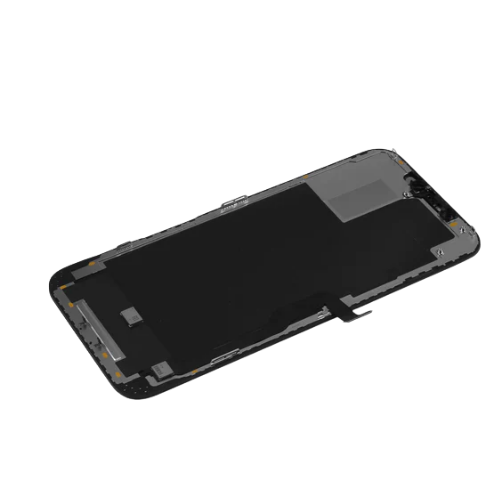
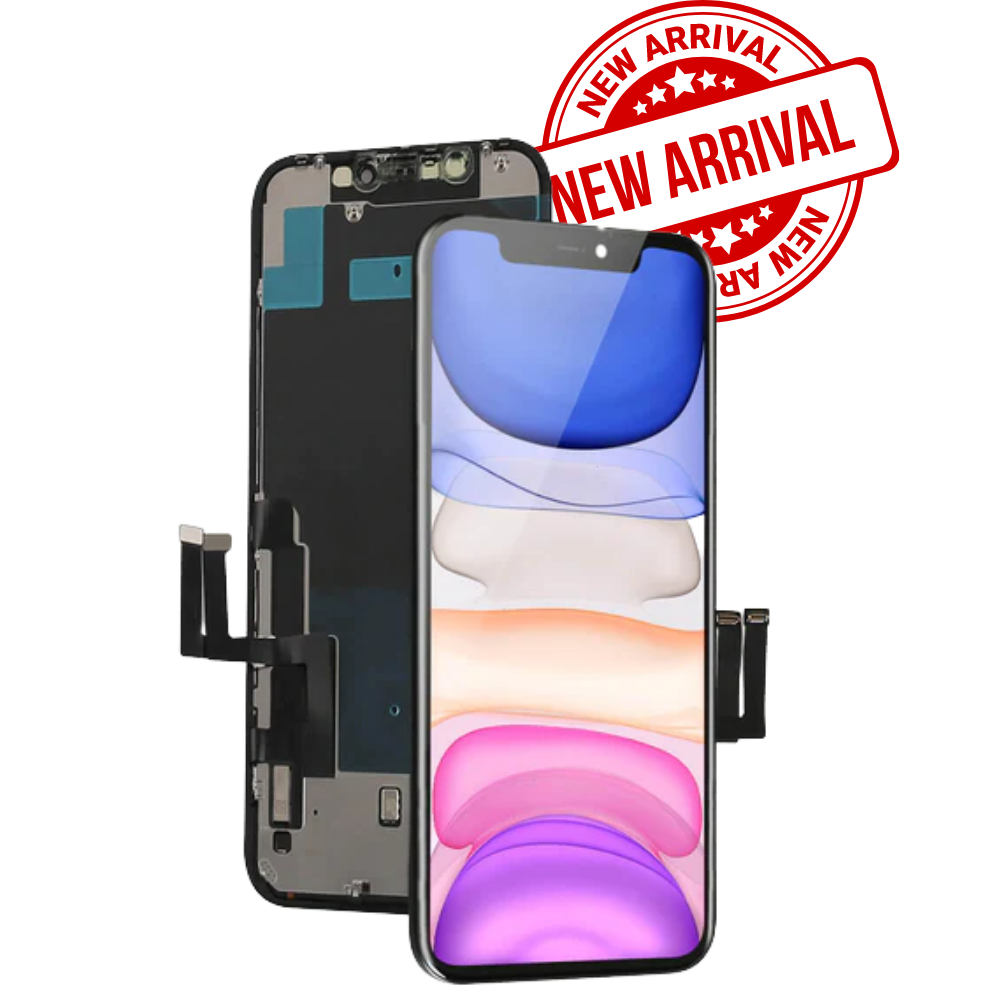
Een compleet smartphonedisplay bestaat meestal uit meerdere lagen:
- Afdekglas
- Touch-digitizer
- LCD- of OLED-displaypaneel
- Achtergrondverlichtingsmodule (voor LCD-schermen)
- Flexibele kabel (FPC)
- Bestuurder IC
- Frame of beugel
Al lijkt het scherm uit één stuk te bestaan, het is eigenlijk een sterk geïntegreerde elektronische structuur. Een klein probleem in welke laag dan ook kan de helderheid beïnvloeden, aanraakgevoeligheid, kleurnauwkeurigheid, of duurzaamheid.
Bijvoorbeeld, een vervangend scherm kan een goed LCD-paneel gebruiken, maar glas van slechte kwaliteit. De beeldkwaliteit ziet er mogelijk acceptabel uit, maar de aanrakingsreactie of slagvastheid kan zwakker zijn. Dit is de reden waarom professionele kopers het volledige beeldscherm beoordelen in plaats van alleen het zichtbare scherm.
Hoofdcomponenten in een smartphone-beeldscherm
De LCD-module bevat verschillende kritische onderdelen die samenwerken.
De LCD-paneel creëert het beeld. Het bestuurt miljoenen pixels die verschillende kleuren weergeven. Panelen van hogere kwaliteit zorgen voor een betere helderheid, contrast, Hoeken bekijken, en energie-efficiëntie.
De touch-digitizer detecteert vingerbewegingen. Moderne smartphones combineren aanraakfunctionaliteit met het display met behulp van geavanceerde technologieën zoals in-cell en on-cell touch-oplossingen.
De dekglas beschermt het display tegen krassen en stoten. Merken als Apple en Samsung gebruiken speciaal versterkte glastechnologieën om de duurzaamheid te verbeteren.
De bestuurder IC regelt de communicatie tussen het moederbord van de smartphone en het display. Een beschadigd driver-IC of een driver-IC van lage kwaliteit kan problemen zoals flikkeren veroorzaken, lijnen, zwarte schermen, of aanrakingsfouten.
Voor LCD-groothandelaren en reparatiewerkplaatsen, Als u deze componenten begrijpt, kunt u bepalen of een scherm echt van hoge kwaliteit is.
Evolutie van smartphone-displaytechnologie
Van traditionele LCD-schermen tot geavanceerde displayoplossingen
De smartphone-display-industrie is de afgelopen tien jaar dramatisch veranderd. Vroege smartphones gebruikten voornamelijk eenvoudige TFT LCD-schermen, die een acceptabele beeldkwaliteit bood, maar beperkingen had in de helderheid, dikte, en stroomverbruik.
Later, fabrikanten introduceerden technologieën zoals IPS-LCD, wat de kijkhoeken en kleurweergave verbeterde. IPS LCD werd op grote schaal gebruikt in veel smartphones uit het middensegment omdat het betrouwbare prestaties leverde tegen redelijke kosten.
Vandaag, premium smartphones maken steeds vaker gebruik van OLED- en AMOLED-schermen. In tegenstelling tot LCD-panelen, OLED-pixels genereren hun eigen licht, waardoor fabrikanten dunnere apparaten kunnen maken met diepere zwarttinten en een beter contrast.
Echter, LCD-technologie blijft belangrijk. Veel smartphones, tabletten, industriële apparaten, en budgettelefoons gebruiken nog steeds LCD vanwege de voordelen ervan:
| Functie | LCD-scherm | OLED/AMOLED-scherm |
|---|---|---|
| Productiekosten | Lager | Hoger |
| Helderheid | Goed | Uitstekend |
| Zwart niveau | Gemiddeld | Perfect zwart |
| Risico op inbranden | Zeer laag | Mogelijk |
| Levensduurstabiliteit | Sterk | Afhankelijk van gebruik |
| Reparatiekosten | Meestal lager | Meestal hoger |
Er is nog steeds een sterke vraag naar LCD's op de vervangingsmarkt, omdat miljoenen apparaten over de hele wereld betaalbare reparaties nodig hebben.
LCD vs OLED vs AMOLED: Belangrijkste verschillen
Veel consumenten verwarren LCD, OLED, en AMOLED-technologieën, maar ze werken anders.
LCD-schermen gebruik een achtergrondverlichtingssysteem. Elke pixel ontvangt licht van achteren, waardoor de productie eenvoudiger en goedkoper wordt.
OLED-schermen gebruik organische materialen die hun eigen licht uitstralen. Elke pixel kan volledig worden uitgeschakeld, echte zwarte kleuren creëren.
AMOLED -displays zijn een geavanceerde OLED-technologie met een actief matrixsysteem. Ze bieden snellere responstijden en verbeterde efficiëntie, waardoor ze populair zijn in vlaggenschip-smartphones.
Voor reparatiebedrijven, OLED- en AMOLED-vervangingen hebben doorgaans hogere prijzen omdat de productietechnologie ingewikkelder is.
Kennis van Apple iPhone-displaytechnologie
Ontwikkelingsgeschiedenis van iPhone LCD-scherm
Apple heeft altijd veel aandacht besteed aan de weergavekwaliteit. Eerdere iPhone-modellen maakten vooral gebruik van LCD-technologie, inclusief populaire modellen zoals iPhone 6, iPhone 7, iPhone 8, en iPhone XR.
Apple gebruikte geavanceerde LCD-technologieën zoals Retina-display En Vloeibaar Retina-display om de pixeldichtheid te verbeteren, kleurnauwkeurigheid, en kijkervaring.
De iPhone XR, Bijvoorbeeld, gebruikte een 6,1-inch Liquid Retina LCD-scherm. Hoewel het geen OLED was, Apple heeft het paneel zorgvuldig geoptimaliseerd om uitstekende helderheid en kleurprestaties te bieden.
Latere iPhone-vlaggenschipmodellen gingen over op OLED-technologie, vooral na de introductie van de iPhone X-serie.
Echter, LCD-iPhones blijven zeer actief op de reparatiemarkt omdat miljoenen gebruikers deze apparaten blijven gebruiken.
Origineel, Gerenoveerd, en vervangende iPhone-schermen
De markt voor iPhone-schermvervanging omvat verschillende kwaliteitsniveaus.
Originele schermen zijn beeldschermen die zijn vervaardigd volgens de originele specificaties van Apple. Ze bieden meestal de beste helderheid, kleurnauwkeurigheid, en aanraakprestaties.
Originele refurbished schermen gebruik meestal originele LCD/OLED-panelen met vervangen buitenglas. Professionele renovatie kan uitstekende prestaties herstellen.
Aftermarket-schermen worden geproduceerd door externe fabrikanten. De kwaliteit varieert aanzienlijk, afhankelijk van de fabrieksnormen.
Bij aankoop van vervangende iPhone-schermen, kopers moeten controleren:
- Helderheid weergeven
- Raak de gevoeligheid aan
- Kleurconsistentie
- Glaskwaliteit
- IC-prestaties
- Garantieondersteuning
Een scherm met een lage prijs kan meer problemen opleveren dan besparingen als klanten terugkeren vanwege kwaliteitsproblemen.
Schermtechnologie voor mobiele telefoons van Samsung
Super AMOLED en dynamische AMOLED-innovatie
Samsung is een van de grootste beeldschermfabrikanten ter wereld. Het bedrijf heeft geavanceerde AMOLED-technologieën ontwikkeld die worden gebruikt in de vlaggenschip-smartphones van Galaxy.
Apparaten uit de Samsung Galaxy S- en Galaxy Note-serie staan bekend om hun Super AMOLED En Dynamische AMOLED displays.
De belangrijkste voordelen zijn onder meer:
- Hoge contrastverhouding
- Uitstekende kleurprestaties
- Dun ontwerp
- Laag stroomverbruik
- Snelle responstijd
De displaytechnologie van Samsung wordt ook aan andere smartphonefabrikanten geleverd, waaruit de sterke positie van het bedrijf in de wereldwijde display-industrie blijkt.
Marktanalyse van Samsung LCD-vervanging
Hoewel veel vlaggenschiptelefoons van Samsung AMOLED gebruiken, Veel Galaxy A-series en oudere modellen creëren nog steeds een sterke vraag naar vervangende LCD-assemblages.
Reparatiebedrijven kopen Samsung-schermen vaak in bulk omdat Samsung-apparaten een grote wereldwijde gebruikersbasis hebben.
Veel voorkomende vervangingsproblemen zijn onder meer:
- Originele versus aftermarket AMOLED-kwaliteit
- Verschillen in schermhelderheid
- Compatibiliteit met vingerafdruksensoren
- Framekwaliteit
- Betrouwbaarheid van lijm
Professionele leveranciers voeren doorgaans meerdere inspectieprocedures uit voordat ze displays naar klanten verzenden.
Xiaomi en Redmi LCD-schermfuncties
Waarom Xiaomi-schermen populair zijn op de reparatiemarkt
Xiaomi- en Redmi-smartphones zijn enorm populair geworden omdat ze sterke specificaties bieden tegen concurrerende prijzen.
Modellen zoals Redmi Note-serie, Redmi K-serie, en vlaggenschiptelefoons van Xiaomi hebben een enorme mondiale vraag gecreëerd.
De reparatiemarkt voor Xiaomi-schermen blijft groeien omdat:
- Grote geïnstalleerde gebruikersbasis
- Betaalbare apparaatprijzen
- Hoge vervangingsvraag
- Sterke internationale verkoop
Veel groothandels kiezen voor Xiaomi LCD-schermen omdat deze een goede marktomzet bieden.
Kwaliteitsklassen van Xiaomi-vervangende beeldschermen
Vervangingsschermen van Xiaomi verschijnen doorgaans in verschillende kwaliteitscategorieën:
| Schermtype | Beschrijving | Marktpositie |
|---|---|---|
| Originele trek | Verwijderd van originele telefoons | Premie |
| Origineel gerenoveerd | Origineel paneel met vervangen glas | Hoge kwaliteit |
| OEM-kwaliteit | Compatibele productie op fabrieksniveau | Midden tot hoog |
| Aftermarket | Productie door derden | Begroting |
Professionele kopers moeten begrijpen dat goedkoper niet altijd beter is. Een stabiele leverancier met consistente kwaliteitscontrole is doorgaans waardevoller dan een leverancier die de laagste prijs biedt.
Huawei, Eer, Tegen, en Vivo Display-technologie
Chinese smartphonemerken hebben zwaar geïnvesteerd in display-innovatie.
De vlaggenschiptelefoons van Huawei introduceerden geavanceerde OLED-schermen, gebogen schermen, en panelen met hoge resolutie. Honor bleef premium displaytechnologieën ontwikkelen nadat hij een onafhankelijk merk was geworden.
Oppo en Vivo hebben ook de ontwikkeling van smartphoneschermen gestimuleerd, vooral op gebieden als:
- Hoge vernieuwingsfrequenties
- Gebogen displays
- Opvouwbare telefoons
- Technologie voor oogbescherming
Deze merken creëren een aanzienlijke vraag naar vervangende schermen op de wereldmarkten.
Voor LCD-verdelers, Chinese smartphonemerken bieden grote kansen omdat de vraag naar reparaties blijft toenemen naarmate de verzendingen van apparaten toenemen.
Hoe u LCD-schermen van mobiele telefoons van hoge kwaliteit kunt identificeren
Belangrijke testnormen voor LCD-leveranciers
Een professionele LCD-leverancier moet vóór levering strikte kwaliteitscontroles uitvoeren.
Gemeenschappelijke inspectieprocedures omvatten:
- Testen van dode pixels
- Testen van de aanraakfunctie
- Helderheid testen
- Kleur testen
- Frame-inspectie
- Flexkabel testen
- Kwaliteitscontrole van glas
Hoogwaardige leveranciers voeren vaak tientallen inspectiestappen uit om klachten van klanten te verminderen.
Kopers moeten ook overwegen:
- Ervaring van leveranciers
- Fabriekscapaciteit
- Garantiebeleid
- Verpakkingskwaliteit
- Verzendingsbescherming
Een betrouwbare leverancier verkoopt niet alleen producten, maar biedt ook kwaliteitsborging.
LCD-scherm voor mobiele telefoons Kennis van de groothandelsmarkt
Origineel, OEM, Aftermarket, en gerenoveerde schermen
De wereldwijde reparatie-industrie voor mobiele telefoons is afhankelijk van verschillende schermaanvoerkanalen.
Originele schermen hebben de voorkeur voor premiumreparaties, maar brengen hogere kosten met zich mee.
OEM- en compatibele schermen bieden een balans tussen kwaliteit en prijs.
Gereviseerde schermen zijn populair omdat ze originele beeldschermpanelen hergebruiken en tegelijkertijd de kosten verlagen.
Aftermarket-schermen zijn gericht op betaalbaarheid en worden veel gebruikt voor budgetreparaties.
Elke categorie heeft verschillende klanten en marktvraag.
Hoe kopers betrouwbare LCD-leveranciers kiezen
Groothandelkopers moeten leveranciers zorgvuldig beoordelen.
Belangrijke factoren zijn onder meer:
- Productconsistentie
- Beschikbaarheid van voorraad
- Kwaliteitscontrolesysteem
- Snelle levering
- Technische ondersteuning
- Klantenservice
Voor internationale kopers die uit China kopen, Locatie van de leverancier is ook belangrijk. Het Huaqiangbei-gebied in Shenzhen is een van 's werelds grootste handelscentra voor elektronica, met uitgebreide toeleveringsketens voor mobiele telefoononderdelen.
Toekomstige trends in smartphone-displaytechnologie
Flexibele beeldschermen, AI-functies, en schermen van de volgende generatie
De toekomst van smartphonedisplays zal zich richten op flexibiliteit, duurzaamheid, en intelligente functies.
Opvouwbare smartphones worden steeds gebruikelijker, waarvoor geavanceerde flexibele OLED-technologie vereist is.
Toekomstige displays kunnen dit omvatten:
- Hogere vernieuwingsfrequenties
- Verbeterde energie-efficiëntie
- Camera's onder het display
- AI-aangedreven visuele optimalisatie
- Duurzamere materialen
Kunstmatige intelligentie zal ook de displaytechnologie beïnvloeden. Smartphones kunnen de helderheid automatisch aanpassen, kleur temperatuur, en vernieuwingsfrequentie op basis van gebruikersgedrag.
Hoewel OLED en flexibele beeldschermen de premiumtoestellen domineren, LCD-technologie zal betaalbare smartphones en vervangingsmarkten blijven bedienen.
Conclusie
LCD-schermen van smartphones zijn meer dan eenvoudige weergavecomponenten. Ze vertegenwoordigen een combinatie van geavanceerde materialen, precisie productie, elektronische techniek, en consumententechnologietrends.
Populaire merken zoals Appel, Samsung, Xiaomi, Huawei, Tegen, en Vivo blijven hun displayoplossingen verbeteren, het creëren van zowel kansen als uitdagingen voor reparatiebedrijven en LCD-groothandelaren.
Schermtypen begrijpen, kwaliteitsklassen, productieverschillen, en markttrends helpen kopers betere aankoopbeslissingen te nemen. Of het nu gaat om originele schermen, gerenoveerde beeldschermen, OEM-producten, of vervangingen op de aftermarket, kwaliteitscontrole blijft de belangrijkste factor.
Terwijl de smartphonetechnologie zich blijft ontwikkelen, Displaykennis zal steeds waardevoller worden voor bedrijven die betrokken zijn bij de reparatie van mobiele telefoons en de distributie van onderdelen.
Veelgestelde vragen over LCD-schermen van smartphones
1. Wat is het verschil tussen een origineel LCD-scherm en een aftermarket-scherm?
Een origineel LCD-scherm volgt de specificaties van de fabrikant en biedt doorgaans een betere helderheid, kleurnauwkeurigheid, en duurzaamheid. Aftermarket-schermen worden geproduceerd door externe fabrieken en de kwaliteit is afhankelijk van de leverancier.
2. Zijn refurbished smartphoneschermen betrouwbaar??
Ja, professioneel gereviseerde schermen kunnen uitstekende prestaties leveren omdat ze vaak originele displaypanelen gebruiken met vervangen glas. De kwaliteit is afhankelijk van renovatietechnologie en inspectienormen.
3. Welke smartphonemerken hebben de hoogste vraag naar schermvervanging??
Apple iPhone, Samsung Galaxy, Xiaomi redmi, Huawei, Tegen, en Vivo behoren tot de merken met een sterke vraag naar vervanging vanwege hun grote wereldwijde gebruikersbasis.
4. Hoe kunnen kopers de kwaliteit van het mobiele LCD-scherm controleren voordat ze kopen??
Kopers moeten de reputatie van leveranciers controleren, testprocedures, garantievoorwaarden, productmonsters, en feedback van klanten voordat u grote bestellingen plaatst.
5. Zullen LCD-schermen verdwijnen vanwege OLED-technologie??
Nee. OLED groeit in premium smartphones, maar LCD-schermen blijven belangrijk omdat ze lagere productiekosten bieden, stabiele prestaties, en een sterke vraag op de markten voor betaalbare apparaten en reparaties.