Afișajul smartphone-ului este una dintre cele mai importante componente care determină experiența utilizatorului, valoarea dispozitivului, și cererea de reparații. Când oamenii cumpără un telefon nou, de obicei se concentrează pe cameră, procesor, baterie, și design, dar ecranul este partea cu care interacționează în fiecare secundă. Fie că derulați rețelele sociale, vizionarea videoclipurilor, jucând jocuri, sau lucrul de la distanță, display-ul afectează direct confortul și performanța.
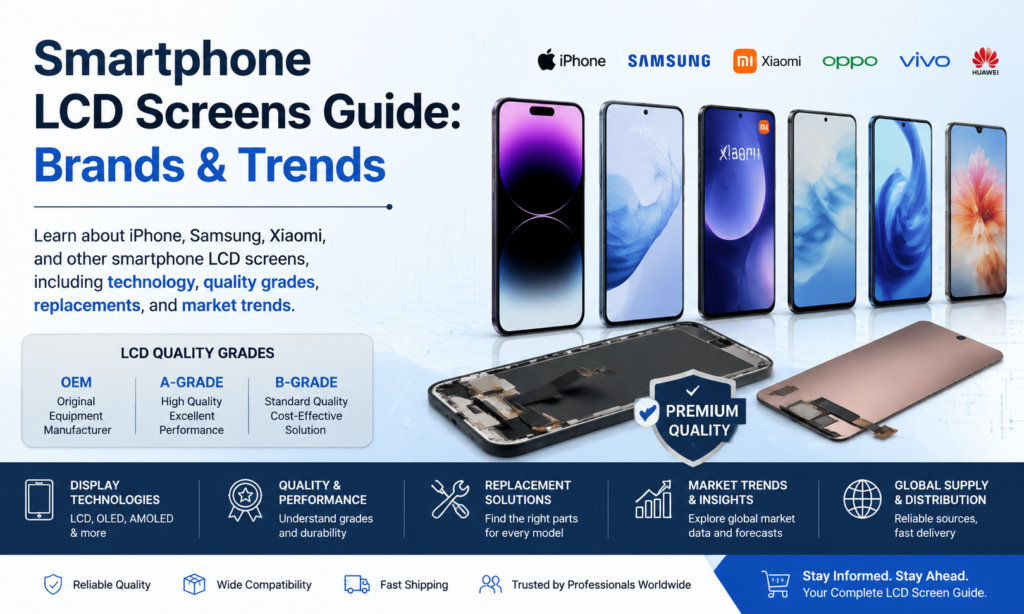
Astăzi, mărci majore de smartphone-uri precum Apple iPhone, Samsung Galaxy, Xiaomi Redmi, Huawei, Onora, Oppo, Vivo, și Google Pixel continuă să dezvolte tehnologii avansate de afișare. De la panouri LCD tradiționale la OLED, Amoled, display-uri flexibile, și ecrane cu rată de reîmprospătare ridicată, tehnologia de afișare a smartphone-ului a cunoscut o evoluție rapidă.
Pentru întreprinderile de reparații de telefoane mobile, angrosisti, si distribuitori, înțelegerea ecranelor LCD este esențială. Piața include diferite calități precum ecrane originale, Display-uri OEM, ecrane recondiționate, ecrane aftermarket, și ecrane de schimb compatibile. Alegerea afișajului corect nu afectează numai succesul reparației, ci determină și satisfacția clienților și profitabilitatea afacerii.
Acest ghid explică cunoștințele din spatele ecranelor populare ale mărcilor de smartphone-uri, inclusiv tehnologia de afișare, calitatea fabricatiei, opțiuni de înlocuire, și tendințele viitoare.
Înțelegerea ecranelor LCD pentru smartphone-uri și importanța lor
Ce este un ecran LCD pentru telefonul mobil?
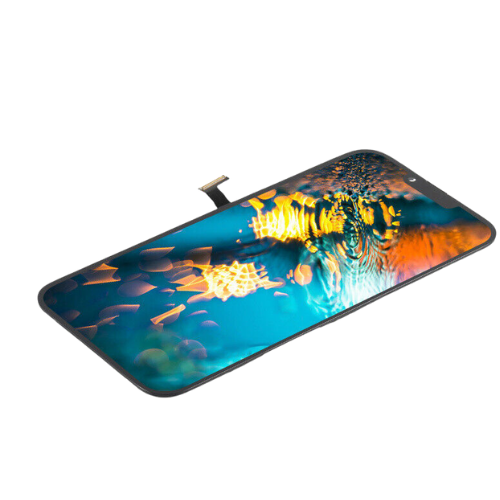
Ecranul LCD al unui smartphone este un modul de afișare responsabil cu crearea imaginilor, arătând culori, și să răspundă la comenzile tactile ale utilizatorului. LCD înseamnă Afișare de cristal lichid, o tehnologie care folosește cristale lichide controlate de semnale electrice pentru a produce imagini.
Panourile LCD tradiționale necesită o lumină de fundal, deoarece cristalele lichide nu pot produce propria lumină. În spatele stratului de afișare, Luminile de fundal cu LED iluminează pixelii, permițând utilizatorilor să vadă imaginile clar.
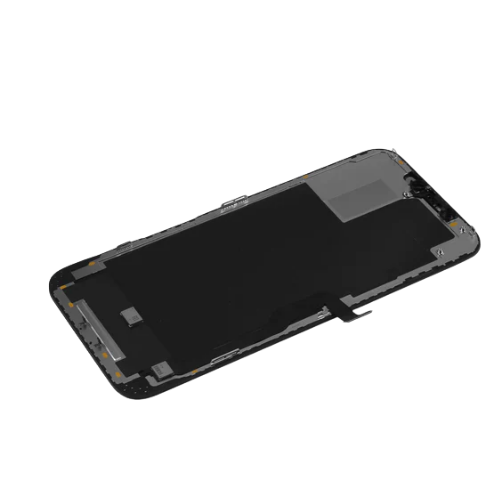
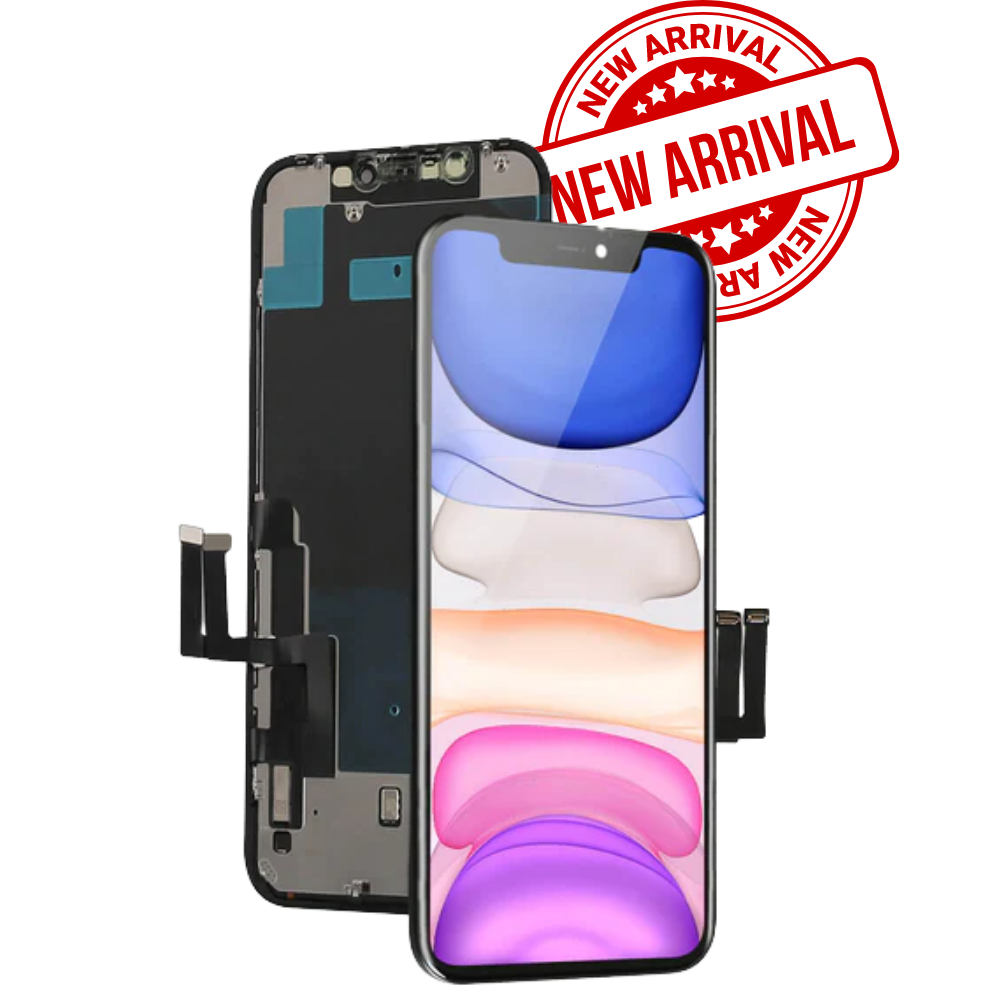
Un ansamblu complet de afișaj pentru smartphone include de obicei mai multe straturi:
- Sticlă de acoperire
- Digitalizator tactil
- Panou de afișare LCD sau OLED
- Modul de iluminare de fundal (pentru ecrane LCD)
- Cablu flexibil (FPC)
- Driver IC
- Cadru sau suport
Deși ecranul arată ca o singură bucată, este de fapt o structură electronică foarte integrată. O mică problemă în orice strat poate afecta luminozitatea, sensibilitate la atingere, Precizia culorilor, sau durabilitate.
De exemplu, un ecran de înlocuire poate folosi un panou LCD bun, dar sticlă de proastă calitate. Calitatea imaginii poate părea acceptabilă, dar răspunsul la atingere sau rezistența la impact pot fi mai slabe. Acesta este motivul pentru care cumpărătorii profesioniști evaluează ansamblul complet de afișaj, mai degrabă decât doar ecranul vizibil.
Componentele principale din interiorul unui ansamblu de afișaj pentru smartphone
Modulul LCD conține mai multe părți critice care funcționează împreună.
The panou LCD creează imaginea. Controlează milioane de pixeli care afișează culori diferite. Panourile de calitate superioară oferă o luminozitate mai bună, contrast, unghiuri de vizualizare, si eficienta energetica.
The digitizator tactil detectează mișcările degetelor. Smartphone-urile moderne combină funcționalitatea tactilă cu afișajul folosind tehnologii avansate, cum ar fi soluțiile tactile în celulă și în celulă.
The sticla de acoperire protejează afișajul de zgârieturi și impact. Mărcile precum Apple și Samsung folosesc tehnologii de sticlă special consolidate pentru a îmbunătăți durabilitatea.
The driver IC controlează comunicarea dintre placa de bază a smartphone-ului și afișaj. Un circuit integrat de driver deteriorat sau de calitate scăzută poate cauza probleme precum pâlpâirea, linii, ecrane negre, sau eșecuri la atingere.
Pentru angrosistii LCD si magazinele de reparatii, înțelegerea acestor componente ajută la determinarea dacă un ecran este cu adevărat de înaltă calitate.
Evoluția tehnologiei de afișare a smartphone-urilor
De la LCD tradițional la soluții avansate de afișare
Industria afișajelor pentru smartphone-uri s-a schimbat dramatic în ultimul deceniu. Primele smartphone-uri foloseau în principal ecrane LCD TFT simple, care oferea o calitate acceptabilă a imaginii, dar avea limitări în luminozitate, grosime, și consumul de energie.
Mai târziu, producătorii au introdus tehnologii precum LCD IPS, care a îmbunătățit unghiurile de vizualizare și reproducerea culorilor. IPS LCD a devenit utilizat pe scară largă în multe smartphone-uri de gamă medie, deoarece a oferit performanțe fiabile la un cost rezonabil.
Astăzi, smartphone-urile premium folosesc din ce în ce mai mult ecrane OLED și AMOLED. Spre deosebire de panourile LCD, Pixelii OLED își generează propria lumină, permițând producătorilor să creeze dispozitive mai subțiri, cu un negru mai profund și un contrast mai bun.
Cu toate acestea, Tehnologia LCD rămâne importantă. Multe smartphone-uri, tablete, dispozitive industriale, iar telefoanele de buget încă mai folosesc LCD datorită avantajelor sale:
| Caracteristică | Ecran LCD | Ecran OLED/AMOLED |
|---|---|---|
| Costul de fabricație | Mai jos | Superior |
| Luminozitate | Bun | Excelent |
| Nivelul Negru | Medie | Negru perfect |
| Risc de ardere | Foarte Scăzut | Posibil |
| Stabilitatea duratei de viață | Puternic | Depinde de utilizare |
| Costul reparației | De obicei mai jos | De obicei Mai înalt |
LCD continuă să aibă o cerere puternică pe piața de înlocuire, deoarece milioane de dispozitive din întreaga lume necesită reparații la prețuri accesibile.
LCD vs OLED vs AMOLED: Diferențele cheie
Mulți consumatori confundă LCD-ul, OLED, și tehnologiile AMOLED, dar funcționează diferit.
Afișaje LCD utilizați un sistem de iluminare de fundal. Fiecare pixel primește lumină din spate, ceea ce face producția mai ușoară și mai ieftină.
Afișaje OLED utilizați materiale organice care emit propria lumină. Fiecare pixel se poate opri complet, creând adevărate culori negre.
Afișaje AMOLED sunt o tehnologie OLED avansată cu un sistem de matrice activă. Acestea oferă timpi de răspuns mai rapizi și eficiență îmbunătățită, făcându-le populare în smartphone-urile emblematice.
Pentru afaceri de reparații, Înlocuirile OLED și AMOLED au de obicei prețuri mai mari, deoarece tehnologia de producție este mai complicată.
Cunoștințe despre tehnologie de afișare Apple iPhone
Istoricul dezvoltării ecranului LCD pentru iPhone
Apple a acordat întotdeauna o atenție deosebită calității afișajului. Modelele anterioare de iPhone foloseau în principal tehnologia LCD, inclusiv modele populare, cum ar fi iPhone 6, iPhone 7, iPhone 8, și iPhone XR.
Apple a folosit tehnologii LCD avansate, cum ar fi Display Retina şi Display Retina lichid pentru a îmbunătăți densitatea pixelilor, Precizia culorilor, și experiență de vizionare.
iPhone XR, de exemplu, a folosit un ecran LCD Liquid Retina de 6,1 inchi. Deși nu era OLED, Apple a optimizat panoul cu atenție pentru a oferi o luminozitate și o performanță de culoare excelente.
Ulterior, modelele emblematice de iPhone s-au mutat către tehnologia OLED, mai ales după introducerea seriei iPhone X.
Cu toate acestea, iPhone-urile LCD rămân foarte active pe piața reparațiilor, deoarece milioane de utilizatori continuă să folosească aceste dispozitive.
Original, Renovat, și ecrane iPhone de înlocuire
Piața de înlocuire a ecranului iPhone include mai multe niveluri de calitate.
Ecrane originale sunt afișaje fabricate conform specificațiilor originale Apple. Ele oferă de obicei cea mai bună luminozitate, Precizia culorilor, și performanța tactilă.
Ecrane originale reconditionate utilizați de obicei panouri LCD/OLED originale cu sticlă exterioară înlocuită. Renovarea profesională poate restabili performanțe excelente.
Ecrane aftermarket sunt produse de producători terți. Calitatea variază semnificativ în funcție de standardele fabricii.
Când cumpărați ecrane iPhone de schimb, cumpărătorii ar trebui să verifice:
- Luminozitatea afișajului
- Sensibilitate la atingere
- Consistența culorii
- Calitate sticla
- Performanță IC
- Suport în garanție
Un ecran cu preț scăzut poate crea mai multe probleme decât economii dacă clienții revin din cauza problemelor de calitate.
Tehnologia ecranului telefonului mobil Samsung
Inovație Super AMOLED și Dynamic AMOLED
Samsung este unul dintre cei mai importanți producători de display-uri din lume. Compania a dezvoltat tehnologii avansate AMOLED utilizate în smartphone-urile emblematice Galaxy.
Dispozitivele din seria Samsung Galaxy S și Galaxy Note sunt renumite pentru acestea Super AMOLED şi AMOLED dinamic afișează.
Avantajele cheie includ:
- Raport de contrast ridicat
- Performanță excelentă a culorii
- Design subțire
- Consum redus de energie
- Timp de răspuns rapid
Tehnologia de afișare Samsung este furnizată și altor producători de smartphone-uri, arătând poziția puternică a companiei în industria globală a afișajelor.
Analiza pieței de înlocuire a LCD-urilor Samsung
Deși multe telefoane emblematice Samsung folosesc AMOLED, multe din seria Galaxy A și modele mai vechi încă creează o cerere puternică pentru ansambluri LCD de înlocuire.
Companiile de reparații cumpără adesea ecrane Samsung în vrac, deoarece dispozitivele Samsung au o bază mare de utilizatori la nivel mondial.
Preocupările comune privind înlocuirea includ:
- Calitate AMOLED originală vs aftermarket
- Diferențele de luminozitate a ecranului
- Compatibilitate cu senzorul de amprentă
- Calitate cadrului
- Fiabilitatea adezivului
Furnizorii profesioniști efectuează de obicei mai multe proceduri de inspecție înainte de a expedia afișaje către clienți.
Caracteristicile ecranului LCD Xiaomi și Redmi
De ce sunt populare ecranele Xiaomi pe piața de reparații
Smartphone-urile Xiaomi și Redmi au devenit extrem de populare deoarece oferă specificații puternice la prețuri competitive.
Modele precum Seria Redmi Note, Seria Redmi K, și telefoane emblematice Xiaomi au creat o cerere globală uriașă.
Piața de reparații pentru ecranele Xiaomi continuă să crească deoarece:
- Baza mare de utilizatori instalați
- Prețuri accesibile pentru dispozitive
- Cerere mare de înlocuire
- Vânzări internaționale puternice
Mulți angrosisti aleg ecranele LCD Xiaomi pentru că oferă o cifră de afaceri bună pe piață.
Clasele de calitate ale ecranelor de înlocuire Xiaomi
Ecranele de înlocuire Xiaomi apar de obicei în diferite categorii de calitate:
| Tip de ecran | Descriere | Poziția pe piață |
|---|---|---|
| Tragere originală | Eliminat de pe telefoanele originale | Premium |
| Renovat original | Panou original cu sticla inlocuita | Calitate superioară |
| Calitate OEM | Producție compatibilă la nivel de fabrică | Mijloc spre Înalt |
| Aftermarket | Producție terță parte | Buget |
Cumpărătorii profesioniști ar trebui să înțeleagă că mai ieftin nu este întotdeauna mai bine. Un furnizor stabil cu un control constant al calității este de obicei mai valoros decât un furnizor care oferă cel mai mic preț.
Huawei, Onora, Oppo, și Tehnologia Vivo Display
Brandurile chineze de smartphone-uri au investit masiv în inovarea display-urilor.
Telefoanele emblematice Huawei au introdus ecrane OLED avansate, ecrane curbate, și panouri de înaltă rezoluție. Honor a continuat să dezvolte tehnologii de afișare premium după ce a devenit un brand independent.
Oppo și Vivo au impulsionat, de asemenea, dezvoltarea afișajelor pentru smartphone-uri, mai ales în zone precum:
- Rate de reîmprospătare ridicate
- Afișări curbate
- Telefoane pliabile
- Tehnologia de protecție a ochilor
Aceste mărci creează o cerere semnificativă pentru ecrane de înlocuire pe piețele globale.
Pentru distribuitorii LCD, Mărcile de smartphone-uri din China reprezintă o oportunitate majoră, deoarece cererea de reparații continuă să crească pe măsură ce livrările de dispozitive cresc.
Cum să identifici ecranele LCD de înaltă calitate pentru telefonul mobil
Standarde importante de testare pentru furnizorii de LCD
Un furnizor profesionist de LCD ar trebui să efectueze inspecții stricte de calitate înainte de livrare.
Procedurile comune de inspecție includ:
- Testarea pixelilor morți
- Testarea funcției tactile
- Testarea luminozității
- Testarea culorilor
- Inspecția cadrului
- Testarea cablului flexibil
- Controlul calității sticlei
Furnizorii de înaltă calitate efectuează adesea zeci de pași de inspecție pentru a reduce reclamațiile clienților.
Cumpărătorii ar trebui să ia în considerare, de asemenea:
- Experienta furnizorului
- Capacitatea fabricii
- Politica de garantie
- Calitate ambalaj
- Protecție la expediere
Un furnizor de încredere nu numai că vinde produse, ci oferă și asigurarea calității.
Ecran LCD pentru telefonul mobil Cunoașterea pieței cu ridicata
Original, OEM, Aftermarket, și ecrane recondiționate
Industria globală de reparații de telefoane mobile depinde de diferite canale de furnizare a ecranelor.
Ecranele originale sunt preferate pentru reparațiile premium, dar au costuri mai mari.
Ecranele OEM și compatibile oferă un echilibru între calitate și preț.
Ecranele recondiționate sunt populare, deoarece reutilizați panourile de afișare originale, reducând în același timp costurile.
Ecranele aftermarket se concentrează pe accesibilitate și sunt utilizate pe scară largă pentru reparații bugetare.
Fiecare categorie are clienți diferiți și cerere pe piață.
Cum aleg cumpărătorii furnizori LCD de încredere
Cumpărătorii angro ar trebui să evalueze furnizorii cu atenție.
Factorii importanți includ:
- Consecvența produsului
- Disponibilitatea stocului
- Sistem de control al calității
- Livrare rapidă
- Suport tehnic
- Serviciu clienți
Pentru cumpărătorii internaționali care cumpără din China, locația furnizorului este de asemenea importantă. Zona Huaqiangbei din Shenzhen este unul dintre cele mai mari centre de comerț cu produse electronice din lume, cu lanțuri extinse de aprovizionare cu piese pentru telefoane mobile.
Tendințele viitoare ale tehnologiei de afișare a smartphone-urilor
Afișaje flexibile, Caracteristici AI, și ecrane de generație următoare
Viitorul ecranelor smartphone-urilor se va concentra pe flexibilitate, durabilitate, și caracteristici inteligente.
Telefoanele inteligente pliabile devin din ce în ce mai frecvente, necesită tehnologie OLED flexibilă avansată.
Viitoarele afișaje pot include:
- Rate de reîmprospătare mai mari
- Eficiență energetică îmbunătățită
- Camere sub dispunere
- Optimizare vizuală bazată pe inteligență artificială
- Materiale mai rezistente
Inteligența artificială va influența și tehnologia de afișare. Smartphone-urile pot regla automat luminozitatea, temperatura de culoare, și rata de reîmprospătare în funcție de comportamentul utilizatorului.
Deși ecranele OLED și flexibile domină dispozitivele premium, Tehnologia LCD va continua să servească smartphone-uri la prețuri accesibile și piețe de înlocuire.
Concluzie
Ecranele LCD ale smartphone-urilor sunt mai mult decât simple componente de afișare. Ele reprezintă o combinație de materiale avansate, fabricație de precizie, inginerie electronică, și tendințele tehnologiei de consum.
Mărci populare precum Măr, Samsung, Xiaomi, Huawei, Oppo, și Vivo continuă să-și îmbunătățească soluțiile de afișare, creând atât oportunități, cât și provocări pentru întreprinderile de reparații și angrosistii de LCD.
Înțelegerea tipurilor de ecran, grade de calitate, diferențe de fabricație, iar tendințele pieței îi ajută pe cumpărători să ia decizii mai bune de cumpărare. Fie că alegeți ecrane originale, display-uri renovate, Produse OEM, sau înlocuiri aftermarket, controlul calității rămâne factorul cheie.
Pe măsură ce tehnologia smartphone-ului continuă să evolueze, cunoștințele de afișare vor deveni din ce în ce mai valoroase pentru întreprinderile implicate în repararea telefoanelor mobile și distribuția de piese.
Întrebări frecvente despre ecranele LCD ale smartphone-urilor
1. Care este diferența dintre un ecran LCD original și un ecran aftermarket?
Un ecran LCD original respectă specificațiile producătorului și oferă de obicei o luminozitate mai bună, Precizia culorilor, si durabilitate. Ecranele aftermarket sunt produse de fabrici terțe, iar calitatea depinde de furnizor.
2. Ecranele smartphone-urilor recondiționate sunt fiabile?
Da, Ecranele recondiționate profesional pot oferi performanțe excelente, deoarece folosesc adesea panouri de afișare originale cu sticlă înlocuită. Calitatea depinde de tehnologia de recondiționare și standardele de inspecție.
3. Ce mărci de smartphone-uri au cea mai mare cerere de înlocuire a ecranului?
Apple iPhone, Samsung Galaxy, Xiaomi Redmi, Huawei, Oppo, și Vivo se numără printre mărcile cu cerere puternică de înlocuire din cauza bazelor lor mari de utilizatori la nivel mondial.
4. Cum pot cumpărătorii să verifice calitatea ecranului LCD mobil înainte de a cumpăra?
Cumpărătorii ar trebui să verifice reputația furnizorului, proceduri de testare, termenii de garanție, mostre de produse, și feedback-ul clienților înainte de a plasa comenzi mari.
5. Ecranele LCD vor dispărea din cauza tehnologiei OLED?
Nu. OLED este în creștere în smartphone-urile premium, dar ecranele LCD rămân importante deoarece oferă costuri de producție mai mici, performanță stabilă, și cerere puternică pe piețele de dispozitive și reparații la prețuri accesibile.