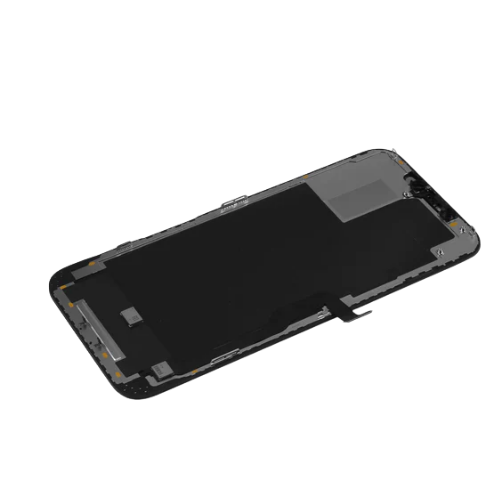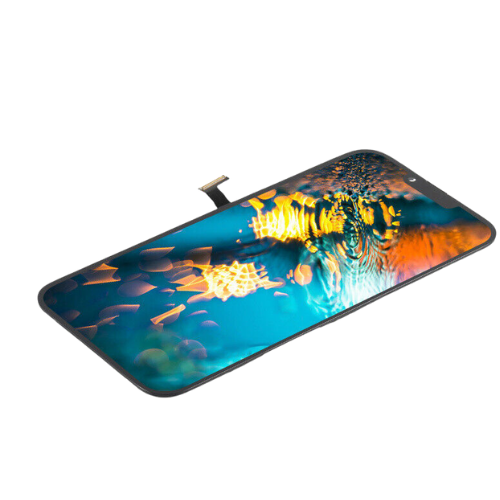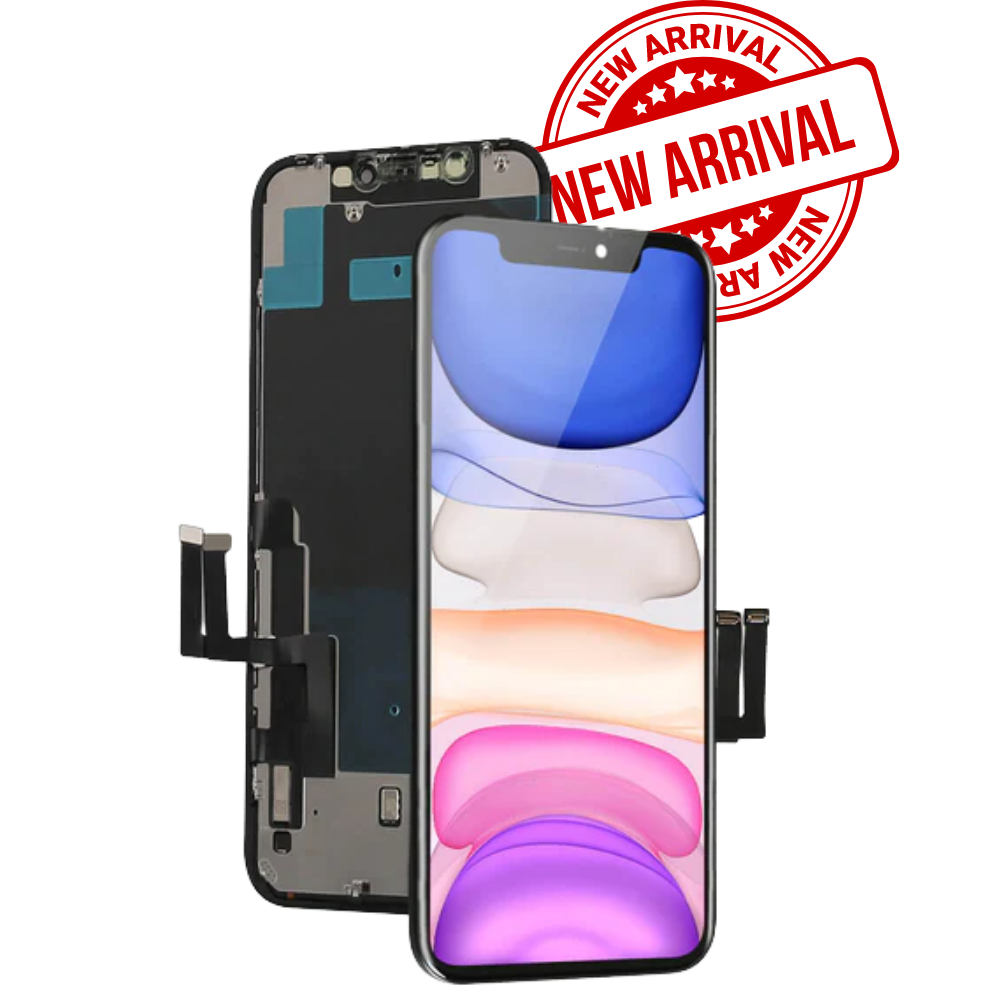

Introducere în ecranele Samsung Galaxy A Series
Seria Samsung Galaxy A se află chiar în punctul favorabil al pieței de smartphone-uri. Nu este entry-level, nu este ultra-premium, dar împrumută mult ADN premium. Unul dintre cele mai clare exemple? Afișajul. Samsung a făcut din ecran o caracteristică definitorie a gamei Galaxy A, aducerea tehnologiei avansate a panourilor unui public mai larg.
În utilizarea de zi cu zi, afișajul este locul în care utilizatorii interacționează cel mai mult cu telefoanele lor. De la derularea rețelelor sociale până la vizionarea videoclipurilor și verificarea e-mailurilor sub lumina puternică a soarelui, calitatea ecranului modelează în liniște întreaga experiență. Samsung știe bine acest lucru, motiv pentru care seria Galaxy A prezintă în mod constant soluții de afișare de înaltă calitate, mai degrabă decât tăieturi.
Prezentare generală a inovației Samsung Display
Înainte de a scufunda mai adânc, merită să clarificăm o confuzie comună. Samsung Electronics produce telefoanele. Samsung Display proiectează și produce panourile. Acestea sunt două entități separate sub umbrela Samsung, iar Samsung Display este lider global în tehnologia OLED.
Acest lucru contează deoarece telefoanele din seria Galaxy A beneficiază direct de experiența de lungă durată a Samsung Display în dezvoltarea AMOLED. În loc să se aprovizioneze cu panouri generice, Samsung își integrează propria matură, tehnologie OLED produsă în masă — ceva pe care puțini concurenți îl pot egala la acest interval de preț.
Tehnologia de afișare de bază în seria Galaxy A
În centrul strategiei de afișare a seriei Galaxy A se află Super AMOLED. Acesta nu este un cuvânt la modă de marketing - este o evoluție specifică a tehnologiei AMOLED concepută pentru a îmbunătăți claritatea, receptivitatea, și eficiență.
Panourile AMOLED tradiționale ofereau deja pixeli auto-emisivi, dar Super AMOLED duce lucrurile mai departe prin integrarea stratului senzorului tactil direct în afișajul însuși. Gândește-te la asta ca și cum ai scoate o foaie suplimentară de sticlă dintr-un sandviș. Mai puține straturi înseamnă o transmisie mai bună a luminii, răspuns la atingere mai rapid, și un modul general mai subțire.
Structura tehnică a panourilor Super AMOLED
Panourile Super AMOLED se bazează pe o arhitectură de pixeli auto-emisivă. Fiecare pixel produce propria sa lumină, spre deosebire de LCD-urile care depind de o lumină de fundal care funcționează constant. Când un pixel este negru, pur și simplu se stinge. Rezultatul? Negru adevărat, contrast infinit, și o profunzime vizuală mai captivantă.
Stratul tactil integrat este un alt avantaj cheie. În loc să stivuiți un digitizer separat deasupra, Super AMOLED încorporează detectarea atingerii în panou. Acest lucru reduce reflexiile interne și îmbunătățește lizibilitatea la lumina soarelui - ceva ce utilizatorii observă imediat în aer liber.
Afișează caracteristicile de performanță
Una dintre cele mai izbitoare caracteristici ale Super AMOLED este contrastul. Cu pixeli capabili să se oprească complet, rapoartele de contrast pot ajunge teoretic 1,000,000:1. În termeni reali, asta înseamnă umbre mai adânci, evidențieri mai puternice, și un aspect mai cinematografic atunci când vizionați videoclipuri.
Performanța culorii este la fel de impresionantă. Ecranele din seria Galaxy A acoperă de obicei 100% a spațiului de culoare DCI-P3, același standard folosit în cinematografia digitală. Culorile par vibrante fără să arate artificiale, iar calibrarea din fabrică a Samsung ajută la menținerea coerenței între unități.
Luminozitate și vizibilitate în aer liber
Luminozitatea este adesea înțeleasă greșit. Nu este vorba doar de numerele maxime, ci de utilizare. Ecranele Super AMOLED din seria Galaxy A pot atinge niveluri de luminozitate maxime de aproximativ 1,200 nits în scenariile acceptate, cum ar fi redarea HDR sau lumina directă a soarelui.
Tehnologia Samsung Vision Booster ajustează dinamic contrastul și maparea tonurilor pe baza luminii ambientale. În loc să arunci pur și simplu luminozitate, îmbunătățește în mod inteligent vizibilitatea, făcând textul și imaginile mai clare în condiții dure de iluminare.
Eficiența energetică și impactul bateriei
Un beneficiu subestimat al Super AMOLED este eficiența energetică. Pentru că pixelii negri nu consumă aproape deloc energie, modul întunecat nu este doar mai ușor pentru ochi, ci economisește cu adevărat durata de viață a bateriei. Acest lucru este vizibil în special în aplicațiile de zi cu zi care utilizează elemente întunecate de UI.
Comparativ cu panourile LCD, care trebuie să păstreze lumina de fundal aprinsă în orice moment, Ecranele AMOLED pot reduce semnificativ consumul de energie în scenarii de utilizare mixtă. Pentru telefoane de gamă medie cu baterii mari, această eficiență se traduce printr-un timp mai lung de funcționare a ecranului.
Rata de reîmprospătare și experiența utilizatorului
Dispozitivele moderne din seria Galaxy A acceptă adesea rate de reîmprospătare ridicate, de obicei 90 Hz sau 120 Hz, in functie de model. O rată de reîmprospătare mai mare face derularea mai lină și animațiile mai fluide. Odată ce te obișnuiești, revenirea la 60Hz se simte ca și cum ați coborî pe o pasarelă mobilă.
Unele modele folosesc, de asemenea, tehnologia cu rată de reîmprospătare adaptivă, ajustarea dinamică a ratei de reîmprospătare în funcție de conținut. Imaginile statice nu au nevoie de 120 Hz, astfel încât telefonul îl reduce pentru a economisi energie — performanță inteligentă fără intervenția utilizatorului.
Durabilitate și protecție a ecranului
În timp ce panourile AMOLED sunt avansate, sunt și delicate. Samsung îmbină ecranele din seria Galaxy A cu sticlă de protecție întărită, adesea de la furnizori consacraţi. Acest lucru ajută la protejarea împotriva zgârieturilor și a impacturilor minore.
Burn-in este o altă problemă menționată adesea cu tehnologia OLED. Samsung atenuează acest lucru prin deplasarea pixelilor, managementul luminozității, și optimizări la nivel de software. În utilizare normală, burn-in este puțin probabil să fie o problemă pentru utilizatorul obișnuit.
Comparație cu alte tipuri de ecran
Nu toate ecranele sunt create la fel. Ecranele LCD și TFT există încă pe piață, mai ales în dispozitivele bugetare. Aceste ecrane se bazează pe lumini de fundal și obloane cu cristale lichide pentru a controla lumina, care limitează contrastul și mărește grosimea.
Tehnologia INCELL îmbunătățește ecranele LCD prin încorporarea senzorilor tactili în panou, făcându-le mai subțiri și mai receptive. Cu toate acestea, chiar și cel mai bun LCD INCELL nu poate reproduce adevăratul negru sau eficiența energetică a Super AMOLED.
AMOLED vs LCD: Diferențele practice
În termeni practici, Ecranele AMOLED arată mai vii, simte-te mai receptiv, și permiteți modele de telefon mai subțiri. LCD-uri, pe de altă parte, poate oferi o luminozitate constantă și uneori o longevitate mai bună în scenariile de imagine statică.
Pentru seria Galaxy A, Alegerea Super AMOLED de către Samsung se aliniază obiectivului său: oferind o experiență vizuală aproape emblematică la un preț mediu.
Ecranele originale Samsung explicate
Un ecran original Samsung este produs de Samsung Display sau de un partener certificat oficial. Aceste panouri îndeplinesc specificațiile exacte pentru luminozitate, Precizia culorilor, sensibilitate la atingere, și compatibilitatea sistemului.
Fiecare panou original este supus calibrarii din fabrica pentru a asigura uniformitatea. Acest lucru este crucial pentru caracteristici precum luminozitatea adaptivă, recunoașterea amprentei, și afișarea modurilor de culoare.
Piețe de schimb și ecrane de schimb
Ecranele de înlocuire de la terți variază foarte mult ca calitate. Unele sunt originale renovate, altele sunt asamblate folosind componente mixte, iar unele sunt copii absolute folosind tehnologii diferite.
Deși mai ieftin, aceste alternative compromit adesea luminozitatea, Precizia culorilor, și performanța tactilă. Pot apărea probleme de compatibilitate, mai ales cu senzori de amprentă sub afișaj și reglajul afișajului la nivel de sistem.
Amprenta, Atingere, și Integrarea Sistemului
Multe telefoane din seria Galaxy A folosesc senzori de amprentă sub afișaj care se bazează pe transmisie optică precisă prin panou. Ecranele originale Super AMOLED sunt proiectate să funcționeze perfect cu acești senzori.
Ecranele neoriginale pot bloca sau împrăștia lumina în mod diferit, ceea ce duce la recunoașterea lentă sau nesigură a amprentei. Aceasta este una dintre cele mai frecvente plângeri după înlocuirea ecranului de la terți.
Studiu de caz pentru display Galaxy A Series
Luați ca exemplu Galaxy A56 5G. Dispune de un ecran FHD+ Super AMOLED de 6,7 inchi cu luminozitate ridicată, gamă largă de culori, și suport fluid pentru rata de reîmprospătare. În uz zilnic, aceasta se traduce într-un text clar, redare media vibrantă, si vizibilitate excelenta in exterior.
Fie că streaming videoclipuri, navigând pe rețelele sociale, sau navigarea pe hărți sub soare, display-ul realizează în mod constant peste așteptările pentru clasa sa.
Recomandări pentru reparații și înlocuiri
Când înlocuiți un ecran, se recomandă insistent alegerea unui panou original sau certificat oficial. În timp ce costul inițial este mai mare, experiența pe termen lung — calitatea vizuală, Precizia atingerii, stabilitatea sistemului — merită.
Dacă constrângerile bugetare necesită alternative, utilizatorii ar trebui să înțeleagă clar compromisurile. Economisirea de bani înseamnă adesea sacrificarea luminozității, durabilitate, sau compatibilitate cu caracteristicile.
Tendințe viitoare în ecranele Galaxy A
Privind în viitor, Se așteaptă ca Samsung să îmbunătățească în continuare eficiența energetică, durabilitate, și tehnologii de afișare adaptive din seria Galaxy A. Panourile mai luminoase, cu un consum mai mic de energie și o durată de viață mai lungă sunt deja în dezvoltare.
Pe măsură ce tehnologia de afișare se maturizează, diferența dintre experiențele medii și cele de vârf va continua să se micșoreze, în special pe ecrane.
Concluzie
Telefoanele inteligente din seria Samsung Galaxy A se remarcă pe piața mid-range în mare parte datorită tehnologiei lor de afișare. Prin adoptarea panourilor Super AMOLED, Samsung oferă un contrast ridicat, culori vibrante, eficienta excelenta, și integrare puternică a sistemului la puncte de preț accesibile.
Înțelegerea diferențelor dintre Super AMOLED, LCD, INCELL, original, iar ecranele aftermarket ajută utilizatorii să ia decizii în cunoștință de cauză, fie că cumpără un dispozitiv nou sau înlocuiesc un afișaj deteriorat. În cele din urmă, ecranul nu este doar o componentă; este fereastra prin care utilizatorii experimentează tot ce are telefonul lor de oferit.
Întrebări frecvente (Întrebări frecvente)
1. Toate telefoanele Samsung Galaxy din seria A folosesc ecrane Super AMOLED?
Cele mai recente modele Galaxy A folosesc Super AMOLED, deși unele variante entry-level pot folosi în continuare LCD în funcție de regiune și de nivelul de preț.
2. Este Super AMOLED mai bun decât INCELL LCD?
Da, din punct de vedere al contrastului, Eficiența puterii, grosime, și performanța culorii. INCELL îmbunătățește LCD-ul, dar nu se potrivește cu elementele fundamentale AMOLED.
3. Un ecran neoriginal va afecta deblocarea amprentei?
În multe cazuri, Da. Senzorii de amprentă de sub afișaj sunt optimizați pentru panourile Super AMOLED originale.
4. O luminozitate mai mare înseamnă mai mult consumul de baterie?
Doar atunci când este folosit continuu. Luminozitatea adaptivă și eficiența AMOLED ajută la echilibrarea consumului de energie.
5. Este burn-in o problemă serioasă pe ecranele din seria Galaxy A?
Cu utilizare normală și protecție software Samsung, burn-in este puțin probabil pentru majoritatea utilizatorilor.