Bevezetés
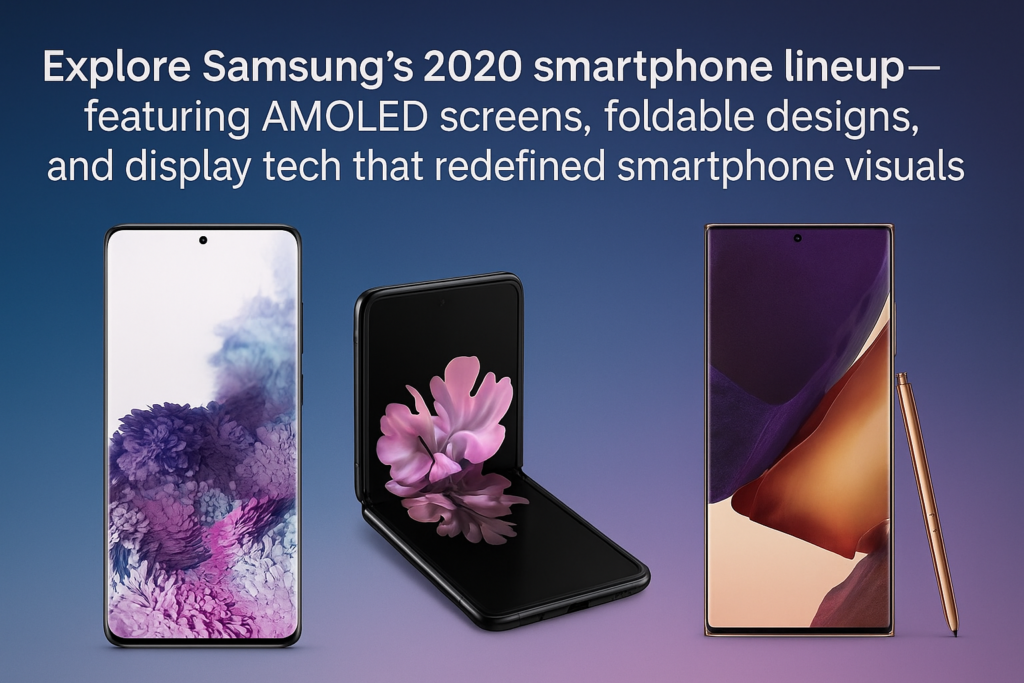
In 2020, A Samsung bebizonyította páratlan dominanciáját az okostelefon-kijelző innováció terén. Az összecsukható zászlóshajóktól a középkategóriás hősökig, minden felállás bemutatta, meddig jutott el az AMOLED technológia. Az év kulcsfontosságú volt – nem csak a Samsung finomította Dinamikus AMOLED 2X panelek felső kategóriás telefonokhoz, de bővült is Szuper AMOLED képernyők megfizethetőbb eszközökhöz, jelzi az LCD-képernyők majdnem teljes kivonását globális termékkínálatában.
Samsung Display Evolution
Előtt 2020, Az LCD-képernyők továbbra is gyakoriak voltak a különféle okostelefon-szinteken. De már idén, A Samsung egy dolgot világossá tett – Az AMOLED volt a jövő. Gazdagabb színekkel, jobb kontraszt, és kiváló energiahatékonyság, Az AMOLED panelek a Samsung vizuális élményének sarokkövévé váltak.
Dinamikus AMOLED 2X vs. Szuper AMOLED
- Dinamikus AMOLED 2X: A zászlóshajó modelleken található, támogatja HDR10+, 120Hz adaptív frissítési gyakoriság, és kiváló fényerő kalibráció.
- Szuper AMOLED: Középre használt- és felső-középkategóriás modellek, továbbra is kiváló kontrasztot biztosít, de hiányzik néhány fejlett funkció, például az adaptív frissítési gyakoriság és a HDR10+ támogatás.
Röviden, A Dynamic AMOLED 2X volt a Samsung nyilatkozata, míg a Super AMOLED volt az az igásló technológia, amely a tömegpiaci dominanciáját hajtotta.
Összecsukható zászlóshajók – A Z sorozat
Galaxy Z Fold2 5G
A Samsung második generációs összecsukható készüléke, a Fold2-vel, hatalmasat mutatott be 7.6-hüvelykes Dynamic AMOLED 2X fő kijelző -vel 120Hz adaptív frissítési gyakoriság. A 6.23-hüvelykes fedőképernyő AMOLED technológiát is tartalmazott, így zárt állapotban is teljes értékű okostelefon. Az Ultra-vékony üveg (KÖZLEMÉNY) javított tartósság és érintésérzékenység, így ez a valaha gyártott egyik legfejlettebb összecsukható képernyő.
Galaxy Z Flip
A Folddal ellentétben, a Z Flip nosztalgikus függőleges kagyló dizájnt fogadott el. Az 6.7-hüvelykes dinamikus AMOLED kijelző zökkenőmentesen összehajtva, felajánlás a kompakt zsebbe helyezhető élmény a színpontosság vagy a fényerő rovására. A kicsi 1.1-hüvelykes Super AMOLED borító kijelző hozzáadott funkciók a gyors értesítésekhez és szelfikhez.
A Galaxy S sorozat – a zászlóshajó szabvány
Galaxy S20 Ultra 5G
Az S felállás élén, a S20 Ultra lenyűgözőt mutatott be 6.9-hüvelykes WQHD+ Dynamic AMOLED 2X kijelző. Támogatta 120Hz-es frissítési gyakoriság, rendkívül sima látványt biztosít a játékhoz és a görgetéshez. Viszont, A korai szoftververziók 120 Hz-et korlátoztak teljes felbontáson – ez a kompromisszum, amelyet a Samsung később finomított.
Galaxy S20+ és S20
Mindkét modell az Ultra ragyogását tükrözte, ajánlat 6.7-hüvelykes és 6,2 hüvelykes Dynamic AMOLED 2X panelek illetőleg. Mindegyik biztosított élénk színek, mély feketék, és HDR10+ minősítés, folytatva a Samsung hagyományos megjelenítési kiválóságát.
Galaxy S20 FE 5G
A Fan Edition zászlóshajó előadást hozott a szélesebb közönséghez. Bár használt a Szuper AMOLED képernyő helyett Dynamic AMOLED, megtartotta a 120Hz-es frissítési gyakoriság, közel prémium élményt kínál közepes áron.
Üzleti osztályú erőművek – Galaxy Note sorozat
Galaxy Note20 Ultra 5G
A Note20 Ultra volt a Samsung első készüléke a változó frissítési gyakoriság től kezdve 10Hz-től 120 Hz-ig, intelligens beállítás az energiatakarékosság érdekében. Az 6.9-hüvelykes dinamikus AMOLED 2X kijelző remekmű volt – éles, vibráló, és selymesen sima az S Pen használatához.
Galaxy Note20
Ezzel szemben, a szabványos Note20 a 6.7-hüvelykes Super AMOLED Plus kijelző a 60Hz-es frissítési gyakoriság. Kihagyott néhány csúcskategóriás előnyt, de ideális maradt azoknak a szakembereknek, akik a gyakorlatiasságot értékelték a vaku helyett.
Középkategóriás bajnokok – A Galaxy A sorozat
Samsungé A-sorozat évben a márka volumenvezetője lett 2020. Többnyire felszerelt Szuper AMOLED képernyők, ezek a telefonok egyensúlyt teremtettek a megfizethetőség és a vizuális kiválóság között.
- Galaxy A71 5G – 6,7 hüvelykes Super AMOLED Plus, Infinity-O design, fényes és élénk.
- Galaxy A51 5G - 6,5 hüvelykes Super AMOLED, az egyik legkeresettebb Android telefonok világszerte.
- Galaxy A41 & A31 – Super AMOLED kijelzők Full HD+ felbontással.
- Galaxy A21s & A11 – Pénztárcabarát modellek használata PLS TFT LCD, ritka nem AMOLED választás a Samsungnál 2020 felállás.
Megfizethető teljesítmény – A Galaxy M sorozat
Samsungé M-sorozat, az online piacokra és a költségvetés-tudatos vásárlókra összpontosított, szilárd AMOLED élményt nyújtott.
- Galaxy M51 – Kiemelt a 6.7-hüvelykes Super AMOLED Plus képernyő és egy masszív 7000mAh akkumulátor.
- Galaxy M31s & M21 – Mindketten sportoltak Szuper AMOLED megjeleníti, élénk látványvilágot kínál versenyképes áron.
Ezek a modellek bebizonyították, hogy a nagyszerű képernyők nem csak a prémium vásárlóknak valók.
Legfontosabb megjelenítési trendjei 2020
- Magas képfrissítési ráta megy a mainstreambe – A Samsung 120 Hz-es kijelzője a zászlóshajók új szabványa.
- AMOLED dominancia – Szinte minden modell AMOLED technológiát tartalmazott, csökkenti az LCD-ktől való függést.
- Összecsukható innováció – A Z Fold2 és a Z Flip nagy lépést jelentett a rugalmas jövőbeli dizájn felé.
- Adaptív fényerő & Hatékonyság – A kijelzők okosabbak lettek, a frissítési gyakoriság és a fényerő beállítása az energiatakarékosság érdekében.
Hogyan állítja be a Samsung az okostelefon-kijelzők szabványát?
In 2020, az olyan versenytársak, mint az Apple és a Huawei, lemaradtak a Samsung OLED-szakértelmétől. Míg mások később elfogadták az OLED paneleket, Samsung kijelző maradt a elsődleges szállítója sok márkához, beleértve a riválisait is. Ez a dominancia nem szerencse volt – ez a kontrasztszabályozás évekig tartó finomítása volt, érintés integráció, és energiagazdálkodás.
A Samsung kijelzők jövője
A Samsung kijelzőtechnológiával kapcsolatos elképzelései túlmutatnak 2020. A cég tovább fejlődik:
- Kijelző alatti kamerák
- Gördülő és háromszoros kijelzők
- Környezetbarát OLED anyagok
Minden innováció egy olyan korszak felé tolja az okostelefonokat, ahol a kijelzők nem csupán eszközök, hanem tapasztalatok.
Következtetés
Samsungé 2020 A termékkínálat több volt, mint egy termékkiadás – ez az innováció bemutatója volt. A összecsukható Z Fold2 a értékvezérelt A és M sorozat, A Samsungnak sikerült aranyszabványsá tennie az AMOLED-et. Akár élvonalbeli teljesítményre, akár mindennapi megbízhatóságra vágyott, A Samsungnak volt egy képernyője – és valószínűleg egy AMOLED volt.
GYIK
1. Mi a különbség a Dynamic AMOLED 2X és a Super AMOLED között??
A Dynamic AMOLED 2X nagyobb fényerőt biztosít, HDR10+, és adaptív frissítési gyakoriság akár 120 Hz-ig. A Super AMOLED kiváló látványt nyújt, de hiányoznak ezek a fejlett funkciók.
2. Melyik 2020 A Samsung telefonnak volt a legjobb kijelzője?
A Galaxy Note20 Ultra 5G és Galaxy S20 Ultra A lista élére került WQHD+ felbontással és adaptív frissítési technológiával.
3. Miért távolodott el a Samsung az LCD-képernyőktől??
Az AMOLED panelek vékonyabbak, energiatakarékosabb, és kiváló kontrasztot biztosítanak, az LCD kevésbé versenyképes.
4. Van-e nagy különbség az A-sorozatú és az M-sorozatú kijelzők között??
Mindkettő Super AMOLED-et használ, de az A-sorozatú modellek gyakran valamivel jobb kalibrációval és összeállítási minőséggel rendelkeznek.
5. Milyen kijelző-újításokat vezetett be a Samsung? 2020?
A legfontosabb újításokat tartalmazza összecsukható ultravékony üveg, adaptív frissítési gyakoriság, és teljes képernyős AMOLED lefedettség a legtöbb modellnél.