Bevezetés
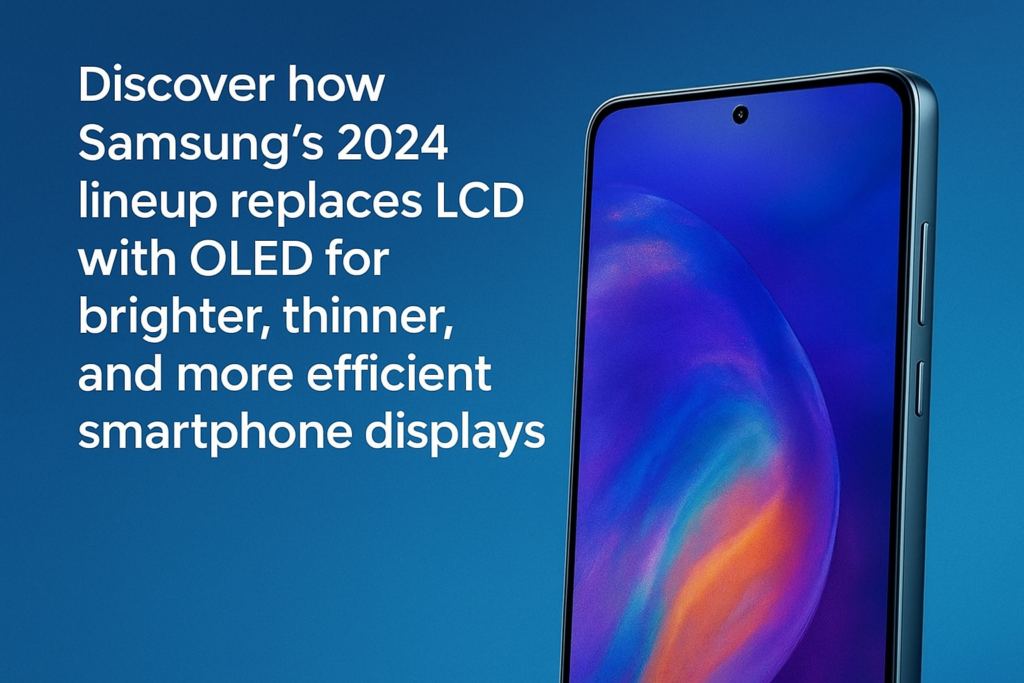
A Samsung régóta vezető szerepet tölt be a kijelző-innovációban – és 2024 meghatározó pillanatot jelent. A technológiai óriás teljesen átállt a OLED képernyők szinte az összes belépő szintű okostelefon-modellhez. Lcds, egykor a középkategóriás készülékek szabványa, most gyorsan eltűnnek. A Galaxy S24 Ultra a pénztárcabarát Galaxy A15, A Samsung kijelzőfejlődése megmutatja a világosabbra vonatkozó elképzeléseit, vékonyabb, és energiatakarékosabb telefonok.
Így, mi vezérelte ezt a teljes OLED-átvételt? Merüljünk el mélyen abban, hogyan alakította át a Samsung az okostelefon-kínálatát lenyűgöző vizuális technológiával.
A kijelző technológia megértése
Mi az az LCD és miért halványul el?
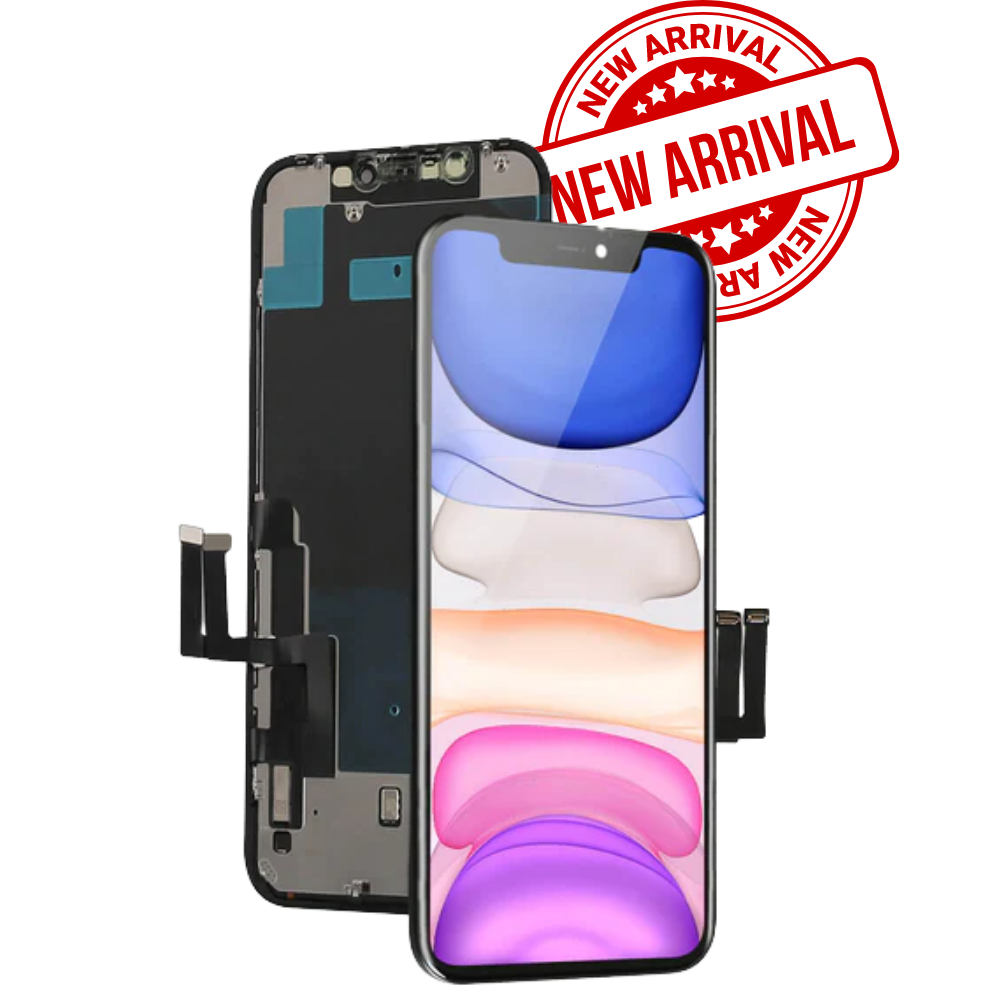
LCD, vagy Folyékony kristály kijelző, egykor az okostelefonok képernyőinek királya volt. Megfelelő fényerőt és megfizethetőséget kínált. Viszont, Az LCD panelek támaszkodnak háttérvilágítás, ami korlátozza a kontrasztot és a fekete mélységet. Ennek eredményeként, a színek kimosottnak tűnhetnek, főleg ha az OLED-hez hasonlítjuk.
Röviden, Az LCD működőképes, de már nem izgalmas. A fogyasztók most mélyebb feketéket várnak el, gazdagabb színek, és simább látvány – mindezt az OLED könnyedén biztosít.
Mitől kiváló az OLED?
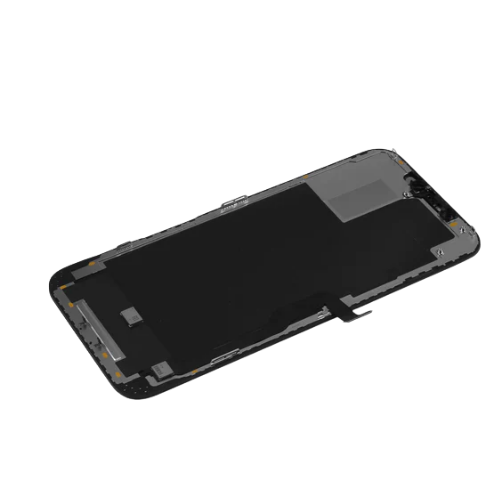
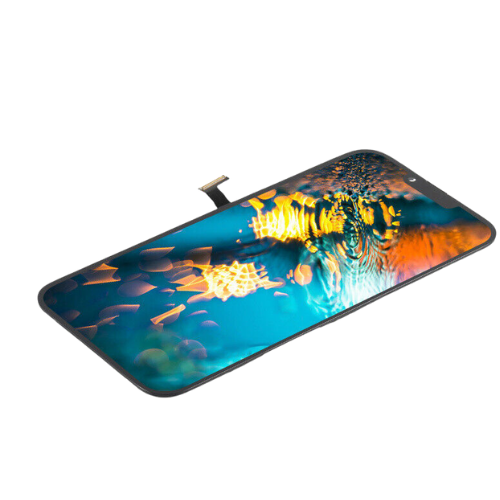
OLED (Szerves fénykibocsátó dióda) a panelek másképp működnek. Minden pixel saját fényt bocsát ki, nincs szükség háttérvilágításra. Az eredmény?
- Tökéletes feketék
- Végtelen kontrasztarány
- Jobb energiahatékonyság
- Vékonyabb és könnyebb panelek
A Samsung OLED képernyőit világszerte elismerik élénk színvisszaadás és hosszú élet, így ideálisak zászlóshajó- és középkategóriás készülékekhez egyaránt.
A Samsung OLED-változatai – Super AMOLED vs. Dinamikus AMOLED 2X
A Samsung nem csak OLED paneleket gyárt, hanem tökéletesíti is azokat.
- Szuper AMOLED: Középkategóriás és belépő szintű telefonokban használják, mint pl A55 vagy M55. Világos, színes, és energiatakarékos.
- Dinamikus AMOLED 2X: Olyan zászlóshajókban található, mint a S24 Ultra és Z Hajtogatás6. Magasabb frissítési gyakoriságot kínál, HDR támogatás, és adaptív fényerő akár 2600 nits.
Samsungé 2024 Megjelenítési stratégia
Áttérés LCD-ről OLED-re a különböző felállások között
In 2024, A Samsung végrehajtotta hosszú távú tervét: cserélje ki az összes LCD panelt a belépő szintű modellek felett OLED-del. A márka már nem látja az LCD-t életképesnek egyetlen közepes vagy prémium kategóriás telefonhoz sem. Még olyan megfizethető modellek is, mint a Galaxy A15 most OLED-kijelzőket tartalmaznak – ez a lépés a prémium technológia demokratizálódását jelzi.
Hogyan határozza meg a Samsung paneltechnológiája prémium imázsát
A Samsung nem csak okostelefon-gyártó, hanem a a világ legnagyobb OLED panel beszállítója. Ez versenyelőnyt biztosít a költségkontroll és a minőségbiztosítás terén. A vállalat OLED-del elért sikere az egész okostelefon-ipart befolyásolta, rákényszeríti a versenytársakat, hogy kövessék példájukat.
2024 Zászlós modellek – A Galaxy S24 sorozat
Galaxy S24 Ultra – Az Ultimate Display Benchmark
A Galaxy S24 Ultra a Samsung valaha volt legjobb kijelzője: a 6.8-hüvelykes dinamikus AMOLED 2X 120 Hz-es frissítési gyakorisággal és QHD+ felbontással. Ami kiemeli, az az tükröződésmentes bevonat és síküveg kialakítás, a használhatóság és a láthatóság javítása napfényben.
Az is védve van Corning Gorilla Glass Armor, amely kivételes tartósságot kínál. Legyen szó játékról vagy streamelésről, ez a kijelző határozza meg az aranystandardot 2024.
Galaxy S24+ és S24 – A teljesítmény és a tökéletesség egyensúlya
Mind a S24+ és S24 folytatni az OLED hagyományt, segítségével Dinamikus AMOLED 2X panelek. Az S24+ QHD+ felbontást kínál, míg az S24 FHD+-on marad, a tisztaság és a fényerő megőrzése, miközben optimalizálja az akkumulátor élettartamát.
Snapdragon és Exynos Variants
A Samsung két lapkakészlet-verziót kínál világszerte:
- Snapdragon® 8 Gen 3 a Galaxy számára (az USA-ban, Kanada, Kína)
- Exynos 2400 (Európában, India, és más piacokon)
Chiptől függetlenül, a kijelző minősége folyamatosan csúcsminőségű marad.
Lapos kijelző kialakítás és tükröződésmentes bevonat
Most először, még az Ultra modell is elfogadja a lapos kijelző, ívelt élek éveinek vége. Kombinálva a új tükröződésmentes felület, ez a design egyszerre praktikus és prémium.
Az összecsukható zászlóshajó-sorozat – Galaxy Z Fold6 & Flip6-ból
A rugalmasság művészete a Dynamic AMOLED 2X-el
Samsung összecsukhatóZ Hajtogatás6 és Flip6-ból-használat Dinamikus AMOLED 2X panelek fő- és fedőképernyőhöz egyaránt. Ezeknek a kijelzőknek a rugalmas jellege kiemeli az OLED sokoldalúságát, amit az LCD soha nem tudott elérni.
Kijelző innovációk az összecsukható eszközökben
Az összecsukható jellemzők vékonyabb ráncok, jobb fényerő, és optimalizált energiafogyasztás. A Samsung továbbra is vezeti az összecsukható szegmenset, kihasználva az OLED alkalmazkodóképességét futurisztikus dizájn létrehozásához.
Középkategóriás kiválóság – Galaxy A55 és A35
Super AMOLED a tömegpiacra
A A55 és A35 használat Szuper AMOLED kijelzők – világosabbak, simább, és messze felülmúlják elődeik LCD-jét. Ez a zászlóshajó-szintű színpontosságot és a mélyfeketéket megfizethető áron hozza.
Fényesség, Szín, és Érték egyensúlyban
Ezek az eszközök egy édes pontot találnak a prémium esztétika és a praktikus megfizethetőség között, megerősítve a Samsung középkategóriás dominanciáját.
Megfizethető, mégis fejlett – Galaxy A15 & M15 sorozat
Belépő szintű OLED forradalom
Még a Galaxy A15–egy költségvetési modell – a következőre frissítve Szuper AMOLED, az LCD teljes cseréje. Ez az elmozdulás azt jelenti, hogy még az okostelefont először vásárlók is csúcsminőségű megtekintési élményben részesülnek.
Miért fontos ez a változás a fogyasztók számára?
Az OLED nem csak a látványról szól; a kényelemről és a hatékonyságról szól. A képernyők csökkentik a szem megerőltetését és javítják az akkumulátor élettartamát. A Samsung új elvárásokat fogalmaz meg: Az OLED ma már a szabvány, nem a luxus.
Speciális regionális modellek – Galaxy M55 és F55
AMOLED terjeszkedés a feltörekvő piacokon
A Samsung kiterjeszti az OLED bevezetését India, Latin -Amerika, és más fejlődő régiókban a M55 és F55 sorozat. Ezek a modellek használnak Szuper AMOLED panelek, amelyek nagy kontrasztot és egyenletes teljesítményt biztosítanak.
Az akkumulátor élettartamának és a kijelző teljesítményének egyensúlya
Az AMOLED energiahatékonyságának köszönhetően, ezek a modellek hosszú akkumulátor-élettartamot érnek el a látványosság feláldozása nélkül – ez kritikus tényező az értékvezérelt piacokon.
Jövőbeli előrejelzések későre 2024 Modellek
Lehetséges LCD-kimaradások az ultraalacsony kategóriás készülékekben
A Samsung megtarthatja az LCD paneleket az olyan ultra-költségvetésű telefonokhoz, mint például Galaxy A05s, pusztán költségkezelésre. Viszont, még ez a kategória is átkerülhet az OLED-re 2025.
Költség vs. Belépő szintű piacokon szerzett tapasztalat
A fő kompromisszum továbbra is az ár és a vizuális minőség között van. De ahogy az OLED gyártás olcsóbbá válik, az LCD dominancia napjai hivatalosan meg vannak számlálva.
Összehasonlító áttekintés táblázatos formában
| Sorozat kategória | 2024 Modell példák | Kijelző típusa | Megjegyzések |
|---|---|---|---|
| Zászlóshajó | Galaxy S24 Ultra, S24+, S24 | Dinamikus AMOLED 2X | Kategóriájában a legjobb OLED nagy fényerővel és élénk színekkel. |
| Összecsukható zászlóshajó | Z Hajtogatás6, Flip6-ból | Dinamikus AMOLED 2X / Szuper AMOLED | Rugalmas és rendkívül fényes fő kijelzők. |
| Középkategória | A55 5G, A35 5G, M55 5G | Szuper AMOLED | Kiváló egyensúly a teljesítmény és a látvány között. |
| Belépő szint | A15 5G, M15 5G | Szuper AMOLED | Az OLED általánossá válik. |
| Ultra-Low-End | (például, A05s, kiadásra vár) | Lehetséges LCD | Az LCD csak az extrém költségvetési szintek számára marad. |
A nagyobb kép – Miért az OLED a jövő?
Környezet- és energiahatékonyság
Az OLED képernyők kevesebb energiát fogyasztanak, mivel az inaktív képpontok egyszerűen kikapcsolnak. Ez mindkettő számára nagyszerű akkumulátor élettartama és energia fenntarthatóság.
Fogyasztói elvárások és márkaérzékelés
OLED használatával akár belépő szintű eszközökben is, A Samsung megerősíti prémium imázsát. A vásárlók mostantól gazdag látványt várnak minden Galaxy telefontól, ártól függetlenül.
Következtetés – Az LCD vége a Samsung számára
In 2024, A Samsung hivatalosan is belépett „All-OLED” korszak. A zászlóshajóktól a belépő szintű modellekig, Az OLED mostantól meghatározza a Galaxy élményét. Az LCD panelek gyorsan halványulnak, csak a legolcsóbb szegmensekben található.
A Samsung átállása nem csak egy technikai frissítést jelent, hanem egy új szabványt a teljes okostelefon-ipar számára.
GYIK
1. Miért hagyta abba a Samsung az LCD-képernyők használatát a legtöbb telefonban??
Az OLED jobb kontrasztot biztosít, energiahatékonyság, és a tervezési rugalmasság.
2. Most már minden Samsung telefon OLED-et használ?
Szinte mindegyik – csak néhány rendkívül alacsony kategóriás modell használ még LCD-t.
3. Mi a különbség a Super AMOLED és a Dynamic AMOLED 2X között??
A Dynamic AMOLED 2X nagyobb fényerőt biztosít, HDR támogatás, és egyenletesebb frissítési gyakoriság.
4. Az OLED képernyők törékenyebbek??
Nem feltétlenül. Gorilla Glass Armorral és fejlett bevonatokkal, A Samsung OLED-ei tartósabbak, mint valaha.
5. A jövőben a Samsung telefonok csak OLED-et fognak használni??
Igen. Által 2025, A Samsung várhatóan az összes Galaxy modellben teljesen megszünteti az LCD-kijelzőket.