
Introducere
Afișajul smartphone-ului nu este doar o bucată de sticlă, ci este fereastra către întreaga experiență a utilizatorului. De la culori vibrante la eficiență energetică, tehnologia de afișare determină modul în care arată un telefon, simte, și efectuează. Pentru managerii de achiziții și strategii de produs, înțelegerea diferențelor dintre ecranele OLED și LCD este esențială. Să ne scufundăm într-un cuprinzător, comparație obiectivă pentru a vă ajuta să luați decizia corectă de achiziție.
Fundamentele tehnologiilor de afișare a smartphone-urilor
Ce este LCD (Afișare de cristal lichid)?
Ecranele LCD folosesc a lumina de fundal pentru a ilumina pixelii formați din cristale lichide. Aceste cristale nu emit ele însele lumină - ele controlează cât de multă lumină trece, producerea de imagini. Tipurile obișnuite de LCD includ IPS, LTPS, şi TFT.
Ce este OLED (Diodă emițătoare de lumină organică)?
OLED, pe de altă parte, utilizări compuși organici care emit lumină când electricitatea trece prin ele. Aceasta înseamnă că fiecare pixel se poate porni sau dezactiva individual, permițând negru mai profund și un contrast mai mare.
Diferențele structurale cheie între OLED și LCD
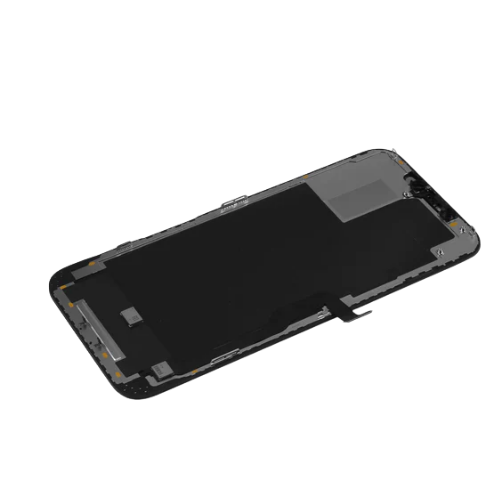
- LCD: Necesită o lumină de fundal și mai multe straturi de filtrare.
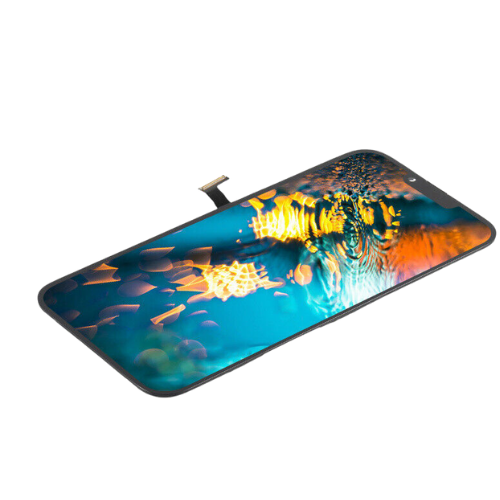
- OLED: Autoemisiv, eliminând necesitatea unei lumini de fundal.
Această diferență conferă OLED-ului un avantaj natural în subțire, flexibilitate, si eficienta energetica.
Principiile tehnologiei explicate
Cum produce LCD-ul imagini
Într-un LCD, lumina de fundal strălucește prin cristale lichide controlate de tensiune. Filtrele de culoare produc apoi roșu, verde, și nuanțe de albastru. Provocarea? Chiar și zonele negre primesc încă puțină lumină de fundal, limitarea contrastului.
Cum emite OLED lumină
OLED-urile folosesc diode organice care emit propria lor lumină. Nu este nevoie de iluminare de fundal. Fiecare pixel acționează ca o sursă de lumină independentă - atunci când un pixel se stinge, este cu adevarat negru.
Rolul luminii de fundal vs. Pixeli auto-emisivi
Gândiți-vă la LCD ca la o lanternă în spatele unei perdele, în timp ce OLED este ca niște lumânări minuscule care se aprind. Controlul OLED la nivel de pixeli oferă un contrast uimitor și o acuratețe a culorilor.
Comparație de performanță
Contrastul și luminozitatea afișajului
OLED câștigă mâna în jos, în contrast. Cu negru pur și luminozitate maximă, oferă imagini captivante. LCD-uri, cu toate acestea, poate obține o luminozitate ridicată sub lumina soarelui - ideal pentru vizibilitate în aer liber.
Precizia culorii și acoperirea gamei
OLED oferă mai bogate, culori mai saturate, perfect pentru smartphone-uri premium. LCD-uri, în special panouri IPS de ultimă generație, oferă totuși un echilibru excelent de culoare pentru dispozitive bugetare sau medii.
Diferențe de consum de energie
OLED consumă mai puțină energie pe ecranele mai întunecate, dar mai mult pe cele luminoase sau albe. LCD-uri, cu funcționare constantă cu iluminare de fundal, menține consumul general de energie constant, dar mai ridicat.
Timpul de răspuns și rata de reîmprospătare
OLED-urile se laudă timpi de răspuns mai rapid și suportă rate de reîmprospătare mai mari (până la 240 Hz la unele modele). Acest lucru oferă animații mai fluide și performanțe de joc mai bune.
Unghiuri de vizualizare și vizibilitate în exterior
OLED oferă unghiuri de vizualizare superioare, în timp ce ecranele LCD pot apărea spălate când sunt privite din lateral. Cu toate acestea, LCD-urile moderne cu polarizatoare avansate au rezultate mult mai bune în aer liber.
Probleme legate de durata de viață și de ardere
LCD-urile tind să reziste mai mult fără degradare. OLED-uri față riscuri de ardere— unde imaginile statice lasă urme slabe în timp — dar materialele mai noi și tehnologiile de deplasare a pixelilor minimizează această problemă.
Costuri și considerații de producție
Diferențele de cost de producție
Producția OLED rămâne mai costisitoare din cauza proceselor complexe de depunere și a randamentelor mai mici. Fabricare LCD, rafinat de-a lungul deceniilor, este mai ieftin și mai stabil.
Rata de randament și scadența lanțului de aprovizionare
Fabricile LCD – în special în China – beneficiază de rate de randament ridicate și de un lanț de aprovizionare matur. Producție OLED, dominat de Samsung, LG, și BOE, se îmbunătățește, dar se confruntă în continuare cu riscuri de defectare mai mari.
Costuri de reparație și înlocuire
Ecranele OLED sunt mai fragile și mai scumpe de înlocuit. LCD-urile sunt mai îngăduitoare, făcându-le ideale pentru modelele sensibile la costuri.
Tendințele pieței și adoptarea
Dominanța OLED în modelele emblematice
De la iPhone la dispozitive Samsung Galaxy, OLED a devenit standardul premium. Oferă un aspect de lux cu design ultra-subțire și ecrane curbate sau pliabile.
De ce LCD-ul încă prosperă în telefoanele de gamă medie și buget
LCD-urile rămân rentabile și durabile. Branduri precum Xiaomi, Realme, iar Motorola continuă să le folosească pentru a echilibra calitatea și accesibilitatea.
Inovații: LTPO ESTI, Mini-LED, și afișaje hibride
- LTPO ESTI: Rate de reîmprospătare dinamice pentru eficiență energetică
- Mini-LED: Zone de iluminare de fundal îmbunătățite pentru contrast aproape OLED
- OLED hibrid: Combinând tehnologii OLED flexibile și rigide pentru a reduce costurile
Alegerea dintre OLED și LCD pentru achiziții
Factori de evaluat pentru diferite linii de produse
Deciziile de achiziție ar trebui să cântărească piata tinta, nevoi de performanță, și structurile de costuri.
Echilibrarea performanței vs. Cost
OLED-ul își poate justifica prețul în telefoanele emblematice, dar costul scăzut al LCD-ului asigură profitabilitatea modelelor de masă.
Când OLED este alegerea mai inteligentă
- Dispozitive emblematice sau premium
- Concentrați-vă pe estetică, calitatea culorii, și design subțire
- Vizează utilizatorii care solicită experiență de vârf
Când LCD-ul oferă un ROI mai bun
- Produse de nivel de intrare sau de nivel mediu
- Durabilitatea și eficiența costurilor sunt priorități
- Dispozitive destinate utilizării în aer liber cu luminozitate ridicată
Studii de caz de la cele mai importante mărci de smartphone-uri
Strategia de tranziție a afișajului Apple
Apple a trecut de la LCD (iPhone 8) la OLED (iPhone X înainte), echilibrarea costurilor prin păstrarea LCD-ului în gama iPhone SE.
Conducerea OLED de la Samsung
Samsung Display a fost pionier în tehnologia AMOLED și furnizează majoritatea panourilor OLED pentru smartphone-uri din lume.
Abordarea mixtă a Xiaomi și Realme
Aceste mărci folosesc strategic OLED în modele high-end și LCD în cele accesibile pentru a optimiza marjele și a ajunge la diverși utilizatori.
Perspectiva viitoare a afișajelor smartphone-urilor
Panouri OLED flexibile și pliabile
Flexibilitatea OLED alimentează revoluția pliabilă - gândiți-vă la seria Samsung Galaxy Z Fold și Huawei Mate X.
MicroLED ca următoarea frontieră
MicroLED combină autoemisia OLED cu durabilitatea LCD-ului, promițând o viață mai lungă, fără ardere, și luminozitate excepțională.
Preocupări de mediu și eficiență energetică
Pe măsură ce sustenabilitatea devine o prioritate, atât producătorii de OLED, cât și de LCD se concentrează pe lumini de fundal care economisesc energie și pe materiale reciclabile.
Concluzie
Alegerea dintre OLED și LCD nu se referă doar la specificațiile afișajului, ci este o decizie strategică de echilibrare performanţă, cost, și poziționarea pe piață. OLED conduce la calitate, proiecta, și inovație, în timp ce LCD rămâne un de încredere, opțiune rentabilă. Pentru echipele de achiziții, înțelegerea ambelor tehnologii asigură decizii mai inteligente de aprovizionare și o gamă de produse mai competitivă.
Întrebări frecvente
1. Care sunt principalele diferențe dintre afișajele OLED și LCD?
OLED emite propria lumină pentru fiecare pixel, în timp ce LCD-ul necesită lumină de fundal. OLED oferă un contrast mai bun, formă mai subțire, și culori mai bogate.
2. De ce telefoanele de buget încă mai folosesc LCD-uri?
LCD-urile sunt mai ieftine, durabil, și disponibil pe scară largă, făcându-le perfecte pentru piețele sensibile la costuri.
3. Cum afectează OLED durata de viață a bateriei?
OLED economisește energie pe interfețele întunecate, dar consumă mai mult pe fundaluri luminoase sau albe.
4. Ce este arderea ecranului și cum poate fi evitată?
Arderea are loc atunci când elementele statice rămân vizibile din cauza uzurii neuniforme. Poate fi atenuat prin schimbarea software-ului și utilizarea echilibrată.
5. OLED va înlocui complet LCD-ul în viitor?
Nu în totalitate. În timp ce OLED domină high-end-ul, LCD rămâne viabil în dispozitivele de gamă medie datorită accesibilității și fiabilității.