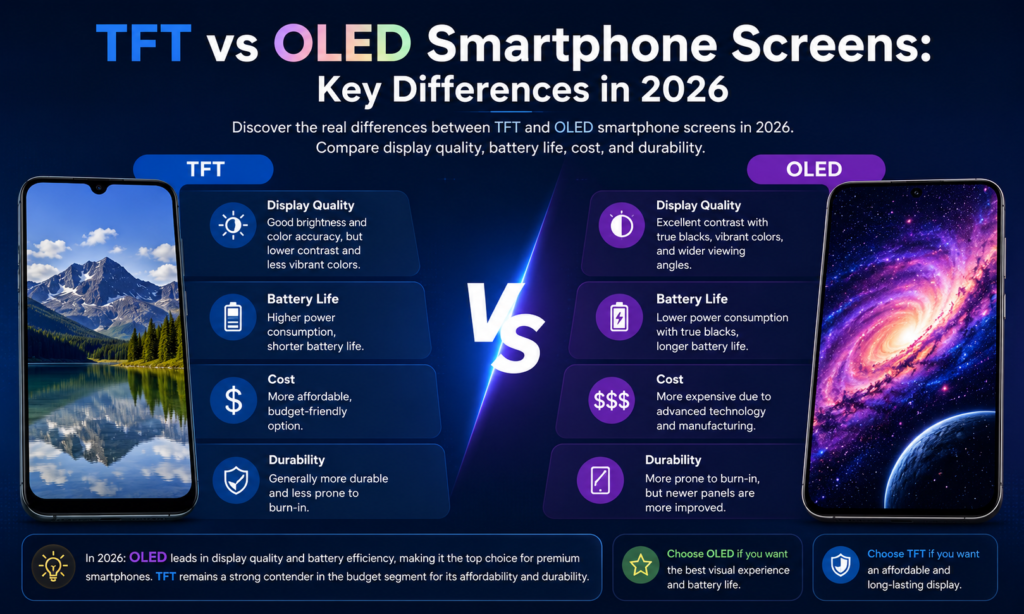
Ecranele smartphone-urilor au evoluat dramatic în ultimul deceniu. Ceea ce a fost cândva o alegere simplă între un panou LCD la preț redus și un afișaj OLED premium s-a transformat într-o bătălie sofisticată de tehnologii, capacitati de fabricatie, și experiențe ale utilizatorilor. În 2026, consumatorii care cumpără un smartphone, ateliere de reparații care aprovizionează ecrane de schimb, iar angrosiştii care cumpără ansambluri de afişaj se confruntă cu aceeaşi întrebare fundamentală: Dacă alegeți un ecran TFT LCD sau un ecran OLED?
Răspunsul nu mai este la fel de simplu ca acum cinci ani. Conform cercetărilor recente de piață, Telefoanele inteligente echipate cu AMOLED au reprezentat aproximativ 63% a livrărilor globale de smartphone-uri în timpul T1 2025, în timp ce smartphone-urile bazate pe LCD au scăzut la aproximativ 37%, demonstrând accelerația atât în dispozitivele emblematice, cât și în cele de gamă medie. citeturn0search4turn0search7
În același timp, Tehnologia TFT LCD rămâne dominantă în smartphone-urile entry-level, dispozitive industriale, și piața secundară de reparații mobile datorită accesibilității sale, durabilitate, și ecosistemul de producție matur. Înțelegerea diferențelor dintre aceste două tehnologii necesită să privim dincolo de termenii de marketing și să examinăm modul în care funcționează de fapt fiecare afișaj, modul în care se comportă în condițiile lumii reale, și încotro se îndreaptă industria.
Ce sunt tehnologiile de afișare pentru smartphone-uri?
Ecranele smartphone-urilor sunt în esență puntea de comunicare între oameni și mașini. Fiecare fotografie pe care o faci, fiecare videoclip pe care îl vizionezi, fiecare joc pe care îl jucați, și fiecare mesaj pe care îl trimiteți depinde în totalitate de calitatea panoului de afișare de sub vârful degetelor. Industria display-urilor a cunoscut una dintre cele mai rapide evoluții tehnologice în domeniul electronicelor de larg consum, trecerea de la ecrane monocrome la panouri OLED de înaltă rezoluție capabile să afișeze miliarde de culori cu contrast și luminozitate excepționale.
Importanța tehnologiei de afișare a crescut substanțial deoarece smartphone-urile au devenit principalele noastre dispozitive de calcul. Consumatorii petrec acum câteva ore zilnic interacționând cu ecranele smartphone-urilor lor, factori factori precum confortul ochilor, Eficiența puterii, Precizia culorilor, performanța ratei de reîmprospătare, iar vizibilitatea în aer liber mai importantă ca niciodată. Producători ca Apple, Samsung, Xiaomi, Oppo, și Google au investit miliarde de dolari în inovarea afișajului, deoarece recunosc că ecranul este adesea prima caracteristică observată de utilizatori.
Analiștii din industrie estimează că livrările globale de panouri pentru smartphone-uri vor depăși 2.2 miliarde de unități în 2025, OLED continuă să câștige cotă de piață datorită costurilor de producție mai mici și capacității de producție crescute CSOT, VisionOx, și Tianma. citeturn0search0turn0search1turn0search3
Evoluția ecranelor pentru telefoane mobile
Călătoria ecranelor smartphone-urilor seamănă cu evoluția transportului. Telefoanele mobile timpurii erau ca bicicletele — simple, practic, si de incredere. Tehnologia TFT LCD a reprezentat epoca automobilelor, oferind culoare, viteză, și accesibilitatea în masă. Tehnologia OLED, între timp, reprezintă supermașina electrică: Mai repede, mai eficient, si mai sofisticat.
La începutul anilor 2000, majoritatea telefoanelor mobile au folosit afișaje cu matrice pasivă. Acestea au fost rapid înlocuite de TFT (Tranzistor cu peliculă subțire) Tehnologia LCD, care a oferit o calitate mai bună a imaginii, timpi de răspuns mai rapid, și rezoluții mai mari. Pe măsură ce smartphone-urile au devenit mai avansate, Tehnologia TFT LCD s-a diversificat în IPS LCD, LCD LTPS, și diverse implementări cu rată de reîmprospătare ridicată.
Tehnologia OLED a intrat pe piața principală a smartphone-urilor cu dispozitive precum seria Samsung Galaxy și mai târziu a fost adoptată pe scară largă de către Apple după introducerea iPhone X în 2017. Astăzi, practic toate smartphone-urile emblematice folosesc ecrane OLED, și chiar și dispozitivele de gamă medie adoptă din ce în ce mai mult panouri AMOLED flexibile. Apple și-a încheiat tranziția de la mișcarea industriei LCD iP către dominația OLED. citeturn0news41turn0search4
Ce este un ecran LCD TFT?
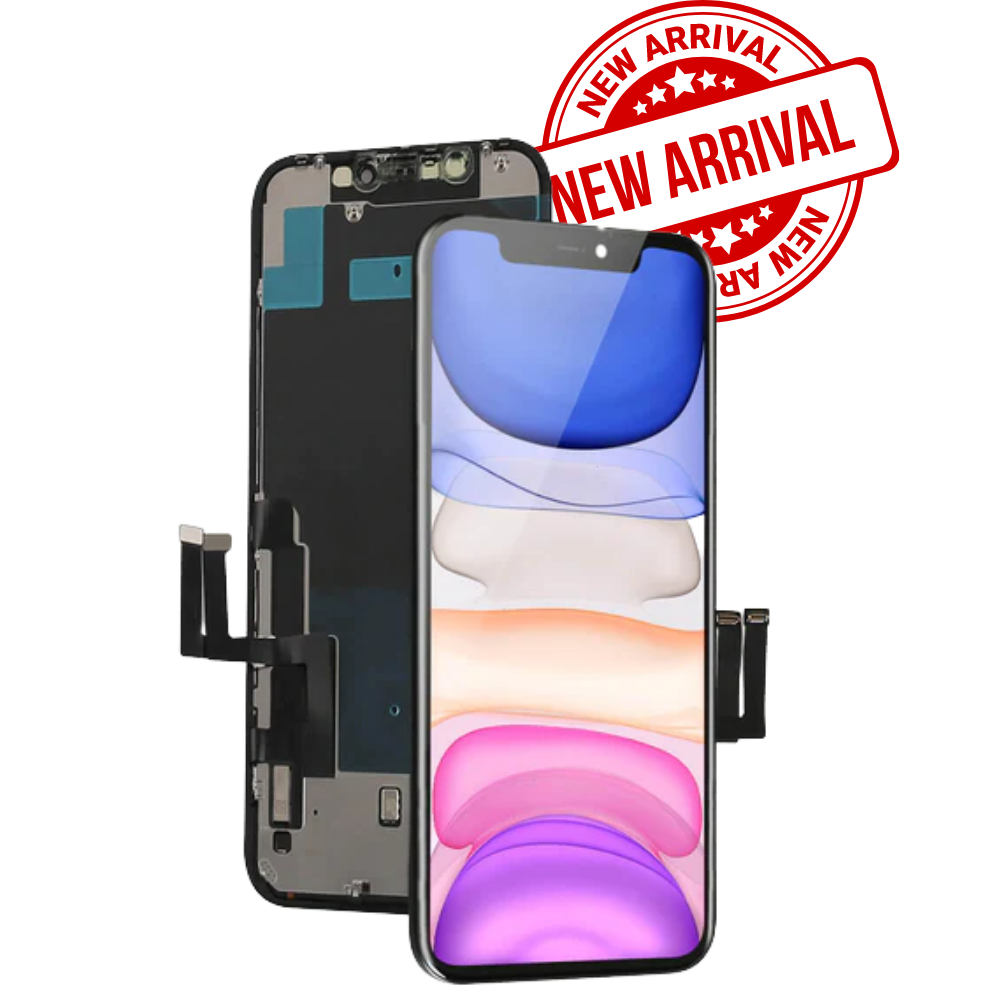
Un ecran TFT, sau ecran subțire cu tranzistor cu cristale lichide, este una dintre cele mai mature și mai larg fabricate tehnologii de afișare din istorie. Spre deosebire de afișajele OLED care generează propria lumină, Ecranele TFT LCD depind de un sistem de iluminare din spate pentru a ilumina straturile de cristale lichide și pentru a crea imagini.
Gândiți-vă la un afișaj TFT ca un vitraliu iluminat de lumina soarelui. Lumina de fundal servește drept soare, în timp ce milioane de obturatoare mici cu cristale lichide controlează cât de multă lumină trece prin fiecare pixel. Această arhitectură permite afișajelor TFT să producă culori precise, menține o durată lungă de viață de funcționare, și să obțină costuri de producție relativ scăzute.
Ecranele TFT continuă să domine smartphone-urile entry-level, dispozitive industriale robuste, display-uri auto, și piețele de ecrane de înlocuire datorită raportului excelent cost-performanță. În ciuda creșterii OLED-ului, livrările globale de panouri pentru smartphone-uri LCD au fost încă depășite **340 milioane de unități care ilustrează relevanța lor continuă în industrie. citeturn0search0
Cum funcționează tehnologia TFT LCD
În interiorul unui panou TFT LCD, fiecare pixel conține mai multe tranzistoare cu peliculă subțire responsabile pentru controlul orientării cristalelor lichide. Când se aplică tensiune, aceste cristale lichide se rotesc și fie blochează, fie permit luminii din sistemul de iluminare de fundal să treacă prin filtrele de culoare. Combinația rezultată creează imaginile vizibile pe ecran.
Acest proces oferă mai multe avantaje. Ecranele TFT oferă o calitate stabilă a imaginii, risc minim de reținere permanentă a imaginii, caracteristici previzibile de îmbătrânire, și costuri de reparații relativ mici. Deoarece afișajul se bazează pe o iluminare de fundal comună, randamentele de producție rămân ridicate, iar cheltuielile de producție rămân relativ scăzute în comparație cu fabricarea OLED.
Cu toate acestea, această arhitectură introduce și limitări. Deoarece pixelii negri nu pot opri complet lumina de fundal, Ecranele TFT se luptă să obțină un negru adevărat. Raporturile de contrast rămân semnificativ mai mici decât panourile OLED, iar consumul de energie rămâne relativ constant, indiferent de conținutul afișat.
Tipuri de panouri LCD TFT utilizate în telefoane inteligente
Nu toate ecranele TFT sunt create în mod egal. Telefoanele inteligente moderne folosesc în principal trei tehnologii LCD majore:
| Tehnologie | Caracteristici | Utilizare tipică |
|---|---|---|
| a-Si LCD | Cel mai mic cost, producție matură | Smartphone-uri la buget |
| LCD LTPS | Rezoluție și eficiență mai mare | Smartphone-uri de gamă medie |
| LCD IPS | Unghiuri largi de vizualizare și acuratețe a culorilor | Telefoane inteligente LCD premium |
Rapoarte recente din industrie indică faptul că tehnologia LCD a-Si rămâne rezistentă datorită accesibilității sale și a extinderii puternice a capacității de producție în rândul furnizorilor chinezi de panouri.. De fapt, global să depășească 1.3 miliarde de unități în 2025. citeturn0search3turn0search6
Ce este un ecran OLED?
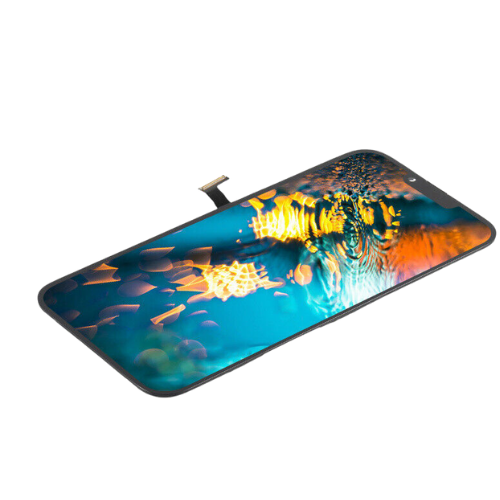
OLED înseamnă Organic Light Emitting Diode. Spre deosebire de tehnologia TFT LCD, Panourile OLED elimină necesitatea unei lumini de fundal separate, deoarece fiecare pixel individual generează propria lumină. Această diferență aparent simplă schimbă fundamental modul în care funcționează afișajele și de ce OLED a devenit tehnologia preferată pentru smartphone-urile premium.
Imaginează-ți orizontul unui oraș noaptea. Pe un afișaj TFT, fiecare clădire este iluminată de un proiector gigant. Pe un afișaj OLED, fiecare fereastră are propria sa sursă de lumină independentă. Această independență permite ecranelor OLED să creeze un negru perfect, rapoarte de contrast extraordinare, timpi de răspuns mai rapid, și eficiență energetică superioară în multe condiții de funcționare.
Creșterea rapidă a tehnologiei OLED a fost remarcabilă. Prognozele industriei sugerează că livrările de smartphone-uri OLED s-ar putea apropia 900 milioane de unităţi în timpul 2025, atingând aproape jumătate din producția globală. citeturn0search1turn0search2
Cum funcționează tehnologia OLED
Ecranele OLED constau din mai multe straturi organice de semiconductori intercalate între electrozii conductivi. Când curentul electric trece prin aceste materiale organice, emit direct lumina vizibila. Fiecare subpixel funcționează independent, ceea ce înseamnă că pixelii negri nu consumă practic nicio energie deoarece rămân complet opriți.
Această arhitectură oferă mai multe avantaje. Ecranele OLED produc rapoarte de contrast infinite, saturație excepțională a culorii, timpi de răspuns ultrarapidi, Factori de formă mai subțiri, și suport pentru modele flexibile de afișare. Aceste caracteristici explică de ce smartphone-urile pliabile și afișajele cu margini curbate depind aproape exclusiv de tehnologia OLED.
Procesul de fabricație, cu toate acestea, rămâne mai complex decât producția TFT LCD. Fabricarea OLED necesită tehnici avansate de depunere, metode sofisticate de încapsulare, și măsuri stricte de control al calității pentru a asigura fiabilitatea și longevitatea panoului.
Amoled, Super AMOLED, și LTPO OLED explicat
Ecranele OLED moderne ale smartphone-urilor au evoluat în mai multe categorii specializate:
- Amoled (OLED cu matrice activă): Arhitectura standard utilizată în majoritatea smartphone-urilor.
- Super AMOLED: Tehnologia OLED cu strat tactil integrat de la Samsung.
- LTPO ESTI: Tehnologie avansată OLED cu rată de reîmprospătare variabilă concepută pentru o eficiență energetică îmbunătățită.
Panourile OLED LTPO au devenit deosebit de importante deoarece permit ajustarea dinamică a ratelor de reîmprospătare între 1Hz și 120Hz sau chiar 144Hz. Această capacitate reduce semnificativ consumul bateriei, menținând în același timp o performanță vizuală netedă. Smartphone-uri premium de la Apple, Samsung, Google, iar mărcile emblematice chineze se bazează tot mai mult pe tehnologia LTPO.
TFT vs OLED: Comparație tehnică
Bătălia dintre TFT și OLED seamănă cu compararea motoarelor tradiționale pe benzină cu motoarele electrice. Ambele realizează același obiectiv, dar o realizează prin filozofii inginerești fundamental diferite.
Structura afișajului și controlul pixelilor
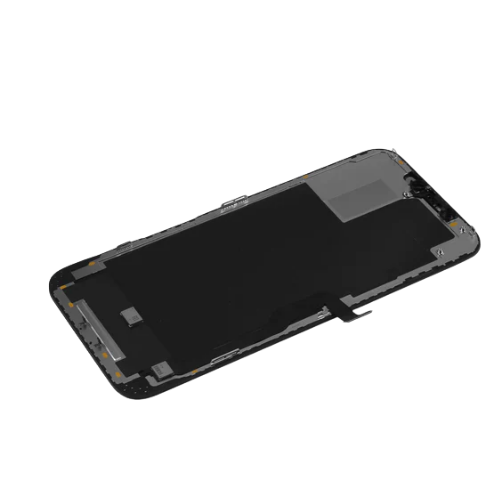
Diferența principală constă în modul în care sunt generate imaginile. Ecranele TFT necesită mai multe straturi, inclusiv lumini de fundal, cristale lichide, polarizatoare, și filtre de culoare. Panourile OLED simplifică această arhitectură, permițând pixelilor să emită lumină independent.
Acest avantaj structural permite afișajelor OLED să fie mai subțiri, mai ușor, si mai flexibil. Producătorii profită de aceste beneficii pentru a produce smartphone-uri pliabile, display-uri curbate, și dispozitive emblematice ultra-subțiri.
Luminozitate și vizibilitate în aer liber
Din punct de vedere istoric, Ecranele TFT au menținut un avantaj în luminozitatea susținută. Cu toate acestea, tehnologia modernă OLED a redus acest decalaj considerabil. Panourile OLED recente pot atinge niveluri de luminozitate de vârf excepțional de ridicate, menținând în același timp o vizibilitate excelentă sub lumina directă a soarelui. Certificarile independente au demonstrat o improprietate substanțială în condiții de iluminare din lumea reală. citeturn0news30turn0search2
Încă, panourile LCD IPS de înaltă calitate continuă să funcționeze în mod competitiv în aer liber datorită caracteristicilor consecvente de luminozitate a ecranului complet.
Precizia culorii și raportul de contrast
Această categorie favorizează în mod covârșitor tehnologia OLED. Deoarece pixelii OLED se pot opri complet, produc niveluri de negru perfecte și rapoarte de contrast infinite efectiv. Filme, Conținut HDR, iar jocurile beneficiază enorm de pe urma acestei capacități.
Afișaje TFT, în ciuda îmbunătățirilor semnificative, nu poate elimina complet scurgerea luminii de fundal. Negrul lor par mai degrabă gri închis decât negru cu adevărat. Utilizatorii profesioniști pot aprecia în continuare consistența culorii a panourilor LCD IPS calibrate, dar majoritatea consumatorilor percep ecranele OLED ca fiind mai vibrante și mai impresionante vizual.
Rata de reîmprospătare și performanța jocurilor
Telefoanele inteligente moderne pentru jocuri folosesc din ce în ce mai mult tehnologia OLED datorită timpilor de răspuns excepțional de rapidi ai pixelilor. Pixelii OLED tranzitează aproape instantaneu, reducerea neclarității în mișcare și a efectelor fantomă în timpul jocului.
Acestea fiind spuse, Ecranele de jocuri TFT de ultimă generație rămân extrem de competitive. Multe panouri LCD axate pe jocuri acceptă rate de reîmprospătare de 144 Hz sau mai mari, oferind în același timp o capacitate de răspuns excelentă la costuri de producție mai mici.
Consumul de energie și durata de viață a bateriei
Eficiența energetică depinde în mare măsură de modelele de utilizare. Ecranele OLED excelează atunci când afișează interfețe întunecate, deoarece pixelii negri practic nu consumă energie. Acest avantaj explică de ce modul întunecat poate prelungi considerabil durata de viață a bateriei pe smartphone-urile echipate cu OLED.
Ecranele TFT consumă energie relativ constantă, indiferent de conținutul imaginii, deoarece iluminarea lor de fundal rămâne activă continuu. Interfețele luminoase reduc adesea avantajul eficienței OLED, deși tehnologiile moderne LTPO continuă să îmbunătățească performanța generală a puterii.
Durabilitate și durată de viață
Durabilitatea rămâne unul dintre cele mai puternice avantaje ale tehnologiei TFT. Ecranele TFT prezintă rareori efecte de ardere și, în general, mențin performanțe consistente pe toată durata de viață a acestora.
Panourile OLED s-au îmbunătățit dramatic în ultimii ani, dar păstrarea pe termen lung a imaginii rămâne o problemă potențială în condiții extreme de utilizare. Producătorii au introdus algoritmi de compensare sofisticați și materiale organice îmbunătățite pentru a minimiza aceste riscuri.
Costuri de producție și lanțuri de aprovizionare
Economia ecranelor smartphone-urilor s-a schimbat dramatic. Acum zece ani, Tehnologia OLED a fost prohibitiv de costisitoare pentru dispozitivele de pe piața de masă. Astăzi, economiile de scară și capacitatea de producție extinsă au redus semnificativ costurile OLED.
Principalii producători de panouri TFT și OLED în 2026
Industria afișajelor pentru smartphone-uri este dominată de câțiva producători importanți:
| Lideri TFT LCD | Lideri OLED |
|---|---|
| Boe | Samsung Display |
| TCL CSOT | Afișare LG |
| Tianma | Boe |
| Innolux | VisionOx |
| Ascuțit | TCL CSOT |
Producătorii chinezi au apărut ca jucători dominanti atât în producția LCD, cât și în OLED. Analiza recentă a pieței sugerează că jumătate din China din livrările globale de smartphone-uri OLED. citeturn0search1turn0search6
De ce OLED devine standardul industriei
Mai mulți factori explică expansiunea rapidă a OLED-ului. Randamentele de producție s-au îmbunătățit substanțial, costurile de producție au scăzut, iar cererea consumatorilor favorizează din ce în ce mai mult experiențele vizuale premium. Potrivit Omdia, smartphone-urile echipate cu display-uri AMOLED reprezentate aproximativ 63% a livrărilor globale devreme 2025, reflectinom lux premium la necesitatea mainstream. citeturn0search4turn0search7
Smartphone-uri pliabile, display-uri mereu aprinse, senzori de amprentă sub afișaj, și tehnologiile avansate cu frecvența de reîmprospătare au accelerat, de asemenea, adoptarea OLED.
Ce tehnologie de afișare ar trebui să alegeți 2026?
Alegerea între TFT și OLED depinde în cele din urmă de prioritățile tale.
Dacă accesibilitatea, durabilitate, și ușurința înlocuirii contează cel mai mult, TFT LCD rămâne o alegere remarcabilă. Atelierele de reparații și angrosistii preferă adesea ecranele de înlocuire TFT, deoarece oferă o calitate stabilă și prețuri competitive.
Dacă calitatea imaginii, eficienta bateriei, design premium, și tehnologia de viitor sunt priorități, OLED oferă o experiență superioară. Diferența de calitate a afișajului dintre panourile OLED moderne și cele tradiționale TFT este imediat vizibilă pentru majoritatea utilizatorilor.
Pentru producătorii de smartphone-uri și profesioniștii din industria reparațiilor, realitatea practică este clară: OLED domină piața premium, în timp ce TFT continuă să servească eficient segmentul valoric. Ambele tehnologii rămân componente esențiale ale ecosistemului global de smartphone-uri.
Concluzie
Concurența dintre afișajele TFT și OLED nu se referă la o tehnologie care o înlocuiește complet pe cealaltă. În schimb, reflectă evoluția priorităților consumatorilor și a capacităților de producție. Tehnologia TFT LCD continuă să ofere o valoare excepțională, fiabilitate, și accesibilitatea, în timp ce OLED depășește limitele performanței vizuale, Eficiența puterii, și design industrial.
Pe măsură ce costurile de producție continuă să scadă și capacitatea de producție se extinde, OLED își va consolida probabil poziția pe telefoanele inteligente principale. Cu toate acestea, afișajele TFT rămân indispensabile pentru dispozitivele bugetare, aplicatii industriale, și piața globală de reparații. Înțelegerea punctelor forte și limitărilor fiecărei tehnologii le permite consumatorilor, angrosisti, profesionisti in reparatii, și producătorii să ia decizii mai bune de cumpărare într-o industrie a smartphone-urilor din ce în ce mai competitivă.
Întrebări frecvente
1. OLED este întotdeauna mai bun decât TFT LCD?
Nu. OLED oferă calitate superioară a imaginii și contrast, în timp ce TFT LCD oferă o mai bună accesibilitate și adesea o durabilitate mai mare.
2. Ecranele OLED consumă mai puțină baterie?
In general da, mai ales când se afișează conținut întunecat sau se utilizează interfețe în modul întunecat.
3. Ecranele TFT pot experimenta burn-in?
Nu. Ecranele LCD TFT nu suferă de reținerea permanentă a imaginii, așa cum pot face panourile OLED.
4. De ce sunt ecranele de înlocuire OLED mai scumpe?
Fabricarea OLED implică procese de producție mai complexe, randamente mai mici, si costuri materiale mai mari.
5. Ecranele TFT vor dispărea în viitor?
Puțin probabil. Tehnologia TFT LCD rămâne extrem de competitivă pentru smartphone-urile cu buget redus, dispozitive industriale, și aplicații de reparații aftermarket.