
Invoering
Wat gebeurt er in de OLED-industrie?
OLED-schermen zijn overal – op smartphones, draagbare apparaten, TV's, en zelfs autodashboards. Maar hier is het addertje onder het gras: Koreaanse giganten als Samsung en LG domineren dit vakgebied al jaren. Waarom? Omdat het maken van OLED-schermen niet alleen om productie gaat, het gaat over het beheersen van de waanzinnig complexe organische materiaalsystemen daarin.
Waarom Visionox VM6 de krantenkoppen haalt?
Nu, De Chinese displaymaker Visiox trekt de aandacht met zijn VM6 OLED-materiaalsysteem – en met goede reden. Het beweert de productiekosten van OLED-panelen te verlagen een derde van die van Samsung niveau. Dat is een groot probleem in een branche waar materiaalkosten rechtstreeks het prijskaartje van uw smartphone bepalen.
Dus, wat is de geheime saus achter VM6? Laten we het uitpakken.
De basisprincipes van OLED-schermen begrijpen
Wat is een OLED-scherm?
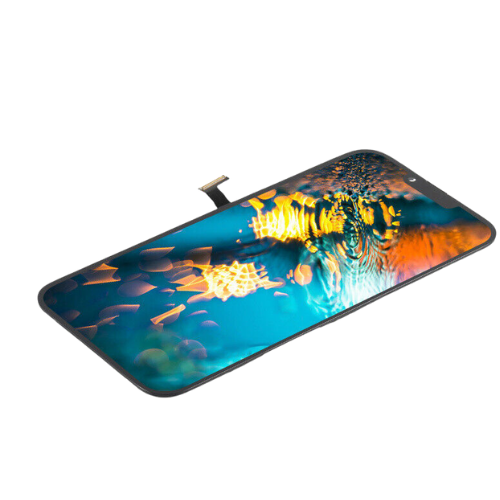
OLED staat voor Organische lichtemitterende diode. Het is een weergavetechnologie waarbij elke pixel zijn eigen licht uitstraalt, wat een beter contrast betekent, levendige kleuren, en dunnere schermen vergeleken met traditionele LCD's.
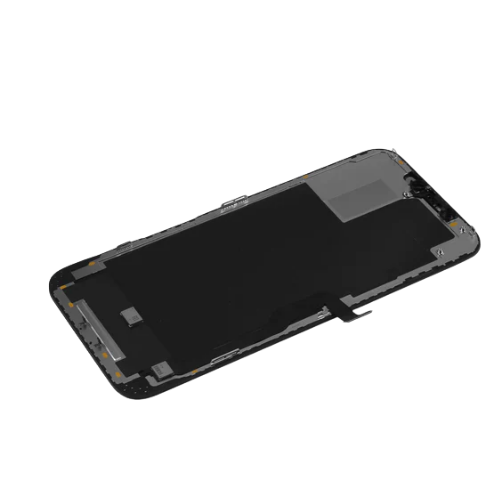
Belangrijkste componenten van een OLED-paneel
Voor degenen die nieuw zijn in de OLED-wereld, hier is een kort overzicht van de belangrijkste onderdelen:
Kathode
De bovenste laag waar elektronen worden geïnjecteerd.
Organische lagen
Dit omvat verschillende sublagen:
- EML (Emissieve laag): Waar het licht daadwerkelijk wordt geproduceerd.
- HTML (Gatentransportlaag): Helpt gaten naar de EML te bewegen.
- ETL (Elektronentransportlaag): Stuurt elektronen naar de EML.
Anode
De laag die positieve ladingen injecteert (gaten).
Substraat
Meestal gemaakt van glas of flexibel plastic.
Het afbreken van de traditionele OLED-materiaalstructuur
Het OLED-materiaalsysteem van Samsung uitgelegd
De OLED-panelen van Samsung Display maken gebruik van een geavanceerde stapel organische materialen afkomstig van wereldwijde leveranciers zoals UDC, Idemitsu Kosan, en Merck.
EML (Emissieve laag)
Dit is waar de magie gebeurt: licht wordt uitgezonden wanneer elektronen en gaten samenkomen.
HTML (Gatentransportlaag)
Brengt positieve ladingen efficiënt over.
ETL (Elektronentransportlaag)
Brengt negatieve kosten over naar de EML.
Impact van materiaalkosten bij OLED-productie
Dit is het probleem: Organische materialen kosten een fortuin. Materialen zoals fosforescerende emitters, gatenblokkerende lagen, en elektronentransportfilms zijn niet goedkoop, en grotendeels geïmporteerd, de prijzen blijven hoog – tot nu toe.
VisionoxVM6: De OLED-oplossing van eigen bodem
Wat is VM6?
VM6 is het in eigen huis ontwikkelde OLED-materiaalsysteem van Visionox, gericht op het verlagen van de kosten door gebruik te maken van gelokaliseerde organische materiaalvervangers. Het doel? Om dure geïmporteerde lagen te vervangen door in eigen land geproduceerde alternatieven.
De R&D-verhaal achter VM6
Visionox's R&Het D-team heeft jarenlang samengewerkt met Chinese materiaalleveranciers om concurrerende EML te ontwikkelen, HTML, en ETL-materialen die de prestaties van Samsung zouden kunnen evenaren, terwijl ze aanzienlijk goedkoper zijn.
De rol van lokale Chinese materiaalleveranciers
Belangrijke spelers houden van Jilin OLED, Apparaat, en Yantai Caihong leveren kern organische materialen voor VM6, drastische kostenbesparingen door internationale markups te vermijden.
Zij aan zij: VM6 versus Samsung OLED-materiaalstructuur
Vergelijkingstabel OLED-materiaalstapelstructuur
| Laag | Samsung OLED | VisionoxVM6 |
|---|---|---|
| Kathode | Aluminium | Aluminium |
| EML | UDC fosforescerende doteermiddelen | Jilin OLED-huishoudapparaten |
| HTML | Idemitsu Kosan | Laite lokaal |
| ETL | Merck | Yantai Caihong |
| Anode | DIT | DIT |
Visueel diagram: Samsung versus VM6 organische laagstapel
(Stel je een gelaagde cake voor, maar één gemaakt met geïmporteerde ingrediënten vs. een lokaal geproduceerd exemplaar. Dezelfde structuur – maar veel goedkopere ingrediënten aan de Visionox-kant.)
Belangrijkste verschillen in EML, HTML, ETL-materialen
VM6 vervangt hoge kosten, geïmporteerde fosforescerende EML-materialen met in eigen land gemaakte alternatieven – presteren nog steeds goed op het gebied van helderheid en efficiëntie, hoewel kleuruniformiteit en levensduur voortdurende verbetering behoeven.
Hoe Visionox VM6 de OLED-productiekosten verlaagt
Verminderde afhankelijkheid van materiaalimport
Door te lokaliseren 80%+ van de toeleveringsketen van organisch materiaal, Visionox vermijdt risico's op valutaschommelingen en hoge importtarieven.
Goedkopere gelokaliseerde organische materiaalbronnen
Binnenlandse Chinese leveranciers bieden bulkprijsvoordelen, profiteren van lokale beleidsondersteuning.
Procesoptimalisatie in massaproductie
VM6-materialen zijn verfijnd voor snellere verwerking, efficiëntere verdampingsprocessen, het verminderen van productieverspilling en -tijd.
De OEM-impact: Lagere kosten voor Chinese smartphonemerken
Hoe merken van eer houden, Tegen, Vivo-voordeel
Met VM6-aangedreven OLED-panelen kunnen Chinese smartphonemerken lanceren OLED-uitgeruste modellen onder $300 – iets wat een paar jaar geleden ondenkbaar was.
Maakt meer OLED-modellen uit het middensegment mogelijk
Dankzij VM6, telefoons uit het middensegment hoeven niet langer compromissen te sluiten met LCD's.
De opkomst van het Chinese OLED-paneel-ecosysteem
Belangrijke binnenlandse leveranciers die VM6 ondersteunen
De Chinese display-toeleveringsketen is snel volwassen aan het worden, met bedrijven als Apparaat, Jilin OLED, en Dalian Zhiyue op te treden als materiële leiders.
Ondersteuning en stimulansen voor overheidsbeleid
Enorme belastingvoordelen, subsidies, en R&D-subsidies hebben deze OLED-stijging mogelijk gemaakt, een schoolvoorbeeld van goed uitgevoerd industriebeleid.
Uitdagingen en beperkingen van VM6
Kleurprestaties versus Samsung
Hoewel indrukwekkend, Het kleurengamma en de piekhelderheid van VM6 blijven nog steeds achter bij de nieuwste panelen van Samsung.
Levensduur- en stabiliteitsproblemen
Vroege VM6 OLED-panelen vertoonden een snellere degradatie van blauwe pixels – een aanhoudend technisch obstakel.
Het overwinnen van marktvooroordelen voor Koreaanse OLED
Het overtuigen van buitenlandse kopers om over te stappen van vertrouwde Koreaanse OLED naar Chinese alternatieven blijft een zware strijd.
Toekomstperspectief: Zal VM6 Samsung wereldwijd uitdagen?
Exportpotentieel van Chinese OLED-panelen
Terwijl de kosten dalen en de prestaties verbeteren, Visionox OLED-panelen komen steeds meer in de richting van buitenlandse smartphonemakers.
Volgende generatie VM7 en verder
Visionox is al aan het testen VM7 materialen gericht op nog betere kleur- en levensduurstatistieken.
Conclusie
Visionox VM6 vertegenwoordigt een cruciaal moment voor de Chinese display-industrie. Door organische materialen te lokaliseren en de OLED-productiekosten terug te brengen tot een derde van die van Samsung, het hervormt de markt. Terwijl er uitdagingen blijven bestaan op het gebied van prestaties en internationaal vertrouwen, Het innovatietempo valt niet te ontkennen. Naarmate VM6 volwassener wordt, het zal niet alleen goedkope telefoons in China van stroom voorzien, het zou op een dag ook wereldwijde vlaggenschipapparaten kunnen verlichten.
FAQ's
Q1: Wat is VM6 in OLED?
VM6 is het in eigen land ontwikkelde OLED-materiaalsysteem van Visionox, gericht op het verlagen van de productiekosten door gebruik te maken van in China gemaakte organische materialen.
Q2: Hoeveel goedkoper is VM6 vergeleken met Samsung OLED?
De materiaalkosten van VM6 zijn ongeveer een derde van de OLED-stack van Samsung, dankzij gelokaliseerde materiaalinkoop en procesverbeteringen.
Q3: Heeft Visionox VM6 kwaliteitscompromissen??
Ja, terwijl VM6 goed presteert op het gebied van helderheid en efficiëntie, kleurnauwkeurigheid en levensduur blijven nog steeds enigszins achter bij Samsung OLED-panelen.
Q4: Waarom zijn de materiaalkosten van OLED cruciaal voor de prijs van smartphones??
Omdat organische materialen voor meer dan verantwoordelijk kunnen zijn 40% van de OLED-paneelkosten. Het verlagen van de materiaalkosten maakt OLED-smartphones betaalbaarder.
Q5: Welke merken gebruiken nu Visionox VM6-panelen?
Chinese merken houden van Eer, Levend, Tegen, En ZTE hebben al op VM6 gebaseerde OLED-schermen toegepast in verschillende modellen uit het middensegment.