
Pasiuna sa LCD Screen Procurement
Ang mga screen sa LCD sa Smartphone-bisan kung mas barato kaysa mga OLED-nagdala gihapon usa ka katingad-an nga komplikado nga istruktura sa gasto. Kung ikaw usa ka propesyonal sa pagkuha, Ang pagsabut kung unsa ang tinuud nga nagmaneho sa presyo makahatag kanimo daghang gahum sa negosasyon. Ug sa LCD kay kaylap pa nga gigamit sa mid-range ug budget devices, Ang pagkahibalo sa pagkahugno sa gasto hinungdanon alang sa mas maalamon nga pagpangita.
Nganong Importante ang Transparency sa Gasto sa LCD
Kung walay visibility sa component-level nga presyo, ang mga pumapalit kasagaran modawat sa bisan unsang presyo nga gikutlo sa mga suppliers. Apan ang mga module sa LCD naglangkob sa daghang mga materyales, mga proseso, ug mga IC—ang matag usa adunay kaugalingong pag-usab-usab sa presyo sa merkado. Kung nahibal-an nimo kung unsang mga bahin ang labing gasto, mahimo nimong hagiton ang mga supplier nga adunay pagsalig.
Komon nga mga Hagit alang sa mga pumapalit
Ang mga tim sa pagpamalit kasagarang mag-atubang:
- Dili klaro o dili kompleto nga mga pagkahugno sa gasto
- Taas nga variable rate sa ani
- Ang mga supplier nag-bundle sa mga importanteng sangkap aron matago ang tinuod nga gasto
- Kanunay nga pag-usab-usab sa presyo sa panel
Ang usa ka tin-aw nga modelo sa gasto makatabang sa pagbuntog niini nga mga babag.
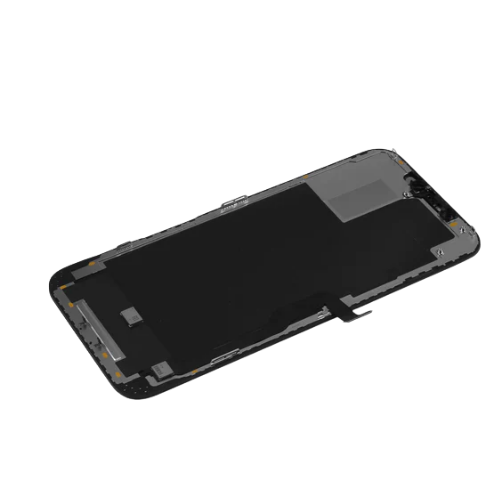
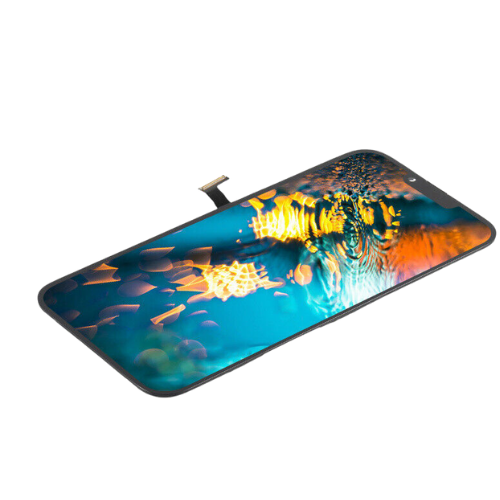
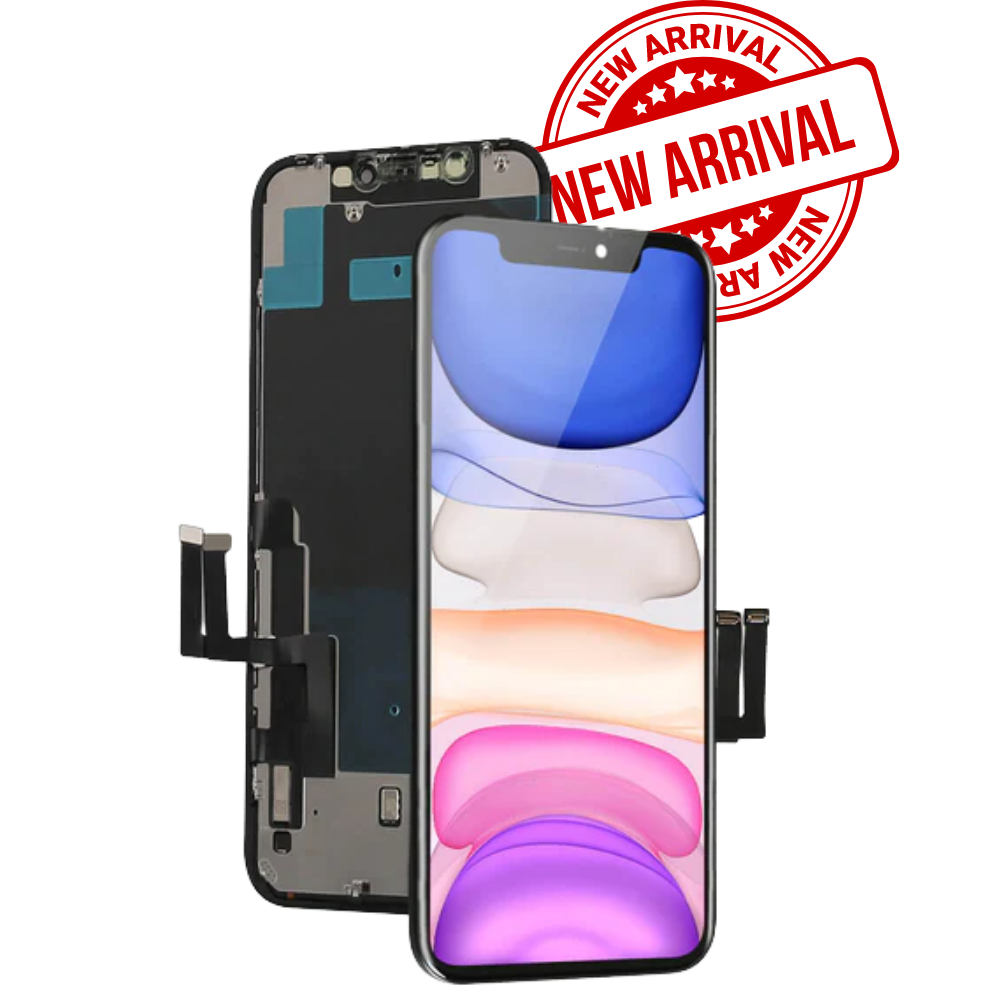
Pangunang mga bahin sa usa ka Smartphone LCD Screen
Ang matag LCD screen adunay daghang mga layer ug modules. Atong gub-on ang mga nag-unang nag-amot sa gasto.
Taklob nga Salamin
Kasagaran ang unang butang nga mahikap sa usa ka user, ang tabon nga bildo makaapekto sa durability ug aesthetics.
Mga Matang sa Cover Glass
- Soda-Lime Glass – Labing barato, gigamit sa mga low-end nga mga telepono.
- Aluminosilicate Glass - Mid-range nga kapilian nga adunay mas maayo nga pagsukol sa scratch.
- Gipalig-on nga Salamin (E.g., Gorilla Glass) - Premium nga grado, labi ka taas nga gasto.
Mga Driver sa Gasto
- Gibag-on
- Katig-a (Mohs nga rating)
- Kung kini naggamit sa kemikal nga pag-ayo
- 2D vs. 2.5D vs. 3D pagkakurba
- Mga pagtambal sa nawong sama sa AF coating
Ang high-curvature nga mga disenyo makadugang sa gasto sa 20-40%.
LCD Display Module
Naglakip kini sa TFT panel ug ang color filter.
Istruktura sa TFT Panel
Ang TFT array mao ang usa sa labing mahal nga mga bahin-ilabi na kon kini naggamit:
- Mas taas nga mga resolusyon (FHD, FHD+)
- teknolohiya sa LTPS vs. A -i
Ang LTPS mahimong mogasto hangtod sa 30% labaw pa, apan naghatag og mas maayo nga power efficiency ug mas hait nga mga biswal.
Kolori nga Filter
Kini nga layer naghubit sa pagpadaghan sa kolor. Ang mas taas nga kalidad nga mga filter-ilabi na kadtong gidesinyo alang sa lapad nga mga pasundayag sa gamut-nagpataas sa gasto sa materyal.
Pindota ang Panel / Paghikap Module
Ang touch sensing mahimong i-integrate (In-Cell), semi-integrated (On-Cell), o nagbulag (OGS).
OGS vs. In-Cell vs. On-Cell
- OGS (Usa ka Glass Solution) – Ubos nga gasto, gawas nga paghikap layer.
- On-Cell - Paghikap sensor nga gitukod sa ibabaw sa panel.
- In-Cell - Mga sensor sa paghikap nga gitukod sa istruktura sa LCD, gigamit sa mga premium nga disenyo.
Ang In-Cell nanginahanglan ug mas tukma nga paggama, pagpataas sa gasto ug risgo sa mga depekto.
Pindota ang Controller IC
Ang touch IC nagdumala sa sensing ug pagproseso sa signal. Ang gasto niini nagdepende sa:
- Gidaghanon sa mga kanal
- Sampling rate
- Kung kini nagsuporta sa stylus input
- Brand (E.g., Goodix vs. FocalTech)
Backlight Module (BLU)
Ang mga screen sa LCD nanginahanglan LED backlighting, usa ka dakong bahin sa gasto.
LED Chips ug Light Guide Plate
Ang mga LED chips magkalainlain sa kahayag, pagkaepisyente, ug brand. Ang Kahayag nga Giya Plato (LGP) nag-convert sa punto nga kahayag ngadto sa uniporme nga kahayag sa nawong-ang mas taas nga optical nga kalidad nagpasabut nga mas taas nga gasto.
Diffusion Films ug Reflector
Kini nga mga lut-od nagdugang sa kahayag ug pagkaparehas. Ang daghang mga layer sa pelikula mahimong ma-stack, ug ang presyo sa pelikula nag-usab-usab base sa kahimtang sa merkado sa resin.
IC sa drayber (Ipakita ang Driver IC, DICK)
Ang mga proseso sa DDIC nagpakita sa mga signal ug nagkontrol sa operasyon sa pixel.
Pangunang Detalye nga Makaapekto sa Presyo
- Gisuportahan nga resolusyon
- Refresh rate
- Kahusayan sa Power
- Uri sa interface (MIPI, eDP)
- Brand ug pagkaanaa (Ang kakulang sa chip mahimong makadoble sa presyo)
Ang mga high-resolution nga ICs makaduso sa kinatibuk-ang gasto sa screen sa 10-20%.
Optical Bonding / Proseso sa Lamination
Kini nga lakang naghiusa sa tabon nga baso, paghikap layer, ug LCD panel.
OCA vs. LOCA
- OCA (Optical Clear Adhesive) – Mas limpyo, mas makanunayon nga mga resulta, popular sa mass production.
- LOCA (Liquid Optical Clear Adhesive) – Mas maayo para sa curved surfaces, apan nagpaila sa mas hinay nga panahon sa pag-ayo.
Automation vs. Manwal nga Asembliya
Ang automated bonding makapauswag sa abot, apan nagdugang ang gasto sa kagamitan. Ang manual bonding mas barato apan kasagaran moresulta sa mas taas nga depekto.
Taas nga abot → ubos nga gasto; ubos nga abot → mas taas nga presyo.
Dugang nga Gasto Labaw sa Mga Sangkap
Rate sa ani ug Pagkawala sa Produksyon
Mga depekto sa bonding, Asembliya sa BLU, o TFT nga mga linya grabeng makaapekto sa gasto. Ang mga module sa In-Cell kasagaran adunay labing ubos nga abot.
Mga Overhead sa Trabaho ug Pabrika
Nagkalainlain ang gasto sa pagtrabaho sa rehiyon (China vs. Vietnam vs. India). Ang mga pabrika nga adunay daghang automation sa kasagaran nagtanyag labi ka lig-on nga presyo.
Pag-pack ug Pagkakasaligan nga Pagsulay
Pag-drop sa mga pagsulay, mga pagsulay sa thermal, ug ang mga pagsulay sa vibration nagdugang sa oras ug gasto apan pagsiguro nga mas gamay ang pagbalik.
Supply Chain ug Logistics
Pagpadala, kostumbre, ug ang pagtipig nakatampo usab sa katapusan nga presyo-ilabi na sa mga mahuyang nga LCD modules.
Sa Unsang Paagi Makaila ang Pagpamalit sa Mga Punto sa Leverage sa Gasto
Taas-Epekto nga mga Punto sa Negosasyon
Ang mga pumapalit mahimong makaduso balik sa labing kusog:
- Pag-upgrade sa tipo sa baso sa tabon
- BLU film stack configuration
- Touch module nga teknolohiya (OGS vs. In-Cell)
- Ang gigikanan sa IC sa drayber ug tatak
Mga Oportunidad sa Pagpuli sa Component
Pagbalhin sa:
- Lower-spec nga paghikap IC
- Standard nga LGP
- Lokal nga mga supplier sa baso
- Alternatibong backlight film suppliers
…mahimo nga maka-shave ug 5–15% nga diskwento sa gasto sa module.
Kapabilidad sa Supplier ug Tiering
Ang mga top-tier nga mga supplier nagtanyag og kalig-on apan mas taas nga mga presyo. Ang mga mid-tier vendor mahimong motanyag ug mas maayong lawak sa negosasyon—kon ang ilang abot madawat.
Pagtuon sa Kaso: Kinaandan nga Pag-apod-apod sa Gasto sa Module sa LCD
Ang usa ka tipikal nga mid-range LCD module breakdown mahimong tan-awon sama:
- TFT Panel: 35–40%
- Gaba: 20–25%
- Taklob nga Salamin: 10–15%
- Paghikap Module: 10–15%
- IC sa drayber: 10–12%
- Proseso sa Lamination & Tigom: 5–8%
Kini nga modelo makatabang kanimo sa pagtino kung diin ang mga supplier nagbutang sa mga margin sa padding.
Labing maayo nga mga Praktis para sa LCD Procurement Negotiation
Pag-benchmark
Itandi ang presyo sa tibuok:
- Daghang suppliers
- Mga tipo sa panel
- Mga rehiyon
- Mga uso sa merkado sa quarter-by-quarter
Pagplano sa Volume
Daghang mga order → mas maayo nga mga lebel sa presyo.
Staggered forecasts = mas taas nga risgo nga premium.
Multi-Sourcing
Likayi ang pagsalig sa usa ka supplier aron makunhuran ang risgo sa pagsaka sa gasto.
Kataposan
Ang pagsabut sa istruktura sa gasto sa mga screen sa LCD sa smartphone naghatag gahum sa mga tim sa pagpamalit aron mas maalam ang negosasyon, makit-an ang margin padding sa supplier, ug pagpili sa husto nga mga alternatibo. Pinaagi sa pag-analisar sa matag sangkap—gikan sa bildo hangtod sa backlight hangtod sa mga IC—makontrol nimo ang proseso sa pagpalit ug makunhuran ang wala kinahanglana nga gasto..
Ang mga module sa LCD komplikado, apan adunay klaro nga pagkaguba, mahimo nimong himoon ang pagkakomplikado ngadto sa kusog sa negosasyon.
FAQS
1. Unsa ang labing mahal nga bahin sa usa ka screen sa LCD sa smartphone?
Ang TFT panel kasagaran nga nag-asoy sa pinakadako nga porsyento sa gasto.
2. Ang In-Cell touch nga teknolohiya ba kanunay nga mas mahal?
Kasagaran oo—In-Cell nanginahanglan ug mas taas nga katukma sa paghimo ug adunay mas ubos nga ani.
3. Unsa ka dako ang kontribusyon sa backlight sa gasto?
Kasagaran 20-25% sa kinatibuk-ang gasto sa module.
4. Unsa ang labing nakaapekto sa pagpresyo sa IC sa drayber?
Suporta sa resolusyon, tatak, ug global nga mga kondisyon sa suplay sa chip.
5. Mahimo ba nga makigsabot ang mga pumapalit sa ubos nga gasto sa baso?
Hingpit—ang pagbalhin ngadto sa ubos nga espesipiko o lokal nga mga suppliers sa bildo makapakunhod sa gasto sa 10-20%.