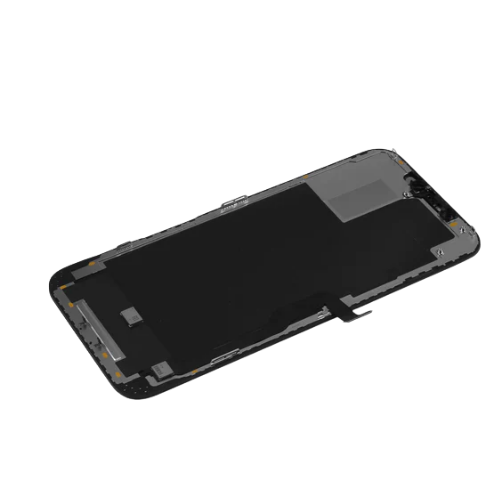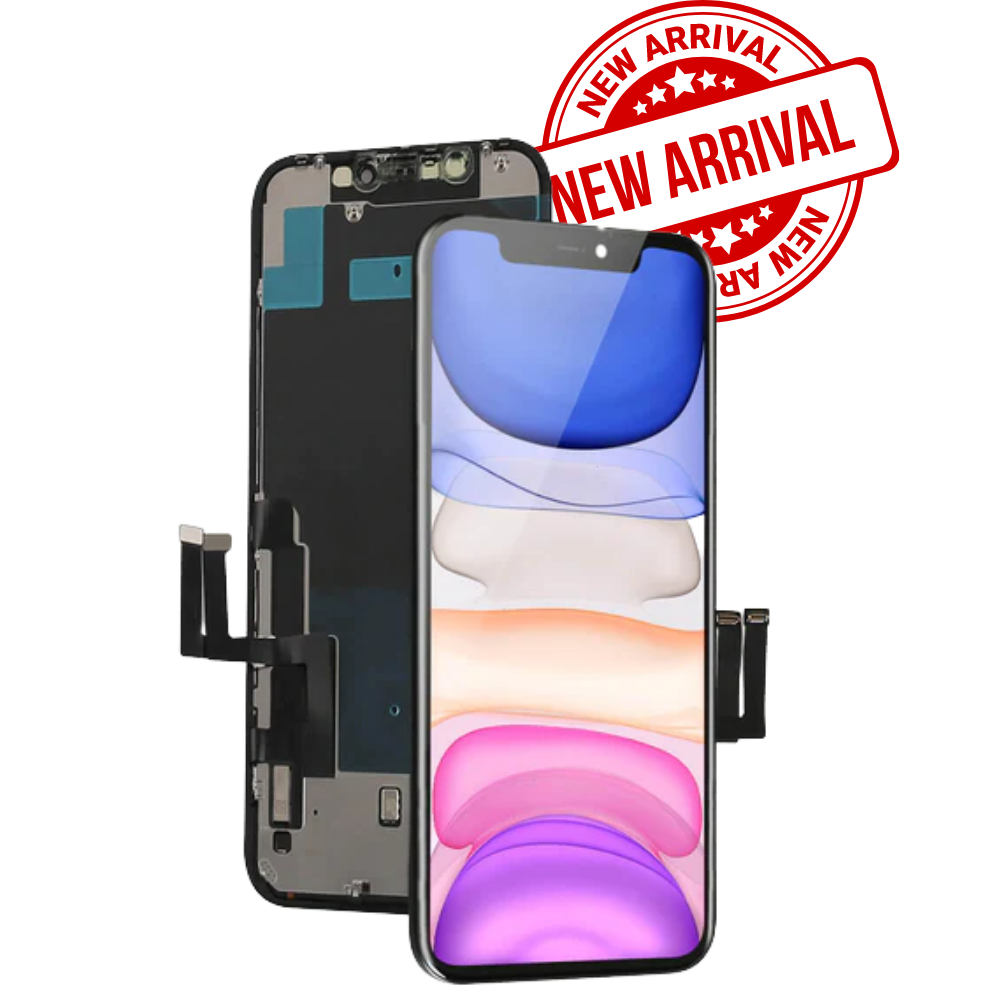

A érzékelő flex kábel az iPhone-od intelligens képernyője mögött meg nem énekelt hős. Összekapcsolja a kulcsfontosságú elülső modulokat, mint pl fülhallgatós hangszóró, közelségérzékelő, környezeti fényérzékelő, és, ami a legfontosabb, a Face ID pontprojektor rendszer.
Röviden, ez az apró szalagkábel nélkül, iPhone-ja nem tudja, ha éppen hívást folytat (a kijelző kikapcsolásához), milyen fényes a környezet, vagy akár hogyan lehet biztonságosan feloldani az arcod használatával.
iPhone X – Az integráció kezdete
Az iPhone X volt az Apple első lépése a teljes képernyős korszak, és vele jött Arcazonosító. Ez volt az első alkalom, hogy az Apple használta a magasan integrált érzékelő flex kábel modul.
Főbb jellemzők
- Integrált fülhallgatós hangszóró, környezeti fényérzékelő, és közelségérzékelő egyetlen flex kábelen.
- Face ID csatlakozónyílás a TrueDepth kamera igazítására van fenntartva.
Gyakori problémák
- Öregedő flex kábelek gyakran okoznak fülhallgató hangveszteséget vagy az érzékelő hibás működését.
- Barkács javítás lehetséges, de kompatibilis utángyártott rugalmas kábelekre van szükség – nem minden csere biztosítja a Face ID-kompatibilitást.
iPhone XS – iPhone 12: Evolúció és stabilitás
Ahogy az Apple finomította a Face ID rendszert, az érzékelő rugalmas elrendezése fejlődött, de megtartotta a hasonló moduláris felépítést.
Főbb változások
- Javított tartósság és az érzékelő pontossága.
- Jobb Face ID kalibrálási konzisztencia.
- Bővült a harmadik féltől származó alkatrészek kompatibilitása.
Javítási megjegyzések
- A csere gondos kezelést igényelt; akár csekély statikus kisülés (ESD) használhatatlanná teheti az érzékelőket.
- Flex kábel kopás továbbra is gyakori probléma a két évnél régebbi telefonoknál.
iPhone 13 – iPhone 15: Precizitás és komplexitás
iPhone-tól kezdve 13, Az Apple bemutatta a új flex architektúra hogy kompaktabb lett és szoftverhez kötött. A cég konkrét hardverváltozásokat nem közölt, de a javítási szakemberek több műszaki különbséget is felfigyeltek.
Műszaki frissítések
- Optimalizált szenzorelrendezés a válaszkésés csökkentése érdekében.
- Továbbfejlesztett környezeti fény pontossága és automatikus fényerő pontossága.
- Integrációja mikro-védő rétegek a jobb ütésállóság érdekében.
Javítási kihívások
- Szoftver kalibrálás az érzékelő bármely alkatrészének cseréje után vált szükségessé.
- Hivatalos és harmadik fél javítása szükséges párosítási eszközök az arcazonosító visszaállításához.
- A javítási költség nőtt jelentős mértékben a komplexitás és a kínálati korlátok miatt.
iPhone 16 Pro Max – Speciális integráció
Az Apple legújabb zászlóshajója, a iPhone 16 Pro Max, jelentős ugrást jelent az integrációban. A Az érzékelő rugalmas kábele most mélyen be van ágyazva a kijelzőegységbe, így gyakorlatilag elválaszthatatlan a képernyő károsodása nélkül.
Főbb jellemzők
- Teljesen integrált modul kijelzővel és Face ID érzékelőkkel kombinálva.
- Megerősített szerkezeti elrendezés a jobb tartósság és vízállóság érdekében.
Főbb hátrányok
- Lehetetlen barkácscsere: a hajlékony kábel eltávolítására tett kísérletek okozhatnak állandó arcazonosító elvesztése.
- A javításhoz szigorúan Apple vagy hivatalos technikusok szükségesek, a védett szoftverek összekapcsolása miatt.
Összehasonlító táblázat: iPhone Sensor Flex Evolution
| 📱 Modell sorozat | ✅ Alapvető integráció & Főbb változások | ⚠️ Fő hibapontok & Javítási megjegyzések |
|---|---|---|
| iPhone X – iPhone 12 | • Kiváló integráció a fülhallgatóval, közelség, és fényérzékelők. • Fenntartott nyílás a Face ID csatlakozókhoz. | • A rugalmas öregedés hang- és érzékelőhibákhoz vezet. • Nagy kompatibilitású cserealkatrészeket igényel. |
| iPhone 13 – iPhone 15 | • Folyamatos érzékelő pontosság és elrendezés optimalizálás. • Továbbfejlesztett árnyékolás és alkatrészek ragasztása. | • Magas javítási költség. • A szoftver párosítása kötelező a teljes funkcionalitás érdekében. |
| iPhone 16 Pro Max | • Mély integráció a kijelző egységbe. • Fokozott tartósság és tömörség. | • Barkácscsere nem javasolt. • A kockázat állandó arcazonosító elvesztése ha rosszul kezelik. |
Gyakori érzékelő hajlítási problémák
- A fülhallgató hangvesztése – Gyakran hajlékony kábelkorrózió vagy mikroszakadás miatt.
- Fényérzékelő hibás működése – Inkonzisztens automatikus fényerőhöz vezet.
- Face ID hiba – Általában nem párosított vagy sérült hajlékony szerelvényekből származik.
Műszaki javítási betekintések
A modern iPhone flex kábelek nem csak biztos kezeket igényelnek, hanem azt is digitális párosítási eszközök. Az Apple szabadalmaztatott kalibrációs rendszere biztosítja a Face ID biztonságát, ami még a szakszerű javításokat is függővé teszi Apple által engedélyezett diagnosztikai szoftver.
Beszerzési ajánlások modellenként
iPhone X-hez – iPhone 12 Felhasználók
- Válasszon "3 az 1-ben nagy kompatibilitású flex kábelek."
- Keres aranyozott csatlakozók és kettős árnyékoló réteg a stabilitás érdekében.
- Antisztatikus csomagolás elengedhetetlen.
- Ha barkács javítást próbál meg, használat műanyag spudgerek és kerülje a fémszerszámokat.
iPhone-hoz 13 – iPhone 15 Felhasználók
- A költségek és a bonyolultság miatt, hivatalos vagy megbízható harmadik fél javítása ajánlott.
- Kerülje a nem tanúsított cserekábeleket; gyakran ahhoz vezetnek Face ID hiba.
iPhone-hoz 16 Pro Max felhasználók
- Soha ne kísérelje meg az önjavítást.
- A flex kábel be van ágyazva, és a Face ID szoftverhez kötött.
- Kapcsolatba lépni Apple hivatalos szolgáltatók csak.
Főbb anyag- és minőségi szempontok
Kiváló minőségű flex kábelek funkció:
- Aranyozott csapok a kiváló vezetőképesség érdekében.
- ESD-biztos csomagolás az elektrosztatikus kisülés okozta károk elkerülése érdekében.
- Megerősített hajlítási területek hogy ellenálljon az ismételt képernyőemeléseknek.
Mikor kell javítani vs. Mikor kell cserélni
Ha iPhone-ja régebbi modell (X–12), csak a flex kábel cseréje megfizethetően meghosszabbíthatja élettartamát.
Újabb modellekhez, az biztonságosabb cserélje ki a teljes elülső modult tanúsított csatornákon keresztül.
Váltás a barkácsolásról a professzionális szolgáltatásra
A korábbi iPhone-ok lehetővé tettek egy kis barkácsolást – a felhasználók türelemmel és a megfelelő eszközökkel javíthatták vagy cserélhették a rugalmas kábeleket.
Ma, az iPhone-nal 16 Pro Max, az a korszak elmúlt. A növekvő integrációs és biztonsági kötelező érvényű készítsenek szakszerű javítás nemcsak biztonságosabb, de szükséges is.
A szenzorintegráció jövőbeli trendjei
Az Apple pályája azt sugallja, hogy a jövő iPhone-jai még több érzékelőt integrálhatnak – esetleg a kijelző alatti arcazonosító rendszereket. Ahogy az integráció mélyül, a moduláris javíthatóság csökkenni fog, készítése precíziós gyártás és engedélyezett szerviz az új norma.
Következtetés
iPhone X-ről iPhone-ra 16 Pro Max, a Az érzékelő rugalmas kábele cserélhető alkatrészből teljesen integrálttá fejlődött, biztonsághoz kötött szerkezet. Ami rugalmasnak indult, félmoduláris rész mára a erősen specializálódott, nem szervizelhető alkatrész.
Ha régebbi iPhone-okat karbantart vagy javít, összpontosítani kompatibilitás és minőség flex pótlások. Újabb modellekhez, mindig kérjen szakszerű javítást– mert egy apró hiba végleg letilthatja arcazonosítóját.
GYIK
1. Cserélhetem az érzékelő rugalmas kábelét az iPhone-on? 13 magamat?
Nem ajánlott. A Face ID funkció visszaállításához párosítási eszközökre van szükség.
2. Miért nem működik hirtelen az iPhone X fülhallgatóm??
Valószínűleg egy kopott vagy sérült érzékelő hajlékony kábele befolyásolja a fülhallgató csatlakozását.
3. A Face ID csatlakozik az érzékelő rugalmas kábeléhez?
Igen, a TrueDepth rendszer közvetlenül csatlakozik az érzékelő rugalmas szerelvényén keresztül.
4. Hogyan ismerhetem fel a jó minőségű csere-flex kábeleket??
Keres aranyozott csapok, kettős árnyékolás, és antisztatikus csomagolás.
5. Will az iPhone 16 A Pro Max lehetővé teszi a barkács javításokat?
Nem. Szenzorhajlítása teljesen integrálva van a képernyővel, igénylő hivatalos Apple szerviz.