Înțelegerea lanțului de aprovizionare cu display-uri mobile
Componentele cheie pe ecranul unui smartphone
Dacă ați încercat vreodată să găsiți ecrane pentru telefoane mobile, probabil ați observat cât de confuză poate deveni terminologia. Un furnizor spune „Modul LCD,„altul spune „asamblare tactilă,” și altcineva aruncă „sticlă exterioară” sau „digitizer”. Este ca și cum toată lumea vorbește aceeași limbă, dar cu dialecte complet diferite.
În miezul ei, un ecran de smartphone nu este doar o singură piesă. Este un teanc atent proiectat de componente care lucrează împreună pentru a oferi imagini și răspuns la atingere. The panou LCD produce imaginea, the strat de atingere detectează mișcările degetelor, iar cel sticla de acoperire protejează totul dedesubt. Aceste elemente pot fi vândute fie separat, fie ca modul complet integrat, în funcție de tipul produsului și de cerințele de reparație.
Înțelegerea modului în care aceste părți interacționează este esențială, mai ales dacă sunteți în achiziții. O mică neînțelegere - cum ar fi confundarea unui ansamblu complet cu doar o lentilă de sticlă - poate duce la greșeli costisitoare, întârzieri, sau reclamațiile clienților. De aceea, familiarizarea cu acești termeni nu este doar utilă, ci este absolut necesar dacă doriți să operați eficient în această industrie..
De ce este importantă terminologia în achiziții
Să fim sinceri: în domeniul pieselor mobile, claritatea este egală cu profit. Dacă nu definiți clar ceea ce cumpărați, ați putea ajunge să plătiți pentru ceva ce nu ați intenționat să cumpărați – sau mai rău, primind componente incompatibile.
De exemplu, comandarea unui „ecran” fără a specifica dacă este o modul LCD complet sau doar sticla exterioara poate duce la confuzii majore. Furnizorii ar putea presupune lucruri diferite pe baza propriilor standarde. Și pentru că este implicat comerțul internațional, barierele lingvistice nu fac decât să amplifice problema.
Terminologia precisă ajută la eficientizarea comunicării, reduce disputele, și asigură coerența între comenzi. De asemenea, facilitează compararea ofertelor de la diferiți furnizori. Când toată lumea este aliniată la definiții, prețurile devin transparente, iar negocierea devine mult mai lină.
În scurt, stăpânirea acestor termeni nu este doar cunoștințe tehnice – este un avantaj strategic.
Ce este un modul de ecran LCD mobil?
Definiția LCD Module (LCM)
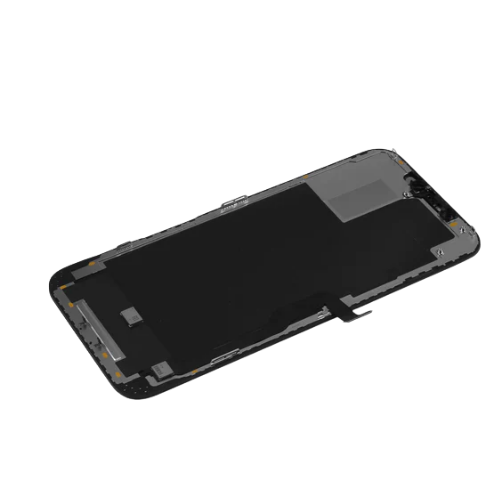
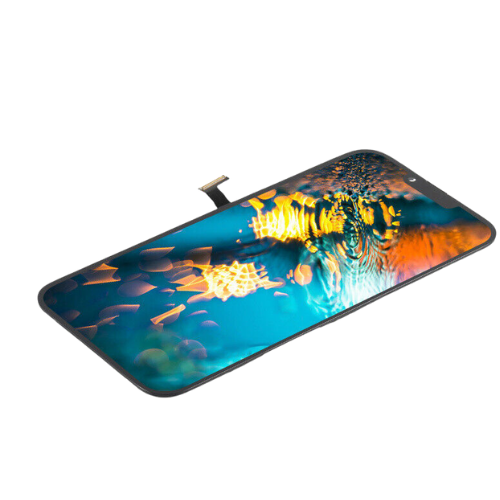
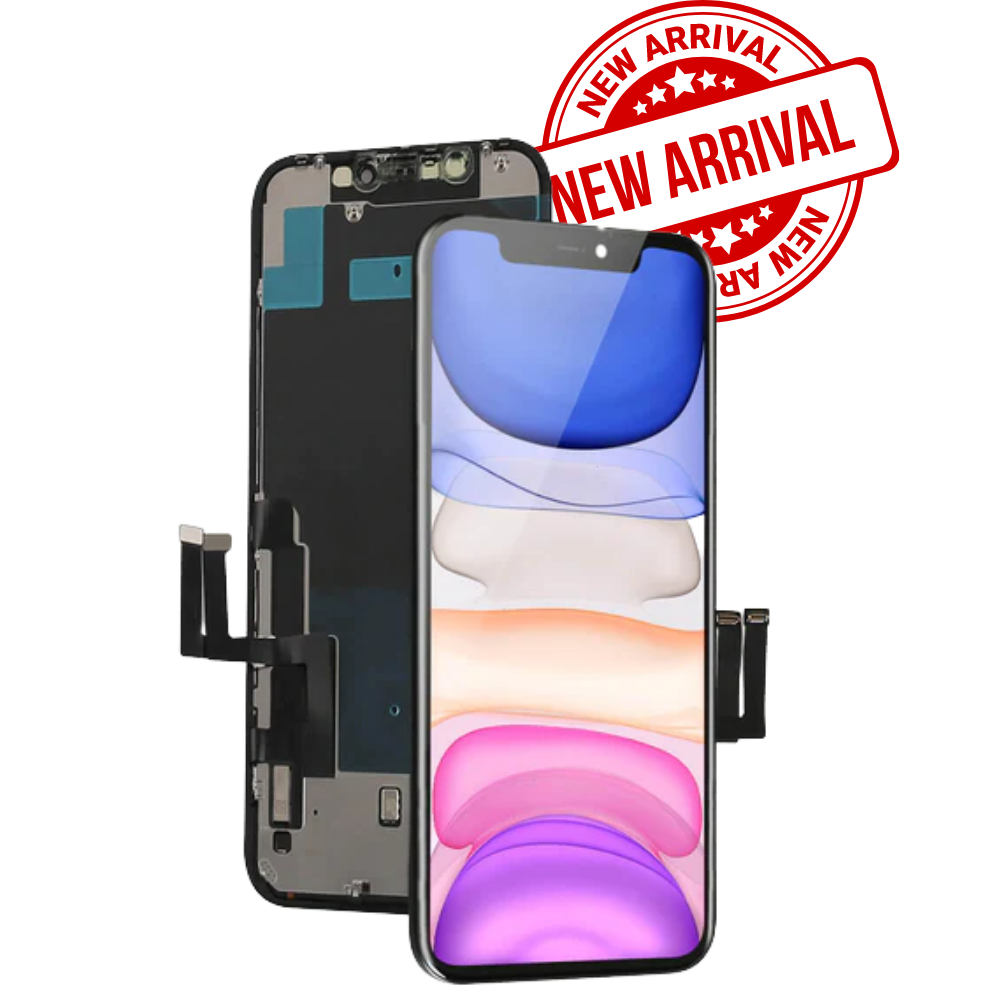
Termenul Modul LCD (LCM) este una dintre cele mai frecvent utilizate expresii în industria afișajelor mobile. Mai simplu spus, un LCM este a unitate de afișare completă care include panoul LCD și, de obicei, funcționalitatea tactilă, toate pre-asamblate într-o singură componentă.
Gândiți-vă la el ca la un pachet gata de instalat. În loc să se ocupe de mai multe straturi separat, ai totul legat împreună. Acest lucru reduce timpul de instalare și minimizează riscul de deteriorare în timpul reparației sau asamblarii.
În achiziții, specificarea „LCM” înseamnă de obicei că doriți a unitate de afișare complet funcțională, nu doar părți individuale. Cu toate acestea, este încă important să clarificăm dacă modulul include componente suplimentare, cum ar fi cadrul, lumina de fundal, sau cipuri IC.
Componentele de bază în interiorul unui LCM
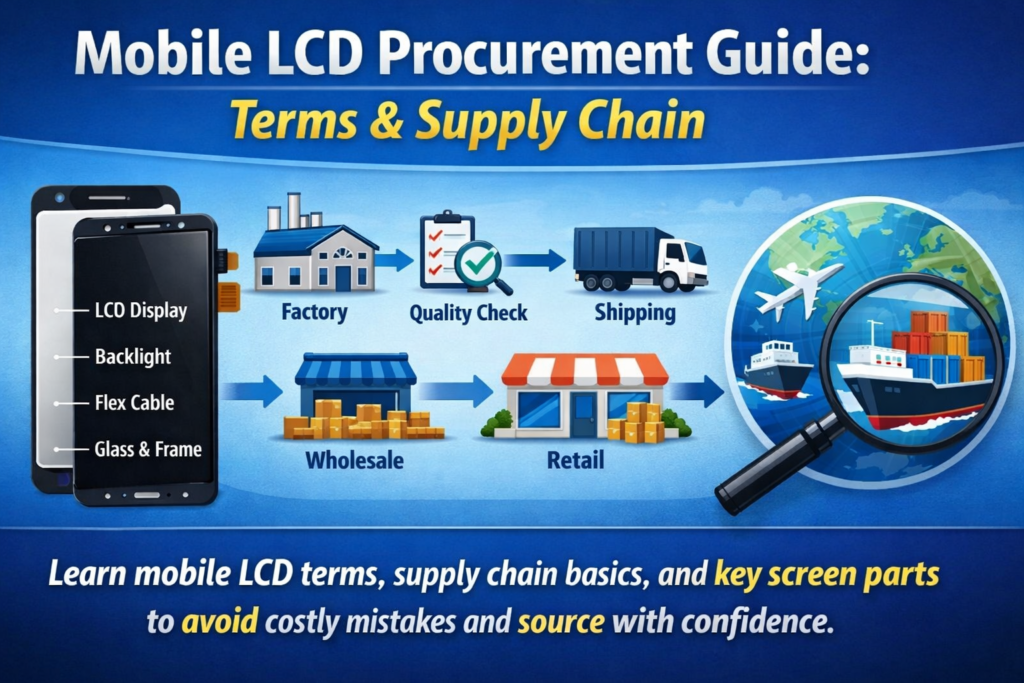
Un modul LCD standard constă de obicei din mai multe straturi:
- Panou LCD (Afișare de cristal lichid) – responsabil pentru generarea imaginii
- Unitate de iluminare de fundal – asigură iluminare
- Atingeți Digitizer – detectează intrarea tactilă
- Sticlă de acoperire – protejează ecranul
- FPC (Circuit imprimat flexibil) – conectează modulul la placa de bază
Aceste straturi sunt adesea lipite folosind tehnici avansate de laminare, cum ar fi OCA (Adeziv optic transparent). Integrarea îmbunătățește claritatea afișajului și sensibilitatea la atingere reducând în același timp reflexiile.
Pentru cumpărători, înțelegerea acestor componente vă ajută să evaluați calitatea și prețul produsului. Un modul cu o laminare mai bună și materiale de calitate superioară va costa în mod natural mai mult, dar va oferi și performanțe și durabilitate mai bune.
Tehnologia tactilă a ecranului mobil explicată
Atingerea capacitivă vs Atingerea rezistivă
Tehnologia tactilă este magia invizibilă din spatele fiecărei glisări, robinet, și ciupiți. Astăzi, folosesc aproape toate smartphone-urile ecrane tactile capacitive, dar dispozitivele mai vechi sau specializate se pot baza în continuare pe tehnologie tactilă rezistivă.
Ecranele tactile capacitive detectează semnalele electrice de la deget, oferind timpi de răspuns mai rapizi și capabilități multi-touch. De aceea ei domină piața de consum. Ecrane rezistive, pe de altă parte, se bazează pe presiune și sunt mai puțin sensibile, dar mai durabile în anumite medii industriale.
Din punct de vedere al achizițiilor, panourile tactile capacitive sunt standardul. Cu toate acestea, nu toate ecranele capacitive sunt egale. Variații ale sensibilității, durabilitate, și circuitele integrate ale controlerului pot avea un impact semnificativ asupra experienței utilizatorului.
Rolul panoului tactil în telefoanele inteligente moderne
The panou tactil, cunoscut și sub numele de digitizator, se află deasupra stratului de afișare și traduce atingerea fizică în semnale digitale. În modele moderne, acest strat este adesea integrat direct în LCD sau sticlă folosind tehnologii precum Incell sau Oncell.
Această integrare reduce grosimea și îmbunătățește capacitatea de răspuns. De asemenea, simplifică lanțul de aprovizionare, deoarece sunt necesare mai puține componente separate. Cu toate acestea, poate face reparațiile mai costisitoare, deoarece întregul modul poate avea nevoie de înlocuire dacă un strat eșuează.
Pentru cumpărători, alegerea între panouri tactile separate și soluții integrate depinde de piața țintă – indiferent dacă este vorba de produse axate pe reparații sau de produse ale utilizatorului final.
Ecran exterior (Sticlă) vs ecran interior (Afişa)
Ce este ecranul exterior (Sticlă de acoperire)?
The ecran exterior, adesea denumită sticla de acoperire, este stratul superior pe care utilizatorii îl ating fizic. Rolul său principal este protecția. Protejează componentele interne delicate de zgârieturi, impacturi, și daune mediului.
Sticla de acoperire de înaltă calitate este de obicei realizată din materiale consolidate, cum ar fi sticla călită. Unele au chiar acoperiri pt anti-amprentă sau anti-orbire proprietăți.
În achiziții, sticla exterioară este adesea vândută separat pentru reparații. Este mai ieftin decât un modul complet, dar necesită tehnicieni calificați pentru a fi instalat. Această opțiune este populară pe piețele în care sunt preferate reparațiile care economisesc costuri.
Ce este ecranul interior (Panou LCD)?
The ecran interior se referă la panoul de afișare real - partea care generează imagini. Acesta include stratul de cristale lichide, filtre de culoare, și sistem de iluminare de fundal.
Spre deosebire de sticla exterioară, ecranul interior este foarte sensibil și scump. Deteriorarea acestei componente duce de obicei la probleme de afișare, cum ar fi pixeli morți, linii, sau nicio imagine.
Separarea ecranului interior de sticla exterioară este posibilă, dar este o provocare tehnic. De aceea, mulți cumpărători optează pentru module complete – este mai simplu și mai fiabil.
Diferențele dintre asamblarea completă și părțile separate
Laminare completă vs separare cadru
O asamblare completă (numită și laminare completă) înseamnă toate straturile — sticlă, atingere, și afișajul - sunt legate într-o singură unitate. Acest lucru oferă o claritate optică și o durabilitate mai bună.
În contrast, părți separate permite ca fiecare strat să fie înlocuit individual. În timp ce acest lucru reduce costurile materiale, crește complexitatea muncii și riscul în timpul instalării.
Avantaje și dezavantaje pentru cumpărători
| Opţiune | Avantaje | Dezavantaje |
|---|---|---|
| Asamblare completa | instalare ușoară, calitate mai bună | Costuri mai mari |
| Piese separate | Cost mai mic, reparație flexibilă | Risc de muncă mai mare |
Alegerea opțiunii potrivite depinde de modelul dvs. de afaceri. Dacă acordați prioritate vitezei și fiabilității, adunările complete sunt calea de urmat. Dacă economisirea costurilor este obiectivul tău principal, părțile separate pot fi mai potrivite.
Termeni obișnuiți în industrie pe care trebuie să-i cunoașteți
OEM, Aftermarket, Renovat Explained
- OEM (Producator de echipamente originale): Piese originale fabricate din fabrica
- Aftermarket: Componente fabricate de terți
- Renovat: Piese uzate restaurate in stare de functionare
Fiecare categorie are propriul nivel de preț și calitate. Piesele OEM sunt cele mai scumpe, dar oferă cea mai mare fiabilitate.
Incell, Oncell, și Tehnologii TFT
- Incell: Atingere integrată în stratul LCD
- Oncell: Atingeți stratul de deasupra ecranului LCD
- TFT: Tehnologie LCD tradițională
Înțelegerea acestor termeni vă ajută să comparați mai eficient produsele.
Grade de calitate și standarde de testare
Ecrane de nota A vs clasa B
Clasarea calității este crucială în achiziții. Ecrane de clasa A sunt aproape perfecte, în timp ce Ecrane de grad B poate avea defecte minore.
Proceduri cheie de testare înainte de expediere
Furnizorii performează de obicei:
- Testarea luminozității
- Testarea sensibilității la atingere
- Inspecție pixeli morți
Aceste teste asigură fiabilitatea produsului înainte de livrare.
Factori de preț în achiziția de ecran LCD
Costul materialului și impactul tehnologiei
Tehnologii avansate precum Incell cresc costurile de producție, dar îmbunătățesc performanța.
MOQ și considerații privind lanțul de aprovizionare
Cantitatea minima de comanda (MOQ) poate afecta semnificativ prețurile. Comenzile în vrac vin de obicei cu reduceri.
Alegerea furnizorului potrivit
Criterii cheie de evaluare
Caută:
- Calitate constantă
- Comunicare transparentă
- Livrare de încredere
Steaguri roșii de evitat
Evitați furnizorii care:
- Lipsa certificărilor
- Furnizați specificații neclare
- Oferiți prețuri neobișnuit de mici
Tendințe viitoare în achizițiile de display mobile
Treceți către ecrane OLED și flexibile
În timp ce LCD domină încă dispozitivele bugetare, OLED câștigă popularitate datorită culorii și flexibilității mai bune.
Creșterea cererii pentru module integrate
Soluțiile integrate vor continua să crească, simplificarea producției și reparațiilor.
Concluzie
Navigarea în lumea achizițiilor de ecrane LCD mobile poate fi copleșitoare la început, dar odată ce ai înțeles terminologia, totul începe să aibă sens. Din module LCD la panouri tactile, din sticla exterioara la display-uri interioare, fiecare termen reprezintă o componentă specifică cu propriul rol în imaginea de ansamblu.
Când înțelegeți clar ce cumpărați, reduceți riscurile, îmbunătățirea comunicării cu furnizorii, și, în cele din urmă, luați decizii de cumpărare mai inteligente. Indiferent dacă vă aprovizionați cu ateliere de reparații, distributie angro, sau de fabricație, stăpânirea acestor concepte vă oferă un avantaj competitiv real.
Întrebări frecvente
1. Care este diferența dintre modulul LCD și ecranul tactil?
Un modul LCD include atât ecranul, cât și componentele tactile, în timp ce ecranul tactil se referă doar la stratul sensibil la atingere.
2. Pot înlocui doar sticla exterioară a ecranului unui telefon?
Da, dar necesită echipament specializat și tehnicieni calificați.
3. Ce înseamnă tehnologia Incell?
Incell integrează funcția tactilă direct în stratul LCD, făcând ecranele mai subțiri și mai receptive.
4. Sunt ecranele aftermarket fiabile?
Ele pot fi, dar calitatea variaza in functie de producator.
5. De ce sunt mai scumpe ansamblurile complete?
Pentru că combină mai multe componente într-o singură unitate, oferind performanțe mai bune și instalare mai ușoară.