Introducere
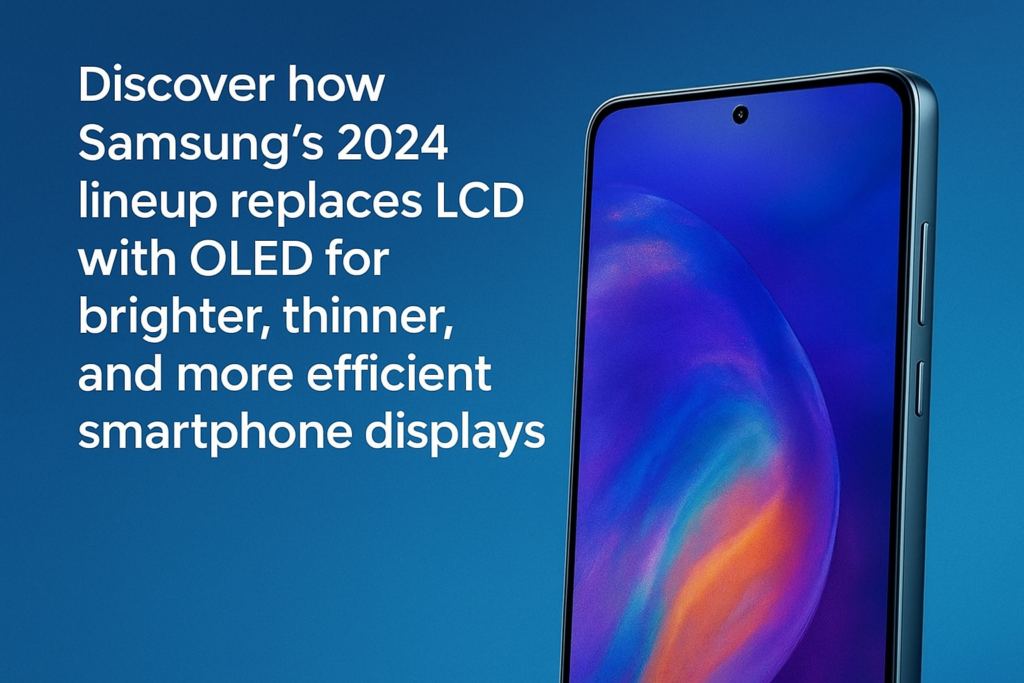
Samsung a fost de multă vreme un lider în inovarea display-urilor – și 2024 marchează un moment definitoriu. Gigantul tehnologic a trecut complet la Ecrane OLED pentru aproape toate modelele de smartphone-uri peste nivelul entry-level. LCD-uri, cândva standardul în dispozitivele de gamă medie, acum dispar repede. De la Galaxy S24 Ultra la Galaxy A15 prietenos cu bugetul, Evoluția afișajului Samsung își arată viziunea pentru mai luminos, mai subtire, și telefoane mai eficiente din punct de vedere energetic.
Aşa, ce a determinat această preluare completă a OLED? Să ne aprofundăm în modul în care Samsung și-a remodelat gama de smartphone-uri cu o tehnologie vizuală uimitoare.
Înțelegerea tehnologiei de afișare
Ce este LCD-ul și de ce dispare
LCD, sau Afișare de cristal lichid, a fost cândva regele ecranelor smartphone-urilor. A oferit luminozitate decentă și accesibilitate. Cu toate acestea, Pe care se bazează panourile LCD iluminare din spate, care limitează contrastul și adâncimea negrului. Ca urmare, culorile pot apărea spălate, mai ales în comparație cu OLED.
În scurt, LCD-ul este funcțional, dar nu mai este interesant. Consumatorii se așteaptă acum la negru mai profund, culori mai bogate, și imagini mai fluide - toate acestea OLED le oferă fără efort.
Ce face ca OLED să fie superior
OLED (Diodă emițătoare de lumină organică) panourile funcționează diferit. Fiecare pixel emite propria sa lumină, eliminând necesitatea unei lumini de fundal. Rezultatul?
- Negri perfecti
- Raport de contrast infinit
- Eficiență energetică mai bună
- Panouri mai subțiri și mai ușoare
Ecranele OLED ale Samsung sunt recunoscute la nivel global pentru acestea reproducerea culorilor vii şi longevitate, făcându-le ideale atât pentru dispozitivele emblematice, cât și pentru dispozitivele de gamă medie.
Variantele OLED de la Samsung - Super AMOLED vs. AMOLED dinamic 2X
Samsung nu face doar panouri OLED, ci le perfecționează.
- Super AMOLED: Folosit în telefoane medii și entry-level, cum ar fi A55 sau M55. Este luminos, colorat, și eficient din punct de vedere energetic.
- AMOLED dinamic 2X: Găsit în dispozitive emblematice precum S24 Ultra şi Îndoire în Z6. Oferă rate de reîmprospătare mai mari, Suport HDR, și luminozitate adaptivă până la 2600 nits.
Samsung 2024 Strategia de afișare
Trecerea de la LCD la OLED în toate liniile
În 2024, Samsung și-a executat planul pe termen lung: înlocuiți toate panourile LCD de deasupra modelelor entry-level cu OLED. Marca nu mai vede LCD-ul ca fiind viabil pentru niciun telefon de nivel mediu sau premium. Chiar și modele accesibile ca Galaxy A15 prezintă acum afișaje OLED - o mișcare care semnalează democratizarea tehnologiei premium.
Cum își definește tehnologia panoului Samsung imaginea premium
Samsung nu este doar un producător de smartphone-uri, ci și cel mai mare furnizor de panouri OLED din lume. Acest lucru îi conferă un avantaj competitiv în controlul costurilor și asigurarea calității. Succesul companiei cu OLED a influențat întreaga industrie a smartphone-urilor, împingând concurenții să urmeze exemplul.
2024 Modele emblematice – Seria Galaxy S24
Galaxy S24 Ultra – Ecranul de referință suprem
The Galaxy S24 Ultra dispune de cel mai bun display Samsung: o 6.8-inch Dynamic AMOLED 2X cu rata de reîmprospătare de 120 Hz și rezoluție QHD+. Ceea ce îl face să iasă în evidență este acoperire antireflex şi design din sticlă plată, îmbunătățirea gradului de utilizare și vizibilității în lumina soarelui.
Este, de asemenea, protejat de Corning Gorilla Glass Armor, care oferă o durabilitate excepțională. Fie că sunt jocuri sau streaming, acest afișaj stabilește standardul de aur pentru 2024.
Galaxy S24+ și S24 – echilibrează performanța și perfecțiunea
Atât cele S24+ şi S24 continuă tradiția OLED, folosind Panouri dinamice AMOLED 2X. S24+ oferă rezoluție QHD+, în timp ce S24 rămâne la FHD+, menținând claritatea și luminozitatea optimizând în același timp durata de viață a bateriei.
Variante Snapdragon și Exynos
Samsung oferă două versiuni de chipset la nivel global:
- Snapdragon® 8 Gen 3 pentru Galaxy (în SUA, Canada, China)
- Exynos 2400 (în Europa, India, și alte piețe)
Indiferent de cip, calitatea afișajului rămâne constant de top.
Design ecran plat și acoperire antireflex
Pentru prima dată, chiar si modelul Ultra adopta a afișaj plat, sfârșitul anilor de margini curbate. Combinat cu a nou finisaj anti-orbire, acest design este atât practic, cât și premium.
Seria emblematică pliabilă – Galaxy Z Fold6 & De la Flip6
Arta flexibilității cu Dynamic AMOLED 2X
pliabile Samsung—Îndoire în Z6 şi De la Flip6-utilizare AMOLED dinamic 2X panouri atât pentru ecranul principal, cât și pentru ecranul de acoperire. Natura flexibilă a acestor afișaje evidențiază versatilitatea OLED-ului, ceva LCD nu ar putea realiza niciodată.
Afișați inovații în dispozitivele pliabile
Caracteristica pliabile cute mai subtiri, luminozitate mai bună, şi consum optimizat de energie. Samsung continuă să conducă segmentul pliabil, valorificând adaptabilitatea OLED-ului pentru a crea design-uri futuriste.
Excelență la nivel mediu – Galaxy A55 și A35
Super AMOLED pentru piața de masă
The A55 şi A35 utilizare Super AMOLED afișări — mai luminoase, mai netedă, și cu mult superioare LCD-urilor predecesorilor lor. Acest lucru aduce o acuratețe a culorilor de vârf și un negru profund la puncte de preț accesibile.
Luminozitate, Culoare, și Valoarea în echilibru
Aceste dispozitive ating un punct favorabil între estetica premium și accesibilitatea practică, întărind dominația Samsung în gama medie.
Accesibil, dar avansat – Galaxy A15 & Seria M15
Revoluție OLED la nivel de intrare
Chiar și cel Galaxy A15—un model bugetar—a fost actualizat la Super AMOLED, înlocuind complet LCD-ul. Această schimbare înseamnă că chiar și cei care cumpără pentru prima dată smartphone-uri obțin o experiență de vizionare de vârf.
De ce este importantă această schimbare pentru consumatori
OLED nu se referă doar la imagini; este vorba de confort și eficiență. Ecranele reduc oboseala ochilor și îmbunătățesc durata de viață a bateriei. Samsung stabilește o nouă așteptare: OLED este acum standardul, nu luxul.
Modele regionale speciale – Galaxy M55 și F55
Expansiunea AMOLED pe piețele emergente
Samsung extinde adoptarea OLED la India, America Latină, și alte regiuni în curs de dezvoltare cu M55 şi F55 serie. Aceste modele folosesc Super AMOLED panouri care oferă un contrast ridicat și performanță netedă.
Echilibrarea duratei de viață a bateriei și a performanței afișajului
Datorită eficienței energetice a lui AMOLED, aceste modele realizează o durată lungă de viață a bateriei fără a sacrifica atractivitatea vizuală - un factor critic pe piețele bazate pe valoare.
Predictii de viitor pentru tarziu 2024 Modele
Posibile reținere LCD în dispozitivele ultra-low-end
Samsung poate păstra panouri LCD pentru telefoane cu buget ultra-buget, cum ar fi Galaxy A05s, exclusiv pentru managementul costurilor. Cu toate acestea, chiar și această categorie poate trece la OLED prin 2025.
Cost vs. Experiență în piețele entry-level
Principalul compromis rămâne între preț și calitate vizuală. Dar pe măsură ce producția OLED devine mai ieftină, zilele dominației LCD sunt numărate oficial.
Prezentare generală comparativă sub formă de tabel
| Categoria seriei | 2024 Exemple de modele | Tip de afișare | Observații |
|---|---|---|---|
| Navă emblematică | Galaxy S24 Ultra, S24+, S24 | AMOLED dinamic 2X | Cel mai bun OLED din clasă, cu luminozitate ridicată și culori vii. |
| Flagship pliabil | Îndoire în Z6, De la Flip6 | AMOLED dinamic 2X / Super AMOLED | Afișaje principale flexibile și ultra-luminoase. |
| Gama mijlocie | A55 5G, A35 5G, M55 5G | Super AMOLED | Echilibrul excelent între performanță și imagini. |
| Nivel de intrare | A15 5G, M15 5G | Super AMOLED | OLED devine mainstream. |
| Ultra-low-end | (de ex., A05s, în așteptarea eliberării) | Posibil LCD | LCD rămâne doar pentru niveluri de buget extrem. |
Imaginea de ansamblu – De ce OLED este viitorul
Eficiență energetică și de mediu
Ecranele OLED consumă mai puțină energie deoarece pixelii inactivi pur și simplu se opresc. Este grozav pentru amândoi durata de viață a bateriei şi durabilitatea energetică.
Așteptările consumatorilor și percepția mărcii
Prin utilizarea OLED chiar și în dispozitivele entry-level, Samsung își întărește imaginea premium. Clienții se așteaptă acum la imagini bogate de la fiecare telefon Galaxy, indiferent de pret.
Concluzie – Sfârșitul LCD-ului pentru Samsung
În 2024, Samsung a intrat oficial Era „All-OLED”.. De la modele emblematice la modele entry-level, OLED definește acum experiența Galaxy. Panourile LCD se estompează rapid, găsit doar în cele mai ieftine segmente.
Tranziția Samsung marchează nu doar o actualizare tehnică, ci un nou standard pentru întreaga industrie a smartphone-urilor.
Întrebări frecvente
1. De ce a încetat Samsung să mai folosească ecrane LCD în majoritatea telefoanelor?
OLED oferă un contrast mai bun, eficienta energetica, și flexibilitate de proiectare.
2. Toate telefoanele Samsung folosesc acum OLED?
Aproape toate — doar câteva modele ultra-low-end ar putea folosi în continuare LCD.
3. Care este diferența dintre Super AMOLED și Dynamic AMOLED 2X?
Dynamic AMOLED 2X oferă o luminozitate mai mare, Suport HDR, și rate de reîmprospătare mai fluide.
4. Sunt ecranele OLED mai fragile?
Nu neapărat. Cu Gorilla Glass Armor și acoperiri avansate, OLED-urile Samsung sunt mai durabile ca niciodată.
5. Viitoarele telefoane Samsung vor folosi doar OLED?
Da. De 2025, Se așteaptă ca Samsung să elimine complet LCD-ul pentru toate modelele Galaxy.